

 Cosmetic and Plastic Surgery
 Medico-Aesthetic Services
 Skin Laser Solutions
 Skin Solutions
 Slimming Solutions
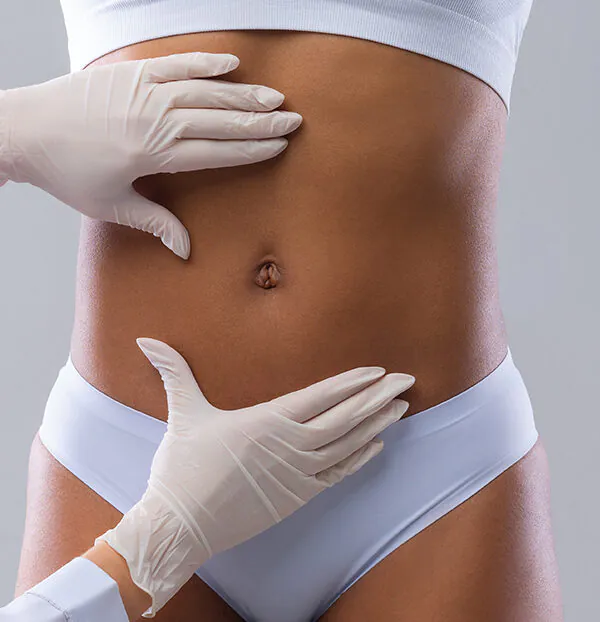



Ramadan Beauty Myths About Skin & Hair You Should Stop Believing
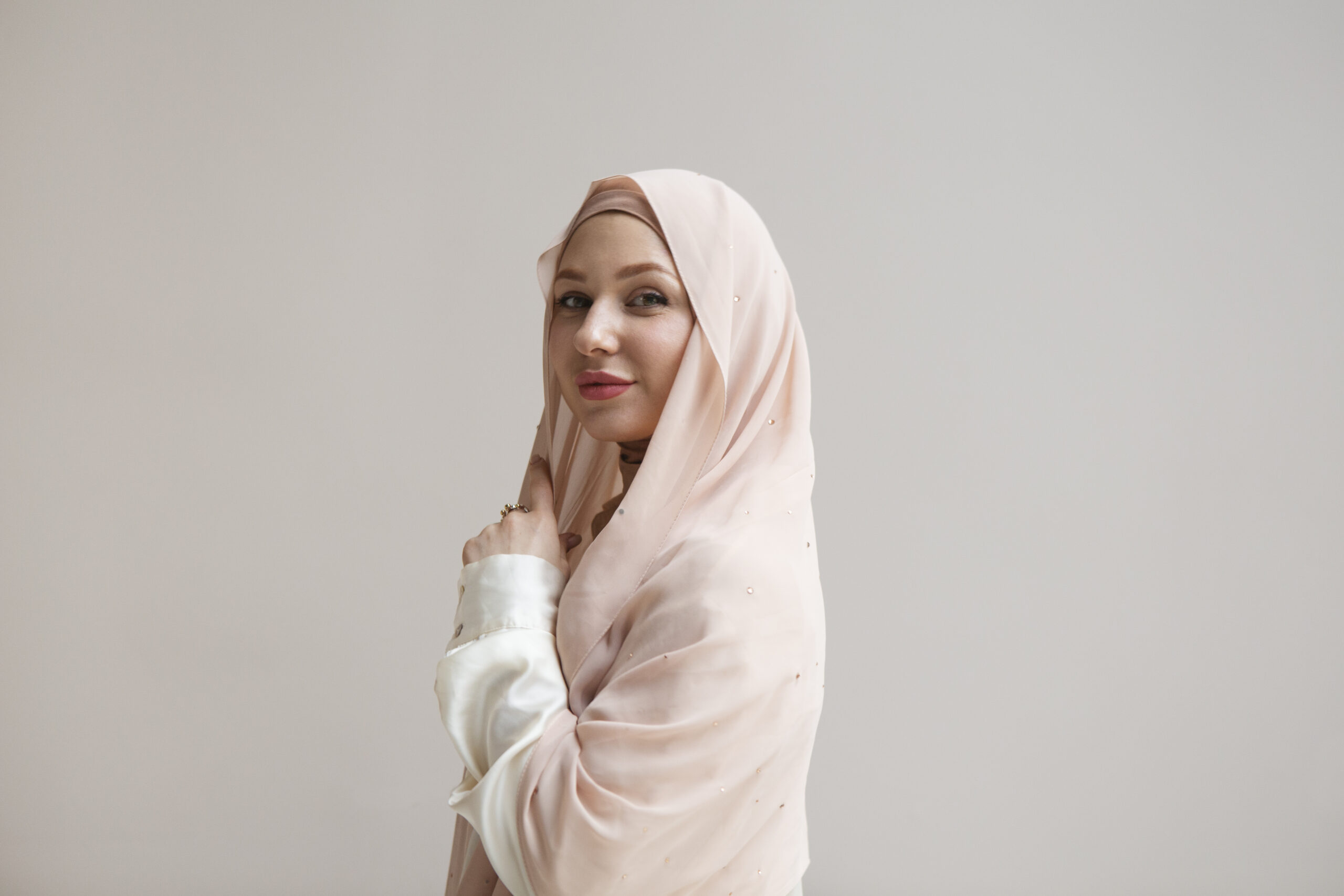
Ramadan Beauty Myths: Gentle Clarifications You Might Not Have Heard
During Ramadan, routines shift. Sleep changes. Eating patterns adjust. Hydration becomes intentional.
And with these changes, questions about skin, hair, and beauty naturally come up.
Over time, small assumptions turn into what we call Ramadan beauty myths. Not dramatic statements, just quiet misunderstandings that get repeated without much explanation.
So let’s talk about them calmly and respectfully.
Because Ramadan is a time of balance and beauty should feel balanced too.
1. “Skin Will Automatically Become Dry During Ramadan”
It’s common to assume that fasting means dry, tired skin.
But here’s the truth:
Ramadan itself doesn’t dry your skin. Dehydration can — if hydration between iftar and suhoor isn’t consistent.
Skin health depends on:
- Fluid intake
- Balanced nutrition
- Sleep quality
- Barrier care
When hydration is prioritized at suhoor and iftar, many people maintain stable skin health throughout Ramadan.
So dryness isn’t inevitable, it’s manageable.
2. “You Should Avoid All Skincare Treatments During Ramadan”
Some people prefer to simplify their routine during Ramadan, which is completely fine.
But avoiding all skincare treatments isn’t medically necessary.
Gentle treatments, hydration facials, and barrier-repair skincare can be done safely, especially after iftar when the body is nourished.
Ramadan is about intention and mindfulness. That can include intentional self-care.
3. “Fasting Affects Hair Growth”
This is a subtle one.
Fasting does not directly affect/stop hair growth. Hair growth is influenced by:
- Protein intake
- Iron levels
- Hormonal balance
- Overall nutrition
If suhoor and iftar include adequate protein and nutrients, hair typically remains stable.
If nutrition becomes inconsistent, temporary shedding can occur, but that’s about diet quality, not Ramadan itself.
4. “Glowing Skin Isn’t Possible While Fasting”
Many assume tired equals dull.
But interestingly, some people notice clearer skin during Ramadan because:
- Snacking decreases
- Sugar intake may reduce
- Inflammation can stabilize
Skin health during Ramadan reflects lifestyle choices, not fasting alone.
Glow comes from balance, not constant eating.
5. “Ramadan Means You Must Stop Caring About Beauty”
Ramadan is a spiritual month, yes. But caring for your appearance respectfully and modestly is not contradictory to spirituality.
Beauty and mindfulness are not opposites.
Self-care can be part of gratitude — part of discipline — part of honoring the body you’re entrusted with.
What Ramadan Actually Changes
Ramadan changes rhythm.
And when rhythm changes, skin health and hair health may need adjustments.
Instead of believing beauty myths, it helps to ask:
- Am I hydrating enough between iftar and suhoor?
- Is my sleep pattern affecting my skin?
- Am I nourishing my body properly?
These questions are more useful than assumptions.
A Balanced Perspective
Fasting during Ramadan does not affect your skin negatively.
It’s a period of recalibration.
When approached mindfully — with proper hydration, balanced meals, and adjusted skincare — your skin and hair can remain healthy throughout the month.
So rather than believing every Ramadan beauty myth you hear, approach changes with curiosity.
Your body isn’t working against you.
It’s adapting.
And with a little intention, it adapts beautifully.