

 Cosmetic and Plastic Surgery
 Medico-Aesthetic Services
 Skin Laser Solutions
 Skin Solutions
 Slimming Solutions




Everything You Need To Know About Tea Tree Oil
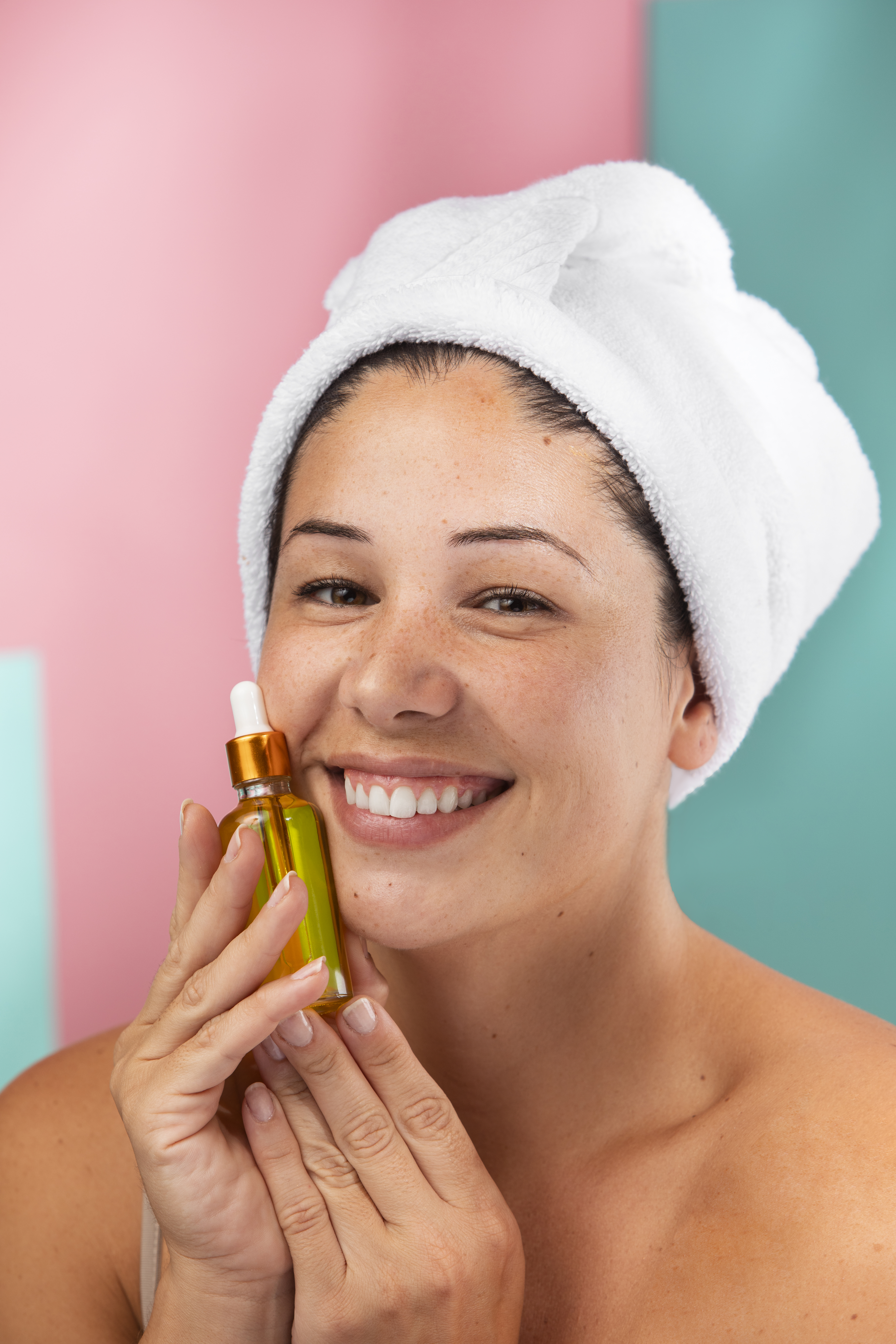
Tea Tree Oil for Your Face: The Tea Tree Truth
So, you’ve probably seen tea tree oil sitting quietly on a pharmacy shelf or hiding in the ingredient list of your favorite skincare product. It’s one of those things people swear by, especially when it comes to acne. But what’s the real deal with tea tree oil for your face? Does it actually work, or is it just another “Pinterest cure-all” trend?
Let’s spill the tea (tree).
What Is Tea Tree Oil Anyway?
Think of tea tree oil as the multitasking friend we all needthe one who shows up with advice, snacks, and a power bank when your phone’s about to die.
Extracted from the leaves of the Melaleuca alternifolia tree (say that three times fast), tea tree oil has been used for centuries for its antibacterial, antifungal, and anti-inflammatory powers. In the skincare world, it’s basically a natural bouncer at the door of your pores—kicking out bacteria and calming irritation before things get messy.
Why People Use Tea Tree Oil for the Face
If you’ve ever searched up “how to get rid of pimples overnight,” chances are tea tree oil popped up. Here’s why it’s a skincare favorite:
- Acne Fighter Extraordinaire
Tea tree oil is like a tiny soldier fighting acne-causing bacteria. Studies show it can reduce both whiteheads and blackheads. - Redness Reducer
Got that angry, red pimple that showed up the night before a big event? Tea tree oil’s anti-inflammatory properties help tone down redness and swelling. - Oil Control Without the Desert Effect
Unlike some harsh acne treatments that leave your skin drier than your sense of humor, tea tree oil balances oil production while keeping your skin hydrated. - Scar Softener
While it’s not an instant eraser, consistent use may improve the look of old acne scars and uneven texture.
How to Actually Use Tea Tree Oil on Your Face (Without Burning It Off)
Okay, here’s where we pause and get real. Tea tree oil is powerful, and like all powerful things, it needs to be handled with care.
- Always Dilute It: Straight tea tree oil is too strong for your skin. Mix it with a carrier oil (like jojoba or coconut) before applying.
- Spot Treatment Only: Don’t rub it all over your face like moisturizer. Dab a tiny bit directly on the breakout.
- Test Before You Trust: Do a patch test on your arm first. Nobody wants a surprise rash on their face.
- Look for Skincare Formulas: If DIY isn’t your vibe, many cleansers, toners, and serums already have tea tree oil in safe concentrations.
The “But Wait” Section: Side Effects You Should Know
Tea tree oil isn’t for everyone.
- Sensitive skin? It might sting or cause irritation.
- Dry skin? Use sparingly, or your face might feel like parchment.
- Allergies? Always patch test, because nature can be unpredictable.
Is Tea Tree Oil Right for You?
If you’re battling acne or oily skin and want a natural alternative to harsh chemicals, tea tree oil might just be your new bestie. But if your skin leans sensitive, go slow and listen to your skin.
Bottom Line: The Tea Tree Truth
Tea tree oil for the face isn’t some overnight miracle, but it is a solid, science-backed option to keep in your skincare toolbox. It’s nature’s way of saying, “Hey, I’ve got your back (and your breakout).”
Ready to Take Skincare From DIY to Done-For-You?
Sure, you could keep experimenting with oils and spot treatments, or… you could let experts guide your skin journey.
At Silkor, we help you get rid of acne for good with our professional facials, targeted treatments, and skincare routines designed for your skin type.