

 Cosmetic and Plastic Surgery
 Medico-Aesthetic Services
 Skin Laser Solutions
 Skin Solutions
 Slimming Solutions



Acne Cream: Ingredients, How To Use It, And Results
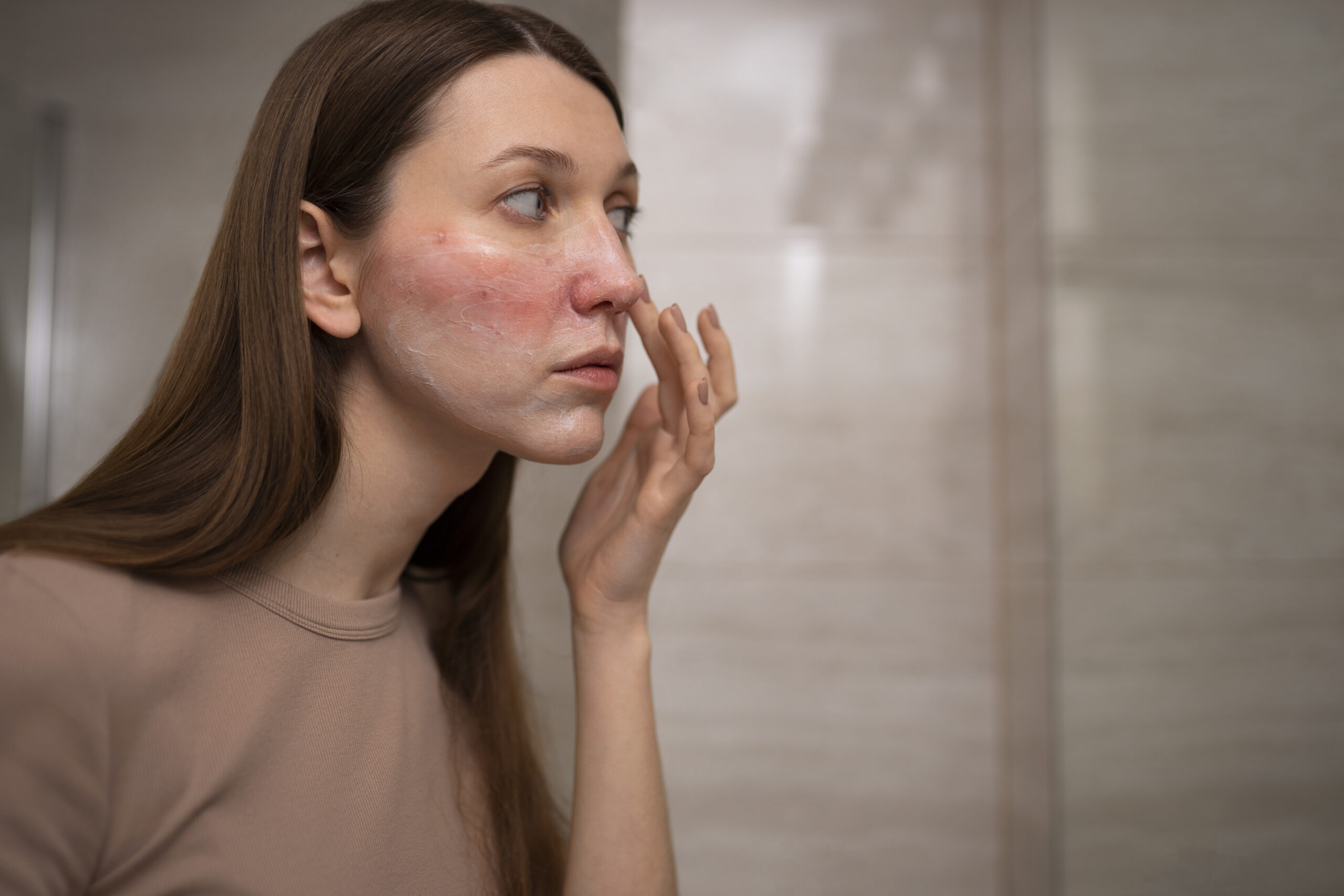
Everything You Need to Know About Acne Cream (Before You Buy)
The thing is, acne doesn’t just mess with your skin. It messes with your mood, your selfies, and sometimes even your social plans. And while the internet is full of “miracle cures,” the truth is, most acne solutions need two things: the right active ingredients and a bit of patience.
That’s where acne cream comes in — a small but mighty tube of targeted treatment that can help unclog pores, calm inflammation, and put those pesky breakouts on notice.
So, What Exactly Is Acne Cream?
Think of acne cream as a focused hit of skincare power, designed to be applied directly to problem areas (or all over if needed). Unlike cleansers, which you wash off, acne creams hang out on your skin, letting the active ingredients work overtime.
Some are designed for spot treatment — think zapping a single Mount Vesuvius-level pimple before a big event — while others are meant for preventive, full-face use to keep future breakouts from showing up uninvited.
What’s Inside That Matters
The effectiveness of an acne cream isn’t in the packaging — it’s in the ingredient list. Here are some common breakout-busting stars you’ll find:
- Benzoyl Peroxide — Kills acne-causing bacteria and helps unclog pores.
- Salicylic Acid — A BHA that exfoliates inside the pore to prevent blockages.
- Retinoids — Boost cell turnover and keep pores clear.
- Sulfur — Calms redness and soaks up excess oil.
- Niacinamide — Reduces inflammation and strengthens the skin barrier.
Knowing which active works best for you is key. For example, benzoyl peroxide is great for inflamed pimples, while salicylic acid is ideal for blackheads and clogged pores.
How to Use Acne Cream Without Sabotaging Your Skin
Here’s where a lot of people go wrong — thinking “more is better.” With acne cream, restraint is your friend.
- Patch test first — Make sure your skin doesn’t freak out.
- Apply to clean, dry skin — This helps the product absorb better.
- Start slow — Especially if you’re using stronger actives like retinoids or benzoyl peroxide.
- Moisturize and protect — Always follow up with a good moisturizer and daily sunscreen.
Remember, your skin barrier protects… well you skin. Overloading it with too many actives can backfire and cause irritation — the skincare equivalent of a really bad breakup.
When to Expect Results
You’ll usually start to see changes in 4 to 6 weeks, but full results can take up to 12 weeks. Consistency is everything — skipping applications is like starting a Netflix series and never finishing it.
The Bottom Line
A good acne cream is like having a tiny, hard-working teammate in your skincare lineup. With the right formula for your skin type and a consistent routine, it can help reduce breakouts, prevent new ones, and give you a smoother, calmer canvas to work with.
So next time a breakout tries to ruin your day, don’t panic. Just reach for your acne cream, let it do the heavy lifting, and go live your life.