
 Cosmetic and Plastic Surgery
 Medico-Aesthetic Services
 Skin Laser Solutions
 Skin Solutions
 Slimming Solutions



Is Tea Tree Oil Worth It? Let’s Break it Down
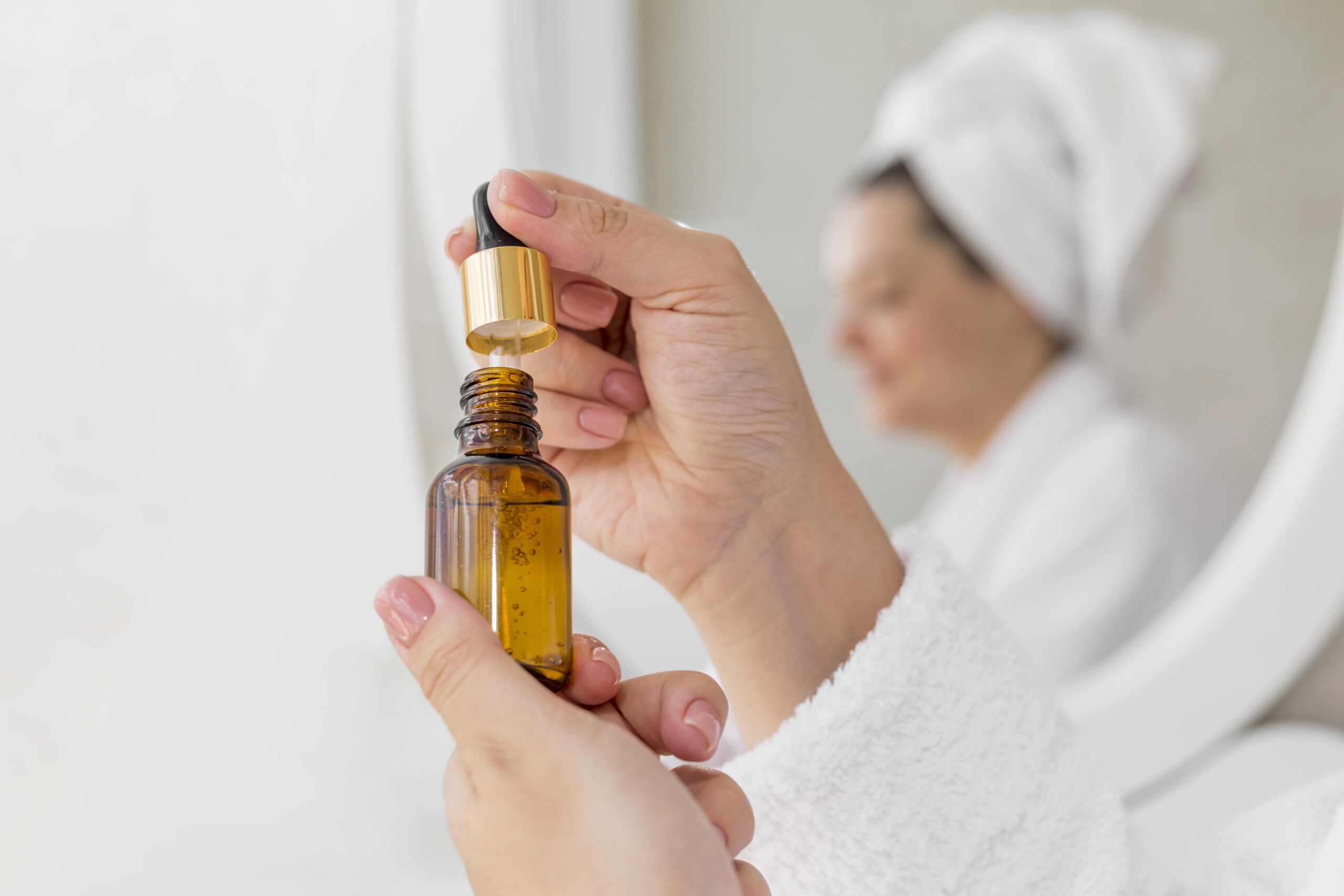
Tea Tree Oil for Skin: Miracle in a Bottle or Just a Trend?
Let’s talk about the oil that everyone and their skincare-obsessed cousin is raving about—tea tree oil. This little powerhouse has made its way into everything from pimple patches to face washes, shampoos, body lotions, and even DIY foot soaks. And we get it—it smells like it’s doing something important, and for many, it actually is.
But the big question is: Can tea tree oil really fix your skin concerns, or is it just another overhyped home remedy?
Let’s break it down, zone by zone—face, body, and scalp—and see where over-the-counter (OTC) solutions shine, and when it’s time to let the professionals (hello, Silkor dermatologists!) take over.
First, What is Tea Tree Oil Anyway?
Tea tree oil is an essential oil extracted from the leaves of the Melaleuca alternifolia tree (say that five times fast). It’s been used for centuries as a natural antiseptic, anti-inflammatory, and antimicrobial agent—making it a go-to for treating everything from acne to dandruff to minor cuts and fungal infections.
Popular benefits of tea tree oil:
- Fights acne-causing bacteria
- Reduces inflammation and redness
- Helps control oily skin
- Soothes scalp irritation
- Treats mild fungal issues (think athlete’s foot or nail fungus)
Sounds like magic in a bottle, right? Well… kind of. Let’s zoom in.
Face First: Tea Tree Oil for Acne & Oily Skin
OTC Benefits:
Tea tree oil is a natural antibacterial, so it can help reduce acne-causing bacteria and calm inflammation. It’s often found in spot treatments, toners, and cleansers aimed at acne-prone or oily skin.
Good for:
- Occasional pimples
- Mild breakouts
- Oily T-zones
Be careful with:
- Dry, sensitive, or reactive skin (tea tree oil can be harsh if not diluted properly)
When to Consider In-Clinic Treatment:
If your breakouts are stubborn, cystic, hormonal, or leaving behind scars, it’s time to upgrade your routine. At Silkor, our dermatologists offer customized acne treatments, which may include:
- Prescription-grade solutions
- Chemical peels
- Medical facials
- LED therapy
- Scar revision treatments
You can explore Silkor’s skin solutions and get a skincare plan that actually works for your skin.
Body Talk: Tea Tree Oil for Bacne, Underarms, and Feet
OTC Benefits:
Tea tree oil’s antibacterial and antifungal powers extend to the body, which is why it shows up in body washes, deodorants, and foot creams.
Can help with:
- Mild bacne
- Fungal issues like athlete’s foot
- Body odor
- Ingrown hairs or razor bumps (sometimes)
When to See a Pro:
If you’re struggling with:
- Persistent body acne
- Dark spots and pigmentation from old breakouts
- Fungal infections that keep coming back
- Severe underarm irritation or folliculitis
…you’ll need more than an essential oil to save the day. Our in-clinic dermatology treatments at Silkor target these issues with stronger, science-backed solutions like:
- Laser for pigmentation and acne
- Medical peels for back and chest
- Prescription antifungal treatments
- Customized body skincare regimens
Trust us—tea tree oil is great, but it’s not going to clear years of body acne or hormonal breakouts alone.
The Scalp Diaries: Tea Tree Oil for Dandruff & Itchy Scalps
OTC Benefits:
You’ll find tea tree oil in a lot of anti-dandruff shampoos and scalp treatments. Why? Because it’s antimicrobial and antifungal—making it effective against Malassezia, a fungus linked to dandruff.
Best for:
- Mild dandruff
- Itchy, flaky scalp
- Occasional oil buildup
When You Need More:
If your scalp feels like a snow globe no matter what shampoo you use—or worse, you’re dealing with:
- Seborrheic dermatitis
- Psoriasis
- Hair thinning or hair loss
- Painful bumps or inflammation
…it’s time to get a dermatologist involved.
At Silkor, we offer:
- Trichology consultations
- Advanced scalp analysis
- PRP for hair loss
- Medical-grade treatments for scalp conditions
And yes, we can still recommend tea tree oil as part of your supporting routine, just not the hero of the show.
So, Is Tea Tree Oil Worth It?
Yes… and no. It’s a great supporting ingredient and can help manage mild concerns, but it’s not a magic or *the only* cure for chronic or severe skin and scalp issues.
Know When to DIY and When to Derm
Tea tree oil is a great addition to your routine if:
- Your skin concerns are mild
- You’re consistent with patch testing and dilution
- You’re looking for natural alternatives
But if your skin (or scalp or body) needs more than a temporary fix, your best bet is an expert-led treatment plan. At Silkor, our dermatologists know exactly when to go natural, when to go medical, and how to help you finally get results.
Stop guessing and start glowing. Book your consultation with Silkor’s skin specialists today.