
 Cosmetic and Plastic Surgery
 Medico-Aesthetic Services
 Skin Laser Solutions
 Skin Solutions
 Slimming Solutions



Hormonal Acne: Here’s All You Need To Know To Treat It Effectively
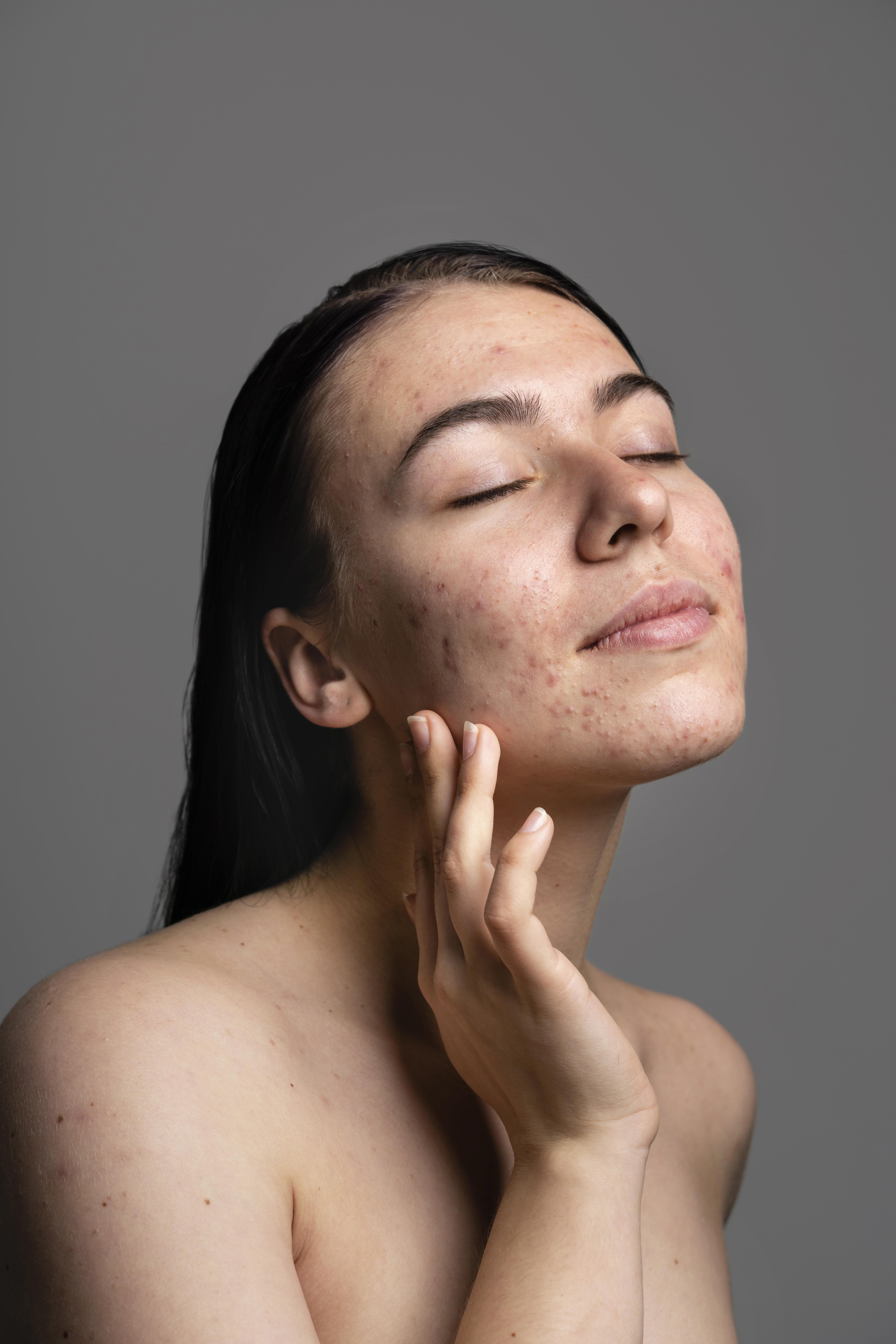
Hormonal Acne: Why Your Skin is Breaking Out
All types of acne are annoying AF, but there’s something about hormonal acne that feels personal. You do all the right things: wash your face, avoid junk food, switch pillowcases, and yet, those stubborn breakouts still show up on your face.
If you’ve ever wondered, “Why does my skin betray me every month?” or “Why are these breakouts only around my jawline and chin?”, you’re not imagining things. That’s hormonal acne talking.
Let’s break it down together.
What Exactly Is Hormonal Acne?
Hormonal acne takes place when your androgen levels (like testosterone) fluctuate, increasing oil (sebum) production. That excess oil clogs your pores, mixes with dead skin cells, and boom… breakouts.
You’ll usually notice it popping up:
- Around your jawline and chin
- During your period
- When you’re stressed
- When you switch birth control or go through other hormonal shifts
Unlike teenage acne, hormonal acne tends to be deeper, more stubborn, and sometimes painful, those under-the-skin bumps that feel like they have a personality of their own.
Why Does It Happen?
Hormones regulate oil production, and when they go out of balance, your skin makes more sebum. That extra oil clogs pores, mixes with dead skin cells, and voilà, pimples.
Some common triggers include:
- Menstrual cycle (estrogen and progesterone changes).
- Stress (cortisol = overdrive for oil glands).
- PCOS or other hormonal conditions.
- Stopping/starting birth control pills.
So it’s much more than just a “bad skincare.”
The Questions Everyone Has About Hormonal Acne
- How do I know if my acne is hormonal?
If your breakouts appear mainly on the lower face, flare up around your period, and feel deeper or cystic, that’s a big sign.
- Can diet cause hormonal acne?
While diet alone doesn’t cause hormonal acne, certain foods (like high-sugar or dairy-heavy diets) may trigger flare-ups for some people.
- Do drugstore products work?
Sometimes for mild cases, but most hormonal acne needs a professional treatment plan, such as medical facials, peels, or even dermatologist-prescribed medications.
- What treatments actually help?
Depending on your case, options might include:
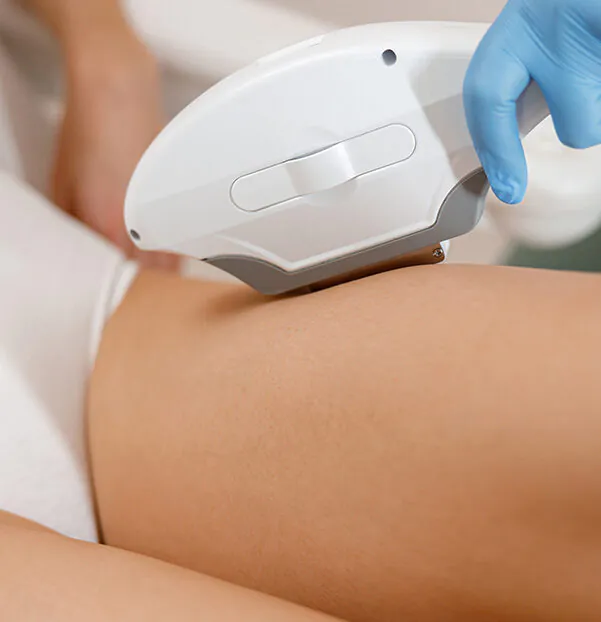
- Laser treatments to reduce inflammation and scarring.
- Medical facials or chemical peels to unclog pores and improve texture.
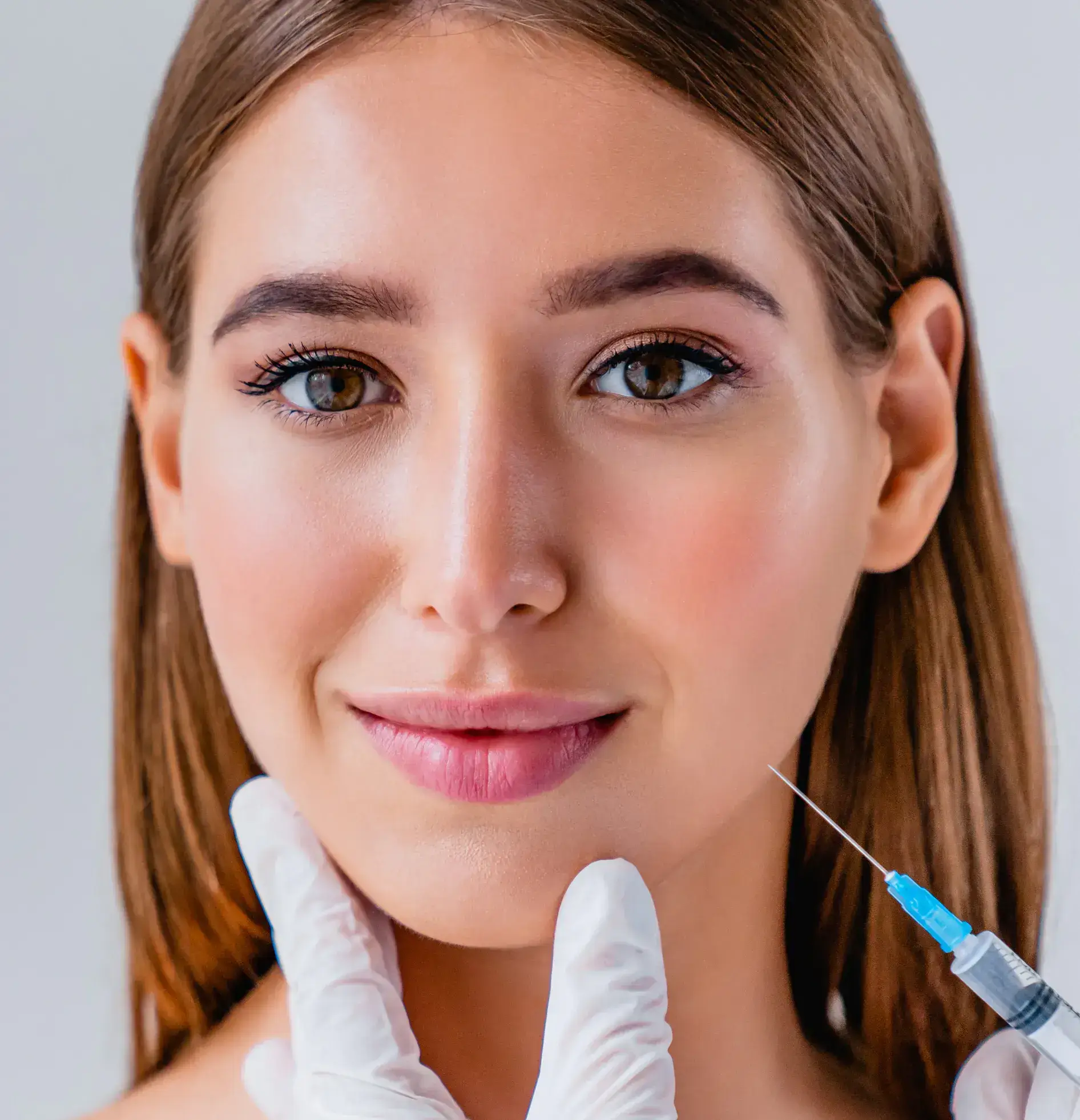
- Injectables like cortisone for painful cystic breakouts.
- Hormonal therapy or medication prescribed by a doctor.
So…What Can You Actually Do?
Here’s the truth: hormonal acne is stubborn, and it rarely listens to “just drink more water” advice. The smartest move is pairing good skincare habits with professional treatments tailored to your skin and hormone story.
If your acne feels like it’s running the show, it’s time to get a professional on your side. A consultation can help uncover the root cause and guide you toward treatments that actually work for you.
Final Takeaway
Hormonal acne isn’t a reflection of poor hygiene or bad habits, it’s your body talking through your skin. Understanding the “why” is step one. Step two? Getting the right plan, with the right experts, so you can finally take control again.