

 Cosmetic and Plastic Surgery
 Medico-Aesthetic Services
 Skin Laser Solutions
 Skin Solutions
 Slimming Solutions






How to Reduce Wound Marks: Simple Steps for Better Skin
How to Reduce Wound Marks: Simple Steps for Better Skin
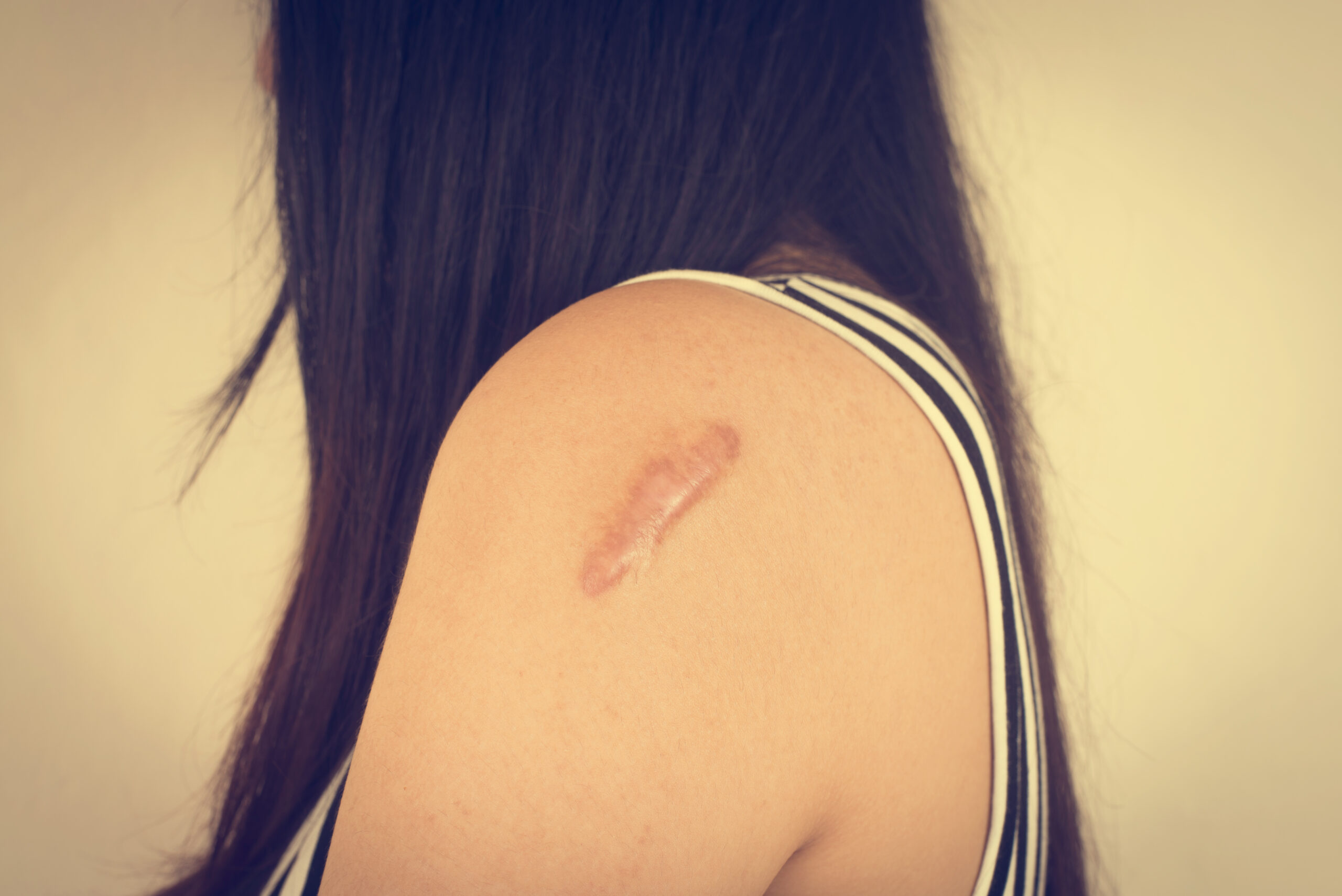
We’ve all had that one little reminder of a past tumble, cut, or accident — a wound mark that just refuses to fade quietly. Sometimes it’s a tiny line on your knee from your clumsy teenage days, or a stubborn mark on your face that makes you pause in front of the mirror. Whatever the case, the good news is, reducing wound marks is more achievable than you think — with the right care, patience, and guidance from a skilled dermatologist.
Here’s how to approach it without losing your sanity (or your skin’s glow).
1. Don’t Rush the Healing
The first step to minimizing wound marks is understanding that healing takes time. Immediately after an injury, your body is doing a lot behind the scenes, producing collagen, sealing tissue, and fighting off potential infections. Trying to rush this process with harsh creams or scrubbing too soon can actually make marks worse.
Tip: Keep the wound clean, lightly moisturized, and protected. Trust your skin, it knows what it’s doing.
2. Protect Your Skin from the Sun
Did you know that UV exposure can darken scars and wound marks? Even if your skin is naturally dark or fair, unprotected scars can become more noticeable. Sunscreen isn’t just for the beach — it’s your best friend when it comes to scar prevention.
Tip: Apply a broad-spectrum SPF 50 on healing skin daily. Hats, clothing, and shade work wonders too.
3. Use Targeted Scar Treatments
When it comes to wound mark treatment, there’s no one-size-fits-all. Depending on the type of scar, whether it’s flat, raised, or discolored — dermatologists recommend different options:
- Silicone gels and sheets: These are great for keeping scars hydrated and promoting softer, flatter marks.
- Topical creams with ingredients like Vitamin C or retinoids: They help with pigmentation and skin texture.
- Professional treatments: Think laser scar removal, microneedling, or chemical peels, all designed to stimulate collagen and smooth the skin.
Remember: consistency is key. A quick dab here and there won’t cut it. Make it part of your daily skin routine.
4. Massage Your Scars (Yes, Really)
Gentle scar massage can do wonders, especially for raised or thick wound marks. By massaging in circles with a little cream or oil, you’re improving blood flow and helping break down excess scar tissue.
Pro tip: Start massaging only once the wound is fully closed and healed. Ask your dermatologist for the best technique based on your scar type.
5. Know When to Seek Professional Help
Some wound marks just won’t budge on their own, and that’s okay. Consulting a dermatologist can make a huge difference, especially if the scar is old, large, or causing discomfort. They can offer advanced options like laser therapy, PRP treatments, or filler injections that speed up healing and reduce visibility.
6. Patience is Your Best Ally
The truth? Even the best scar removal treatments take time. A little progress every week adds up to noticeable results over months. Celebrate the small wins such as, a lighter mark, smoother texture, or a scar that’s finally blending with your skin tone.
Final Thoughts
Wound marks are just a part of life, little reminders that your body healed and carried on. But that doesn’t mean you have to live with them forever. With proper care, targeted scar treatments, sun protection, and professional guidance, you can reduce wound marks and enjoy smooth, healthy skin again.
Remember, your skin is resilient. Treat it with patience, consistency, and love.