
 Cosmetic and Plastic Surgery
 Medico-Aesthetic Services
 Skin Laser Solutions
 Skin Solutions
 Slimming Solutions
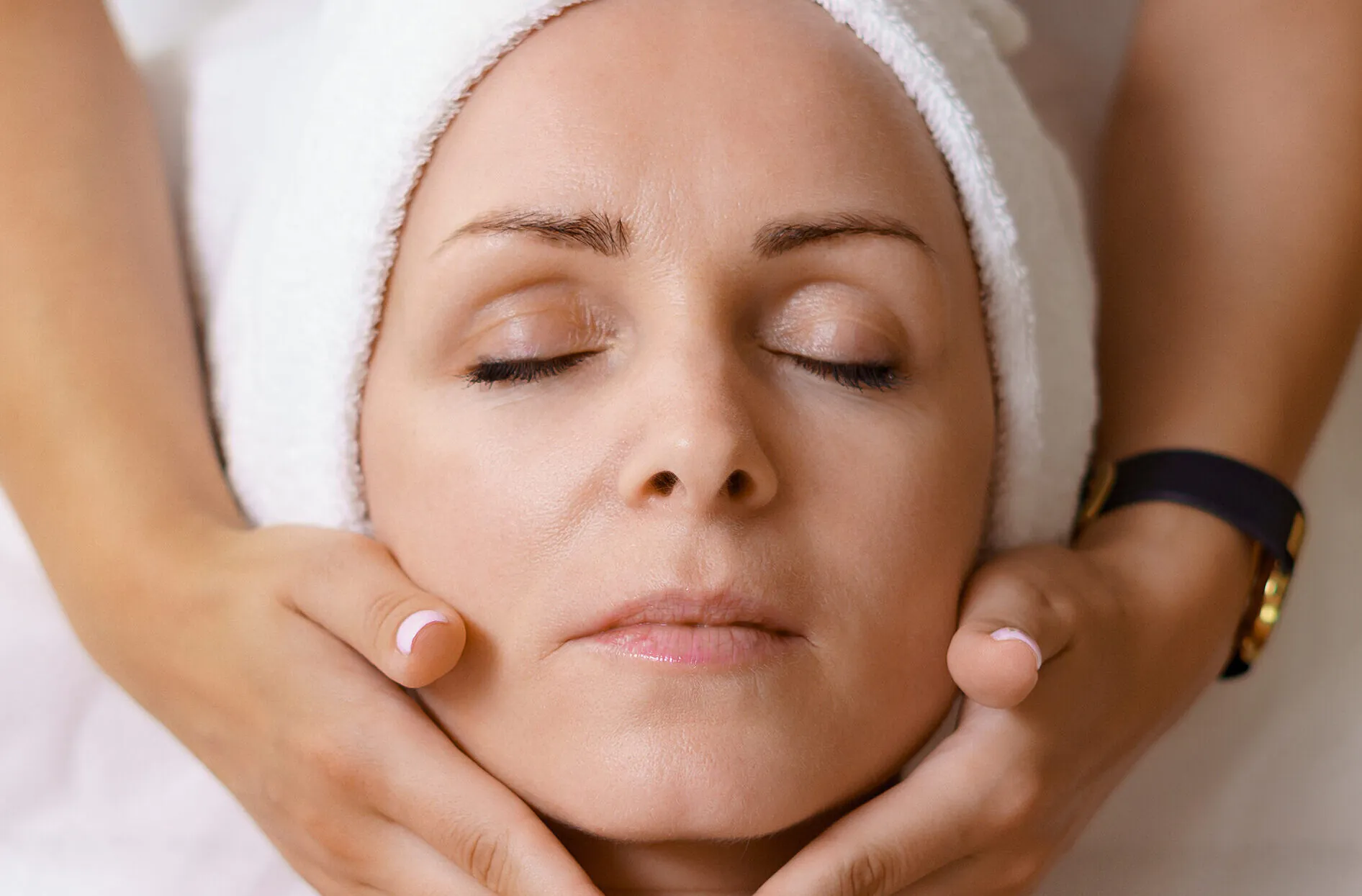




Can Fotona Replace a Facial? Here’s What Laser Skin Rejuvenation Actually Does

Can Fotona Replace a Facial? Here’s What Laser Skin Rejuvenation Actually Does
Let’s be honest: sometimes your skin doesn’t need another 12-step skincare routine.
It needs a reset.
You know the feeling. Your skin looks dull, your makeup isn’t sitting quite right, your pores seem to have become very confident, and no amount of moisturizer is giving you that fresh, healthy-looking finish you’re after.
That’s usually when the word facial starts sounding very appealing.
But what if you’re looking for something that goes beyond cleansing, exfoliating and leaving the clinic with temporarily softer skin?
That’s where Fotona laser skin rejuvenation comes into the conversation.
And before you ask: no, Fotona isn’t simply a fancy facial with a laser involved.
So, Is Fotona Basically a Facial?
Not exactly.
A traditional facial generally focuses on the surface of the skin. Depending on the treatment, that might mean cleansing, exfoliation, hydration, extractions or applying targeted skincare products.
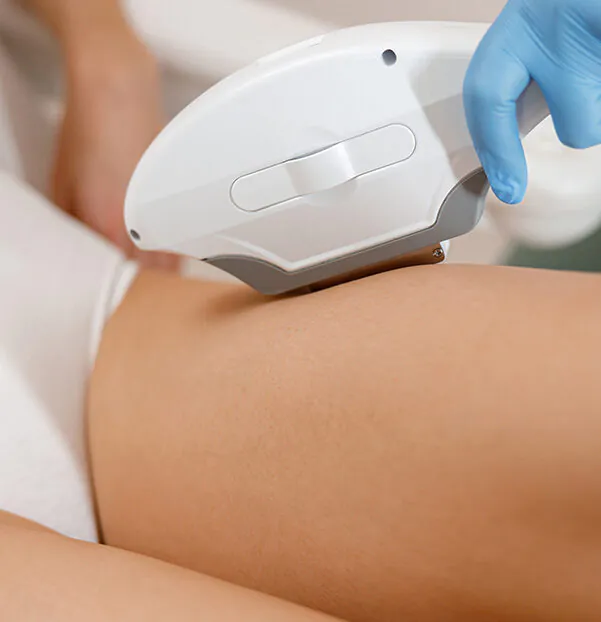
A Fotona laser facial, on the other hand, uses laser energy to target the skin at different depths.
Certain Fotona treatment modes can work beneath the surface to encourage collagen remodeling, while others can target superficial skin concerns and improve the appearance of texture.
So while both treatments can leave your skin looking refreshed, they’re doing it in very different ways.
Think of it like this:
A facial can help tidy up the surface.
Fotona can work on the skin’s deeper processes too.
What Does a Fotona Facial Actually Do?
This depends on the protocol your doctor chooses, but Fotona skin rejuvenation can be used to address several concerns at once.
It Can Help Improve Skin Texture
Texture is one of those things that can be difficult to explain until you see it.
Your skin isn’t necessarily “bad.” It just doesn’t look as smooth as you’d like.
Certain Fotona laser modes can target superficial imperfections and support skin remodeling, helping improve the appearance of uneven texture and pores.
The goal isn’t glass skin that only exists under a ring light.
It’s smoother-looking, more refined skin in real life.
It Can Support Collagen Remodeling
This is where Fotona goes beyond the typical facial.
Certain Fotona wavelengths and treatment modes deliver controlled thermal energy into the skin, which can stimulate collagen remodeling.
And collagen matters because it’s one of the proteins responsible for the skin’s structure, firmness and elasticity.
Of course, your skin isn’t going to wake up the next morning having produced ten years’ worth of collagen.
These processes take time.
But that’s precisely why laser skin rejuvenation is often approached as a treatment plan rather than a one-day quick fix.
It Can Improve the Appearance of Fine Lines
Fine lines are normal. They happen because we’re human beings who apparently insist on smiling, talking and making facial expressions.
Still, if you’d like them to look less noticeable, Fotona can be used as part of a skin rejuvenation protocol targeting fine lines and wrinkles.
By supporting collagen remodeling and improving skin quality, the treatment can help the skin appear smoother and more youthful over time.
It Can Give Dull Skin a Refresh
Sometimes your skin isn’t necessarily dry or damaged.
It just looks… tired.
And that’s where Fotona facial treatments can be interesting.
Depending on the protocol, laser treatment can address surface irregularities while also supporting deeper skin remodeling, helping create a more even, refreshed-looking complexion.
It’s less “I just had a facial” and more “Did you sleep eight hours?”
We’ll take either.
But What About That Glow?
Yes, we need to talk about the glow.
Because when people say they want glowing skin, they don’t usually mean shiny skin.
They mean skin that looks healthy, even and smooth. Skin that catches the light nicely instead of making you reach for another layer of foundation.
Fotona skin rejuvenation can help improve the overall quality and appearance of the skin by addressing concerns such as uneven texture, dullness and fine lines.
But here’s the important part: the “glow” isn’t necessarily the entire point of the treatment.
Improving the underlying quality of the skin is.
The glow is simply a very nice side effect.
Is Fotona Better Than a Facial?
This is where we’re going to refuse to pick sides.
Because they’re not really competing treatments.
A traditional facial can be excellent when your skin needs cleansing, hydration, exfoliation or a quick refresh.
Fotona laser treatment may be considered when you’re looking to address concerns such as fine lines, skin laxity, texture or overall skin rejuvenation through laser-based treatment.
In fact, depending on your goals, they can potentially have completely different places in your skincare routine.
The better question isn’t:
“Which one is better?”
It’s:
“What does my skin actually need?”
And that’s something your doctor should determine after assessing your skin.
How Many Fotona Sessions Do You Need?
There isn’t one magic number.
The recommended number of Fotona laser sessions depends on what you’re treating, the condition of your skin and the specific treatment protocol selected.
Some people may be looking for a single treatment before an event, while others may benefit from a series of treatments designed to gradually improve skin quality.
And because collagen remodeling doesn’t happen instantly, results may continue developing after treatment rather than appearing all at once.
So if you’re planning Fotona for an upcoming occasion, don’t leave it until the night before.
Your skin does not understand deadlines.
Is There Downtime After a Fotona Facial?
This depends on the Fotona treatment you’re having.
Some protocols are designed to be gentle with minimal downtime, while more intensive resurfacing treatments can involve more noticeable redness, sensitivity or recovery.
That’s why “Fotona” doesn’t automatically equal “no downtime.”
The exact wavelength, mode, intensity and treatment approach all matter.
Your doctor should explain what to expect before your session, including aftercare and how quickly you can return to your normal routine.
Who Is a Good Candidate for Fotona?
Fotona can be considered for people who want to improve the appearance of concerns such as:
- Fine lines and wrinkles
- Uneven skin texture
- Dull-looking skin
- Reduced firmness
- Enlarged-looking pores
- Certain scars and skin imperfections
- Overall signs of skin aging
But a list of concerns isn’t enough to determine whether the treatment is right for you.
Your skin type, current condition, medical history and goals all matter.
That’s why a proper consultation comes before deciding on a Fotona laser treatment.
The Facial You Didn’t Know Wasn’t a Facial
So, can Fotona replace your regular facial?
Not necessarily.
And honestly, it doesn’t have to.
A facial can be your little maintenance moment. Fotona is a different kind of treatment, designed to use laser technology to address specific skin concerns and support longer-term skin remodeling.
If you’re looking for temporary hydration and a fresh post-facial feeling, there are plenty of treatments that can deliver that.
But if you’re looking to improve the quality, texture, firmness and overall appearance of your skin, Fotona may be worth discussing with your aesthetic doctor.
Because sometimes your skin doesn’t need another product.
It needs a better strategy.