
 Cosmetic and Plastic Surgery
 Medico-Aesthetic Services
 Skin Laser Solutions
 Skin Solutions
 Slimming Solutions
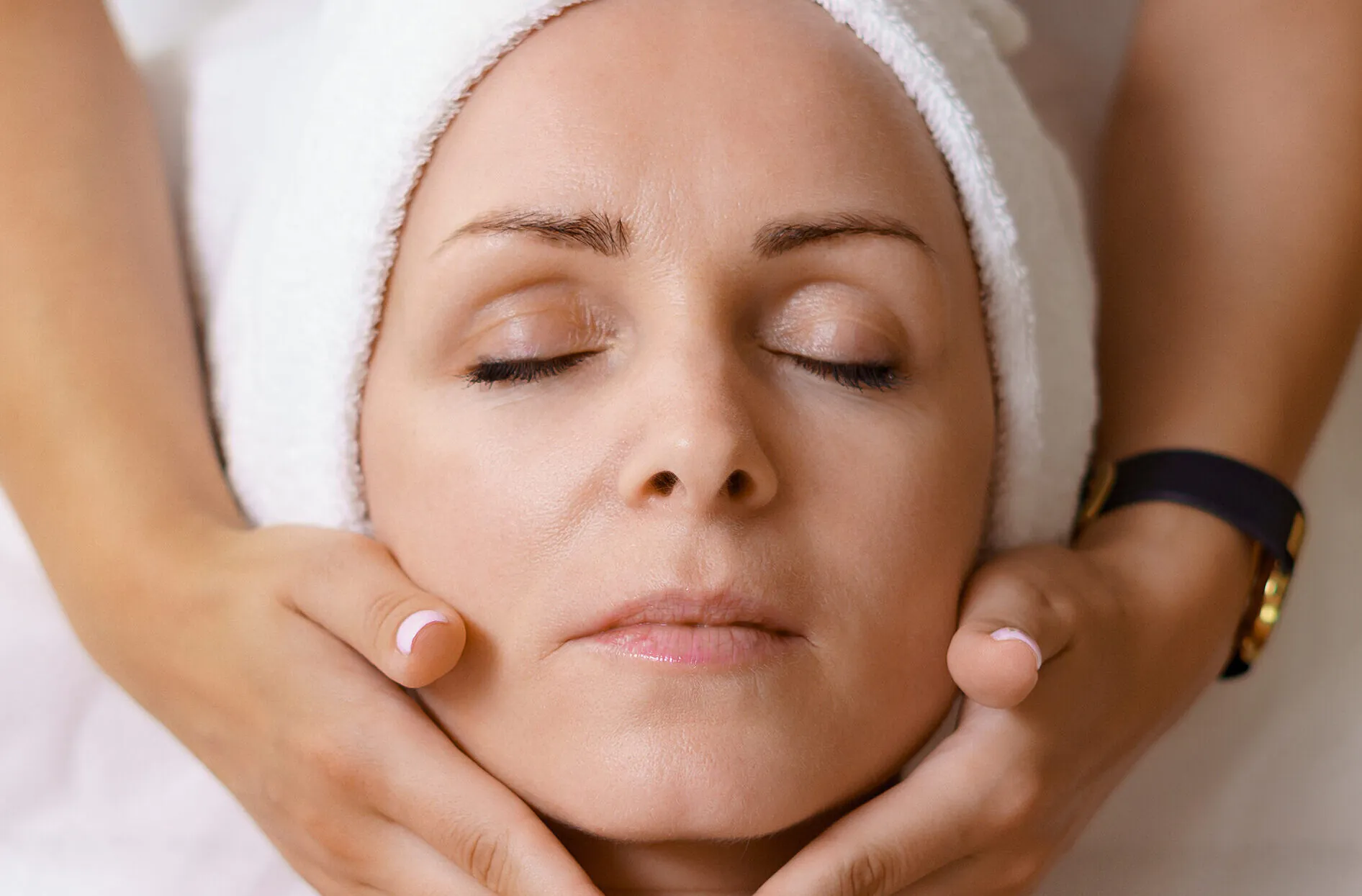




Fotona Laser Treatment: What Can It Actually Do for Your Skin?

Fotona Laser Treatment: What Can It Actually Do for Your Skin?
You know that feeling when your skin is technically fine… but somehow it just doesn’t look as fresh as it used to?
Maybe your skin feels less firm. Maybe your pores seem more noticeable. Maybe there are a few fine lines that weren’t invited but decided to stay anyway. Or perhaps your complexion simply looks a little tired no matter how much skincare you throw at it.
This is where Fotona laser treatment comes in.
And no, Fotona isn’t just another laser that promises to “transform” your skin overnight. It’s a versatile laser technology that can be adjusted to target different layers of the skin and address several concerns, from skin texture and fine lines to laxity and overall skin rejuvenation.
So, what exactly can a Fotona laser facial do for you? Let’s get into it.
What Is Fotona Laser Treatment?
Fotona is an advanced laser platform that uses different wavelengths and treatment modes to work on the skin at different depths.
Depending on the treatment and your specific concerns, Fotona can be used for skin rejuvenation, skin tightening, wrinkle reduction, texture improvement, and resurfacing, among other aesthetic applications.
The interesting part? It isn’t a one-setting-fits-all kind of treatment.
Fotona systems can combine Nd:YAG and Er:YAG laser wavelengths, allowing the treatment to be tailored to different skin concerns and depths. Some modes focus on controlled heating deeper within the tissue, while others target the skin’s surface for a smoother, more refreshed appearance.
In other words: your skin gets a treatment plan, not a copy-paste setting.
So, What Does Fotona Actually Treat?
This is probably the question you came here for.
While the exact treatment depends on your skin and the Fotona protocol selected by your doctor, Fotona laser treatments can be used to address several common concerns.
1. Fine Lines and Wrinkles
Fine lines are one of those things you may not notice one day, and then suddenly you’re inspecting them under bathroom lighting like a detective.
Fotona can be used as part of a skin rejuvenation treatment to stimulate collagen remodeling and improve the appearance of fine lines and wrinkles.
Rather than simply working on the surface, certain Fotona modes deliver controlled thermal energy into the skin, supporting collagen contraction and new collagen formation over time.
The goal isn’t to make your face look frozen or dramatically different.
It’s to help your skin look smoother, firmer and more refreshed.
2. Skin Tightening and Loss of Firmness
If your main concern is that your skin doesn’t feel quite as firm as it used to, Fotona skin tightening may be worth discussing with your aesthetic doctor.
Some Fotona treatment modes use controlled heat to target deeper tissue and encourage collagen remodeling. This can help improve the appearance of skin laxity and elasticity.
Think of it as giving your skin a little reminder to get back to work on its collagen.
3. Uneven Skin Texture
Good skin isn’t only about being wrinkle-free.
Sometimes the issue is texture: roughness, enlarged-looking pores, unevenness or a complexion that simply doesn’t have that smooth, polished look you’re after.
Certain Fotona laser treatments can target the skin more superficially to improve the appearance of texture and imperfections. Er:YAG-based treatments can also be adjusted to provide controlled resurfacing, depending on the treatment approach.
The result you’re after?
Skin that looks smoother, more even and generally… more awake.
4. Dull-Looking Skin
You can have a perfectly good skincare routine and still feel like your skin has lost some of its glow.
Laser skin rejuvenation can be used to refresh the appearance of the complexion by addressing surface imperfections and supporting the skin’s natural remodeling processes.
This is one reason Fotona for skin rejuvenation can be appealing if you’re looking for more than just a temporary “my skin looks nice today” effect.
5. Certain Scars and Skin Imperfections
Fotona technology can also be used in different aesthetic protocols for concerns such as acne scars and other skin imperfections. The specific laser wavelength, settings and treatment approach depend on the type of concern being treated.
And this is important: not every scar needs the same treatment.
Your doctor should assess the type, depth and appearance of the scar before deciding which laser approach makes sense.
How Does Fotona Work on the Skin?
Here’s where things get interesting.
Fotona isn’t simply about “heating the skin” and hoping for the best.
Different modes are designed to deliver laser energy in different ways.
For example, Fotona’s SMOOTH mode uses Er:YAG laser energy for controlled, non-ablative thermal treatment that can encourage collagen remodeling while preserving the epidermis. FRAC3 uses Nd:YAG laser energy in a fractional pattern to target specific imperfections, while PIANO is designed for controlled bulk heating of deeper tissue.
That means a doctor can select the approach based on what your skin actually needs.
Because your forehead, cheeks, jawline and overall skin texture don’t necessarily need the exact same thing.
Is Fotona Laser Painful?
This is usually one of the first questions people ask.
The answer depends on the specific Fotona treatment, settings and your individual sensitivity.
Many Fotona treatments are designed to be comfortable and minimally invasive, but you may still feel warmth or a heating sensation during treatment.
Your doctor can explain exactly what to expect based on the protocol being used for you.
And honestly, knowing what you’re going to feel beforehand makes the whole experience a lot less intimidating.
Is There Downtime After Fotona?
One of the reasons people consider Fotona laser treatment is that certain protocols can be performed with little to minimal downtime.
However, “laser treatment” doesn’t automatically mean “zero downtime.”
Different Fotona modes and treatment intensities can produce different levels of redness, warmth or sensitivity. More superficial resurfacing treatments, for example, may involve a different recovery period than non-ablative treatments.
Your doctor should tell you exactly what recovery to expect before your session.
Because “I’ll be back to normal tomorrow” is not something we should promise without knowing what treatment you’re actually having.
When Will You See Fotona Results?
This depends on the concern being treated and the specific protocol.
Some people may notice an immediate improvement in how their skin looks or feels, while collagen-related improvements can develop gradually as the skin continues its remodeling process.
And that’s actually one of the things that makes Fotona skin rejuvenation interesting: the goal isn’t simply to give your skin a temporary boost, but to work with the skin’s longer-term regenerative processes.
Patience, unfortunately, remains part of every good skincare story.
Is Fotona Right for You?
There’s no universal answer.
The best Fotona laser treatment for you depends on your skin type, concerns, medical history, goals and the condition of your skin at the time of treatment.
Someone looking to improve fine lines may need a very different approach from someone concerned about acne scars or uneven texture.
That’s why consultation matters.
Your doctor can assess your skin and determine whether Fotona is appropriate for you, which treatment mode may be suitable, and how many sessions may be recommended.
The Bottom Line
Fotona isn’t about chasing a completely different face.
It’s about improving the things that make your skin look tired, uneven, less firm or less smooth — while keeping the result looking like you.
From skin tightening and wrinkle reduction to skin rejuvenation, texture improvement and resurfacing, Fotona offers different ways to approach different concerns.
So if your skin has been quietly asking for a reset, maybe it’s time to listen.
And no, that doesn’t mean throwing away your entire skincare shelf.
We said reset. Not financial ruin.