

 Cosmetic and Plastic Surgery
 Medico-Aesthetic Services
 Skin Laser Solutions
 Skin Solutions
 Slimming Solutions







What Happens to Your Skin When You Skip Sunscreen for a Year?
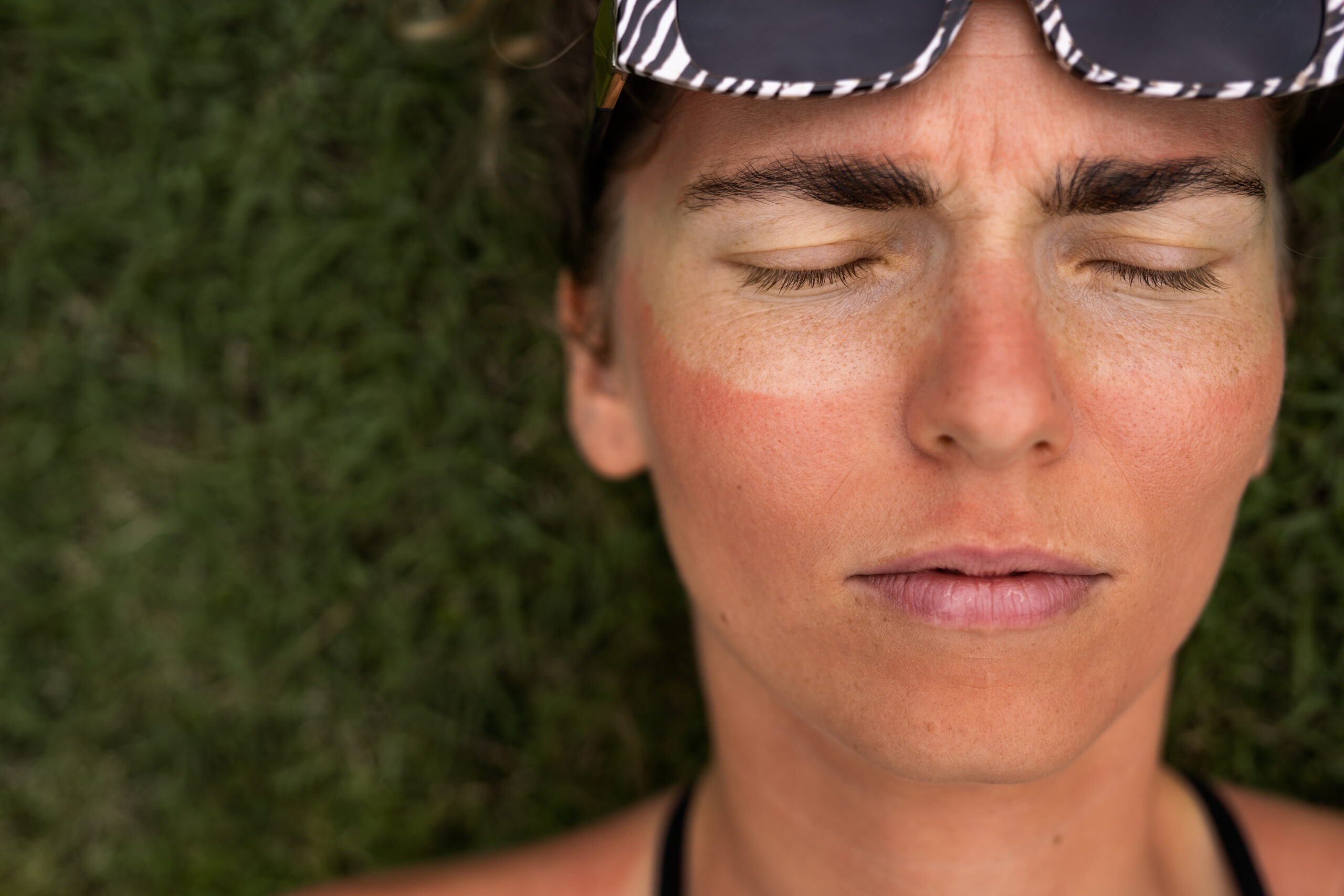
What Happens to Your Skin When You Skip Sunscreen for a Year?
Let’s say you have a perfectly good skincare routine.
Cleanser? Check.
Serum? Check.
Moisturizer? Obviously.
Maybe even a little eye cream because apparently we’re responsible adults now.
And sunscreen?
“I mean… I’m not going to be outside that long.”
So you skip it.
Then you skip it again.
And eventually, somehow, a year has passed and sunscreen has become that unopened bottle sitting at the back of your bathroom cabinet.
Your skin might look completely fine.
For now.
And that’s exactly what makes sun damage so sneaky.
Your Skin Doesn’t Send a Warning Notification
If you forget sunscreen one day, your skin isn’t going to immediately send you a push notification saying:
“Congratulations! You’ve just accumulated UV damage.”
You might not see anything.
No dramatic change.
No instant wrinkle.
No mysterious “before and after” moment.
But UV radiation can damage skin cells and contribute to changes in collagen, elastin, pigmentation and DNA over time.
And unlike a breakout, you don’t necessarily see the consequences immediately.
That’s why sunscreen is less about what your skin looks like today and more about protecting what it will look like later.
Month 1: “See? Nothing Happened.”
You skip sunscreen for a few weeks.
Your skin looks… normal.
Congratulations.
This is where the brain starts making very questionable conclusions.
“Maybe sunscreen is overrated.”
No.
Your skin simply doesn’t work on an Amazon Prime delivery schedule.
UV damage accumulates over time, and some of its effects become visible much later.
Even if you’re not deliberately sunbathing, UV exposure can happen while you’re walking to work, sitting outside for coffee, driving, running errands or simply existing near windows.
Your skin is keeping receipts.
Month 3: Your Pigmentation May Start Keeping Score
One of the more noticeable consequences of cumulative sun exposure is hyperpigmentation.
UV exposure can stimulate melanin production, which can contribute to dark spots and uneven skin tone.
And if you’re already prone to pigmentation?
You may be particularly motivated to keep sunscreen in the daily rotation.
Because treating pigmentation while repeatedly exposing your skin to UV is a little like mopping the floor while someone is still holding the tap open.
You can do both.
But one is making the other considerably harder.
Month 6: Collagen Is Having a Rough Time
Here’s where we get into photoaging.
Sun exposure is one of the major external contributors to premature skin aging.
UV radiation can contribute to the breakdown and alteration of collagen and elastin — the proteins that help give skin its structure, firmness and elasticity.
Over time, this can contribute to:
- Fine lines
- Wrinkles
- Loss of firmness
- Uneven texture
- Changes in skin elasticity
And no, we’re not saying that every wrinkle you develop is because you forgot sunscreen.
You’re allowed to age.
We’re just saying that chronic UV exposure can accelerate visible skin aging.
There is a difference.
Month 9: “Why Does My Skin Look So… Different?”
This is where cumulative changes can become more noticeable.
Maybe your skin tone looks less even.
Maybe there are more visible sun spots.
Maybe your skin doesn’t feel quite as smooth.
Maybe those fine lines you’ve had forever suddenly seem a little more determined.
And because these changes happen gradually, it can be difficult to pinpoint when they started.
You don’t usually wake up one morning and think:
“Wow. My collagen has been degraded.”
You just notice that your skin doesn’t look exactly the way it used to.
Month 12: A Year of UV Exposure Adds Up
A year without consistent daily sunscreen doesn’t automatically mean your skin is going to look dramatically different.
That’s important.
Your genetics, skin type, environment, amount of sun exposure and many other factors influence how your skin responds.
But skipping sunscreen consistently means you’re missing one of the simplest ways to reduce ongoing UV exposure.
And that’s the real issue.
It’s not:
“One year without SPF = instant wrinkles.”
It’s:
“A year of repeated, unprotected UV exposure contributes to cumulative damage.”
And your skin doesn’t get to reset every January.
But I Don’t Sunbathe!
Neither do a lot of people.
And that’s precisely why broad-spectrum sunscreen matters.
UV exposure isn’t limited to beach days.
You get exposure during everyday activities — walking outdoors, commuting, sitting on a terrace, exercising outside and spending time in sunny environments.
UVA rays are also particularly relevant to photoaging because they penetrate deeper into the skin than UVB and contribute to collagen and elastin damage.
UVB, meanwhile, is strongly associated with sunburn and also contributes to skin cancer.
Both matter.
Which is why your sunscreen should ideally be broad-spectrum, meaning it provides protection against both UVA and UVB radiation.
And No, Your Makeup Isn’t Your Sunscreen
This one comes up a lot.
Your foundation might have SPF.
Your moisturizer might have SPF.
Your primer might have SPF.
Fantastic.
But unless you’re applying enough of the product to actually achieve the labeled SPF protection — which people generally don’t — relying on makeup alone isn’t the same as applying a dedicated sunscreen appropriately.
Think of SPF makeup as a nice bonus.
Not your entire security system.
What About Cloudy Days?
The sun being behind a cloud doesn’t mean UV radiation has packed its bags and gone home.
UV rays can still reach your skin on cloudy days.
So if your sunscreen routine only appears when the sky is bright blue and you’re wearing sunglasses, it may be time for a little upgrade.
Daily sunscreen is much easier to remember when you treat it like skincare rather than a special occasion product.
Cleanse.
Moisturize.
SPF.
Done.
Can Sunscreen Undo Existing Sun Damage?
Here’s where we need to manage expectations.
Sunscreen is primarily about prevention.
It helps reduce ongoing UV exposure, but it doesn’t magically erase years of existing sun damage.
If you’re already dealing with pigmentation, fine lines, uneven texture or other signs of photoaging, there are aesthetic and dermatological treatments that may help improve their appearance.
Depending on the concern, these can include laser treatments, chemical peels, skin rejuvenation treatments and other professionally recommended options.
But even if you treat existing sun damage, protecting your skin from further UV exposure remains important.
Otherwise, you’re asking your treatment to run a marathon while the sun keeps throwing obstacles at it.
So, How Much Sunscreen Are We Actually Talking About?
Enough to provide the protection listed on the bottle.
For the face, neck and exposed areas, many dermatology recommendations use the two-finger rule as a practical way to estimate an adequate amount, although the exact amount needed varies depending on the product and area being covered.
Look for:
Broad-spectrum SPF 30 or higher.
And if you’re outdoors for extended periods, swimming or sweating, remember that sunscreen needs to be reapplied according to the product’s directions.
Because applying sunscreen once at 8 a.m. and then spending eight hours outside doesn’t create an invisible force field.
Sadly.
What About Darker Skin Tones?
Yes, sunscreen still matters.
Melanin provides some natural protection against UV radiation, but it does not make skin immune to sun damage.
People with darker skin tones can still develop hyperpigmentation, photoaging and skin cancer.
In fact, pigmentation concerns can be particularly frustrating because inflammation and UV exposure can contribute to post-inflammatory hyperpigmentation.
So sunscreen isn’t just an anti-aging step.
It’s part of maintaining overall skin health.
Your Future Skin Is Depending on Your Present Self
Here’s the slightly annoying truth:
You probably won’t notice the full benefit of sunscreen today.
That’s the point.
You wear it today so that years from now, you’re not wondering why your skin has accumulated more sun damage than it needed to.
You protect your collagen before you notice its loss.
You protect against pigmentation before you spend years trying to fade it.
You protect your skin before the damage becomes visible.
And yes, sunscreen can feel boring.
It’s not as exciting as a new serum.
It doesn’t give you an immediate glass-skin moment.
Nobody is going to compliment you at brunch and say:
“Wow, Sarah, your SPF barrier is incredible.”
But sometimes the most effective skincare habit is the least glamorous one.
The Bottom Line
Skipping sunscreen once isn’t a skincare crime.
Forgetting it on a random cloudy Tuesday isn’t going to ruin your face.
But consistently going without daily SPF means exposing your skin to UV radiation that can accumulate over time and contribute to premature skin aging, pigmentation, collagen breakdown and other forms of sun damage.
So if you’ve been treating sunscreen like the optional final step of your skincare routine, consider promoting it.
Because your cleanser is cleaning your skin.
Your serum is doing its little serum thing.
Your moisturizer is keeping things hydrated.
And sunscreen?
Sunscreen is protecting all of them from the sun coming in and ruining the group project.
Honestly, let it do its job.