

 Cosmetic and Plastic Surgery
 Medico-Aesthetic Services
 Skin Laser Solutions
 Skin Solutions
 Slimming Solutions




Why Does Cellulite Happen Even When You’re Not Overweight?
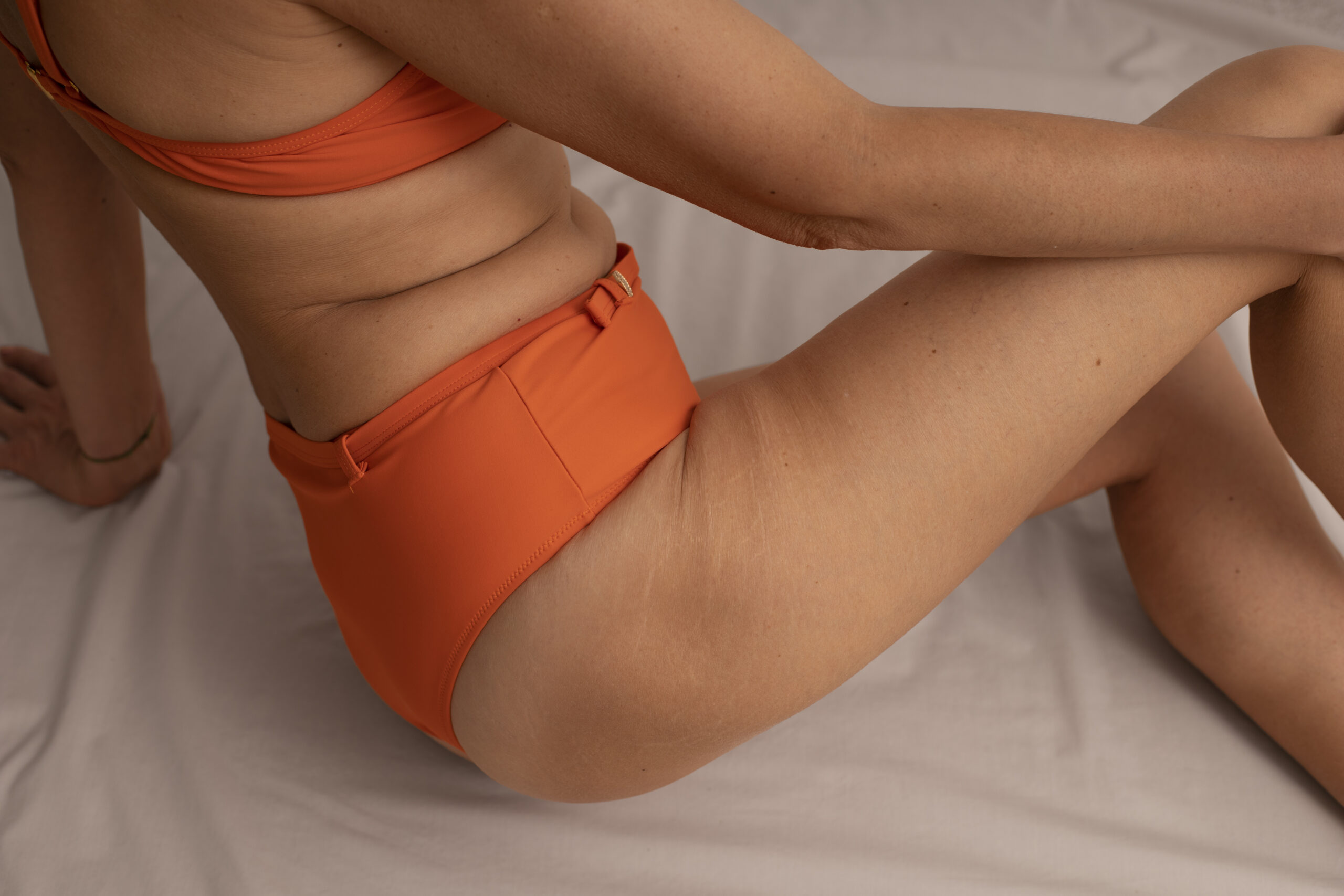
Why Does Cellulite Happen Even When You’re Not Overweight?
You can be slim, athletic, naturally petite or someone who exercises regularly — and still have cellulite.
Which is why cellulite can be so confusing.
You may eat well, stay active and maintain a healthy weight, then notice dimpling on your thighs, hips or buttocks and think:
“Wait. I thought cellulite was caused by being overweight?”
Not quite.
Cellulite is extremely common, and your weight is only one of several factors that can influence its appearance. In fact, people of all body types can have cellulite.
So, if cellulite is not simply a weight issue, what actually causes it?
What exactly is cellulite?
Cellulite is the dimpled or uneven appearance that can develop on the skin, most commonly around the:
- Thighs
- Buttocks
- Hips
- Abdomen
It occurs when the structures beneath the skin interact with fat tissue and connective tissue in a way that creates a puckered or uneven surface.
Think of the skin as sitting over several layers. Beneath it, fat cells can push upward while fibrous connective tissue bands pull the skin downwards.
This combination can create the familiar dimpled appearance associated with cellulite.
And it can happen at almost any body weight.
1. Genetics can play a major role
Sometimes, you can blame your family tree.
Genetics can influence several factors related to cellulite, including:
- Skin structure
- Collagen production
- Skin elasticity
- Fat distribution
- Metabolism
- Circulation
This means that someone who is naturally slim may still be genetically more likely to develop visible cellulite.
Meanwhile, someone with a higher body weight may have little visible cellulite.
Bodies, as usual, refuse to follow a simple formula.
2. Hormones can influence cellulite
Hormones may also play a role in how cellulite develops and appears.
Oestrogen, in particular, is thought to influence factors such as fat storage, blood flow and connective tissue.
This may help explain why cellulite is more common in women and why its appearance can change during different stages of life.
Hormonal fluctuations may also affect how fat is distributed and how the skin and connective tissues behave.
So, if your cellulite seems to change over time, your weight may not be the only factor involved.
3. The structure of connective tissue matters
One of the main reasons cellulite can appear even in slim people is the way connective tissue is structured.
The fibrous bands beneath the skin can pull downward in certain areas while fat pushes upwards.
The resulting unevenness can create dimpling.
This is also one reason why cellulite can sometimes become more visible when you pinch the skin or sit down, even if it is barely noticeable when you are standing.
Your skin is not necessarily “getting worse”.
You may simply be looking at it from a different angle.
4. Skin elasticity can affect how visible cellulite looks
The skin’s firmness and elasticity can influence the appearance of cellulite.
As we age, the body naturally produces less collagen and elastin. This can affect skin structure and make underlying dimpling more visible.
Changes in skin firmness can also occur after significant weight fluctuations.
This does not mean that cellulite suddenly appeared overnight. Sometimes, changes in the skin’s structure simply make something that was already there easier to see.
5. Weight is only one piece of the puzzle
Weight gain can sometimes make cellulite more noticeable, particularly when it increases the volume of fat beneath the skin.
However, losing weight does not guarantee that cellulite will disappear.
In some cases, weight loss may even make cellulite more visible if the skin becomes less firm or if the underlying structure remains unchanged.
This is why cellulite cannot be treated as simply a problem of “too much weight”.
You can lose weight and still have cellulite.
You can gain muscle and still have cellulite.
You can be a professional athlete and still have cellulite.
Cellulite did not get the memo that you are exercising.
Can exercise help with the appearance of cellulite?
Regular physical activity can support muscle tone, circulation and overall body composition.
Building muscle may also help create a more toned-looking appearance in certain areas.
However, exercise cannot completely change the underlying structure that contributes to cellulite.
This is why someone can have strong, toned muscles and still notice cellulite on the skin above them.
A healthy lifestyle can support your body, but it does not need to become a punishment for having normal skin.
Can treatments improve the appearance of cellulite?
There is no single treatment that works for every person or every type of cellulite.
The most suitable approach depends on factors such as:
- The location of the cellulite
- Skin laxity
- The amount of underlying fat
- Your body composition
- The appearance you want to improve
Depending on your individual needs, body contouring and aesthetic treatments may be considered as part of a personalised approach.
Treatments that focus on body contouring, fat reduction, skin tightening or improving the appearance of uneven skin texture may address different aspects of the concern.
For example, if stubborn fat is contributing to the overall contour of an area, a fat-reduction treatment such as CoolSculpting® may be considered. If the concern is more related to muscle tone and definition, a treatment such as Zimmer ZField may be considered as part of a different approach.
The key is understanding that cellulite, fat and skin laxity are not the same thing.
They may appear together, but they are not interchangeable.
Does losing weight get rid of cellulite?
Not necessarily.
If you are overweight, losing weight may reduce the amount of fat beneath the skin and potentially make cellulite less noticeable.
However, cellulite can remain even after weight loss because it is also influenced by genetics, hormones, skin elasticity and connective tissue structure.
This is why trying to lose weight solely to eliminate cellulite may lead to disappointment.
Your body can become healthier, fitter and stronger without becoming completely free of cellulite.
The bottom line: cellulite is not a measure of your weight
Cellulite can affect people of all shapes and sizes.
It is influenced by genetics, hormones, skin elasticity, connective tissue structure and fat distribution — not simply by how much you weigh.
So, if you have cellulite despite being slim or active, there is nothing unusual about your body.
And if the appearance of cellulite is something you would like to address, there are different treatment approaches that may help improve specific aspects of body contour and skin appearance.
But the presence of cellulite does not mean you are unhealthy, unfit or doing something wrong.
Sometimes, it simply means you have skin.
And unfortunately, skin has never been particularly interested in looking airbrushed in real life.