
 Cosmetic and Plastic Surgery
 Medico-Aesthetic Services
 Skin Laser Solutions
 Skin Solutions
 Slimming Solutions




About the Treatment
Our center employs highly qualified medical specialists of the first and highest qualification categories with work experience of at least 10 years.

 Downtime
 Consultation
 Men and Women
 Surgical Tretament
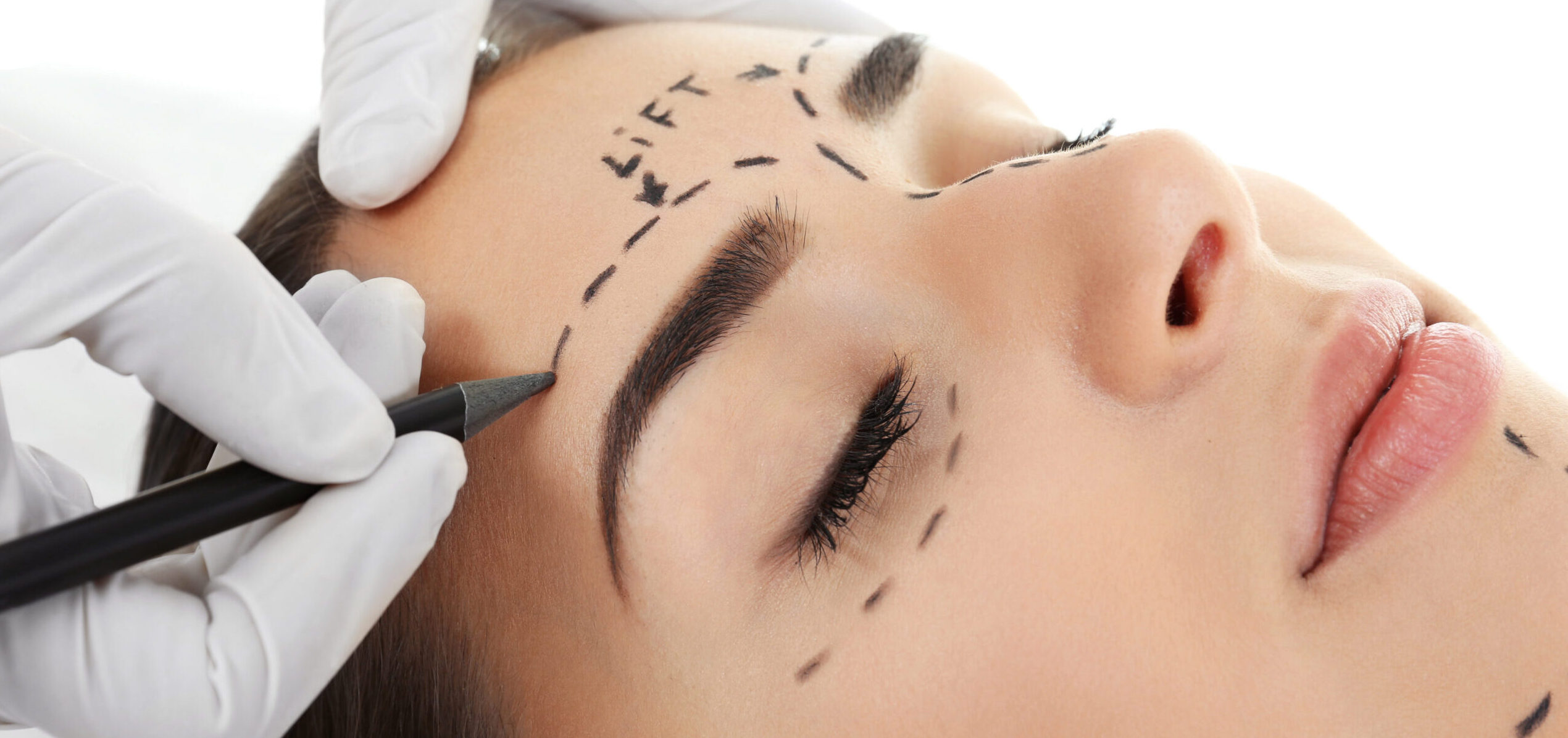
A facelift, also known as rhytidectomy, is a cosmetic surgical procedure designed to address visible signs of aging in the face and jawline. By lifting and repositioning underlying tissues and removing selected excess skin, it can help improve sagging contours, soften deeper folds, and create a firmer, more refreshed appearance.
GREEN FRIDAY OFFER: 30% OFF PLASTIC SURGERIES
How does it work?
As we age, the skin loses elasticity and the tissues beneath it gradually shift, contributing to sagging around the cheeks, jawline, and lower face.
Facelift surgery addresses these changes by repositioning underlying tissues and removing excess skin where appropriate. The surgical technique depends on your facial anatomy, the areas being treated, and the degree of correction desired.
Your surgeon will assess your features and discuss an approach that suits your goals, with realistic expectations about the results and recovery.
A fresh look starts beneath the surface.
What Can a Facelift Help Improve?
- Sagging cheeks: Improve the appearance of descended facial tissues.
- Deeper facial folds: Soften certain folds around the nose and mouth.
- Jawline definition: Reduce the appearance of jowls and improve lower-face contours.
- Loose skin: Remove selected excess skin for a firmer appearance.
- Lower-face aging: Create a more refreshed look by addressing changes in facial structure.
A facelift primarily targets the lower and middle portions of the face. It does not specifically treat forehead lines or eyelid concerns, although other procedures may be discussed if they align with your goals.

Lift the Signs of Aging
You don’t need a new face. Just a plan that feels right.
A facelift isn’t about erasing every line or chasing a particular age. It’s about addressing the changes that matter to you while respecting your natural features.
Results vary depending on your anatomy, skin quality, surgical technique, and healing. Although surgery can create long-lasting improvements, it cannot stop the natural aging process.
The goal is a refreshed appearance, not a promise to turn back time completely.
Book a Free Consultation

Frequently Asked Questions
All you need to know about this treatment.
Facelift surgery may suit people experiencing sagging facial tissues, jowls, or excess skin around the lower face and jawline. Candidates should generally be in good overall health, have realistic expectations, and understand the risks and recovery involved. A qualified plastic surgeon can assess your suitability.
The aim is to improve sagging and facial contours while respecting your natural features. Your outcome depends on your anatomy and the surgical approach. Discussing your goals clearly with your surgeon helps establish realistic expectations.
Results can last for years, but longevity varies between individuals. The natural aging process continues after surgery, and changes in skin quality, lifestyle, and other factors can affect how your face looks over time.
Recovery depends on the extent of surgery and your individual healing. Swelling, bruising, tightness, and temporary discomfort are common early on. Many people need a few weeks before returning to normal social activities, while residual swelling and the final appearance can take longer to settle. Your surgeon will provide a recovery plan tailored to you.
Here’s our treatment protocol:
Before your surgery:
- Discuss your medical history, medications, previous procedures, and goals with your surgeon.
- Follow instructions about smoking, medications, supplements, and preoperative preparation.
- Ask about incision placement, expected scarring, potential complications, and realistic outcomes.
- Arrange transport home and support during your initial recovery.
After your surgery:
- Follow your surgeon’s instructions for wound care, dressings, and keeping your head elevated.
- Expect some swelling, bruising, and tightness as your face heals.
- Avoid strenuous exercise and activities that may strain your incisions until you are cleared.
- Attend follow-up appointments so your medical team can monitor your recovery.
- Contact your medical team if you develop worsening pain, fever, unusual wound discharge, or increasing redness.
Seek urgent medical attention for sudden chest pain, shortness of breath, or other severe or unexpected symptoms.