
 Cosmetic and Plastic Surgery
 Medico-Aesthetic Services
 Skin Laser Solutions
 Skin Solutions
 Slimming Solutions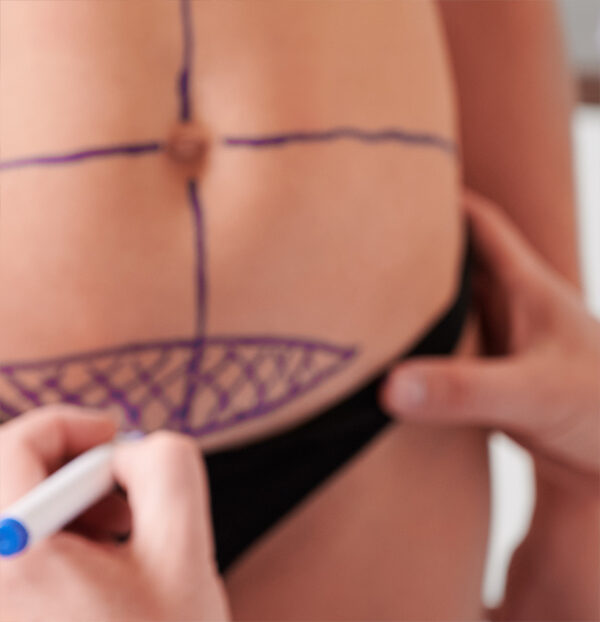




About the Treatment
Our center employs highly qualified medical specialists of the first and highest qualification categories with work experience of at least 10 years.

 Downtime
 Consultation
 Men and Women
 Surgical Tretament
Sometimes, it’s not about changing everything. It’s about moving things in the right direction.
Fat transfer is a cosmetic surgery procedure that uses fat from one area of your body to add volume or improve contours in another. By combining fat removal with fat grafting, it can help refine proportions while using your own tissue.
GREEN FRIDAY OFFER: 30% OFF PLASTIC SURGERIES
How does it work?
Think of it as a two-part approach to body contouring. First, fat is gently removed from a suitable donor area, such as the abdomen or thighs, using liposuction. It’s then processed to separate the fat cells before being carefully transferred to the area being enhanced.
The goal? To create a more balanced appearance by reducing fullness in one area and adding volume where it’s wanted. Your treatment plan depends on your anatomy, the areas involved, and the results that may realistically be achieved.
One area gives. Another gains.
Where Can Fat Transfer Make a Difference?
Fat transfer may be used for different cosmetic goals, depending on your suitability:
- Face: Restore selected areas of lost volume and soften certain contours.
- Breasts: Add volume or improve contour in suitable candidates.
- Buttocks: Enhance shape and volume through a carefully planned procedure.
- Other areas: Address selected volume deficiencies or contour irregularities.
Every area requires a different approach, and not everyone is a suitable candidate for every type of fat transfer.

A little shift. A different silhouette.
Not added. Redistributed.
Fat transfer makes use of your own fat to create changes in another area. But natural doesn’t mean predictable. Some transferred fat is reabsorbed by the body, and final results vary from person to person.
Your surgeon will explain what to expect, the potential risks, and whether additional treatment may be needed.
Book a Free Consultation

Frequently Asked Questions
All you need to know about this treatment.
Not quite. Liposuction removes fat from selected areas, while fat transfer uses some of that fat to add volume elsewhere. Both techniques may be part of the same procedure.
Some transferred fat may be reabsorbed during the first few months. Fat that survives the transfer can remain long-term, although results vary and can change with weight fluctuations.
No. It’s designed to refine contours, not replace weight loss. Candidates are generally assessed for stable weight and sufficient donor fat.
Not necessarily. Your health, available donor fat, goals, and treatment area all matter. A qualified plastic surgeon will assess your suitability and discuss the procedure’s benefits and risks.
Here’s our treatment protocol:
Before your procedure:
- Discuss your goals, medical history, and suitability during your consultation.
- Follow your surgeon’s instructions about medications, supplements, and smoking.
- Understand the expected results, possible complications, and recovery requirements.
- Arrange transport and support for your initial recovery, as advised.
After your procedure:
- Expect some swelling, bruising, or tenderness in the treated areas.
- Follow instructions for wound care, compression garments, positioning, and activity restrictions.
- Avoid strenuous activity until your surgeon clears you.
- Attend follow-up appointments to monitor your healing and results.
Every recovery is different. Give your body the time it needs.