

 Cosmetic and Plastic Surgery
 Medico-Aesthetic Services
 Skin Laser Solutions
 Skin Solutions
 Slimming Solutions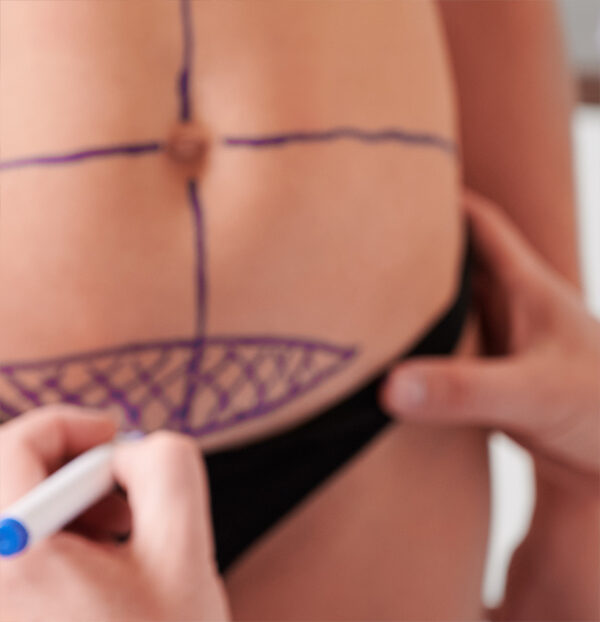



About the Treatment
Our center employs highly qualified medical specialists of the first and highest qualification categories with work experience of at least 10 years.

 Minimal downtime
 Consultation
 Men and Women
 State-of-the-art-machines
A mole you’ve never really liked. One that catches on your necklace. Or a little spot you’d simply rather not have there.
Whatever brings you in, mole removal starts with understanding what we’re treating. At Silkor, our medical team assesses the mole and recommends an appropriate removal method based on its appearance, location, and medical considerations.
This Green Friday, explore your options with 25% OFF on Mole Removal treatment.
How does it work?
Moles are common skin growths that develop when pigment-producing cells cluster together. Many are harmless, but not every mole should be removed for cosmetic reasons without first being examined.
Depending on the mole and your doctor’s assessment, removal may involve a minor procedure such as surgical excision or another suitable technique. If there is any concern about the mole’s appearance, your doctor may recommend sending the removed tissue for laboratory analysis.
A small spot. A very personal decision.
Cosmetic Concern or Something More?
Sometimes, the reason for removal is straightforward: a mole is in an inconvenient spot, gets irritated, or simply bothers you aesthetically. But if a mole changes in size, shape, or colour—or starts itching or bleeding—it deserves medical attention rather than just a cosmetic appointment.
At Silkor, the first step is a professional assessment to help determine the safest next move. Because when it comes to your skin, knowing what you’re dealing with matters just as much as deciding what to do about it.

Look closer. Ask questions. Make an informed choice.
What Can Mole Removal Address?
Mole removal may be considered when a mole:
- Keeps getting irritated: For example, from shaving, clothing, or jewellery.
- Is a cosmetic concern: When its appearance bothers you and removal is medically appropriate.
- Needs further examination: If a doctor identifies features that require investigation or laboratory analysis.
- Is in an inconvenient location: Where everyday friction or contact makes it uncomfortable.
Not every mole is suitable for every removal method, and removal may leave a scar or change the appearance of the surrounding skin. Your doctor will discuss the likely outcome before proceeding.
Book a Free Consultation

Frequently Asked Questions
All you need to know about this treatment.
Many moles can be removed, but the appropriate method depends on their type, location, and appearance. Some require a medical assessment or biopsy before a cosmetic approach can be considered.
The procedure depends on the removal method. Minor surgical removal is commonly performed using local anaesthesia, so you may feel pressure but should have reduced pain during the procedure. Some tenderness afterward is possible.
It can. The likelihood and appearance of scarring depend on the mole’s size, depth, location, removal method, and your healing process. Your doctor can explain what to expect for your particular case.
A new or changing mole should be assessed by a healthcare professional before removal. Watch for changes in size, shape, or colour, as well as itching or bleeding. Don’t delay an assessment just to book a cosmetic procedure.
Here’s our treatment protocol:
Before Your Treatment
- Attend a medical consultation so your mole can be examined.
- Tell your doctor about your medical history, allergies, medications, and any previous skin procedures.
- Follow the preparation instructions provided by your medical team.
- If the mole has recently changed, become painful, or started bleeding, mention this during your consultation.
After Your Treatment
- Keep the area clean and follow your doctor’s wound-care instructions.
- Change dressings as advised and avoid picking at scabs or disturbing stitches.
- Protect the healing area from excessive sun exposure and follow your doctor’s advice on sunscreen.
- Attend any recommended follow-up appointments and ask whether the tissue will be sent for laboratory analysis.
- Contact your medical team if you notice increasing redness, swelling, worsening pain, pus, or fever.
Your aftercare will depend on the removal method and the size and location of the treated area.

