
 Cosmetic and Plastic Surgery
 Medico-Aesthetic Services
 Skin Laser Solutions
 Skin Solutions
 Slimming Solutions




About the Treatment
Our center employs highly qualified medical specialists of the first and highest qualification categories with work experience of at least 10 years.

 No downtime
 Consultation
 Men and Women
 Non-invasive
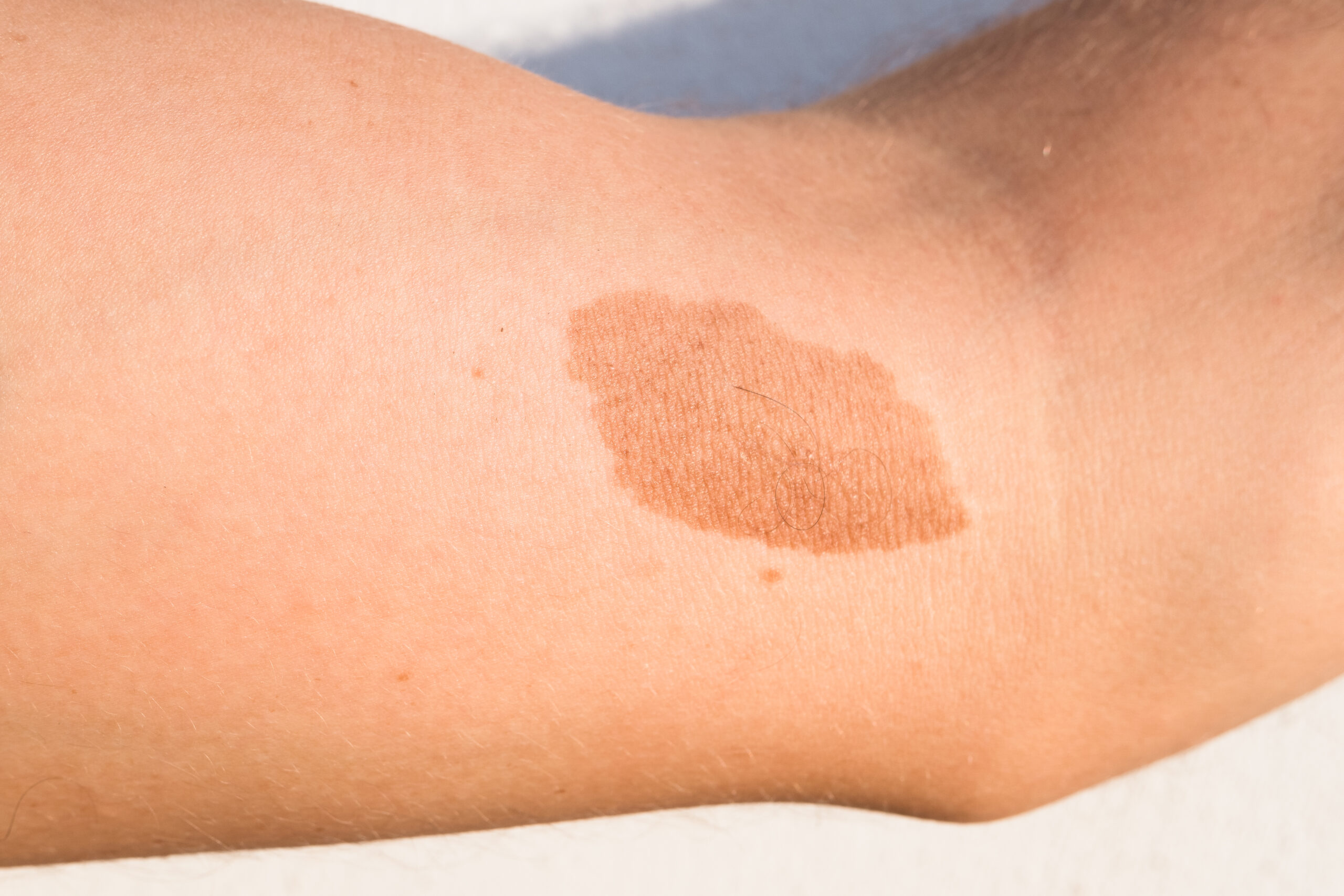
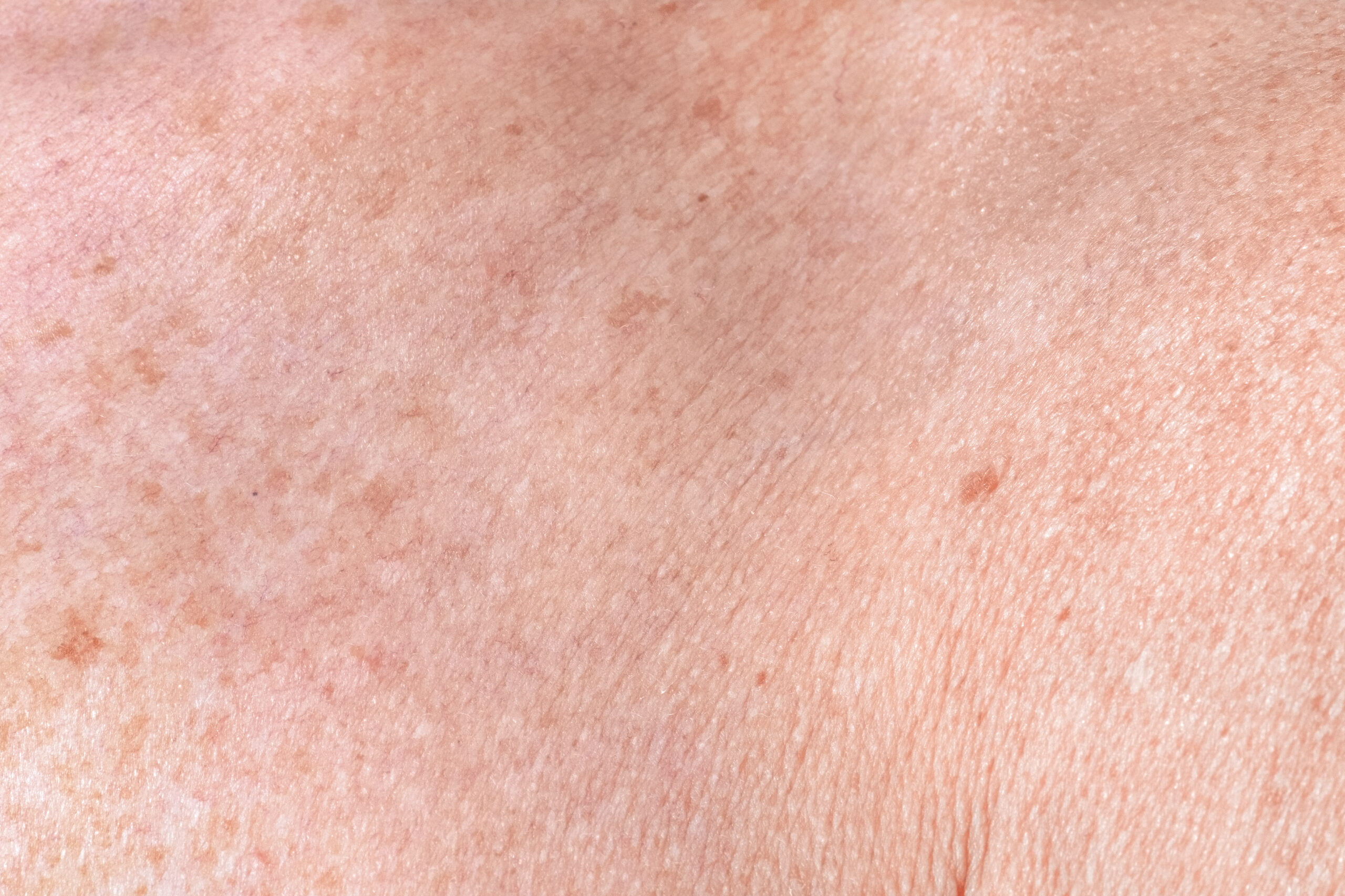
Sunspots, uneven patches, and stubborn dark marks can make your skin tone look less even than you’d like. Pigmentation Laser uses targeted light energy to address selected areas of excess pigment, helping improve the appearance of discoloration and reveal a more even-looking complexion over time.
Your skin has its own story. Let’s work on the parts you’d like to change.
And this Green Friday, your journey toward a more even-looking complexion comes with Buy 2 Get 2 offer on Pigmentation Laser.
How does it work?
Pigmentation occurs when melanin, the pigment responsible for skin colour, builds up in certain areas. Depending on the type and depth of pigmentation, a suitable laser may target pigment in the skin, helping the body gradually clear the treated particles.
But here’s the important part: not all pigmentation is the same. Sunspots, post-acne marks, and melasma can respond differently to laser treatment. Your practitioner needs to identify the concern and choose the appropriate approach for your skin.
Same skin. More even-looking tone.
What Can Pigmentation Laser Help Address?
Sunspots and age spots. Target certain sun-related brown spots that develop over time.
Uneven skin tone. Help improve the appearance of selected areas of excess pigmentation.
Post-acne marks. Explore treatment options for lingering dark marks left behind after breakouts, depending on their cause and your skin type.
Selected areas of discoloration. Address suitable pigment-related concerns following a professional skin assessment.
Results depend on the type, depth, and cause of the pigmentation. Some conditions, including melasma, can be particularly persistent and may require a combination of treatments rather than laser alone.

We don’t just fade the marks left behind; we invite your skin’s natural brilliance to step out of the shadows.
The Treatment Process
01. Identify the Concern
Your practitioner assesses the pigmentation, your skin tone, medical history, and any previous treatments to determine whether laser is appropriate.
02. Target the Pigment
If suitable, the selected laser delivers controlled energy to the targeted areas. You may feel brief snapping or warmth, depending on the technology used.
03. Let Your Skin Respond
The treated pigment may gradually change in appearance as your skin heals. Depending on the treatment, temporary redness, darkening of the spots, or crusting may occur.
Book a Free Consultation

Frequently Asked Questions
All you need to know about this treatment.
It depends on the type and depth of pigmentation, the laser used, and your skin’s response. Some concerns may improve after a session, while others require several treatments or a different approach altogether.
You may feel brief snapping, warmth, or mild discomfort during treatment. Sensations and recovery vary depending on the technology and the area being treated.
Yes. Sun exposure, hormonal influences, and other triggers can cause pigmentation to return or new spots to develop. Following your aftercare plan and using sunscreen consistently are important parts of maintaining results.
Not every laser or setting is suitable for every skin tone. Some skin types have a higher risk of developing darker or lighter patches after treatment. A qualified practitioner should assess your skin and select the safest appropriate approach.
Here’s our treatment protocol:
Before Your Session
- Avoid tanning and excessive sun exposure, and follow your practitioner’s instructions about sun protection.
- Tell your practitioner about medications, skincare products, recent procedures, and any history of pigmentation or scarring.
- Disclose if you have a history of cold sores, particularly if the planned treatment is around the mouth.
- Follow the clinic’s preparation instructions and arrive with the treatment area clean.
- Ask which laser technology will be used and what results and recovery you can realistically expect.
After Your Session
- Apply broad-spectrum sunscreen with at least SPF 30 daily, or the higher SPF recommended by your practitioner, and reapply as directed.
- Avoid direct sun exposure and tanning while your skin recovers.
- Do not pick, scratch, or peel any treated spots or crusting.
- Avoid exfoliating acids, retinoids, and other potentially irritating products until your practitioner advises that it is safe to resume them.
- Follow all aftercare instructions and contact your practitioner if you notice blistering, worsening pain, or unexpected skin changes.