
 Cosmetic and Plastic Surgery
 Medico-Aesthetic Services
 Skin Laser Solutions
 Skin Solutions
 Slimming Solutions



About the Treatment
Our center employs highly qualified medical specialists of the first and highest qualification categories with work experience of at least 10 years.

 Minimal downtime
 Medical treatment
 Men and Women
 Minimally invasive
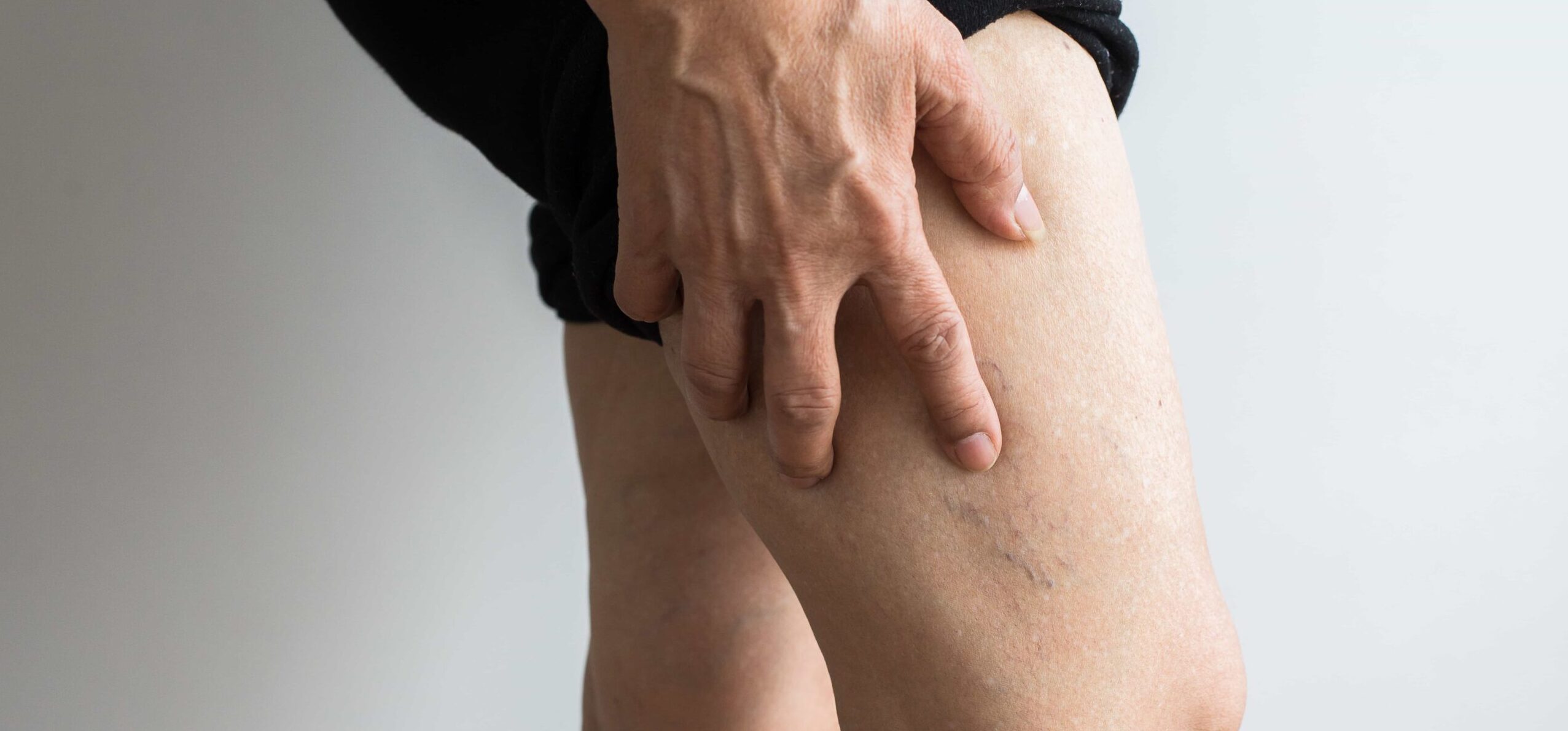
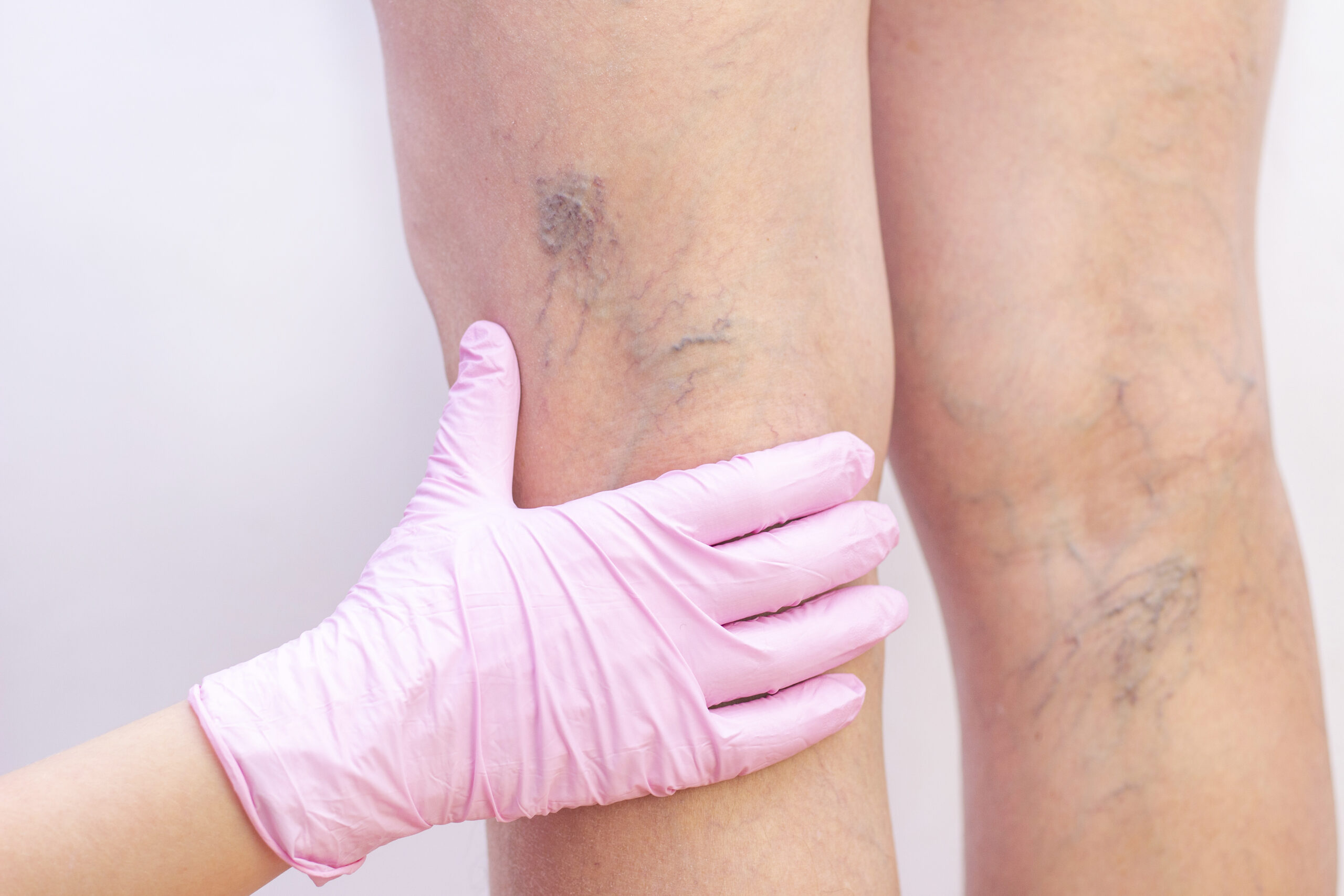
Visible varicose veins aren’t always just a cosmetic concern. They can also come with aching, heaviness, swelling, or discomfort that affects your day-to-day life.
Vein ablation is a minimally invasive treatment used to close selected veins that aren’t functioning properly, helping redirect blood flow through healthier veins. The right approach depends on the veins involved and a specialist’s assessment.
Because feeling better starts with understanding what’s going on.
And this Green Friday, take the first step toward addressing your vein concerns with 25% OFF on vein ablation treatment.
How does it work?
Healthy veins help carry blood back toward the heart. When the valves inside certain veins don’t work properly, blood can flow backward and collect, contributing to enlarged, twisted varicose veins.
Vein ablation treats selected problem veins by closing them. Depending on the technique used, this may involve heat delivered through a catheter using laser or radiofrequency energy. Blood then reroutes through other functioning veins.
Treat the cause. Support healthier circulation.
When Might Vein Ablation Be Considered?
Visible varicose veins. Address selected enlarged veins that have been assessed as suitable for ablation.
Leg heaviness or aching. Explore treatment options when symptoms may be related to problematic veins.
Swelling or discomfort. Seek a proper assessment to determine whether venous disease may be contributing to your symptoms.
When conservative measures aren’t enough. A specialist can help determine whether a procedure or another treatment option is appropriate for your condition.
Not every visible vein requires ablation, and not every leg symptom is caused by varicose veins. A medical assessment is essential before deciding on treatment.

A targeted procedure. A plan built around your veins.
What to Expect
01. Start With an Assessment
Your specialist examines your legs and may recommend a duplex ultrasound to evaluate blood flow and identify the veins involved.
02. Treat the Problem Vein
If ablation is appropriate, the selected vein is closed using the chosen technique. For endovenous thermal ablation, a thin catheter is guided into the vein, usually with ultrasound assistance, and energy is delivered to close it.
03. Get Moving Again
Many vein ablation procedures are performed without an overnight hospital stay. Your recovery plan may include walking soon after treatment and wearing compression stockings if recommended.
Book a Free Consultation

Frequently Asked Questions
All you need to know about this treatment.
Local anaesthesia is commonly used for thermal ablation. You may feel some pressure during the procedure, followed by temporary soreness, bruising, or tightness as the area heals.
Recovery depends on the technique used and your individual circumstances. Many people return to light daily activities relatively quickly, but your specialist will advise you on exercise, work, driving, and when to resume your usual routine.
Not necessarily. The procedure targets selected veins, and other visible veins may remain or require a separate treatment. The main goal is to treat the identified problem vein and address the relevant symptoms; cosmetic improvement may also occur.
Yes. Treatment closes the targeted vein, but new varicose veins can develop over time. Follow-up and ongoing advice from your specialist can help you manage your vein health.
Here’s our treatment protocol:
Before Your Appointment
- Share your medical history, current medications, previous vein treatments, and any history of blood clots.
- Tell your specialist if you are pregnant, have a bleeding disorder, or have other conditions that may affect treatment planning.
- Ask whether you need an ultrasound and what it will help determine.
- Follow the clinic’s instructions about eating, drinking, medications, compression garments, and transport to and from your appointment.
After Your Appointment
- Follow your specialist’s instructions on walking, activity, compression stockings, and follow-up.
- Some bruising, tenderness, tightness, or localised discomfort may occur during recovery.
- Avoid prolonged inactivity and return to exercise according to your specialist’s guidance.
- Contact your medical team if you develop worsening pain, redness, or swelling.
- Seek urgent medical attention for sudden chest pain, difficulty breathing, or sudden significant leg swelling or pain, as these may indicate a serious complication.