

 Cosmetic and Plastic Surgery
 Medico-Aesthetic Services
 Skin Laser Solutions
 Skin Solutions
 Slimming Solutions





Acne Scars: Types, Causes, & Common Treatments
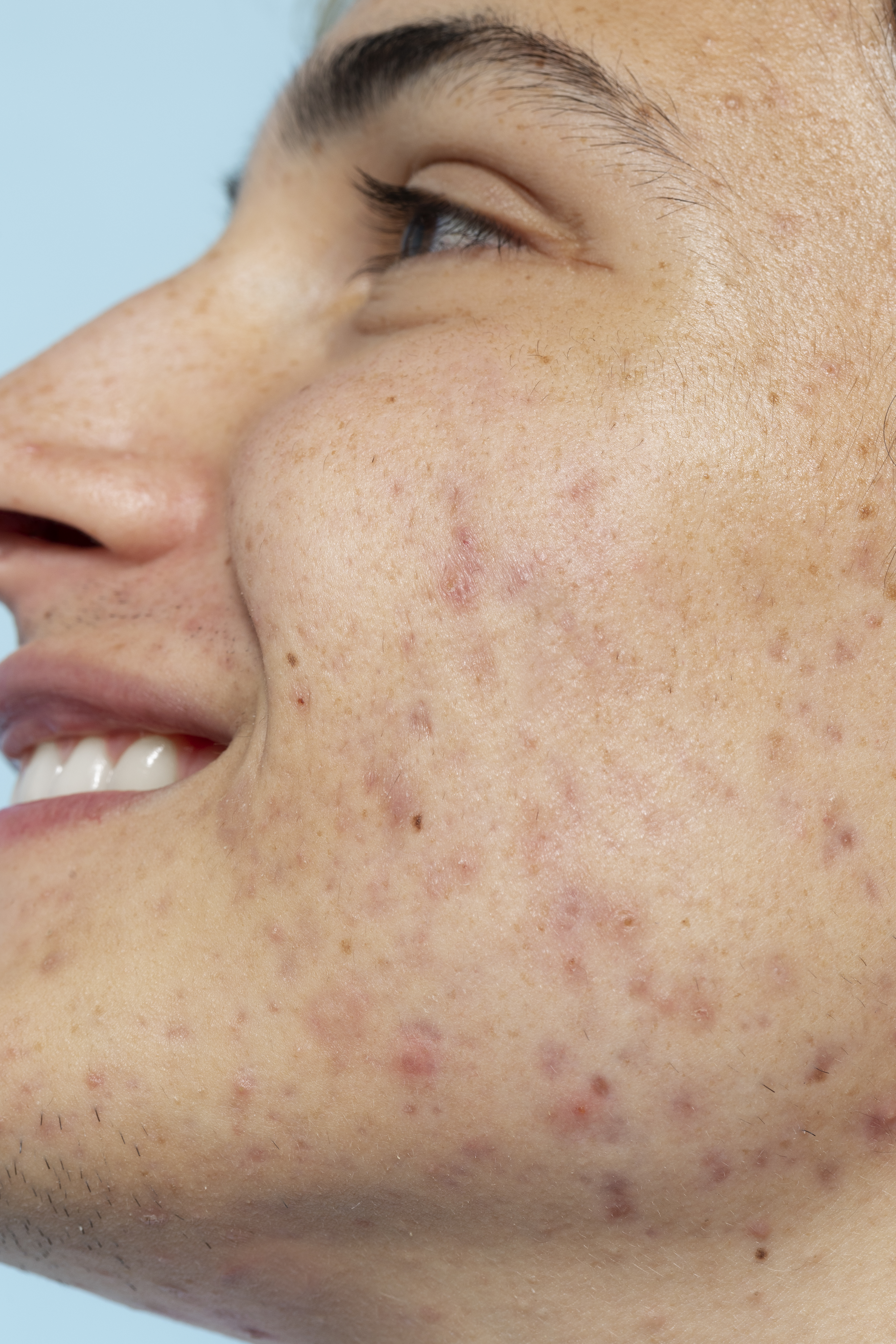
The Real Tea on Acne Scars: What They Are & How to Spot the Type You Have
We’ve all been there — you finally win the war against a breakout, only to find… souvenirs. Tiny dents, shadowy patches, or textured skin that wasn’t there before. Yep, acne may leave, but its scars? They like to hang around like that one friend who “forgets” to go home after the party.
But here’s the thing: not all acne scars are the same. Knowing which type you have is step one to actually treating them — because your skin deserves more than “just exfoliate.” Let’s break them down.
1. Ice Pick Scars: The Deep and Dramatic Ones
Picture this: tiny but fierce holes that look like someone poked your skin with a pin. Ice pick scars are narrow, deep, and the hardest to ignore — kind of like that song you can’t get out of your head.
Why they happen: When severe acne digs deep into your skin, it damages the tissue and leaves a narrow pit behind.
Common fix: Treatments like microneedling, chemical peels, or even laser resurfacing are the go-tos here.
2. Boxcar Scars: The Sharp-Edged Ones
Imagine little square craters on your skin — not cute, I know. Boxcar scars are broad with sharp edges, making your skin look uneven under certain lighting (hello, unflattering selfies).
Why they happen: Collagen loss after inflammation leaves the skin without support, causing those defined dips.
Common fix: Dermal fillers, microneedling, fractional lasers — basically, anything that helps your skin rebuild collagen.
3. Rolling Scars: The Soft and Wavy Ones
If your skin’s texture looks more “rolling hills” than “smooth glass,” you might have rolling scars. They’re wide, shallow, and give the skin a wavy appearance.
Why they happen: Fibrous bands form under the skin, pulling it down in certain areas.
Common fix: Subcision (a fancy way of cutting those bands loose), microneedling, or fractional CO₂ laser.
4. Hypertrophic Scars: The Overachievers
These scars are like that one plant in your garden that grows too much. Instead of leaving a dent, they go the opposite route and create a raised, thick patch on your skin.
Why they happen: The skin goes into overdrive making collagen during healing, creating a bumpy texture.
Common fix: Steroid injections, silicone sheets, or laser treatments can help flatten them.
5. Post-Inflammatory Hyperpigmentation (PIH): The Shadow That Won’t Leave
Technically, PIH isn’t a scar, but it might as well be for how much it overstays its welcome. It’s that dark mark left after a pimple, especially common in medium to dark skin tones.
Why they happen: Your skin produces extra melanin in response to inflammation.
Common fix: Sunscreen (your new BFF), chemical exfoliants like AHAs and BHAs, vitamin C serums, and professional treatments like chemical peels or laser.
Know It to Treat It
Acne scars don’t look the same on everyone. Once you figure out which type you’re dealing with, you (or a skin expert) can pick a targeted treatment plan and start working towards skin that feels like you again.
And hey, remember: scars or no scars, your skin is still doing its best. Be patient with it, invest in the right treatments, and give it the love it deserves.