

 Cosmetic and Plastic Surgery
 Medico-Aesthetic Services
 Skin Laser Solutions
 Skin Solutions
 Slimming Solutions




Manual Lymphatic Drainage vs Pressotherapy for Lipedema Relief
Manual Lymphatic Drainage vs Pressotherapy for Lipedema: Which Works Better?
If you’ve been dealing with lipedema for a while, chances are you’ve already Googled approximately seventeen different things at 2 AM trying to figure out why your legs feel heavy, swollen, painful, or constantly inflamed.
And somewhere along the way, you’ve probably come across two of the most talked-about treatments for lipedema support:
manual lymphatic drainage and pressotherapy.
So naturally, the question becomes:
Which one actually works better?
The short answer?
Both can help — but in different ways.
The better option often depends on your lifestyle, comfort level, consistency, and what your body responds to best. But lately, more and more people with lipedema are leaning toward pressotherapy treatments because they’re efficient, relaxing, less physically demanding, and honestly… kind of comforting.
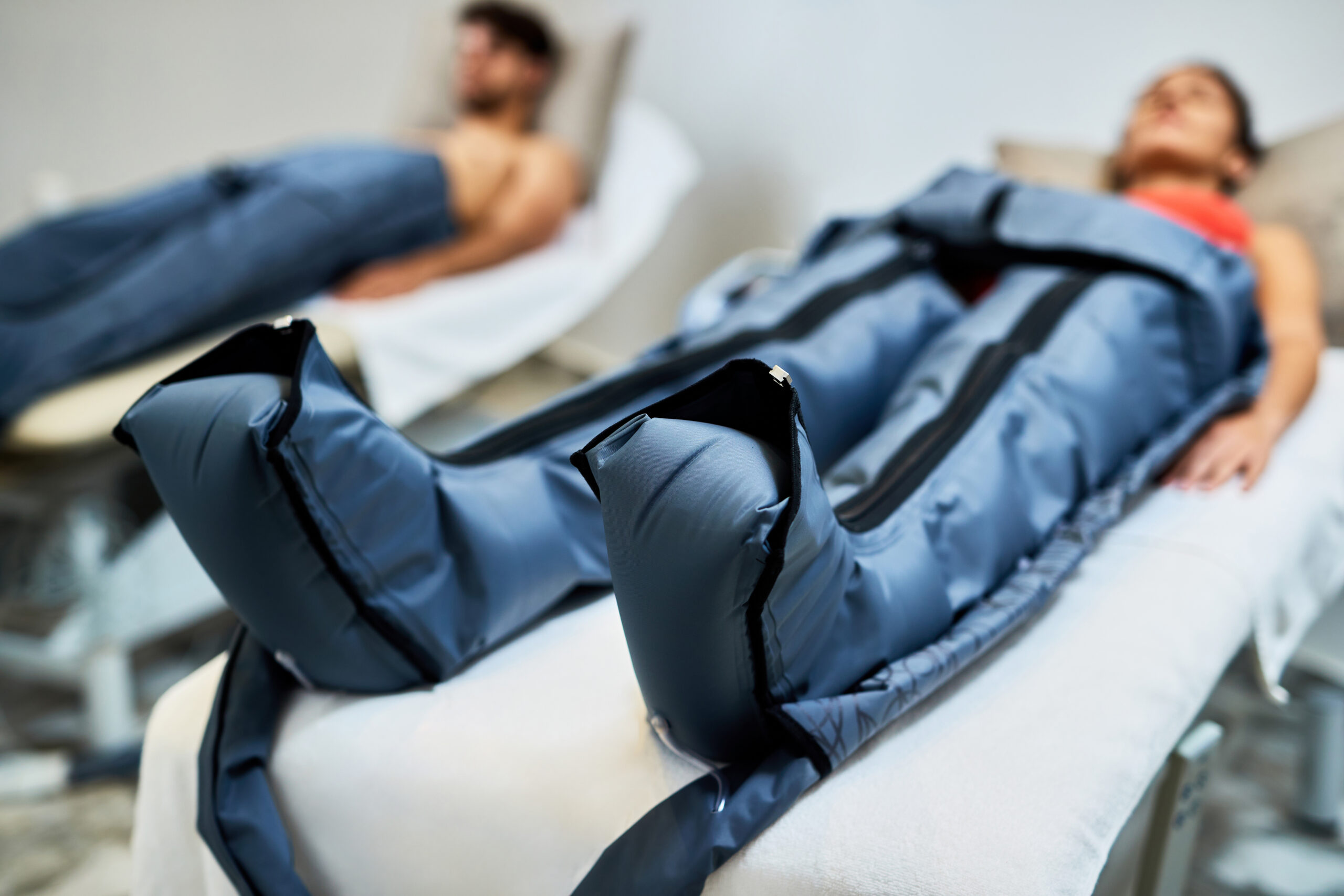
Yes, we’re talking about the giant air-compression suit that makes you feel like your legs are finally exhaling.
First Things First: What Is Lipedema?
Lipedema is a chronic condition that causes an abnormal buildup of fat, most commonly in the legs, thighs, hips, and sometimes the arms.
But unlike regular fat, lipedema tissue behaves differently.
It can feel:
- painful
- tender to touch
- swollen
- heavy
- resistant to diet and exercise
Many people with lipedema also experience fluid retention, inflammation, poor circulation, and a constant feeling of pressure or heaviness in the body.
And unfortunately, because lipedema is still widely misunderstood, many women spend years being told to simply “lose weight” before realizing there’s an actual medical condition involved.
That’s why supportive treatments that improve lymphatic circulation and reduce discomfort can make a huge difference in daily life.
What Is Manual Lymphatic Drainage?
Manual lymphatic drainage (MLD) is a specialized massage technique designed to stimulate lymph flow and reduce fluid buildup in the body.
A trained therapist uses gentle, rhythmic movements to encourage the lymphatic system to move excess fluid more efficiently.
Many people with lipedema love manual drainage because it feels personalized and hands-on. It can help temporarily reduce:
- swelling
- heaviness
- fluid retention
- tightness
- discomfort
And for some people, that human touch aspect feels incredibly soothing.
But there’s also one thing many clients quietly admit:
manual drainage can sometimes feel time-consuming, physically tiring to schedule regularly, and highly dependent on therapist technique and consistency.
So… What Makes Pressotherapy Different?
Pressotherapy takes the idea of lymphatic drainage and gives it a modern, technology-based upgrade.
Instead of using hands, the treatment uses controlled air pressure through inflatable compression garments wrapped around the legs, arms, or abdomen.
Also, the experience is surprisingly relaxing.
You slip into what basically feels like a giant compression cocoon, and the machine gently inflates and deflates in rhythmic sequences, helping stimulate lymphatic flow and circulation throughout the body.
It’s one of those treatments where people walk in curious and walk out saying:
“Wait… why do my legs suddenly feel lighter?”
Pressotherapy for Lipedema: Why So Many People Love It
To be clear: pressotherapy is not a “cure” for lipedema.
But it can be an incredibly supportive treatment for managing symptoms and improving comfort — especially when done consistently.
Many people choose pressotherapy for lipedema because it may help:
- reduce water retention
- improve lymphatic drainage
- decrease feelings of heaviness
- support circulation
- temporarily reduce swelling
- promote relaxation
- ease discomfort in the legs
And one of the biggest advantages?
Consistency becomes easier.
Unlike manual drainage, pressotherapy sessions are often quicker, more accessible to fit into busy schedules, and feel less physically demanding overall.
Which matters more than people think, because with lipedema, regular maintenance and circulation support can make a real difference over time.
The Relaxation Factor Nobody Talks About Enough
Can we also talk about how calming pressotherapy feels?
Because people expect it to feel “medical,” but many end up treating it like self-care.
You lie down.
The compression rhythm starts.
Your legs stop feeling so tense.
Your body feels lighter instead of inflamed and overstimulated for once.
It’s almost like your circulation is finally getting help instead of fighting for its life all day.
And honestly, for people constantly dealing with heaviness and discomfort, that feeling alone can be worth it.
So Which Is Better for Lipedema: Manual Drainage or Pressotherapy?
Truthfully? There’s no universal winner.
Manual lymphatic drainage can feel deeply personalized and effective for certain people, especially in complex or advanced cases where hands-on care is preferred.
But for many people looking for a more convenient, comfortable, and consistent solution, pressotherapy has become a favourite option — especially for maintaining circulation support regularly without the physical intensity of manual sessions.
In many cases, the two treatments can even complement each other beautifully.
The real goal isn’t choosing the “trendier” option.
It’s finding the treatment your body responds to, your schedule allows, and your nervous system actually enjoys enough to stay consistent with.
Because when you’re managing lipedema, comfort matters too.
Lipedema Deserves More Than “Just Live With It”
One of the hardest parts about lipedema is how often people are taught to tolerate the discomfort instead of support it.
The heaviness.
The swelling.
The inflammation.
The frustration of feeling uncomfortable in your own body.
But supportive treatments like pressotherapy and lymphatic drainage remind people something important:
you don’t have to simply sit with discomfort all the time.
Sometimes relief looks like medical care.
Sometimes it looks like circulation support.
And sometimes it looks like climbing into a giant air-pressure suit that somehow makes your entire body feel less heavy afterward.