

 Cosmetic and Plastic Surgery
 Medico-Aesthetic Services
 Skin Laser Solutions
 Skin Solutions
 Slimming Solutions






Pilonidal Cyst Surgery: What to Expect Before, During, and After

Pilonidal Cyst Surgery: What to Expect Before, During, and After
If you’ve been dealing with a pilonidal cyst that keeps coming back, becomes infected, or causes persistent pain, your doctor may recommend surgery.
And naturally, once you hear the word “surgery,” the questions start: What actually happens? Will it hurt? How long will recovery take? When can I sit normally again? And what can I do to prevent the cyst from coming back?
While every procedure and recovery is different, understanding what to expect can make the process feel much less intimidating.
Here’s what the journey can look like, from your first consultation to recovery.
When Is Pilonidal Cyst Surgery Recommended?
Not every pilonidal cyst requires surgery.
If a cyst isn’t causing symptoms or is a one-time, uncomplicated problem, your doctor may recommend monitoring it and focusing on hygiene and other conservative measures.
Surgery may be considered when you have:
- Recurrent pilonidal cysts
- Repeated infections or abscesses
- Persistent drainage
- Chronic pain or discomfort
- Sinus tracts that don’t heal
- A cyst that continues to interfere with everyday activities
Your doctor will assess the cyst and your medical history before recommending the most appropriate treatment.
Before Surgery: What Happens at the Consultation?
The process starts with an assessment.
Your doctor will examine the affected area and ask about your symptoms, previous infections, drainage, pain, and whether you’ve had pilonidal cysts before.
They may also discuss your treatment options and explain what type of procedure may be appropriate for you.
This is also the time to ask questions. You may want to know:
- What type of procedure will I have?
- What type of anesthesia will be used?
- Will the wound be closed or left open to heal?
- How long should I expect to recover?
- When can I return to work or exercise?
- What should I do to reduce the risk of recurrence?
Understanding the plan beforehand can help you know what to expect and prepare for recovery.
How Do You Prepare for Pilonidal Cyst Surgery?
Your doctor will give you specific instructions based on the procedure you’re having.
These may include instructions about eating and drinking before anesthesia, medications you’re taking, and how to prepare for the day of surgery.
You may also want to arrange transportation home if your procedure involves anesthesia and plan for some downtime afterward.
Most importantly, follow the instructions given by your surgical team rather than relying on general advice found online.
What Happens During Pilonidal Cyst Surgery?
The exact procedure depends on the type and severity of your pilonidal disease.
In general, surgery involves removing the cyst and any associated sinus tracts or affected tissue.
Depending on the surgical approach, the wound may be closed with stitches or left partially or completely open to heal gradually.
Some procedures also involve moving nearby tissue to cover the area and reduce tension on the wound.
The goal isn’t simply to remove a visible lump. Your surgeon is treating the underlying pilonidal disease and choosing an approach based on your individual condition.
Will Pilonidal Cyst Surgery Hurt?
Some discomfort is expected after surgery, but the level of pain varies depending on the procedure and the individual.
Your medical team can recommend appropriate pain management and give you instructions for caring for the surgical site.
You may also find certain movements or positions uncomfortable during the early stages of recovery, particularly sitting for long periods.
Following your surgeon’s instructions can help support healing and reduce complications.
What Is Recovery Like After Surgery?
Recovery can look different from one person to another.
Your doctor will give you specific instructions based on the surgical technique used and how your wound is healing.
Depending on your procedure, recovery may involve:
- Keeping the surgical area clean
- Following specific wound-care instructions
- Changing dressings as advised
- Avoiding prolonged pressure on the area
- Gradually returning to normal activity
- Attending follow-up appointments
- Watching for signs of infection or wound complications
You may be able to walk relatively soon after surgery, but activities such as intense exercise, cycling, or prolonged sitting may need to wait until your doctor confirms that it is safe.
When Can You Go Back to Work?
There’s no single timeline that applies to everyone.
Your return to work will depend on the procedure, your recovery, the type of work you do, and your doctor’s advice.
Someone with a desk job may need to think about how long they can comfortably sit, while someone with a physically demanding job may need more time before returning to normal duties.
The important thing is not to rush the healing process just because you feel better.
What About Showering and Hygiene?
Keeping the area clean is an important part of recovery, but your wound-care instructions should always come first.
Your surgeon will tell you when and how you can shower, whether you need to use dressings, and how to care for the wound.
Avoid applying products to the surgical site unless your medical team has specifically recommended them.
What Are the Warning Signs After Surgery?
Some discomfort, swelling, or drainage can be expected during healing. However, certain symptoms may require medical attention.
Contact your doctor if you notice:
- Increasing rather than improving pain
- Significant swelling or redness
- Pus or worsening drainage
- Fever
- A foul smell from the wound
- Bleeding that doesn’t stop
- The wound opening unexpectedly
- Any other symptom that concerns you
When in doubt, it’s better to check with your surgical team.
Can a Pilonidal Cyst Come Back After Surgery?
Yes. Unfortunately, surgery doesn’t guarantee that pilonidal disease will never return.
Recurrence can depend on several factors, including the individual’s condition, the surgical approach, wound healing, and ongoing risk factors.
That’s why long-term care matters even after the cyst has been removed.
Your doctor may recommend keeping the area clean, managing excess hair, and following other measures designed to reduce the risk of recurrence.
Why Is Hair Removal Sometimes Recommended After Surgery?
Hair can play a role in pilonidal disease because loose hairs can become trapped in the skin around the buttocks cleft.
For some patients, reducing hair in the area may therefore be part of a strategy to help reduce recurrence.
There are several ways to remove hair, including shaving and other temporary methods. However, repeated shaving can sometimes cause irritation or ingrown hairs.
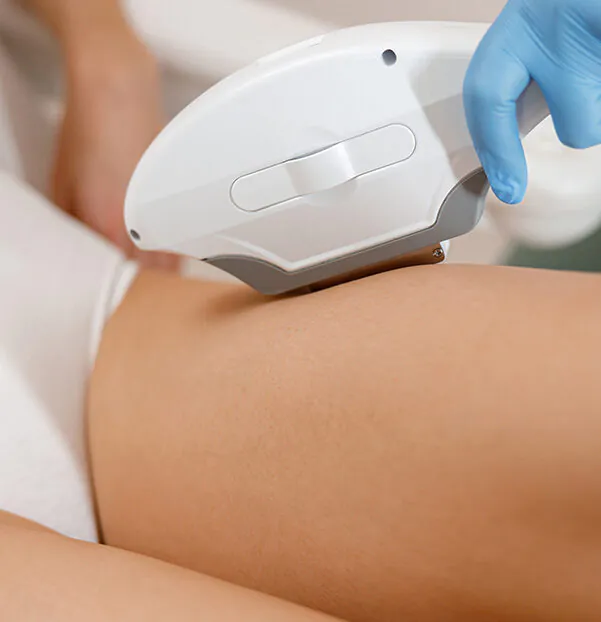
Laser hair removal offers a longer-term approach to reducing hair growth by targeting the hair follicle.
Some patients may therefore be advised to consider laser hair removal after their pilonidal cyst has been treated and the area has healed.
However, laser hair removal should never be performed over an open or healing surgical wound. The timing needs to be determined based on your recovery and your doctor’s or laser specialist’s recommendation.
It is also important to understand that laser hair removal is not a treatment for an active pilonidal cyst or infection. It may be considered as part of ongoing hair management once the area is appropriately healed.
How Soon After Surgery Can You Have Laser Hair Removal?
There’s no universal timeline.
The treated area needs to be sufficiently healed before laser hair removal is considered. The exact timing depends on the type of surgery, how the wound was closed, how well you’re healing, and whether there are any remaining complications.
Your surgeon should confirm that the area has healed adequately before you begin laser treatment.
Once you’re cleared, a laser specialist can assess the area and determine an appropriate treatment plan.
The Goal Isn’t Just to Treat the Cyst—It’s to Reduce the Chance of It Coming Back
Pilonidal cyst surgery can treat an existing problem, but recovery doesn’t necessarily end when the procedure is over.
Following your doctor’s aftercare instructions and addressing factors that may contribute to recurrence can be an important part of the long-term plan.
For some people, that may include managing hair in the area. If your doctor recommends hair reduction, laser hair removal can be discussed as a longer-term option once the area has completely healed.
Most importantly, don’t try to manage a recurring or infected pilonidal cyst on your own. A proper medical assessment can help determine whether you need treatment and what approach is right for you.
If you’re experiencing symptoms of pilonidal disease, speak with a qualified healthcare professional before starting any treatment, including laser hair removal.