
 Cosmetic and Plastic Surgery
 Medico-Aesthetic Services
 Skin Laser Solutions
 Skin Solutions
 Slimming Solutions



About the Treatment
Our center employs highly qualified medical specialists of the first and highest qualification categories with work experience of at least 10 years.

 Downtime
 Consultation
 Men and Women
 Surgical Tretament
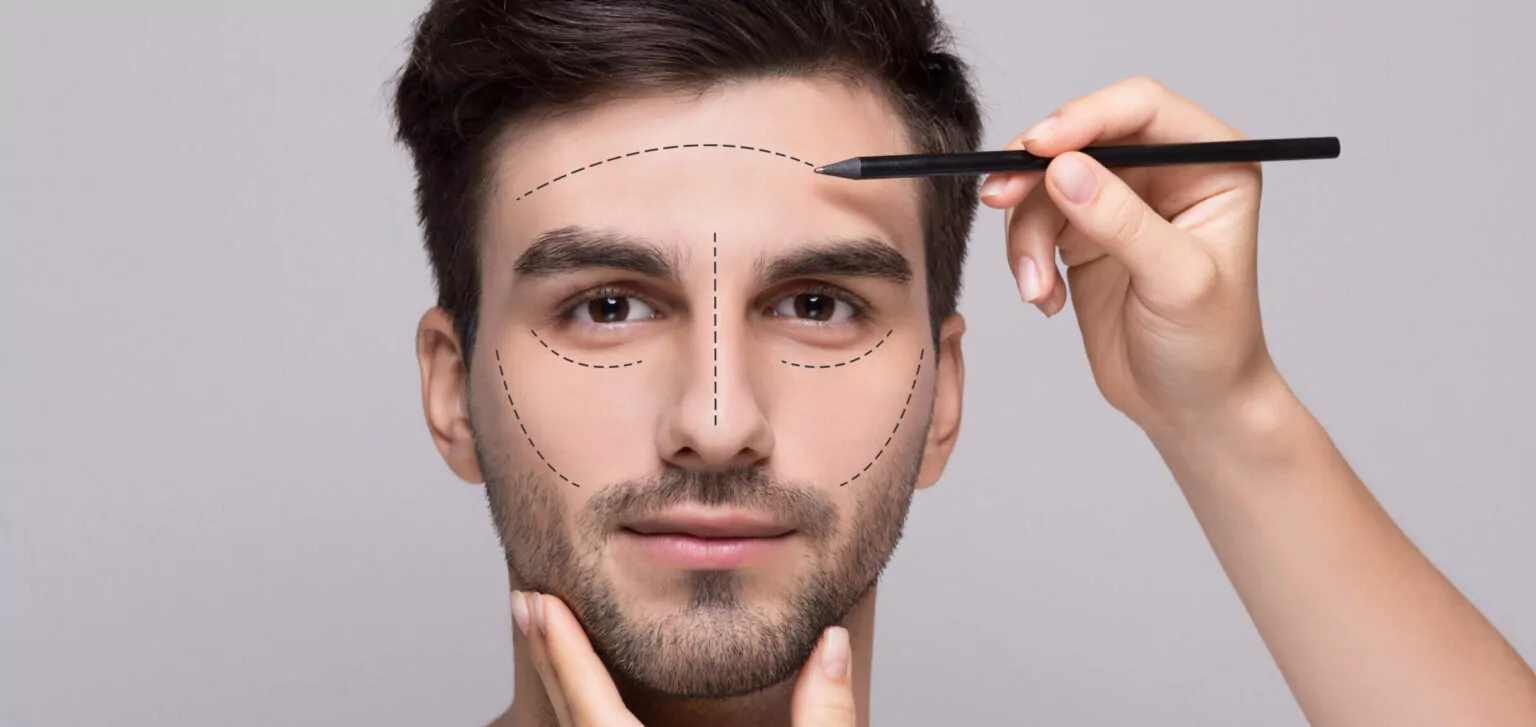
Buccal fat removal is a facial cosmetic surgery that reduces a specific fat pad in the lower cheeks to create a more defined appearance. For suitable candidates, the procedure may help bring out the natural contours of the cheekbones and jawline while preserving the balance of the face.
GREEN FRIDAY OFFER: 30% OFF SELECTED PLASTIC SURGERIES.
How does it work?
The procedure involves removing a portion of the buccal fat pads, which sit deep within the lower cheeks. The surgeon typically accesses these fat pads through small incisions inside the mouth, so there are no external facial incisions.
The amount of fat removed depends on your anatomy and the surgeon’s assessment. The goal is to achieve a considered change that complements your facial proportions, rather than removing as much fat as possible.
Designed for those seeking structural definition rather than overall volume.
What Can Buccal Fat Removal Help Enhance?
Buccal fat removal may be suitable for people who want to address:
- Fullness in the lower cheeks: Reducing prominent buccal fat pads in carefully selected candidates.
- Cheek definition: Helping reveal more of the natural contours of the midface.
- Facial proportions: Creating a more sculpted appearance when lower-cheek fullness is related to buccal fat.
Not all facial fullness comes from buccal fat. Bone structure, other fat compartments, skin elasticity, and overall anatomy also influence facial shape. A consultation helps determine whether this procedure is likely to achieve your goals.

Slim your lower face for a chiseled, contoured silhouette.
Sculpted, Not Overdone.
The most considered changes aren’t always the most dramatic.
Buccal fat removal is about working with your existing features, not chasing a particular face shape. Removing too much fat can create an overly hollow appearance, especially as the face naturally loses volume with age.
That’s why careful patient selection matters. Your surgeon will assess your facial structure and discuss the long-term implications before recommending surgery.
Book a Free Consultation

Frequently Asked Questions
All you need to know about this treatment.
The procedure may be considered for adults with naturally prominent lower-cheek fullness who are in good general health and have realistic expectations. It may not be suitable for people with naturally narrow faces or limited facial volume. Your surgeon will assess your anatomy and discuss alternatives if appropriate.
It may make existing cheek contours appear more defined by reducing fullness in the lower cheeks. However, it does not enlarge or reposition the cheekbones, and results depend on your natural facial structure.
The removed fat pads do not grow back in the same way. However, your face will continue to change with age, weight fluctuations, and natural changes in facial fat distribution. The long-term appearance depends on your anatomy and how your face ages.
Swelling and discomfort are common during the initial recovery period, and the final contour may take several weeks or longer to become apparent. Because the incisions are inside the mouth, your surgeon will provide specific oral hygiene, diet, and activity instructions to support healing.
Here’s our treatment protocol:
Before your surgery
- Discuss your aesthetic goals, medical history, and facial anatomy with your surgeon.
- Review the expected benefits, limitations, risks, and long-term effects of removing buccal fat.
- Follow your surgeon’s instructions regarding medications, smoking, eating, and drinking before surgery.
After your surgery
- Follow your surgeon’s instructions for oral hygiene and any prescribed mouth rinse.
- Stick to the recommended diet while the incisions heal.
- Avoid strenuous activity until your surgeon clears you.
- Attend follow-up appointments and contact your medical team if you develop fever, worsening pain, increasing swelling, or other concerning symptoms.