

 Cosmetic and Plastic Surgery
 Medico-Aesthetic Services
 Skin Laser Solutions
 Skin Solutions
 Slimming Solutions




What Is Body Dysmorphia? Signs, Causes, and How to Heal
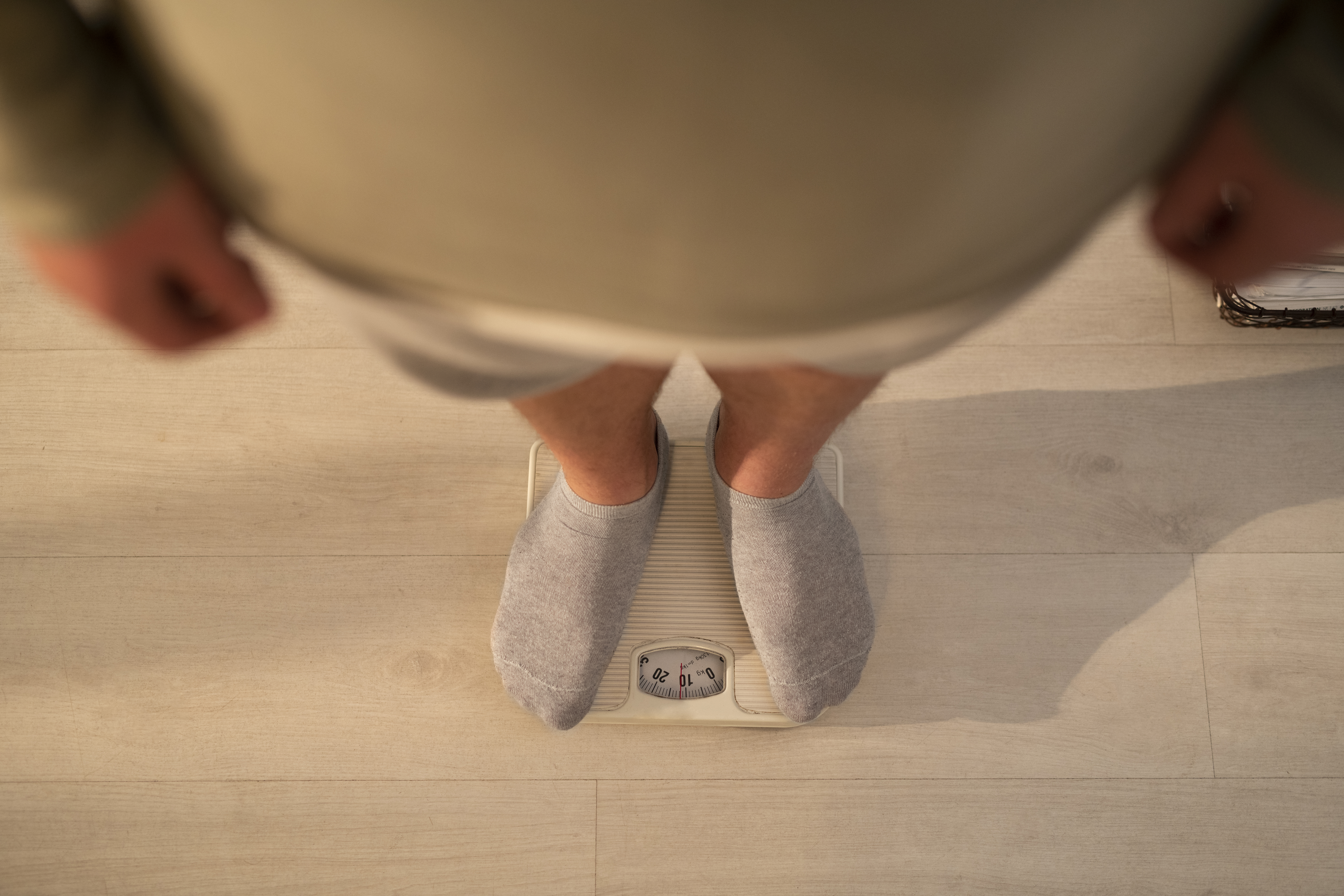
Body Dysmorphia: When Your Reflection Doesn’t Tell the Whole Story
In reality, we all have those days where the mirror feels like our worst critic. Maybe you’re fixated on a breakout, a “too round” nose, or that angle that somehow makes you look different in every selfie. But here’s the thing: for people living with body dysmorphia (also called Body Dysmorphic Disorder, or BDD), this isn’t just an occasional bad mirror day. It’s a relentless cycle of overthinking, checking, and stressing about flaws that are often invisible to everyone else.
So, if you’ve ever wondered why you can’t shake the feeling that something about your appearance just isn’t “right” — even when people assure you it looks fine — this might hit close to home. And don’t worry, you’re not alone. Let’s unpack what body dysmorphia really is, how it shows up, and why understanding it is the first step to reclaiming peace with your reflection.
What Exactly Is Body Dysmorphia?
Think of body dysmorphia as that inner voice that refuses to leave you alone. While most of us occasionally fuss over our looks, body dysmorphic disorder turns those passing thoughts into all-consuming ones.
Instead of thinking:
“Ugh, my skin looks a little dull today,”
you’re stuck thinking:
“Everyone will notice my skin. I can’t go out. I look terrible.”
These thoughts don’t just vanish. They linger, repeat, and can steal hours of your day. The tricky part? What you see as a glaring flaw, others often don’t notice at all.
Common Signs You Might Be Dealing With It
Here are some common ways it can show up:
- Constant mirror-checking (or, for some, avoiding mirrors altogether).
- Zooming in on “flaws” like skin, nose shape, body size, or even hairline.
- Comparing yourself endlessly to others — both online and in real life.
- Covering up perceived flaws with makeup, clothing, or even filters.
- Feeling anxious or skipping social events because you don’t like how you look.
- Thinking about cosmetic procedures or quick fixes, sometimes obsessively.
If this feels familiar, it’s worth paying attention — not because you’re “vain” (you’re not), but because BDD is a real mental health condition, not a personality quirk.
Where Does It Come From?
The roots of body dysmorphia are a mix of nature and nurture:
- Biological factors – Some studies suggest genetics or brain chemistry play a role.
- Social influences – Social media, IG models, fitness influencers, and impossible beauty standards.
- Past experiences – Bullying, criticism, or trauma around appearance can plant deep seeds.
- Personality traits – Perfectionism and anxiety often walk hand in hand with BDD.
Basically, it’s not your fault. You didn’t “choose” this.
How It Can Impact Your Life
Here’s the tough part: body dysmorphia doesn’t stay in the mirror.
- It can affect your relationships (constantly needing reassurance can strain even the closest bonds).
- It can hold back your career or studies (because you’re too distracted or anxious to focus).
- And it can weigh down your mental health (BDD often overlaps with depression and anxiety).
Left untreated, it can feel like a heavy, never-ending cycle — but here’s the hope: it’s treatable.
Treatment and Coping: The Path to Healing
You deserve to feel comfortable in your own skin — not like you’re fighting a daily battle with your reflection. The good news is there are proven ways to manage and overcome body dysmorphic disorder:
- Cognitive Behavioral Therapy (CBT) → Helps reframe negative thoughts and reduce compulsive behaviors.
- Medication (like SSRIs) → Can calm obsessive thinking when combined with therapy.
- Mindfulness practices → Ground you in the present moment instead of spiraling into mirror-anxiety.
- Support groups and community → Because talking to people who “get it” is powerful.
- Body-neutral activities → Focus on what your body does for you, not just how it looks.
A Gentle Reminder
If any of this feels uncomfortably familiar, let me say this clearly: you’re not shallow, you’re not “too much,” and you’re definitely not alone. Body dysmorphia is a recognized condition, and seeking help is not only valid — it’s brave.
You deserve mornings where you don’t dread the mirror. You deserve social outings where you’re focused on the laughter, not your reflection. And you deserve a life where your worth isn’t tied to a single perceived “flaw.”
Maybe today’s the day you take that first small step — even if it’s just talking about it with a trusted friend or booking a consultation with a therapist.
Until then, keep shining like the icon you are.