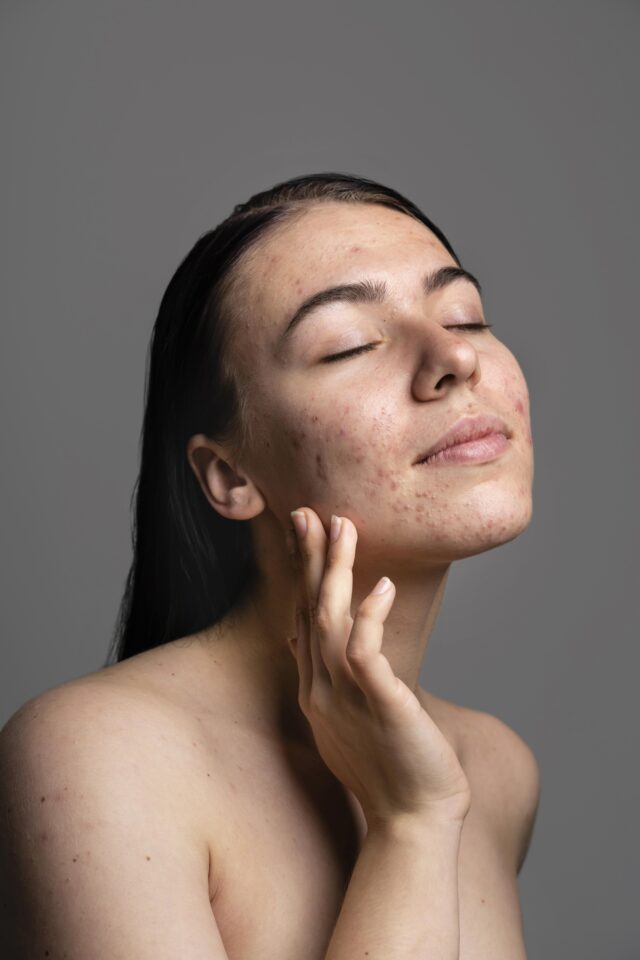
If Your Skin’s Been Acting Up, This One’s for You.

How to Get Clear Skin: Simple, Real Steps for a Lasting Glow
             
How to Get Clear Skin: Simple, Real Steps for a Lasting Glow

If Your Skin’s Been Acting Up, This One’s for You.

There’s something about waking up, looking in the mirror, and seeing smooth, glowy, blemish-free skin that just hits different. But for most of us, that mirror moment is usually followed by: “Wait… where did THAT come from?”

Pimples, dullness, uneven texture, they all have a way of showing up uninvited. And while social media keeps convincing us that there’s a “secret routine” or a “holy grail product,” here’s the truth no one wants to hear: getting clear skin isn’t about 12-step routines, overnight miracles, or a face full of filters.

It’s about understanding your skin and giving it what it actually needs. So let’s talk — real talk — about how to get clear skin that actually lasts.


Step 1: Know Your Skin Like You Know Your Coffee Order

You can’t treat what you don’t understand. The first step to clear skin is figuring out your skin type — oily, dry, combination, or sensitive. Each one has its own mood swings and triggers.

  • Oily skin? You might need lightweight, non-comedogenic products and consistent exfoliation.

  • Dry skin? Hydration is your best friend — from gentle cleansers to nourishing moisturizers.

  • Combination skin? Balance is everything — think targeted care for different zones.

  • Sensitive skin? Keep it simple — the fewer ingredients, the better.

If you’re not sure what your skin type is, don’t guess. Book a professional skin consultation to really understand what your skin is trying to tell you.


Step 2: Cleanse, But Don’t Strip

Cleansing is like hitting the “reset” button — it removes dirt, sweat, and makeup. But here’s where most people go wrong: they use harsh cleansers that strip away the skin’s natural oils, causing more breakouts and irritation.

The golden rule?
Wash your face twice a day with a gentle cleanser.
Avoid foamy or alcohol-heavy products.
Pat dry, don’t rub.

You’re not sanding wood. You’re washing your face.


Step 3: Exfoliate, But Calmly

Exfoliation is that friend who means well but can easily overdo it. Scrubbing every day might feel productive, but it’s secretly sabotaging your skin barrier.

Try this instead:

  • Use chemical exfoliants (like AHAs or BHAs) once or twice a week to unclog pores and smooth texture.

  • Avoid harsh physical scrubs, your skin isn’t a kitchen counter.

This keeps your pores clear and your glow effortless, not irritated.


Step 4: Hydration Is Non-Negotiable

Let’s be real — dry skin screams for attention. And dehydrated skin? It clings to oil production, leading to more breakouts. Whether you’re oily or dry, hydration is key to balance.

Use a lightweight moisturizer that suits your skin type and drink enough water (yes, that cliché advice is actually true). Your skin reflects what’s happening inside, so keep both hydrated.


Step 5: Sunscreen

If you’re doing everything right but skipping SPF, you’re wasting your effort. The sun’s UV rays damage skin, worsen pigmentation, and slow down healing.

So no matter the weather — rain, clouds, or indoor lighting — wear sunscreen. It’s not optional.


Step 6: Treat What You See

If you’re struggling with acne, dark spots, or stubborn texture, targeted treatments can make a world of difference. Think skin boosters, facials, or mesotherapy — professional treatments designed to reset your skin from the inside out.

These aren’t quick fixes, they’re smart fixes. Treatments that help your skin heal, hydrate, and glow naturally over time.


Step 7: Lifestyle — The Part No One Likes to Talk About

Skincare products are only half the story. Your habits write the rest.

  • Sleep: 7–8 hours. Your skin regenerates while you rest.

  • Diet: Greens and good fats in, processed food out.

  • Stress: Manage it, don’t let it manage your skin.

Your skin is like your mood — it shows everything that’s going on inside.


The Real Secret to Clear Skin

Consistency. Not perfection. Not the latest serum. Not a viral trend.

Clear skin happens when you stop changing your routine every week and start listening to your skin’s signals. Give it time, patience, and products that actually make sense for you.


Ready to Start Your Clear Skin Journey?

If you’ve been guessing your routine or switching products faster than TikTok trends, it’s time to stop playing trial-and-error and start seeing real results.

At Silkor, our dermatologists and skin experts personalize treatments based on your skin, no gimmicks, just real improvement. Whether you’re dealing with acne, dullness, or uneven texture, we’ve got a plan that actually works.

Book your skin consultation today and let’s get you that healthy, glowy, clear skin you’ve been chasing.
Catch you next time!

The New Era of Nose Jobs: Everything You Need to Know About Piezo Rhinoplasty

Piezo Rhinoplasty: The Precise and Gentle Way to Reshape Your Nose

             
Piezo Rhinoplasty: The Precise and Gentle Way to Reshape Your Nose

The New Era of Nose Jobs: Everything You Need to Know About Piezo Rhinoplasty

If you’ve ever thought about getting a nose job but immediately pictured bruises, swelling, and a long recovery, this one’s for you.

Because what if I told you that nose surgery can actually be gentler, more precise, and way less traumatic than what you’ve seen on reality TV?

Welcome to Piezo Rhinoplasty—the modern approach that’s changing how we think about nose reshaping.


So… What Is Piezo Rhinoplasty?

Let’s keep it simple: traditional rhinoplasty uses manual tools—chisels, hammers, and surgical rasps—to reshape bone. Effective? Sure. But gentle? Not exactly.

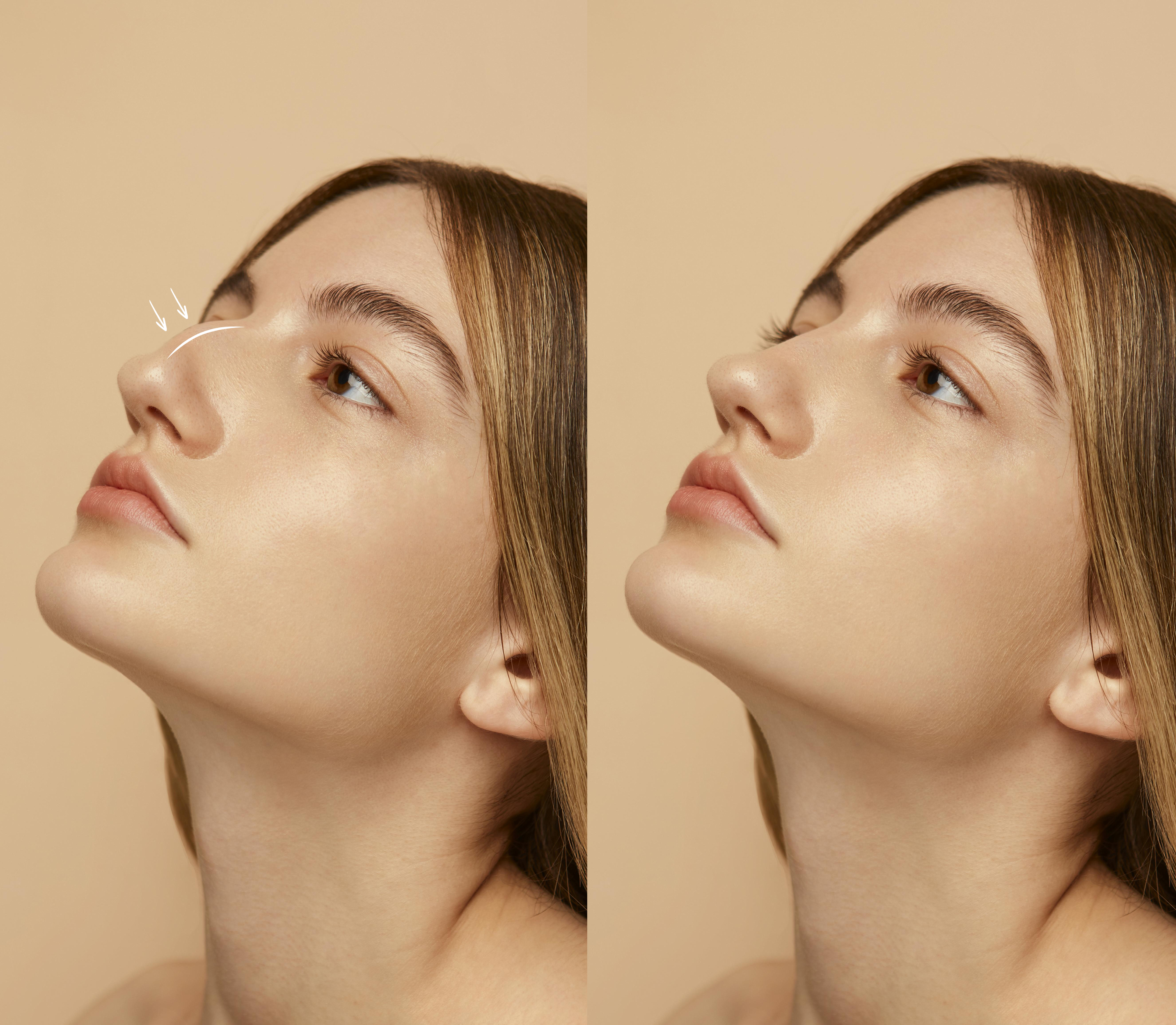
Piezo Rhinoplasty swaps all that for ultrasonic technology that reshapes the nasal bones using sound vibrations. Think of it as the difference between carving with a hammer and sculpting with a laser pen.

It’s still surgery, but it’s smarter, softer, and far more controlled.


How It Works (Without Getting Too Technical)

Here’s the cool part: the Piezo device emits ultrasonic waves that target bone tissue only. It glides over soft tissue and blood vessels without damaging them—which means:

Less bruising
Less swelling
Smoother recovery
More precision in shaping

In other words, your surgeon gets millimeter-level accuracy, and your face gets to skip the post-op horror movie phase.


Why People Are Switching to Piezo

Let’s be real—getting a rhinoplasty used to sound like a battle. But now? Piezo Rhinoplasty is making people rethink what’s possible. Here’s why it’s getting so popular:

  1. It’s more refined.
    Piezo allows surgeons to sculpt the bone like an artist—no rough edges, no guesswork, just clean definition.

  2. It’s kinder to your face.
    Because it spares surrounding tissues, you’re not dealing with the same level of swelling or bruising that used to be “normal.”

  3. Recovery is faster.
    Many patients go back to work or social life sooner because the healing process is smoother and less painful.

  4. It’s highly customizable.
    Whether you’re looking for subtle refinement or a major transformation, the technology adapts to your anatomy and goals.

  5. Results are more natural.
    Precision means control—and control means your nose looks balanced, not “done.”


So Who’s It For?

Piezo Rhinoplasty isn’t just for people getting a nose job for the first time. It’s also great for:

  • Refining previous rhinoplasty results

  • Fixing breathing issues or nasal asymmetry

  • Softening prominent bone structures

  • Creating subtle, natural-looking definition

Basically, if you’ve been holding off because you’re scared of the downtime or bruising—this might be your green light.


Let’s Talk About the “Pain” and the “Downtime”

This is where things get interesting.
Because Piezo is so precise, it causes less trauma to the surrounding tissues. That means:

  • Swelling is milder

  • Bruising is minimal

  • Pain is significantly reduced

  • Recovery feels more like “rest” than “recovery”

Of course, it’s still surgery, you’ll need time to heal and follow your surgeon’s care plan, but you’ll look and feel more like you a lot sooner.


What You Shouldn’t Expect

Let’s clear the air. Piezo Rhinoplasty isn’t a non-surgical procedure. It’s still a rhinoplasty, done by a surgeon in an operating room.

It’s just a far better version of it.
Think of it as upgrading from an old flip phone to a smartphone—you’re still making calls, but the experience is night and day.


Real Talk: Should You Consider It?

If your nose has always been a point of insecurity—or even just mild curiosity—and you’ve been waiting for something modern, refined, and safer, Piezo Rhinoplasty might be your sign.

It’s the balance between art and science. Between precision and healing. Between “I want change” and “I don’t want to look unrecognizable.”

Because that’s the beauty of it: it’s not about creating a new face, it’s about sculpting harmony.


The Bottom Line

Piezo Rhinoplasty is redefining what a nose job can be—gentle, accurate, and beautifully natural.
No heavy trauma. No exaggerated swelling. No “Ugh I kinda should’ve rethought this” moment in the mirror.

Just results that fit your face, your features, and your confidence in the best way possible.


Thinking About It? Start With a Conversation

If you’ve been quietly curious about nose reshaping but hesitant about recovery, it’s time to see what modern rhinoplasty can do for you.

At Silkor, our surgeons specialize in Piezo Rhinoplasty—combining advanced ultrasonic technology with artistic precision to achieve results that feel you, just better.

Book your consultation today and take the first step toward a more refined, natural version of your look.

Because your nose deserves more than tradition, it deserves innovation.

Catch you next time!

How to Get Rid of Pimples Overnight

How to Get Rid of Pimples Overnight: What Actually Works

             
How to Get Rid of Pimples Overnight: What Actually Works

How to Get Rid of Pimples Overnight

There’s never a “good” day for pimples to show up, but somehow, they always choose the day you needed clear skin the most.
They appear the night before a date, a big meeting, or a wedding where you’re definitely going to be photographed from every angle.

So here you are searching for ways on how to get rid of pimples overnight like it’s an emergency. (Because, well, it kind of is.)

But before you panic-pop that spot, let’s talk about what actually works, what doesn’t, and how to handle those overnight visitors with a little more strategy and a little less drama.


First Things First: There’s No Real “Overnight Miracle”

Yeah, I said it.
You can calm a pimple overnight, you can shrink it, you can reduce redness, but you can’t erase it from existence in 12 hours.

Most breakouts have been brewing under your skin for days before you ever see them. So while your goal is “gone by morning,” the real win is “barely noticeable by morning.”

That’s what we’re aiming for.


Step 1: Hands Off, Please

Rule number one: don’t touch it.
I know the temptation. It’s right there. It’s begging to be popped. But when you squeeze it, you’re not just pushing out bacteria—you’re pushing it deeper.
That means more inflammation, more swelling, and more days of regret.

So hands off. Always.


Step 2: Go for a Spot Treatment That Actually Works

If you’re serious about calming that pimple fast, you need a targeted acne treatment, not toothpaste, not lemon juice, and definitely not rubbing alcohol.

Look for ingredients like:

  • Benzoyl Peroxide: Kills acne-causing bacteria.

  • Salicylic Acid: Unclogs pores and reduces swelling.

  • Sulfur: Dries out the pimple gently and reduces redness.

  • Tea Tree Oil: (yes, the natural one!)—it’s antibacterial and anti-inflammatory when used correctly.

Apply it at night, directly on the breakout, and let it do its thing while you sleep.


Step 3: Ice It (Literally)

Grab an ice cube, wrap it in a clean tissue, and hold it over the spot for 30 seconds at a time.
This helps bring down inflammation, shrink the swelling, and make that zit less angry by morning.

It won’t erase it—but it can make it easier to hide.


Step 4: Hydrate

Dehydrated skin produces more oil, which means more breakouts.
So even if your skin is oily, you still need moisture.
Use a light, non-comedogenic moisturizer after your spot treatment to keep your barrier happy and prevent peeling.

And yes, drink your water, it helps your skin heal faster.


Step 5: Sleep, Because Your Skin Does Its Best Work Then

Sleep isn’t just for rest, it’s when your body repairs.
When you sleep, your skin regenerates, inflammation decreases, and pimples start calming down naturally.

So skip the late-night TikTok doomscrolling and get some actual sleep.


Step 6: Morning After? Conceal, Don’t Panic

If the pimple is still hanging around (because, you know, it’s only been 8 hours), don’t freak out.
Wash your face gently, apply a little ice if it’s puffy, and then use a green-tinted concealer to neutralize redness.


Long-Term Fix: Stop Chasing Overnight Cures

Here’s the truth no one likes hearing: if you’re constantly dealing with breakouts, it’s not an overnight problem, it’s a pattern.
Instead of fixing pimples one by one, you need to figure out why they keep showing up.

It could be hormones, diet, stress, or your skincare routine. That’s why real results come from consistent care, not quick fixes.

So yes, calm your pimple tonight, but also invest in understanding your skin tomorrow.


The Bottom Line

You can calm a breakout overnight, but real clear skin comes from routine, not panic.
Gentle cleansing, the right products, balanced diet, and regular professional care can save you from those 2AM “emergency zit” searches for good.


Ready to Stop Playing Hide-and-Seek With Your Skin?

If you’re done with surprise breakouts and random spot treatments, let’s take it up a level.

At Silkor, we help you get clear, balanced, healthy skin through customized facials, acne treatments, and skincare routines built just for you.

Book your consultation today and start your journey to smooth, pimple-free skin—for real this time.

Because the best way to get rid of pimples overnight… is to stop them from showing up in the first place.

Catch you next time!

You Don’t Need Another Diet, You Need Consistency

You Don’t Need Another Diet, You Need Consistency

             
You Don’t Need Another Diet, You Need Consistency

You Don’t Need Another Diet, You Need Consistency

Hey everyone, it’s time to clock some tea.
Every overweight adult you know is probably on their fifth—or sixth—diet this year. Keto. Intermittent fasting. Detox teas. Smoothie challenges. “No carb” summers. You name it, they’ve tried it.

And maybe that person is you.

You start strong, crush week one, and by day fifteen, you’re negotiating with yourself about whether fries count as “carbs if they’re air-fried.” Then, boom you’re off the wagon and back to scrolling for “the next thing that works.”

But here’s the truth nobody wants to hear: the problem isn’t the plan. It’s the pattern.


The Addiction to Quick Fixes

We’re hooked on quick results. It’s not your fault, you’ve been sold the dream of “drop 10 kilos in 10 days” for years. But that dream? It’s the reason you’re still stuck.

When you’re addicted to quick fixes, your body never gets the chance to stabilize. You bounce from keto to fasting to detoxes like it’s a skincare routine, and every time you stop, your metabolism gets more confused than your last situationship.

Real fat loss isn’t flashy. It doesn’t fit into a 30-day challenge or a viral TikTok trend. It takes months of small, consistent changes that feel… well, boring. But the reality is, boring works. Every. Single. Time.


The Diet Cycle No One Talks About

Let’s break down what actually happens every time you jump on a new plan:

  1. Phase 1: The Hype. You’re motivated, meal prepping like a pro, and googling “before-and-after weight loss pics” for inspiration.

  2. Phase 2: The Struggle. Cravings hit. Energy dips. You start daydreaming about bread like it’s an ex you can’t get over.

  3. Phase 3: The Crash. You “slip up,” feel guilty, and convince yourself you’ll restart Monday.

  4. Phase 4: The Bounce. You quit, feel worse, and start hunting for the next new miracle diet.

That’s not failure, it’s fatigue. You’re not lazy or broken. You’re just tired of being promised shortcuts that don’t exist.


So What Actually Works?

Here’s the unsexy truth:
You don’t need another “extreme.”
You need structure, consistency, and recovery.

  1. Eat Real Food. Not “zero-calorie” ice cream or shakes that taste like regret. Actual food protein, vegetables, healthy fats, complex carbs. The kind your body knows how to digest.

  2. Move Daily. It doesn’t have to be a bootcamp. Walk. Lift. Stretch. Find something you enjoy and do it often.

  3. Sleep Like You Mean It. Poor sleep wrecks your hormones, hunger, and motivation. A solid 7–8 hours is worth more than any detox drink you’ll ever buy.

  4. Repeat. Every day. Even when you don’t feel like it. Especially then.

The key isn’t perfection, it’s persistence.


Why Consistency Feels “Too Slow”

Because we’ve been programmed to chase speed, not sustainability.
You think it’s not working because the scale doesn’t drop overnight, but your body is changing. Slowly. Gradually. Permanently.

Here’s a mindset shift:
You can spend the next 6 months committing to slow, sustainable fat loss…
or you can spend the next 6 years starting over every 6 weeks.

Your choice.


The Real Flex? Long-Term Health

You know what’s actually impressive?
Not losing 5 kilos in a month, keeping it off for life.
Not eating clean for 21 days, building habits that stick for 21 years.

That’s where freedom comes from, not restriction, but rhythm.
The kind where food isn’t your enemy and your body isn’t your project.


The Reality: Boring Works. Every Time

If you’re tired of the cycle, stop looking for the next diet and start building a lifestyle.
It’s not flashy. It’s not overnight. But it’s the only thing that works, always.


Stop Dieting and Start Living

You don’t need another “quick fix.” You need guidance that fits your life, your habits, and your goals. 

You’ve tried “everything.” Now it’s time to try what works.

Catch you next time!

Tea Tree Oil for Your Face: The Tea Tree Truth

Everything You Need To Know About Tea Tree Oil

             
Everything You Need To Know About Tea Tree Oil

Tea Tree Oil for Your Face: The Tea Tree Truth

So, you’ve probably seen tea tree oil sitting quietly on a pharmacy shelf or hiding in the ingredient list of your favorite skincare product. It’s one of those things people swear by, especially when it comes to acne. But what’s the real deal with tea tree oil for your face? Does it actually work, or is it just another “Pinterest cure-all” trend?

Let’s spill the tea (tree).


What Is Tea Tree Oil Anyway?

Think of tea tree oil as the multitasking friend we all needthe one who shows up with advice, snacks, and a power bank when your phone’s about to die.

Extracted from the leaves of the Melaleuca alternifolia tree (say that three times fast), tea tree oil has been used for centuries for its antibacterial, antifungal, and anti-inflammatory powers. In the skincare world, it’s basically a natural bouncer at the door of your pores—kicking out bacteria and calming irritation before things get messy.


Why People Use Tea Tree Oil for the Face

If you’ve ever searched up “how to get rid of pimples overnight,” chances are tea tree oil popped up. Here’s why it’s a skincare favorite:

  1. Acne Fighter Extraordinaire
    Tea tree oil is like a tiny soldier fighting acne-causing bacteria. Studies show it can reduce both whiteheads and blackheads.

  2. Redness Reducer
    Got that angry, red pimple that showed up the night before a big event? Tea tree oil’s anti-inflammatory properties help tone down redness and swelling.

  3. Oil Control Without the Desert Effect
    Unlike some harsh acne treatments that leave your skin drier than your sense of humor, tea tree oil balances oil production while keeping your skin hydrated.

  4. Scar Softener
    While it’s not an instant eraser, consistent use may improve the look of old acne scars and uneven texture.


How to Actually Use Tea Tree Oil on Your Face (Without Burning It Off)

Okay, here’s where we pause and get real. Tea tree oil is powerful, and like all powerful things, it needs to be handled with care.

  • Always Dilute It: Straight tea tree oil is too strong for your skin. Mix it with a carrier oil (like jojoba or coconut) before applying.

  • Spot Treatment Only: Don’t rub it all over your face like moisturizer. Dab a tiny bit directly on the breakout.

  • Test Before You Trust: Do a patch test on your arm first. Nobody wants a surprise rash on their face.

  • Look for Skincare Formulas: If DIY isn’t your vibe, many cleansers, toners, and serums already have tea tree oil in safe concentrations.


The “But Wait” Section: Side Effects You Should Know

Tea tree oil isn’t for everyone.

  • Sensitive skin? It might sting or cause irritation.

  • Dry skin? Use sparingly, or your face might feel like parchment.

  • Allergies? Always patch test, because nature can be unpredictable.


Is Tea Tree Oil Right for You?

If you’re battling acne or oily skin and want a natural alternative to harsh chemicals, tea tree oil might just be your new bestie. But if your skin leans sensitive, go slow and listen to your skin.


Bottom Line: The Tea Tree Truth

Tea tree oil for the face isn’t some overnight miracle, but it is a solid, science-backed option to keep in your skincare toolbox. It’s nature’s way of saying, “Hey, I’ve got your back (and your breakout).”


Ready to Take Skincare From DIY to Done-For-You?

Sure, you could keep experimenting with oils and spot treatments, or… you could let experts guide your skin journey.

At Silkor, we help you get rid of acne for good with our professional facials, targeted treatments, and skincare routines designed for your skin type.

Catch you next time!

Home Remedies for Acne and Dry Skin: What Actually Helps (and What Doesn’t)

Home Remedies for Acne and Dry Skin: What Works & What Doesn’t

             
Home Remedies for Acne and Dry Skin: What Works & What Doesn't

Home Remedies for Acne and Dry Skin: What Actually Helps (and What Doesn’t)

Raise your hand if you’ve ever searched “DIY acne cure” at 2 a.m. while staring at a pimple in the bathroom mirror. Or maybe you’ve slathered coconut oil all over your face because a friend swore it would “fix dry skin forever.”

Yeah, we’ve all been there. The internet is full of quick fixes, miracle masks, and kitchen hacks for skin problems. But here’s the thing: not every home remedy is good for your skin. Some are soothing, others… not so much (looking at you, toothpaste-on-pimples trend).

So, let’s break down what can help when you’re dealing with acne or dry skin, and why it’s always best to consult a dermatologist if things don’t improve.


Home Remedies for Acne: The Good, the Meh, and the Nope

Acne is tricky. It’s influenced by hormones, diet, stress, and genetics, so no single remedy works for everyone. But here’s what the internet gets (mostly) right:

  1. Honey
    Honey is naturally antibacterial and soothing. Applying a thin layer as a mask may calm inflamed pimples. But no, it won’t erase acne overnight.
  2. Aloe Vera
    Fresh aloe gel = cooling, hydrating, and anti-inflammatory. Great for calming red, angry breakouts.
  3. Green Tea
    Drinking it is healthy, sure. But using cooled green tea bags on pimples can help reduce inflammation (thanks to antioxidants).
  4. The Nope List: Toothpaste, Lemon Juice, Baking Soda
    These may sound like “old-school hacks,” but they’re harsh, irritating, and can actually damage your skin barrier. If you want clear skin, skip the bathroom experiments.


Home Remedies for Dry Skin: SOS for Flakes

Dry, itchy skin? You don’t need a 12-step ritual—sometimes, simple kitchen helpers can ease the discomfort.

  1. Coconut Oil (this time, yes)
    Unlike acne-prone skin, dry skin can actually benefit from coconut oil. It helps lock in moisture. Use it as an overnight mask for rough patches (elbows, heels, or dry cheeks).
  2. Oatmeal Baths
    Oatmeal soothes irritation and hydrates skin. Mix ground oats into warm bathwater for a skin-softening soak.
  3. Avocado Masks
    Rich in fatty acids, avocado pulp can nourish dry, flaky skin. Mash it up, apply for 10–15 minutes, and rinse. Snack on guac later.


The Fine Print: Why Home Remedies Aren’t a Cure-All

Here’s the reality check: home remedies can help ease symptoms, but they don’t “cure” acne or dry skin, especially if it’s moderate to severe. If your acne keeps coming back, or your skin feels uncomfortably tight and flaky no matter what you try, that’s your skin’s way of saying: “Hey, I need professional help.”

And that’s where dermatologists come in. They can figure out what’s really going on, whether it’s hormonal acne, eczema, or a skin barrier issue, and create a personalized treatment plan that works long-term.


When in Doubt, Ask the Experts (That’s Us!)

At Silkor, we see it all, from stubborn breakouts to chronic dryness. Our expert dermatologists and skin specialists don’t just give you one-size-fits-all advice; they tailor treatments based on your skin type, lifestyle, and goals.

Whether it’s advanced acne treatments, hydrating facials, or laser solutions, we go beyond quick fixes to give your skin the real care it deserves.

Book your skin consultation today and let’s figure out the best plan for your skin because you shouldn’t have to guess your way through the internet’s endless DIY lists.


Final Takeaway

DIY remedies for acne and dry skin can give you some short-term relief (and sometimes a fun spa night at home). But they’re not the ultimate solution, and they’re definitely not a substitute for professional care.

Your skin deserves more than trial-and-error. With expert guidance, you can finally stop stressing about your skin and focus on feeling content in it again.


Book a consultation with Silkor’s dermatologists today.

Catch you next time!

CoolSculpting vs. Working Out: Can You Cheat the Gym?

CoolSculpting vs. Working Out: The Secret to Beating Stubborn Fat

             
CoolSculpting vs. Working Out: The Secret to Beating Stubborn Fat

CoolSculpting vs. Working Out: Can You Cheat the Gym?

Okay, I know most of us have stared at the mirror, pinched that stubborn little pocket of fat, and whispered to ourselves: “But I work out… why won’t you leave?” Enter the million-dollar question: is CoolSculpting basically a way to cheat the gym?

Well, not exactly. But let’s break it down.


Working Out: The Old-School Way

There’s no denying it, exercise is queen when it comes to overall health. Working out burns calories, builds strength, boosts your mood, and makes you feel like a superhero after leg day (okay, maybe after the soreness fades).

But here’s the truth bomb: you can’t spot reduce fat. Meaning, no matter how many crunches you do, your body decides where fat sticks around and where it burns off. And sometimes, that means you’re left with “stubborn” fat that’s immune to your treadmill dedication.


CoolSculpting: The New-School Way

Here’s where CoolSculpting, the world’s #1 non-surgical fat reduction treatment, enters the chat. Using controlled cooling, it literally freezes fat cells until they die off—then your body naturally eliminates them over time. Think of it as evicting fat cells that refuse to pay rent.

The best part? Once they’re gone, they’re gone for good. No scalpel, no needles, no downtime. You can literally get treated on your lunch break and go back to work like nothing happened.

“But where oh where can I find this treatment?” ohhh funny you should ask, reader! Silkor is one of the first clinics to bring the original CoolSculpting technology to the region. Not knock-offs. Not “similar” machines. The real deal. Combine that with our highly trained practitioners who know exactly how to sculpt your body safely and effectively, and you get results that actually live up to the hype.


So, Can CoolSculpting Replace the Gym?

No, CoolSculpting isn’t a weight-loss solution. It’s not going to replace the benefits of working out, stronger muscles, a healthier heart, and that post-run endorphin high.

What it will do is tackle the frustrating fat deposits that your squats, planks, and burpees just can’t touch. Think: muffin tops, love handles, belly pooch, inner thighs. Basically, it’s the sidekick to your workout routine, not the replacement.


The Cheat Code You Didn’t Know You Needed

So no, you can’t fully “cheat” the gym (sorry, bestie). But with CoolSculpting + working out, you kind of unlock a cheat code:

  • Exercise for health and strength.

  • CoolSculpting for the stubborn spots that don’t budge.

Together? That’s a glow-up combo your future self will thank you for.


Final Takeaway

If you’ve been sweating it out at the gym but still feel stuck with stubborn fat, CoolSculpting at Silkor might be the missing piece. With our proven technology, expert practitioners, and years of trust in the field, we make sure your body transformation is in the safest hands.

Because let’s face it, your time and your body deserve nothing less than the best.

Book your consultation today and let’s get you sculpted, the smart way.

Catch you next time!

Period Breakouts: Why Your Skin Acts Up (and How to Deal With It)

What Causes Period Breakouts & How To Deal With Them

             
What Causes Period Breakouts & How To Deal With Them

Period Breakouts: Why Your Skin Acts Up (and How to Deal With It)

You know that feeling when it seems like your skin has a calendar of its own? Right around the time you’re stocking up on chocolate and painkillers, your face decides it wants to join the drama. Yep, we’re talking about period breakouts, those annoying pimples that show up uninvited, like clockwork, every month.

But here’s the thing: you’re not alone, and your skin isn’t “misbehaving” just to ruin your week. It’s biology. And once you understand why it’s happening, you’ll know exactly how to calm your skin down (and maybe even stop those hormonal breakouts before they start).


Why Do Period Breakouts Happen?

Blame it on hormones. During your menstrual cycle, your estrogen and progesterone levels do a little rollercoaster ride. Right before your period, estrogen drops, and progesterone peaks. The result? Your skin produces more oil (enter clogged pores) and inflammation goes up (hello, angry red pimples).

That’s why hormonal acne usually shows up on the jawline, chin, and lower cheeks—it’s the favorite hangout spot for period pimples. If you’ve ever wondered, “Why do I always break out in the same place before my period?”—well, now you know.


How to Tame the Period Pimple Invasion

Okay, so you can’t exactly cancel your hormones. But you can definitely outsmart them. Here’s how:

1. Keep Your Skincare Routine Consistent

This isn’t the week to experiment with harsh new products. Stick to a gentle cleanser, a hydrating moisturizer, and a lightweight sunscreen. Consistency keeps your skin balanced, even when your hormones aren’t.

2. Add a Little Acne-Fighting Backup

Look for products with salicylic acid, benzoyl peroxide, or retinoids (if your dermatologist approves). These are the superheroes of acne treatment, helping unclog pores and reduce inflammation.

3. Don’t Skip Hydration

It’s tempting to go full “dry it out” mode, but over-stripping your skin just makes it produce even more oil. Instead, use a lightweight oil-free moisturizer to keep your skin calm and happy.

4. Watch Your Lifestyle Triggers

Stress, sugar, and lack of sleep can all make period breakouts worse. Easier said than done, but try swapping that midnight soda for water and sneaking in an extra hour of rest—you’ll thank yourself later.

5. Consider Professional Treatments

Sometimes, at-home care isn’t enough. If you’re dealing with stubborn hormonal acne, treatments like Hydrafacial, chemical peels, or even laser therapy can make a big difference. And if breakouts are severe, a dermatologist can guide you toward oral treatments or hormonal therapy that work with your cycle.


The “Don’t Do This” List

Because sometimes knowing what not to do is just as important:

  • Don’t pop pimples (it only makes scars worse).

  • Don’t over-exfoliate (your skin is already sensitive).

  • Don’t compare your skin to Instagram filters (seriously, don’t).


Final Thoughts: Be Kind to Your Skin

Your period already comes with enough side effects—mood swings, cramps, cravings—so don’t let period breakouts drag your confidence down too. Remember, these pimples aren’t forever; they’re just passing visitors. With the right skincare routine for hormonal acne, some lifestyle tweaks, and maybe a little professional help, you can absolutely keep your skin calm all month long.

And hey, the next time your skin flares up right before your period, just remind yourself: It’s not you, it’s your hormones.

Catch you next time!

Filler Migration Explained: What You Need to Know Before You Book

What Is Filler Migration And How To Avoid It? Let’s Find Out

             
What Is Filler Migration And How To Avoid It? Let's Find Out

Filler Migration Explained: What You Need to Know Before You Book

So, you’ve been eyeing dermal fillers. Maybe you want plumper lips, a sharper jawline, or lifted full cheeks. But then, somewhere between social media rabbit hole and late-night Googling, you stumble across the dreaded phrase: filler migration. Cue panic.

Let’s talk about it and I promise it’s not as scary as it sounds.


First Things First: What Is Filler Migration?

Filler migration happens when the product moves slightly from where it was originally injected. Think of it like lipstick that smudged a little outside the lines. It’s not common, but yes, it can happen if fillers aren’t done correctly.

But here’s the real tea: migration is usually more about who is holding the syringe than the filler itself. In other words, technique matters just as much as the product.


Is It Safe to Get Fillers?

Short answer: absolutely, when you’re in safe hands. Dermal fillers (especially the popular hyaluronic acid ones) are FDA-approved and designed to be reversible. When injected correctly, they can enhance your natural features without looking fake or overdone.

Most people walk out of their appointment feeling instantly snatched and refreshed. The horror stories you’ve heard? Nine times out of ten, they trace back to unqualified injectors, too much product, or poor placement.


Why Fillers Migrate (When They Do)

Let’s get one thing straight, fillers don’t just decide to go on vacation and explore your face. Migration usually comes down to:

  • Overfilling → more is not more.

  • Wrong technique → placement is everything.

  • Inexperienced injector → this is the big one.

  • Improper aftercare → skipping the do’s and don’ts can affect your results.

The obvious news? All of these are avoidable.


How to Avoid Filler Migration

This one’s easy: choose the right clinic. That’s literally it. When fillers are done by a qualified medical practitioner who understands facial anatomy (NOT Instagram trends), migration becomes a non-issue.

At Silkor, we take this seriously. Our fillers are performed by some of the best medical practitioners in the region, people who know how to balance artistry with safety. 

Translation: you get natural, gorgeous results without having to worry about fillers wandering off to places they don’t belong.


The Bottom Line

So, will fillers migrate? They can, but when done right, the chances are slim to none. And yes, fillers are safe, as long as you’re not trusting your face to just anyone with a syringe.

Your face deserves expert hands, not anyone that can work a needle. That’s why at Silkor, we’re here to give you gorgeous results that stay exactly where they should, enhancing your beauty, not creating new problems.

So go ahead and book that filler appointment. We’re more than happy to accompany you on this journey!

Catch you next time!

Does Rhinoplasty Leave Scars? Let’s Talk About It

Here’s What You Need To Know About Rhinoplasty Scars

             
Here's What You Need To Know About Rhinoplasty Scars

Does Rhinoplasty Leave Scars? Let’s Talk About It

So, you’re thinking about getting a rhinoplasty, aka nose surgery. Maybe you’ve been dreaming of a smoother bridge, a refined tip, or just better breathing. Totally valid reasons! And at Silkor, we’ve seen firsthand how rhinoplasty can completely transform not just your profile, but the way you feel about yourself.

But then comes the big question: “Does rhinoplasty leave scars?”


Fair concern because yes, a new nose is exciting, but nobody’s trying to swap a bump for a scar.


The Truth About Rhinoplasty Scars

Here’s the good news: in most cases, rhinoplasty doesn’t leave noticeable scars. Why? Because surgeons are very strategic about where they make incisions.

  • Closed rhinoplasty: All incisions are made inside your nostrils, meaning absolutely no visible scars. Zero. Nada.

  • Open rhinoplasty: There’s a tiny incision at the base of your nose (the columella). At first, you’ll see a fine line, but as it heals, it usually fades into almost nothing.

So yes, technically, there can be a scar, but most people won’t notice it unless they’re way too close to your face (goodbye personal space).


What Affects Scar Healing?

Just like every nose is unique, every healing journey is too. A few things can influence how your rhinoplasty scar fades:

  • Skin type: Some skin tones are more prone to visible scarring.

  • Aftercare: Following your doctor’s instructions (no sun, no touching, and definitely no “just a little makeup” before you’re cleared) makes all the difference.

  • Lifestyle habits: Smoking, poor diet, or lack of sleep can slow healing.

  • Genetics: Some people just naturally heal faster and smoother.

The takeaway? Most scars fade significantly within a few months, and with proper care, you’ll probably forget they ever existed.


Can You Get Rid of a Rhinoplasty Scar Faster?

Here’s where modern aesthetic treatments step in. If you’re worried about a lingering mark, there are professional solutions to help your skin heal beautifully.

At Silkor, we offer advanced scar removal treatments, including laser scar removal and rejuvenating dermatology options. Our experts can smooth, fade, and refresh the area so your transformation feels 100% complete.


Why Choosing the Right Surgeon Matters

Beyond scars, rhinoplasty is about precision, artistry, and natural-looking results. At Silkor, our rhinoplasty procedures are performed with expert care to ensure your new nose looks balanced with your features, not like you walked out with someone else’s nose. That’s why so many people trust us for this life-changing procedure.


In Conclusion

So, does rhinoplasty leave scars? The honest answer: sometimes, yes, but they’re tiny, discreet, and usually fade into the background. And with patience (and maybe a little help from us), your nose will be the star of the show, not a faint line.

And whether you’re looking for a skilled rhinoplasty surgeon or expert scar treatments, Silkor is here to guide you every step of the way. Good luck on your journey!

Catch you next time!

Hormonal Acne: Why Your Skin is Breaking Out

Hormonal Acne: Here’s All You Need To Know To Treat It Effectively

             
Hormonal Acne: Here's All You Need To Know To Treat It Effectively

Hormonal Acne: Why Your Skin is Breaking Out

All types of acne are annoying AF, but there’s something about hormonal acne that feels personal. You do all the right things: wash your face, avoid junk food, switch pillowcases, and yet, those stubborn breakouts still show up on your face.

If you’ve ever wondered, “Why does my skin betray me every month?” or “Why are these breakouts only around my jawline and chin?”, you’re not imagining things. That’s hormonal acne talking.

Let’s break it down together.


What Exactly Is Hormonal Acne?

Hormonal acne takes place when your androgen levels (like testosterone) fluctuate, increasing oil (sebum) production. That excess oil clogs your pores, mixes with dead skin cells, and boom… breakouts.

You’ll usually notice it popping up:

  • Around your jawline and chin

  • During your period

  • When you’re stressed

  • When you switch birth control or go through other hormonal shifts

Unlike teenage acne, hormonal acne tends to be deeper, more stubborn, and sometimes painful, those under-the-skin bumps that feel like they have a personality of their own.


Why Does It Happen?

Hormones regulate oil production, and when they go out of balance, your skin makes more sebum. That extra oil clogs pores, mixes with dead skin cells, and voilà, pimples.

Some common triggers include:

  • Menstrual cycle (estrogen and progesterone changes).

  • Stress (cortisol = overdrive for oil glands).

  • PCOS or other hormonal conditions.

  • Stopping/starting birth control pills.

So it’s much more than just a “bad skincare.”


The Questions Everyone Has About Hormonal Acne

  • How do I know if my acne is hormonal?

If your breakouts appear mainly on the lower face, flare up around your period, and feel deeper or cystic, that’s a big sign.

  • Can diet cause hormonal acne?

While diet alone doesn’t cause hormonal acne, certain foods (like high-sugar or dairy-heavy diets) may trigger flare-ups for some people.

  • Do drugstore products work?

Sometimes for mild cases, but most hormonal acne needs a professional treatment plan, such as medical facials, peels, or even dermatologist-prescribed medications.

  • What treatments actually help?

Depending on your case, options might include:

  • Laser treatments to reduce inflammation and scarring.

  • Medical facials or chemical peels to unclog pores and improve texture.

  • Injectables like cortisone for painful cystic breakouts.

  • Hormonal therapy or medication prescribed by a doctor.


So…What Can You Actually Do?

Here’s the truth: hormonal acne is stubborn, and it rarely listens to “just drink more water” advice. The smartest move is pairing good skincare habits with professional treatments tailored to your skin and hormone story.

If your acne feels like it’s running the show, it’s time to get a professional on your side. A consultation can help uncover the root cause and guide you toward treatments that actually work for you.


Final Takeaway

Hormonal acne isn’t a reflection of poor hygiene or bad habits, it’s your body talking through your skin. Understanding the “why” is step one. Step two? Getting the right plan, with the right experts, so you can finally take control again.

Catch you next time!

Overfilled Faces: Why “More Filler” Doesn’t Mean More Youth

How Overfilling Makes You Look Older Instead Of Younger & Natural

             
How Overfilling Makes You Look Older Instead Of Younger & Natural

Overfilled Faces: Why “More Filler” Doesn’t Mean More Youth

Hey y’all, lately I’ve been thinking about something I’ve been seeing everywhere and mostly on social media. I don’t know if I can even call it a trend, but it’s those bicycle faces you see … “What’s a bicycle face?” you said to yourself right now. We’re going to be talking about that today. Somewhere along the line, the idea of facial fillers got twisted into a numbers game: “The more I add, the smoother and younger I’ll look.” But here’s the honest and obvious truth: overfilled faces don’t look younger, they actually make you look older, and well not human.

Yes, I said it. And no, it’s not the filler itself that’s the problem, it’s how it’s done, who’s doing it, and how much is being pumped in.


The “Bicycle Seat” Face (You’ve Seen It)

We’ve all spotted it. The cheeks so inflated they look like they’re auditioning for a Pixar movie. The chin unnaturally pointy. The midface ballooned while the lower cheeks look hollow and sunken. Basically, a triangle that screams: “I’ve had work done”,  and clearly not the good kind.

It’s not youthful. It’s not natural. Honestly? It’s kind of scary. And sadly, it’s what happens when an injector either doesn’t know better… or doesn’t care.


Aging Gracefully ≠ Overfilling

Here’s the thing: aging is natural, normal, and inevitable. Nothing will freeze time completely, and that’s okay. The goal isn’t to erase every single line; it’s to look refreshed, balanced, and, well, like you (a.k.a human).

It’s all very achievable. Logically, what you need is:


  • The right amount (less is often more).

  • The right type of filler (not all formulas are created equal).

  • The right technique (this is where true artistry comes in).

When done correctly, filler doesn’t scream “injected.” It whispers, “Wow, you look well-rested… what’s your secret?”


Why “Yes Men” Injectors Are a Red Flag

If your injector keeps nodding along every time you ask for “just a little more here, and more there,” they’re not doing you a favor. In fact, they’re doing the opposite. An ethical, experienced injector will tell you no when needed, because they actually care about your face, not just your wallet (there I said it!).

Remember: you get what you pay for. Chasing cheap deals or hopping between clinics looking for someone who’ll say yes to endless filler won’t get you the results you want. What you’ll end up with is regret (and possibly a lumpy chin).


The Beauty of Balance

Here’s the empowering part: when you choose wisely, filler can be amazing. It can restore volume, enhance your lips or cheeks, define your jawline, and subtly turn back the clock — all while keeping your face natural and expressive. You could literally be the reason people change their minds about filler and say, “Oh wow, it actually looks beautiful when it’s done right.”

And yes, the same goes for Botox abuse, but that’s a whole other rant for another blog.


Where to Start

If you’re looking for lip filler, cheek filler, or chin filler and want results that actually suit you (not make you look like an alien filter come to life), trust the professionals who combine medical expertise with an ethical approach.

At Silkor, our injectors are trained to enhance your features with precision, balance, and subtlety. Because great results don’t look overdone — they look like you, but fresher.

Discover branches near you and book your consultation today.

Catch you next time!

Acne Scar Removal Cream: Does It Actually Work?

Here’s What You Need To Know About Acne Scar Removal Cream

             
Here's What You Need To Know About Acne Scar Removal Cream

Acne Scar Removal Cream: Does It Actually Work?

We’ve all been there, your acne finally decides to pack up and leave, but instead of waving goodbye gracefully, it leaves behind a little “souvenir.” Enter: acne scars. Those stubborn marks that don’t blend in with your foundation, don’t care about your lighting, and love photobombing your selfies. Annoying? Absolutely. Permanent? Not necessarily.

That’s where acne scar removal creams come into play. But here’s the real question: do they actually work, or are they just another pretty jar promising you the skin of your dreams? Let’s talk about it.


What Exactly Is an Acne Scar Removal Cream?

Think of it as skincare with a mission. Instead of just moisturizing or fighting new breakouts, these creams are formulated to fade old acne marks, smooth out uneven texture, and give your skin a chance to heal. Many of the best scar removal creams include ingredients like:

  • Retinol → speeds up cell turnover (translation: your skin refreshes itself faster).

  • Vitamin C → brightens dark spots and evens out tone.

  • Niacinamide → calms redness and strengthens the skin barrier.

  • Hyaluronic Acid → keeps skin plump and hydrated so scars look less noticeable.

The combo? A cream that helps your skin look less like it’s holding onto the past.


Do They Work on Every Scar?

Here’s the friendly truth: no cream in the world is a magic eraser. It won’t make deep pitted scars vanish overnight, but with consistent use, the right acne scar treatment cream can:

  • Lighten dark spots (post-inflammatory hyperpigmentation).

  • Smooth mild unevenness.

  • Boost overall radiance.

  • Keep your skin healthier so scars don’t look as harsh.

For deeper scars, you might need professional treatments like microneedling, chemical peels, or laser, but that’s a convo to have with your dermatologist.


How to Use Acne Scar Cream the Right Way

Okay, here’s where people mess up: they buy a fancy cream, slap it on randomly, and then get mad when their scars don’t vanish in a week. Consistency is key. Here’s your simple game plan:

  1. Cleanse first → always apply on clean skin.

  2. Use it consistently → once or twice daily as directed.

  3. Be patient → results usually show in 8–12 weeks.

  4. Don’t forget SPF → sun exposure can make scars darker, so sunscreen is basically your cream’s companion.


So… Is It Worth It?

If your goal is to fade dark spots, smooth out minor scars, and give your skin a healthier, more even look, then yes, acne scar removal creams are definitely worth it. They won’t erase years of acne in one night, but they can make a real, noticeable difference over time.


Final Thoughts

Acne may have left its mark, but your skin story doesn’t have to end there. Whether you’re looking for the best acne scar removal cream, exploring skincare routines for acne scars, or considering professional scar treatments down the line, remember this: progress, not perfection.


Because honestly? The glow-up isn’t about erasing every scar, it’s about feeling good in the skin you’re in while those scars slowly fade into background noise.

Catch you next time!

Debunking Injectable Myths with Dr. Bushra Khan

Debunking Botox and Filler Myths with Dr. Bushra Khan

             
Debunking Botox and Filler Myths with Dr. Bushra Khan

Debunking Injectable Myths with Dr. Bushra Khan

Injectables like Botox and fillers often get a bad reputation, mostly thanks to myths, social stigma, or just plain misinformation. To clear things up, we sat down with Dr. Bushra Khan, Aesthetic Dermatologist at Silkor who broke down the biggest misconceptions, how these treatments actually work, and what first-time patients should really know.


Q1: What are the most common myths or misconceptions you hear about injectables like Botox and fillers?

Dr. Bushra:
One of the biggest myths is that injectables are only for older people, or that Botox makes the face look “frozen.” Another common misconception is that fillers always look unnatural. In reality, when done appropriately, these treatments are designed to enhance natural contours and look subtle, not overdone.

There’s also a belief that skincare can achieve the same results as Botox or fillers, or that Botox can fully replace a facelift. The truth is, each procedure has its own unique benefit, and most of the time, combination treatments deliver the best results.


Q2: Why do you think these myths persist?

Dr. Bushra:
Mostly because of a lack of awareness and the social stigma around cosmetic procedures. People hear exaggerated stories or see bad results online, and assume that’s what always happens. But with the right practitioner, the reality is very different.


Q3: Can you explain how these treatments actually work and why they’re safe when done properly?

Dr. Bushra:
Botox works by temporarily reducing muscle movements to soften dynamic wrinkles, like frown lines or crow’s feet. Fillers, on the other hand, are used to restore lost volume and treat static wrinkles.

When performed by a qualified doctor, these treatments are very safe. The key is proper technique, a personalized approach, and avoiding overcorrection.


Q4: What do patients often misunderstand about results, downtime, or pain?

Dr. Bushra:
A common misunderstanding is that Botox gives instant results. In fact, it takes a few days to see the full effect. Another thing to know is that, like any procedure, there can be minor downtime, such as redness, swelling, or bruising, but these are temporary.

As for pain, most patients are surprised at how quick and tolerable the process actually is.


Q5: How do you guide patients to make informed decisions despite these myths?

Dr. Bushra:
I always explain to patients that Botox and fillers are not permanent, and that minor side effects can happen—but they’re manageable when treatments are done correctly. I also emphasize that it’s better to undercorrect than overcorrect. This helps ensure a natural, refreshed look instead of something that feels “too much.”


Q6: Are there certain things patients should always look for in a practitioner to ensure safe, effective results?

Dr. Bushra:
Yes, always look for a specialized doctor who conducts a detailed consultation before recommending treatment. It’s also important that they set realistic expectations and, ideally, have a portfolio of their work to share.


Q7: If you could tell first-time patients one thing to stop worrying about, what would it be?

Dr. Bushra:
Stop worrying about what other people think. These treatments are about feeling happy in your own skin. If it makes you feel better about yourself, that’s what truly matters.


Injectables don’t have to be intimidating. With the right doctor and the right approach, they’re a safe, effective, and natural-looking way to refresh your appearance. As Dr. Bushra reminds us, it’s not about changing what you look like naturally, it’s about enhancing what you already have.

Catch you next time!

Brighten Your Skin with Chemical Peels: The Solution for Stubborn Dark Spots

Chemical Peels: Safe & Effective Treatment For Stubborn Dark Spots

             
Chemical Peels: Safe & Effective Treatment For Stubborn Dark Spots

Brighten Your Skin with Chemical Peels: The Solution for Stubborn Dark Spots

We spend so much time curating our playlists, outfits, and coffee orders, but our skin? Sometimes it feels like it’s curating its own collection of dark spots. If you’ve tried every serum, mask, and DIY hack without seeing real results, don’t worry, you’re not alone. The truth is, dark spots need more than a surface fix. That’s where a chemical peel comes in, giving your skin the reset button it’s been begging for.


What Exactly Is a Chemical Peel?

Think of a chemical peel as a deep clean for your skin, but instead of soap and water, it uses safe, dermatologist-approved acids (like glycolic, lactic, or salicylic) to gently exfoliate the surface layer. That means old, dull, pigmented skin cells get shed, making way for fresh, radiant, and more even-toned skin underneath.


Why Dark Spots Hate to See Chemical Peels Coming

Dark spots happen when your skin produces too much melanin in certain areas, usually thanks to acne scars, sun exposure, or hormonal changes. While over-the-counter creams can help, they often take forever and don’t go deep enough to really tackle stubborn pigmentation.

Chemical peels for hyperpigmentation target those spots directly, accelerating cell turnover and helping fade discoloration faster than your average skincare routine. Giving you a smoother, brighter, more even complexion that doesn’t need a filter.


The Myths You Can Toss Out Right Now

  • “Chemical peels will burn my face.” Nope! When done at a professional clinic, the process is controlled, safe, and tailored to your skin type.

  • “I’ll peel like a snake for weeks.” Not true. Depending on the strength of your peel, you might experience mild flaking or redness for a few days, but nothing dramatic.

  • “One peel will fix everything.” We wish! For deeper dark spots, a series of treatments usually gives the best results.


What to Expect During a Peel

Picture this: you walk into a clinic, your skin is cleansed, a customized solution is applied (you might feel a little tingle, but nothing unbearable), and then it’s neutralized and washed off. The whole thing takes less time than a Netflix episode, and you’re out the door glowing (or on your way to glowing in a few days).


So… Where Should You Get One?

Here’s the thing about chemical peels: who does it matters just as much as the treatment itself. You don’t want to risk your skin with just anyone. That’s why if you’re wondering “where’s the best place to get a chemical peel for dark spots?”—the answer is easy: Silkor Clinic.

At Silkor, you’re not just getting a peel; you’re getting expert consultations, tailored treatments, and safe, effective results that put your skin in good hands. Their specialists know how to customize peels for your skin type and specific pigmentation concerns, so you get results that look natural, healthy, and, most importantly, glowing.


Should You Do It?

If dark spots are holding your confidence hostage, a chemical peel might just be your shortcut to freedom. It’s safe, effective, and gives results that your skincare shelf can’t always deliver on its own.

So go ahead, let your skin hit “refresh.” It’s sooo worth it I promise!


Book a consultation at Silkor Clinic to see if a chemical peel is right for you. Because when it comes to your skin, guessing games don’t cut it, professional care does.

Catch you next time!

Face Scar Removal Cream: How to Fade Scars and Love Your Skin Again

Achieve Smoother & Clearer Skin With Face Scar Removal Cream

             
Achieve Smoother & Clearer Skin With Face Scar Removal Cream

Face Scar Removal Cream: How to Fade Scars and Love Your Skin Again

We’ve all been there, a little accident in the kitchen, a pesky pimple that just wouldn’t quit, or a childhood scrape that left a lasting mark. And now, months (or years) later, that face scar is still making its presence known. Before you panic or start covering it up with heavy concealer, take a deep breath. The right face scar removal cream can be a game-changer, and we’re here to guide you through it.


Why Face Scar Removal Cream Actually Works

Here’s the thing: not all scars are created equal. Some are flat, some raised, and some a little stubborn with pigmentation. That’s why scar creams are formulated with ingredients that actively help your skin:

  • Silicone gels: Often recommended by dermatologists, these help soften scars and flatten raised marks.

  • Vitamin C and E: Antioxidants that improve skin texture and reduce discoloration.

  • Retinoids: Promote skin renewal and collagen production, making scars less noticeable over time.

  • Natural extracts like aloe vera or centella asiatica: Calm the skin and support healing.

Using a scar-fading cream consistently is key. A one-time application won’t do much — it’s the daily care that counts.


How to Get the Best Results

If you’re serious about fading scars, here’s how to make your scar treatment cream work harder:

  1. Cleanse gently before applying. A fresh canvas helps ingredients penetrate better.

  2. Massage in small circular motions. This boosts blood flow and helps the cream absorb.

  3. Consistency beats everything. Apply your cream as directed, usually twice daily, for weeks or even months.

  4. Protect your skin from the sun. UV rays can darken scars, so always use sunscreen if your scar is exposed.


Choosing the Right Face Scar Removal Cream

Not all creams are created equal, and the “best scar cream” depends on your skin type and scar type. For stubborn acne scars, a cream with retinoids or peptides may work best. For raised scars, silicone-based gels are often the top choice. And if you’re worried about sensitive skin, aloe vera or centella extracts can be soothing without irritation.

Talk to a dermatologist before starting any new cream, they can guide you to the most effective option and rule out any ingredients that may not suit your skin.


When to Consider Professional Treatments

Sometimes, even the best face scar removal cream can only do so much. If your scar is particularly deep, raised, or pigmented, professional help can make all the difference. At Silkor, our dermatologists combine scar creams with advanced treatments like:

These professional options can accelerate results and work synergistically with your daily scar-fading cream, helping your skin look smoother and more even over time.


The Reality

A face scar removal cream isn’t a miracle overnight solution, but with patience, the right product, and a little guidance, scars can fade and skin texture can improve. Think of it as a long-term commitment with your skin — consistent care, attention, and love will bring out the best in it.

Catch you next time!

How to Reduce Wound Marks: Simple Steps for Better Skin

How to Reduce Wound Marks: Simple Steps for Better Skin

             
How to Reduce Wound Marks: Simple Steps for Better Skin

How to Reduce Wound Marks: Simple Steps for Better Skin

We’ve all had that one little reminder of a past tumble, cut, or accident — a wound mark that just refuses to fade quietly. Sometimes it’s a tiny line on your knee from your clumsy teenage days, or a stubborn mark on your face that makes you pause in front of the mirror. Whatever the case, the good news is, reducing wound marks is more achievable than you think — with the right care, patience, and guidance from a skilled dermatologist.

Here’s how to approach it without losing your sanity (or your skin’s glow).


1. Don’t Rush the Healing

The first step to minimizing wound marks is understanding that healing takes time. Immediately after an injury, your body is doing a lot behind the scenes, producing collagen, sealing tissue, and fighting off potential infections. Trying to rush this process with harsh creams or scrubbing too soon can actually make marks worse.

Tip: Keep the wound clean, lightly moisturized, and protected. Trust your skin, it knows what it’s doing.


2. Protect Your Skin from the Sun

Did you know that UV exposure can darken scars and wound marks? Even if your skin is naturally dark or fair, unprotected scars can become more noticeable. Sunscreen isn’t just for the beach — it’s your best friend when it comes to scar prevention.

Tip: Apply a broad-spectrum SPF 50 on healing skin daily. Hats, clothing, and shade work wonders too.


3. Use Targeted Scar Treatments

When it comes to wound mark treatment, there’s no one-size-fits-all. Depending on the type of scar, whether it’s flat, raised, or discolored — dermatologists recommend different options:

  • Silicone gels and sheets: These are great for keeping scars hydrated and promoting softer, flatter marks.

  • Topical creams with ingredients like Vitamin C or retinoids: They help with pigmentation and skin texture.

  • Professional treatments: Think laser scar removal, microneedling, or chemical peels, all designed to stimulate collagen and smooth the skin.

Remember: consistency is key. A quick dab here and there won’t cut it. Make it part of your daily skin routine.


4. Massage Your Scars (Yes, Really)

Gentle scar massage can do wonders, especially for raised or thick wound marks. By massaging in circles with a little cream or oil, you’re improving blood flow and helping break down excess scar tissue.

Pro tip: Start massaging only once the wound is fully closed and healed. Ask your dermatologist for the best technique based on your scar type.


5. Know When to Seek Professional Help

Some wound marks just won’t budge on their own, and that’s okay. Consulting a dermatologist can make a huge difference, especially if the scar is old, large, or causing discomfort. They can offer advanced options like laser therapy, PRP treatments, or filler injections that speed up healing and reduce visibility.


6. Patience is Your Best Ally

The truth? Even the best scar removal treatments take time. A little progress every week adds up to noticeable results over months. Celebrate the small wins such as, a lighter mark, smoother texture, or a scar that’s finally blending with your skin tone.


Final Thoughts

Wound marks are just a part of life, little reminders that your body healed and carried on. But that doesn’t mean you have to live with them forever. With proper care, targeted scar treatments, sun protection, and professional guidance, you can reduce wound marks and enjoy smooth, healthy skin again.

Remember, your skin is resilient. Treat it with patience, consistency, and love.

Catch you next time!

Meet Dr. Simav Osso: Expert Dermatologist & Aesthetic Physician

Meet Dr. Simav Osso: Expert Dermatologist & Aesthetic Physician

             
Meet Dr. Simav Osso: Expert Dermatologist & Aesthetic Physician

Meet Dr. Simav Osso: Expert Dermatologist & Aesthetic Physician

Every now and then, a new face joins our team — one that brings fresh energy, expertise, and a philosophy that instantly resonates with patients. That’s exactly the case with Dr. Simav Osso, Dermatologist and Aesthetic Physician. With a passion for skin health and natural beauty, Dr. Simav blends medical precision with artistry, making her approach to aesthetic dermatology and non-surgical cosmetic treatments both refreshing and deeply human.

Instead of us telling you who she is, we thought we’d let her speak for herself. Here’s a closer look at her world, her philosophy, and what makes her such a unique addition to our clinic.


If you had to choose one treatment that promises the best results, which would it be?

Dr. Simav smiles: “Everything, lol! I’m just kidding. Honestly, it’s really hard to choose. There’s so much you can achieve from Botox, dermal fillers, and skin rejuvenation treatments. Each has its own benefits.”


Why is it so hard to choose just one?

“Because every patient’s skin and aesthetic goals are unique. A single treatment rarely addresses the full picture. Lasting and natural results often come from combination treatments that work together, like restoring volume while improving texture or glow. I always look at the face as a whole, not in isolated parts.”


What makes treatments truly effective?

“It’s not just about the treatment itself, but about precision, personalization, and timing. When done right, treatments enhance natural beauty without changing it. My focus is on safe, non-surgical aesthetic procedures that bring balance and subtlety. That’s what makes results look refined and natural.”


How do you decide what’s best for each patient?

“I start with a detailed consultation. I listen to what the patient wants, but I also analyze their skin, anatomy, and lifestyle. From there, I create a personalized treatment plan. Sometimes it’s one treatment, other times it’s a combination working in harmony.”


What’s your philosophy with patients?

“Transparency and honesty. I never recommend treatments that aren’t necessary. I explain both benefits and limitations because I want my patients to feel informed, confident, and safe in their decisions.”


What do you want your patients to feel after their visit?

“Confidence and happiness. I want them to leave feeling heard, cared for, and supported. Not just looking refreshed, but truly reassured.”


If you could describe your approach in one word?

“Harmony. For me, aesthetics is about creating balance between science and artistry, between what patients want and what looks natural, and between outer appearance and inner confidence.”


With her philosophy rooted in harmony, honesty, and holistic care, Dr. Simav Osso is more than a dermatologist, she’s a partner on your journey to healthier skin and glowing confidence. Whether you’re looking for Botox, fillers, advanced skin rejuvenation, or non-surgical anti-aging treatments, she ensures every step is personalized, safe, and empowering.


We’re delighted to have her on our team and can’t wait for you to meet her in person.

Catch you next time!

HydraFacial vs. Deep Cleansing: Which One Does Your Skin Really Need?

HydraFacial vs. Deep Cleansing: Which One Should You Choose?

             
HydraFacial vs. Deep Cleansing: Which One Should You Choose?

HydraFacial vs. Deep Cleansing: Which One Does Your Skin Really Need?

We all love the idea of glowing, smooth, and healthy skin—but when it comes to facials, the choices can get overwhelming. Two popular options that always come up are HydraFacial and Deep Cleansing Facials. So, how do you know which one your skin actually needs? Let’s discover together!


Deep Cleansing Facials: The Classic Approach

Deep cleansing facials are the OG of skincare treatments. Think of them as a thorough spring cleaning for your face. They involve manual extraction of blackheads and impurities, exfoliation to remove dead skin cells, and a soothing mask to calm and hydrate your skin.

These facials are great if:

  • Your skin struggles with clogged pores, blackheads, or mild acne.

  • You want a relaxing and pampering experience with visible results immediately.

  • You’re looking for a facial that can be customized to your skin type, whether it’s oily, dry, or combination.

The results? Fresh, cleansed skin, a reduction in congestion, and that satisfying “my face feels brand new” feeling.


HydraFacial: The Modern Glow Machine

Now, HydraFacial is where skincare meets technology. It’s a multi-step treatment that cleanses, exfoliates, extracts, and hydrates the skin using a specialized device. Unlike a traditional deep cleansing facial, HydraFacial uses vortex suction technology to remove impurities gently while infusing serums packed with antioxidants, peptides, and hyaluronic acid.

HydraFacial works best if:

  • You want intense hydration and a glowing, plump complexion.

  • You have sensitive skin that doesn’t tolerate manual extractions well.

  • You’re after skin health benefits beyond just cleansing, like improving fine lines, texture, and overall radiance.

The best part? HydraFacial is quick, virtually painless, and has zero downtime, making it perfect for a lunchtime skin refresh or pre-event glow.


So, Which One Should You Choose?

Here’s the friendly truth: neither facial is inherently better—they just serve different needs.

  • If your skin is congested, oily, or prone to breakouts, a deep cleansing facial might be your best friend.

  • If your skin is thirsty, sensitive, or you’re looking for a radiant, hydrated glow, HydraFacial is the way to go.

Some people even combine the two at different times—think of it as giving your skin both a deep clean and a nutrient-packed hydration boost.


Choosing between HydraFacial and deep cleansing doesn’t have to be confusing. Consider your skin type, your main skin concerns, and what kind of results you’re after. The right facial can leave your skin smoother, healthier, and glowing.
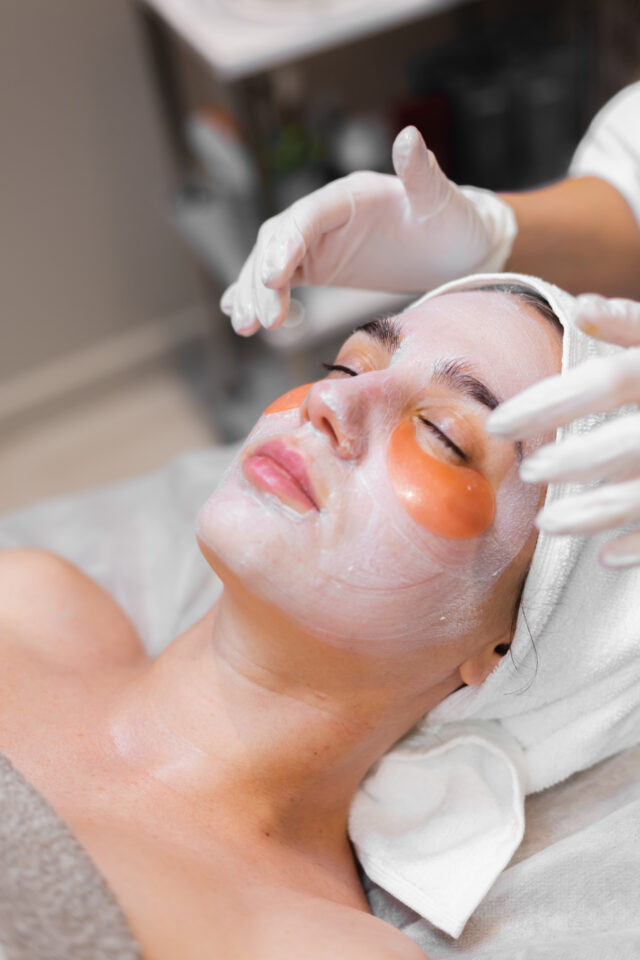
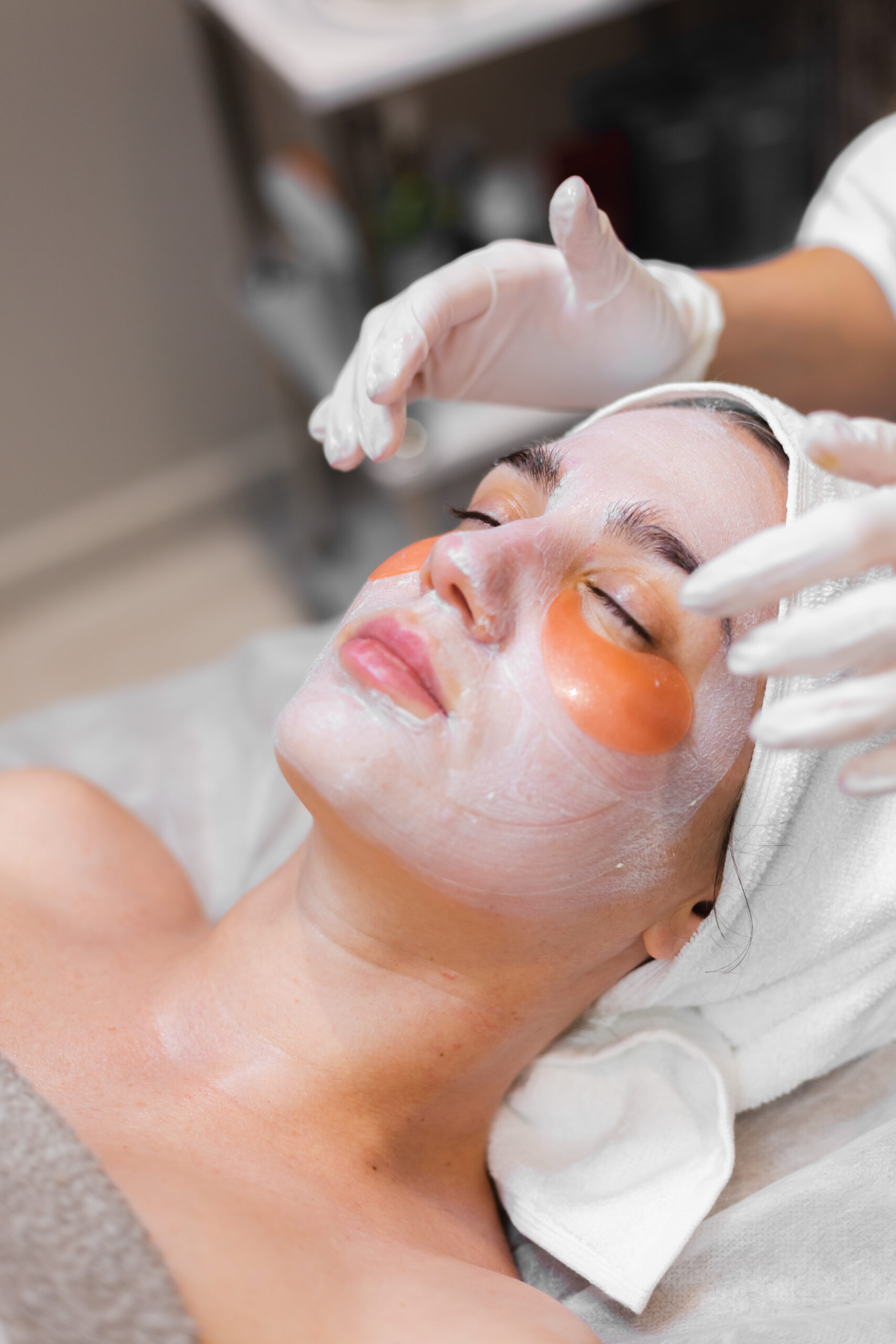
At the end of the day, whether you go classic or high-tech, the best facial is the one that makes your skin—and you—feel amazing.
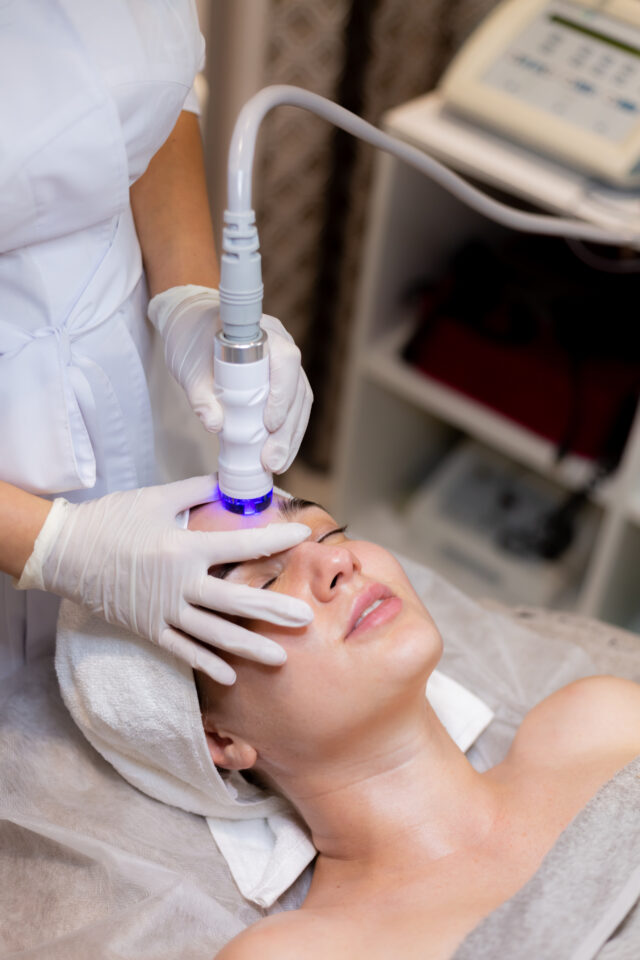
Catch you next time!

Laser Treatment for Acne Scars: Does It Really Work?

Laser Treatment for Acne Scars: Here’s What You Need To Know

             
Laser Treatment for Acne Scars: Here's What You Need To Know

Laser Treatment for Acne Scars: Does It Really Work?

Acne scars aren’t just marks, they’re memory holders of every breakout, every stressful week, and every hormonal curveball your skin endured. And while they tell a story, you don’t have to wear it on your face forever. That’s where laser treatment for acne scars steps in, smoothing, healing, and giving your skin a fresh start.


Why Acne Scars Can Be So Persistent

Acne scars happen when the skin heals unevenly after a breakout. You can get pitted scars, rolling scars, or boxcar scars, and each type needs a slightly different approach. Factors like hormones, genetics, and even stress can make scars linger, meaning traditional skincare alone often isn’t enough.

How Laser Treatment Helps

Laser therapy targets the damaged skin and stimulates collagen production, which helps rebuild and smooth the skin from within. Over multiple sessions, scars gradually fade, skin texture improves, and overall tone becomes more even.

Some common lasers for acne scars include:

  • Fractional CO2 Laser: Perfect for deep scars, boosts collagen rebuilding.
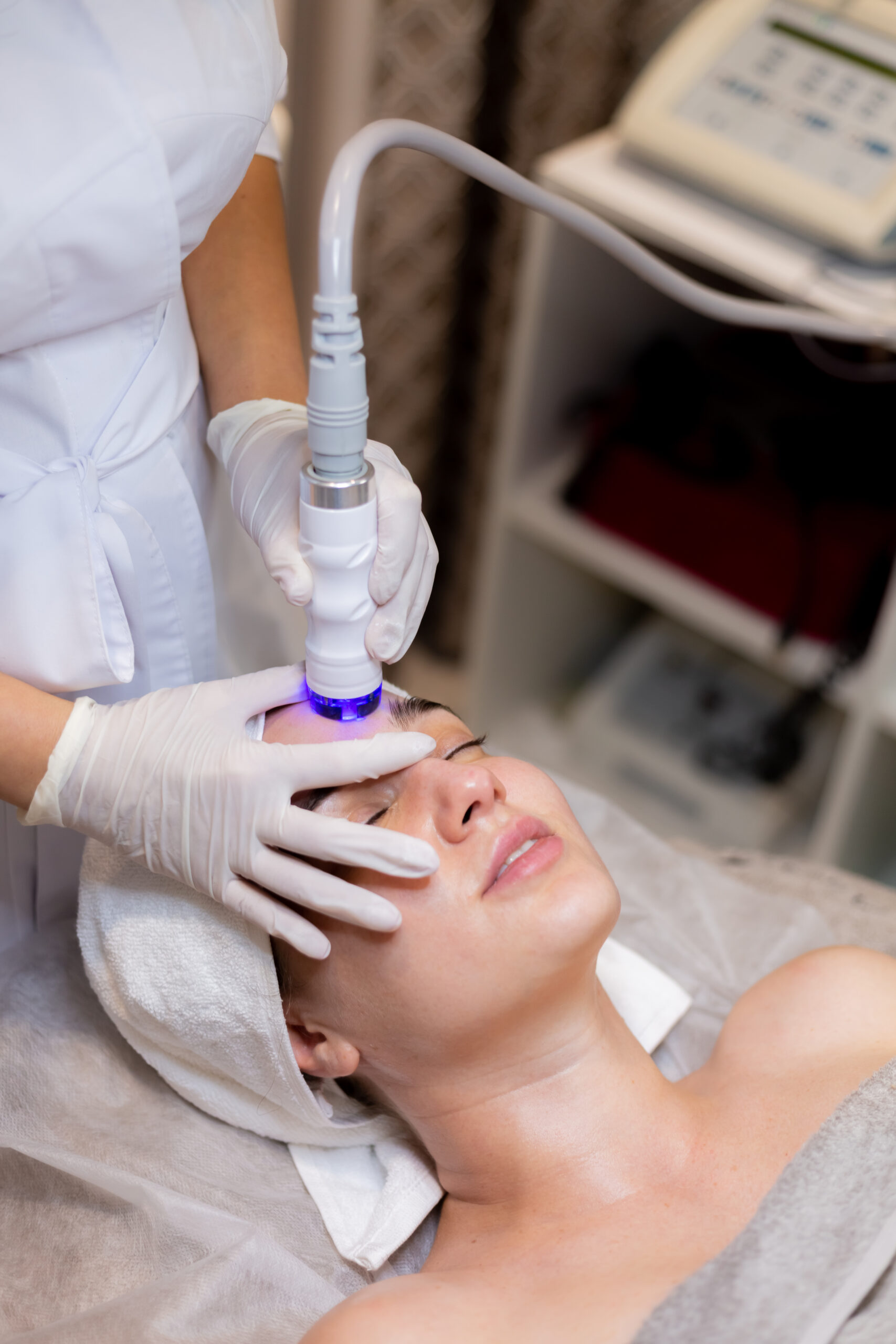
  • Erbium Laser: Gentle and precise, ideal for sensitive areas.
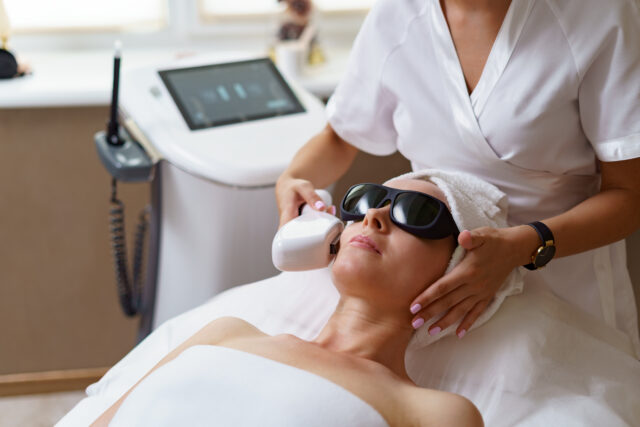
  • Pulsed Dye Laser: Reduces redness and discoloration effectively.

The type of laser you need depends on your scar type, skin tone, and sensitivity, so consulting a skilled practitioner is essential.


Why Laser Treatment Is Worth It

Unlike creams or masks that may only provide surface-level improvements, laser treatment for acne scars works below the skin’s surface. It’s safe, minimally invasive, and offers long-lasting results. Over time, the procedure can leave your skin smoother, more even, and healthier-looking—making makeup application easier and giving your skin a true “reset.”


If acne scars have been holding you back from enjoying your skin, a customized laser treatment plan could make a huge difference. With the right approach, your scars can fade, your skin can smooth out, and your natural glow can shine through—because your skin deserves the best care possible.

Catch you next time!

Face Laser: Is It Safe, Effective, and Worth It? My Personal Experience

Is Face Laser Worth It? Here’s My Personal Experience

             
Is Face Laser Worth It? Here's My Personal Experience

Face Laser: Is It Safe, Effective, and Worth It? My Personal Experience

If you’re anything like me—a fellow PCOS girl who’s battled the uninvited guest of facial hair—you know how frustrating it can be. Between stubborn peach fuzz, random hairs popping up in sunlight, and the endless struggle with makeup, I’ve been there. And let me tell you, the journey to smooth, silky skin is not always straightforward.


My Early (Painful) Laser Experience

I’ll be honest—I’ve had over 30 laser sessions at an old clinic. Yep, you read that right. Thirty! While I did see some results, the process felt like running on a treadmill with no finish line. PCOS isn’t exactly cooperative, and later being diagnosed with hypothyroidism only made hair growth even trickier to manage. Even after all those sessions, my facial hair issues weren’t gone, and my confidence still took hits every time I caught myself in sunlight or tried to take a close-up selfie.


Enter Silkor: The Game-Changer

Fast forward to my first session at Silkor, and let me tell you, my mind was blown. I switched to using their Elite Laser, which is specially designed for fine facial hair. And guess what? I barely felt a thing. The procedure was quick, only about 10 minutes, and honestly, it was the first time I felt like I was finally on the right track.


The Results That Made Me Believe

After just a few sessions at Silkor, the difference was insane. My face was finally smooth, glowing, and free of that annoying peach fuzz that ruins makeup. I could finally look at myself in natural sunlight without cringing. Those tiny, persistent hairs that had been haunting me? Gone. And with it, a huge weight off my shoulders. My confidence skyrocketed, and I genuinely felt happy in my skin for the first time in years.


Why Face Laser Is Worth It

So, is face laser safe, effective, and worth it? Absolutely, especially when done right. With the proper equipment like the Elite Laser for fine hairs and skilled practitioners (shoutout to the amazing Silkor team!), it’s painless, fast, and delivers real results—even for tricky cases like PCOS and hormonal imbalances.

Here’s why I’d recommend it:

  • Safety first: Modern lasers target hair follicles without damaging surrounding skin.

  • Effective results: Unlike endless creams or DIY remedies, laser provides long-term hair reduction.

  • Confidence boost: Let’s be real—smooth, glowing skin changes your life.


Final Thoughts

If you’re hesitant, I get it. I was too. But after my experience, I can confidently say starting face laser at Silkor was one of the best decisions I’ve ever made. It’s fast, almost painless, and the results? Unreal. Plus, the practitioners are kind, professional, and really know their stuff.

For anyone struggling with facial hair, PCOS-related growth, or even minor peach fuzz—take it from me: it’s worth it. Your confidence, your selfies, your makeup, your whole vibe—trust me, you’ll thank yourself later.

Catch you next time!

Scar Laser Treatment in Dubai: Smooth Skin, Stunning Results

Scar Laser Treatment in SILKOR Dubai: Smooth Skin, Stunning Results

             
Scar Laser Treatment in SILKOR Dubai: Smooth Skin, Stunning Results

Scar Laser Treatment in Dubai: Smooth Skin, Stunning Results

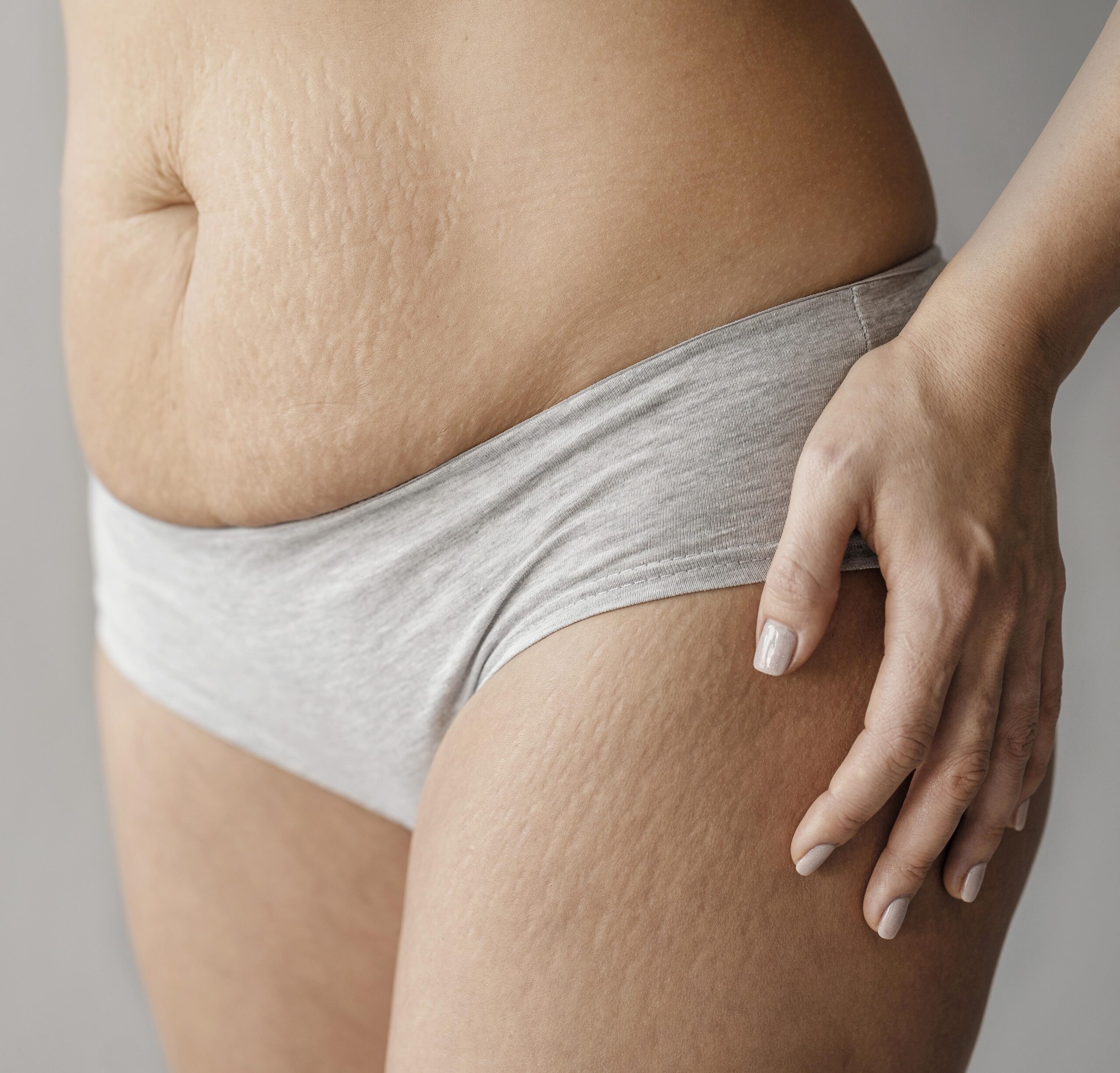
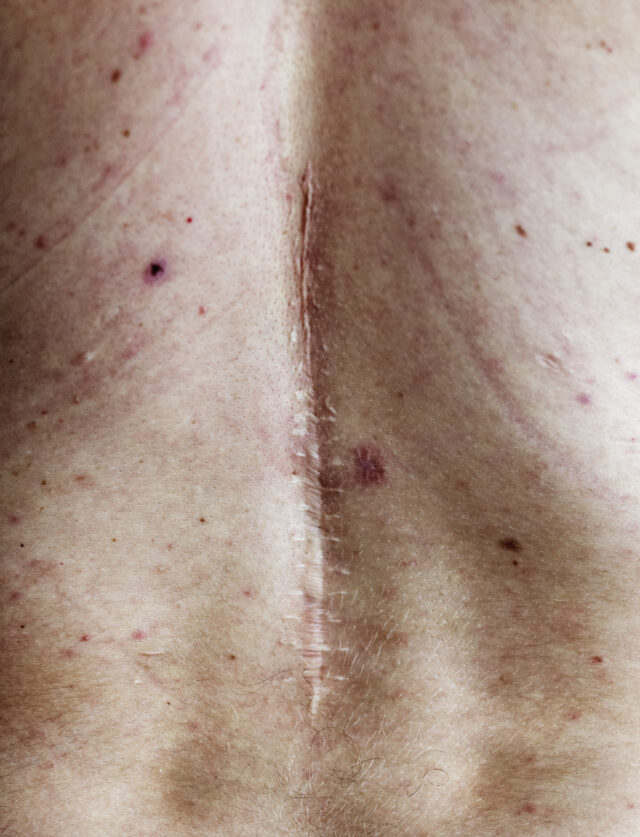
We all have that one scar (or maybe a few) that shows up louder than it should. Acne that refused to leave quietly, a surgery mark that overstayed its welcome, or stretch marks that feel like uninvited guests.

Sure, scars tell stories, but not every story deserves a spotlight. That’s where scar laser treatment steps in: not to erase your past, but to let your skin look like it finally moved on. And if you live in Dubai, you’re in luck—Silkor Clinic’s three branches in Downtown Dubai, Jumeirah, and Uptown Mirdif Mall make fading those reminders easier than ever.


What Is Scar Laser Treatment, Really?

Think of scar laser treatment as hitting the refresh button on your skin. Using advanced laser technology, it works by stimulating collagen, resurfacing the skin, and reducing pigmentation or texture differences that make scars noticeable.

Translation? Your scars fade, your skin tone evens out, and you finally stop zooming in on selfies trying to edit them away.


Who Is It For?

If you’ve been side-eyeing your mirror because of:

  • Acne scars that overstayed their welcome

  • Surgical scars that won’t budge

  • Stretch marks that make you self-conscious

  • Pigmented or textured marks that grab too much attention

…then laser scar removal might be your skin’s new best friend.


Why Choose Scar Laser Treatment in Dubai at Silkor?

Here’s the deal: laser treatments are only as good as the clinic you trust. At Silkor Clinic Dubai, you don’t just get a treatment—you get expertise, advanced technology, and a team that actually cares about your results.

  • Three Convenient Locations: Whether you’re in the heart of Downtown Dubai, chilling by the coast in Jumeirah, or shopping at Uptown Mirdif Mall, there’s a Silkor near you.

  • Advanced Technology: We use FDA-approved, medical-grade lasers designed to safely and effectively target scars.

  • Personalized Plans: Because no two scars (or stories) are the same, your treatment plan is tailored to your skin.


What to Expect from the Treatment

No sugarcoating: it’s not a one-and-done treatment. Most people need a few sessions for best results, and you might feel a little warmth or redness after. But the results? Smoother skin, softer texture, and scars that finally stop stealing the spotlight.


The Bottom Line

Scars don’t have to define your skin story. With scar laser treatment in Dubai at Silkor Clinic, you can finally take control, fade what no longer serves you, and step into a version of yourself that feels comfortable, confident, and yes—camera-ready.

So whether you’re near Downtown Dubai, Jumeirah, or Uptown Mirdif Mall, Silkor is here to help you turn the page on scars and start fresh.

Because smooth skin isn’t just about beauty—it’s about feeling like you again.

Catch you next time!

Mastering the Art of Self-Control When Life Spins Out of Your Hands

The Art of Self-Control: Practical Ways To Master It

             
The Art of Self-Control: Practical Ways To Master It

Mastering the Art of Self-Control When Life Spins Out of Your Hands

Here’s a hard pill to swallow: you can’t control everything. Not the traffic, not the weather, not the weird email your boss sends at 11:47 p.m., and definitely not other people’s decisions. And yet, we often act like we can—or worse, like we should. Cue the stress, overthinking, and late-night plotting on how you can control your life.

But here’s the secret nobody told us in school: the real skill isn’t about controlling everything around you. It’s about learning to control yourself when life decides to go completely off-script (which happens very often).


Why We Crave Control in the First Place

Humans love control. It makes us feel safe, like we’re driving the car instead of being dragged along in the trunk. When life throws uncertainty—whether it’s a breakup, a job rejection, or a random curveball we didn’t see coming—our brains panic. Suddenly, we start micromanaging everything: diets, inboxes, friendships, even Netflix watchlists (don’t lie, you’ve done it too).

The truth? Trying to control the uncontrollable only leaves us exhausted. The better approach is shifting focus from what we can’t change to what we can.


Staying in Your Lane: What You Can Control

Think of life as two circles:

  1. The Outer Circle (a.k.a. chaos you can’t touch): other people’s choices, global events, the stock market, your neighbor’s dog barking at 2 a.m.

  2. The Inner Circle (your golden zone): your reactions, your mindset, your habits, your self-talk, and how you choose to spend your energy.

When you invest in your inner circle, you stop wasting time trying to wrestle with the outer one. That’s where emotional self-control lives—your ability to breathe, reset, and keep moving even when life feels unfair.


Practical (and Actually Doable) Ways to Stay in Control

Okay, but how do you actually do this? Here’s what works in real life:

  • Pause Before You React: That angry text you want to send? Draft it, laugh at it, then delete it.

  • Control the Controllables: Sleep, movement, hydration, and showing up for yourself. Simple, boring—but surprisingly powerful.

  • Change Your Story: Instead of thinking, “This is happening *to* me,” try, “This is happening *for* me.” Cheesy? Maybe. But it shifts you from victim mode to growth mode.

  • Micro-Distractions: When your brain spirals, interrupt it—walk, journal, or even reorganize that chaotic drawer we both know you’ve been ignoring.


Why Letting Go Feels Like Freedom

The wild thing about letting go of what you can’t control is that it makes space for peace. It doesn’t mean you don’t care. It just means you’ve decided not to drive yourself insane over things that were never yours to manage anyway.

When you understand how to control yourself—your emotions, your reactions, your focus—you suddenly feel lighter. Life still throws punches, but you don’t get knocked out as easily. You learn to bend, not break.


Final Takeaway

Here’s the deal: you don’t need to control the storm—you just need to control your umbrella. Life will always have unpredictable twists, but self-control, resilience, and emotional balance will keep you steady no matter what’s happening around you.

So, next time you’re faced with chaos, ask yourself: Is this my circle to control—or is it time to let go? Then exhale, adjust your crown, and keep walking.

Because the real power? It was always in you.

Catch you next time!

Laser Hair Removal: When’s the Best Time to Start?

Laser Hair Removal: When’s the Best Time to Start?

             
Laser Hair Removal: When’s the Best Time to Start?

Laser Hair Removal: When’s the Best Time to Start?

I think it’s safe to say that shaving, waxing, threading, and epilating feels like a full-time job no one signed up for. The worst part? Just when you think you’ve finally achieved that silky-smooth finish, boom—stubble makes its grand reappearance. That’s where laser hair removal steps in, not just as a treatment, but as your ticket to freedom from the endless hair-removal cycle.

But the big question everyone has is: When’s the best time to start laser hair removal? It’s not just about picking a random date on your calendar. Timing actually matters, and here’s why.


Why Timing Matters for Laser Hair Removal

Laser hair removal treatment works best when your hair follicles are in their active growth phase (called the anagen phase). Since not all your hairs grow at the same time, multiple sessions are needed to catch them all.

That’s why most specialists recommend 6 to 8 sessions spaced a few weeks apart. Translation: starting earlier means you’ll get to your final results sooner (and say goodbye to shaving sooner, too).


Why Fall and Winter Are The Best Option

Here’s the inside scoop: the absolute best time to begin laser hair removal is during the cooler months—fall and winter. Why?

  • Less Sun Exposure: Lasers and suntans don’t mix. The treatment works best on untanned skin, and you’ll need to avoid sun exposure before and after sessions.

  • Time to Prep for Summer: If you start in fall or winter, by the time summer rolls around, you’ll be rocking smooth, hair-free skin without worrying about last-minute waxes.

  • Layer-Friendly Healing: Any redness or sensitivity post-session? Easy to hide under your cozy sweaters and jeans.

Basically, starting in the colder seasons is like planting seeds in winter for a full bloom in summer.


Can You Start in Spring or Summer? Absolutely.

Now, don’t panic if you missed the “ideal season.” Laser hair removal can be done any time of year. You’ll just need to be extra mindful about sun exposure—think SPF 50 ALL THE TIME and avoiding direct tanning.

If you’ve got a spontaneous summer trip coming up, you may want to schedule your sessions around it. But hey, the sooner you start, the sooner you’ll be done. And trust me, nothing feels better than lounging poolside without worrying about shaving your bikini line every other day.


Who Should Think About Starting Now?

Honestly? Pretty much anyone tired of the shaving-waxing cycle. But especially if you:

  • Want to be ready for a wedding, vacation, or big event.

  • Struggle with ingrown hairs or sensitive skin.

  • Simply want to reclaim all that time you spend with razors and wax strips.

The earlier you start, the earlier you’ll see results. Your future self (and your smooth skin) will thank you.


The Bottom Line

There’s no “wrong” time to start laser hair removal, but if you want the smoothest, most effortless summer ever, starting in fall or winter gives you a head start. Think of it as prepping your skin for the glow-up season ahead.

So if you’ve been waiting for a sign—this is it. Ditch the razors, cancel your wax appointments, and invest in smooth, stress-free skin. Trust me, once you go laser, you’ll wonder why you didn’t start sooner.

Catch you next time!

Scar Removal: Let’s Talk About Healing Your Skin

Everything You Need To Know To Get Rid Of Scars

             
Everything You Need To Know To Get Rid Of Scars

Scar Removal: Let’s Talk About Healing Your Skin

Scars tell stories, some of them are funny—like that one from when you tripped when you were 10 after your mom told you “stop playing and come back inside”. Some are less fun—like acne scars that decided to hang around way longer than the actual acne. And then there are the ones you just wish would fade quietly into history.

But here’s the good news: scar removal treatments today are smarter, gentler, and way more effective than the old-school “just cover it with makeup” advice. If you’ve been googling things like how to get rid of acne scars, best treatments for scar removal, or how to fade scars fast, you’re in the right place. Grab your coffee (or matcha, no judgment), and let’s talk.


Why Scars Stick Around in the First Place

Scars happen because your skin, bless it, is basically doing emergency repairs after an injury, acne breakout, or surgery. Sometimes it heals smoothly, but other times it leaves behind a mark, bump, or dip—like that one friend who “helps” but leaves your kitchen messier than before.

There are different types of scars too:

  • Acne scars: pitted, raised, or discolored.

  • Surgical scars: the ones that remind you of hospital gowns and beeping machines.

  • Injury scars: the “souvenirs” from life’s clumsy moments.

Understanding what type of scar you’re dealing with is the first step toward choosing the right scar removal treatment.


Scar Removal Treatments That Actually Work

Now, onto the fun part: options that really make a difference. Because no, toothpaste and lemon juice are not the answer (seriously, please don’t try that).

Laser Scar Removal – Think of this as your skin’s reset button. Lasers resurface and stimulate collagen production, which helps smooth and fade scars over time. Perfect for acne scars or surgical scars that just won’t quit.

Microneedling – Tiny needles = big results. This treatment boosts your skin’s natural healing, encouraging smoother texture and more even tone. Bonus: it also makes your skincare products work harder.

Chemical Peels – Not as scary as it sounds. These remove the top layer of skin so fresh, new skin can take its place. Great for discoloration and shallow scars.

Fillers for Scars – Yep, the same fillers that enhance lips can also “fill in” indented scars. It’s instant gratification (and who doesn’t love that?).

Surgical Revision – For larger or deeper scars, a plastic surgeon can literally revise the scar’s appearance to make it less noticeable.


So… Do Scars Ever Fully Disappear?

Here’s the honest truth (because we’re friends, right?): scars don’t magically vanish, but with the right scar removal treatment, they can fade so much that they stop being the first thing you notice in the mirror. Instead of covering up, you’ll feel more confident letting your skin breathe.


A Little Pep Talk Before You Go

Having scars doesn’t make you less beautiful, but wanting them gone doesn’t make you vain either. It’s about feeling comfortable in your skin. And with today’s advanced scar removal options—whether it’s laser, microneedling, chemical peels, or fillers—you don’t have to settle for scars writing your story.

So next time you catch yourself staring at that old acne scar, just know: it doesn’t have to be forever.

Catch you next time!

Quiet Luxury or Just Beige Overload? Let’s Talk.

Quiet Luxury or Just Beige Overload? Let’s Discuss It

             
Quiet Luxury or Just Beige Overload? Let’s Discuss It

Quiet Luxury or Just Beige Overload? Let’s Talk.

You’ve probably seen it all over TikTok and Instagram: people blabbing about quiet luxury and the clean girl aesthetic like it’s the secret password to life’s VIP lounge. Think slick buns, no-makeup makeup, neutral nails, and of course… beige. So much beige.

But here’s the question: is “quiet luxury” really a lifestyle—or is it just rich people wearing boring clothes and calling it a trend?

Funny enough, this thought first hit me when I came across a reel from Christina Kirkman on her podcast Life’s A Joke. She said what we were all secretly thinking: quiet luxury is basically just rich people wearing beige. And honestly… she’s right.


Wait, What Even Is Quiet Luxury?

Quiet luxury, also called “stealth wealth” or the “old money aesthetic,” is basically fashion’s way of flexing without labels. Instead of loud logos and flashy designer prints, it’s about minimalism, muted tones, high-quality fabrics, and outfits that whisper “I summer in Capri” without actually saying it.

So instead of a Gucci belt screaming across your waist, it’s a perfectly tailored pair of beige trousers that just fit. Instead of a YSL logo bag, it’s a buttery leather tote that only fashion insiders recognize.

And here’s the kicker: it’s not new. It’s literally just classic, minimalist style being repackaged for the social media era.


The Clean Girl Aesthetic: A Cousin of Quiet Luxury

Now, the clean girl aesthetic is like quiet luxury’s younger, cooler sister. It’s all about dewy skin, slicked-back buns, gold hoops, and looking like you “just woke up like this” (but actually spent an hour with skincare, foundation, and Olaplex).

Both trends rely on the idea of effortlessness—but the reality? It takes effort. And usually, money.


Rich People Wearing Beige (And Selling It Back to Us)

Here’s the funny part: the idea of “quiet luxury” sounds glamorous, but let’s call it out—it’s literally just rich people wearing beige. White shirts, neutral blazers, black trousers. Stuff our moms told us to buy at Zara ten years ago.

The difference? These pieces are now coming from brands like The Row, Loro Piana, or Khaite with price tags that could pay someone’s rent. And thanks to TikTok and influencers, beige has been elevated from “neutral wardrobe staple” to “quiet luxury must-have.”

It’s fashion’s biggest inside joke: making the most basic clothes a symbol of wealth.


Why Are We So Obsessed With It?

Because, honestly? It photographs well. Beige tones, minimal makeup, and clean aesthetics look good on Instagram grids. It feels aspirational, chic, and timeless—like if you buy the right beige sweater, suddenly your life will look like a Nancy Meyers movie.

And let’s be real: social media eats it up. The “clean girl aesthetic” gets millions of hashtags. Search “quiet luxury outfits” and you’ll be drowning in reels of beige-on-beige styling tips. The trend thrives because it sells a lifestyle, not just clothes.


Quiet Luxury vs. Real Life

Here’s the truth nobody says out loud: quiet luxury isn’t practical for most people. White trousers and beige coats aren’t made for metro rides, spilled coffee, or running errands with toddlers. The “effortless” look isn’t really effortless—it requires constant maintenance, dry cleaning, and… well, money.

Meanwhile, the rest of us are out here wearing black because it hides pizza stains.


So… Is Quiet Luxury Worth It?

If you love minimalist fashion and neutral tones, absolutely embrace it. Build a timeless wardrobe with high-quality basics that last. But don’t feel pressured into thinking beige = luxury. You can find chic, clean girl aesthetic outfits at places like thrift stores without dropping thousands.

Because at the end of the day, “quiet luxury” is just branding. And sometimes, branding is really just beige with better lighting.


Final Thoughts: Beige or Bust?

The next time you scroll past another “quiet luxury outfit inspo” reel, remember: it’s not a fixed standard for elegance—it’s just one style out of many. Wear what makes you feel like yourself, whether that’s a beige trench coat or a neon pink tracksuit.

Because true luxury is not about the colour. It’s about comfort, confidence, and clothes that feel like you.

Catch you next time!

The Real Tea on Acne Scars: What They Are & How to Spot the Type You Have

Acne Scars: Types, Causes, & Common Treatments

             
Acne Scars: Types, Causes, & Common Treatments

The Real Tea on Acne Scars: What They Are & How to Spot the Type You Have

We’ve all been there — you finally win the war against a breakout, only to find… souvenirs. Tiny dents, shadowy patches, or textured skin that wasn’t there before. Yep, acne may leave, but its scars? They like to hang around like that one friend who “forgets” to go home after the party.

But here’s the thing: not all acne scars are the same. Knowing which type you have is step one to actually treating them — because your skin deserves more than “just exfoliate.” Let’s break them down.


1. Ice Pick Scars: The Deep and Dramatic Ones

Picture this: tiny but fierce holes that look like someone poked your skin with a pin. Ice pick scars are narrow, deep, and the hardest to ignore — kind of like that song you can’t get out of your head.
Why they happen: When severe acne digs deep into your skin, it damages the tissue and leaves a narrow pit behind.
Common fix: Treatments like microneedling, chemical peels, or even laser resurfacing are the go-tos here.


2. Boxcar Scars: The Sharp-Edged Ones

Imagine little square craters on your skin — not cute, I know. Boxcar scars are broad with sharp edges, making your skin look uneven under certain lighting (hello, unflattering selfies).
Why they happen: Collagen loss after inflammation leaves the skin without support, causing those defined dips.
Common fix: Dermal fillers, microneedling, fractional lasers — basically, anything that helps your skin rebuild collagen.


3. Rolling Scars: The Soft and Wavy Ones

If your skin’s texture looks more “rolling hills” than “smooth glass,” you might have rolling scars. They’re wide, shallow, and give the skin a wavy appearance.
Why they happen: Fibrous bands form under the skin, pulling it down in certain areas.
Common fix: Subcision (a fancy way of cutting those bands loose), microneedling, or fractional CO₂ laser.


4. Hypertrophic Scars: The Overachievers

These scars are like that one plant in your garden that grows too much. Instead of leaving a dent, they go the opposite route and create a raised, thick patch on your skin.
Why they happen: The skin goes into overdrive making collagen during healing, creating a bumpy texture.
Common fix: Steroid injections, silicone sheets, or laser treatments can help flatten them.


5. Post-Inflammatory Hyperpigmentation (PIH): The Shadow That Won’t Leave

Technically, PIH isn’t a scar, but it might as well be for how much it overstays its welcome. It’s that dark mark left after a pimple, especially common in medium to dark skin tones.
Why they happen: Your skin produces extra melanin in response to inflammation.
Common fix: Sunscreen (your new BFF), chemical exfoliants like AHAs and BHAs, vitamin C serums, and professional treatments like chemical peels or laser.


Know It to Treat It

Acne scars don’t look the same on everyone. Once you figure out which type you’re dealing with, you (or a skin expert) can pick a targeted treatment plan and start working towards skin that feels like you again.

And hey, remember: scars or no scars, your skin is still doing its best. Be patient with it, invest in the right treatments, and give it the love it deserves.

Catch you next time!

Acne Scar Treatment: Your Guide to Smoother, Happier Skin

Acne Scars: Main Types, Treatments, & Tips For Smoother Skin

             
Acne Scars: Main Types, Treatments, & Tips For Smoother Skin

Acne Scar Treatment: Your Guide to Smoother, Happier Skin

You survived acne. You did the cleansers, the serums, the late-night Google searches. And just when you thought you were in the clear… the scars decided to stick around like an ex who “just wants to be friends.”

But here’s the thing — acne scars aren’t forever. With the right acne scar treatments, patience, and a little skincare strategy, you can smooth, fade, and sometimes completely erase them from your skin’s story.


First, Let’s Talk About What Acne Scars Actually Are

Acne scars form when your skin’s healing process after a breakout gets a little… creative. Instead of laying down smooth, even skin, it leaves behind dips, bumps, or dark marks.

There are a few main types:

  • Atrophic scars — Depressed or sunken scars, including icepick, boxcar, and rolling scars.

  • Hypertrophic scars — Raised scars caused by too much collagen during healing.

  • Post-inflammatory hyperpigmentation (PIH) — Those stubborn dark spots that linger long after a pimple is gone.

Knowing which type you have matters because different acne scar treatments target different scars.


Your Acne Scar Treatment Options (a.k.a. The Game Plan)

The best part about living in the age of modern skincare? You’ve got options. Lots of them.

1. Microneedling

Tiny needles create micro-injuries in your skin to boost collagen and smooth out scars. Think of it as hitting the reset button — but gently.

2. Laser Treatments

Fractional lasers like CO2 or Erbium work on deeper scars, resurfacing your skin and encouraging fresh collagen growth. These usually require some downtime, but the results? Worth it.

3. Chemical Peels

Acids like TCA or glycolic peel away the top layer of skin, fading discoloration and improving texture over time.

4. Dermal Fillers

For certain indented scars, fillers can temporarily “lift” the skin, making them less visible.

5. Topical Treatments

Retinoids, vitamin C serums, and niacinamide can all help fade hyperpigmentation and improve skin texture — but they take patience and consistency.


How to Get the Best Results

Here’s the skincare truth bomb: acne scar treatment is a marathon, not a sprint. To make the most of your efforts:

  • See a professional — They’ll match the right treatment to your scar type.

  • Be consistent — One-off treatments won’t do much.

  • Wear sunscreen every day — UV rays can darken scars and undo your progress.

  • Keep treating your acne — New breakouts = new scars, so prevention is key.


Acne scars might feel like permanent reminders of your skin’s battle, but with today’s acne scar treatments, they don’t have to be. Whether you go the professional route with microneedling or lasers, or stick to topical treatments at home, the key is consistency, patience, and protecting your skin along the way.

Clearer, smoother skin is possible — and no, you don’t have to live with scars that don’t match the glow you’re working toward.

Catch you next time!

Everything You Need to Know About Acne Cream (Before You Buy)

Acne Cream: Ingredients, How To Use It, And Results

             
Acne Cream: Ingredients, How To Use It, And Results

Everything You Need to Know About Acne Cream (Before You Buy)

The thing is, acne doesn’t just mess with your skin. It messes with your mood, your selfies, and sometimes even your social plans. And while the internet is full of “miracle cures,” the truth is, most acne solutions need two things: the right active ingredients and a bit of patience.

That’s where acne cream comes in — a small but mighty tube of targeted treatment that can help unclog pores, calm inflammation, and put those pesky breakouts on notice.


So, What Exactly Is Acne Cream?

Think of acne cream as a focused hit of skincare power, designed to be applied directly to problem areas (or all over if needed). Unlike cleansers, which you wash off, acne creams hang out on your skin, letting the active ingredients work overtime.

Some are designed for spot treatment — think zapping a single Mount Vesuvius-level pimple before a big event — while others are meant for preventive, full-face use to keep future breakouts from showing up uninvited.


What’s Inside That Matters

The effectiveness of an acne cream isn’t in the packaging — it’s in the ingredient list. Here are some common breakout-busting stars you’ll find:

  • Benzoyl Peroxide — Kills acne-causing bacteria and helps unclog pores.

  • Salicylic Acid — A BHA that exfoliates inside the pore to prevent blockages.

  • Retinoids — Boost cell turnover and keep pores clear.

  • Sulfur — Calms redness and soaks up excess oil.

  • Niacinamide — Reduces inflammation and strengthens the skin barrier.

Knowing which active works best for you is key. For example, benzoyl peroxide is great for inflamed pimples, while salicylic acid is ideal for blackheads and clogged pores.


How to Use Acne Cream Without Sabotaging Your Skin

Here’s where a lot of people go wrong — thinking “more is better.” With acne cream, restraint is your friend.

  1. Patch test first — Make sure your skin doesn’t freak out.

  2. Apply to clean, dry skin — This helps the product absorb better.

  3. Start slow — Especially if you’re using stronger actives like retinoids or benzoyl peroxide.

  4. Moisturize and protect — Always follow up with a good moisturizer and daily sunscreen.

Remember, your skin barrier protects… well you skin. Overloading it with too many actives can backfire and cause irritation — the skincare equivalent of a really bad breakup.


When to Expect Results

You’ll usually start to see changes in 4 to 6 weeks, but full results can take up to 12 weeks. Consistency is everything — skipping applications is like starting a Netflix series and never finishing it.


The Bottom Line

A good acne cream is like having a tiny, hard-working teammate in your skincare lineup. With the right formula for your skin type and a consistent routine, it can help reduce breakouts, prevent new ones, and give you a smoother, calmer canvas to work with.

So next time a breakout tries to ruin your day, don’t panic. Just reach for your acne cream, let it do the heavy lifting, and go live your life.

Catch you next time!

Benzoyl Peroxide Face Wash: How to Use It for Clear, Healthy Skin

Benzoyl Peroxide Face Wash Guide For Clear, Healthy Skin

             
Benzoyl Peroxide Face Wash Guide For Clear, Healthy Skin

Benzoyl Peroxide Face Wash: How to Use It for Clear, Healthy Skin

For those of you that have been blessed for not knowing how acne feels, I’m going to break it down for you today; acne is like that one guest who shows up uninvited, overstays their welcome, and somehow brings more friends. If you’ve tried all the hacks there are in the book and your skin still isn’t listening, it’s time to bring in the big guns: benzoyl peroxide face wash.

Before you picture a harsh, skin-stripping product that leaves your face feeling like cardboard, hear me out. When used right, benzoyl peroxide is less scary drill sergeant and more dependable wingman — the kind that’s got your back when your pores start plotting trouble.


What Exactly Is Benzoyl Peroxide


Benzoyl peroxide, or BPO for the skincare geeks among us, is one of the most trusted acne-fighting ingredients out there. Dermatologists love it because it tackles breakouts from two angles:

  1. It kills acne-causing bacteria — the main villains behind those angry red pimples.

  2. It clears away dead skin cells and excess oil — so your pores don’t get clogged in the first place.

Translation? It doesn’t just put out the fire — it also takes away the matches.


Why a Face Wash Is the Easiest Way to Start

If you’re new to benzoyl peroxide, a benzoyl peroxide face wash is a gentler, more beginner-friendly way to dip your toes in. Instead of leaving the ingredient on your skin for hours, you let it work its magic while you cleanse, and then rinse it off.

That means fewer chances of irritation while still getting those anti-acne benefits. Plus, it’s easy to slip into your morning or nighttime routine without adding an extra 10 steps.


How to Use It Without Making Your Skin Freak Out

Here’s the deal — benzoyl peroxide is powerful. And like all powerful things, it needs to be handled with a little TLC.

  • Start slow: Use it 2–3 times a week at first, then build up as your skin gets used to it.

  • Moisturize like you mean it: Hydrated skin handles active ingredients much better.

  • Don’t mix with certain actives: Using benzoyl peroxide and retinol at the same time can be a one-way ticket to irritation. Space them out.

  • Sunscreen is non-negotiable: Any acne treatment can make your skin more sensitive to the sun, so SPF is your new religion.


Who Should Use Benzoyl Peroxide Face Wash?

If your acne is mostly inflamed pimples and whiteheads (as opposed to blackheads or purely hormonal breakouts), benzoyl peroxide could be a game changer. It’s great for oily skin types, teens dealing with puberty-induced chaos, and adults still fighting “surprise” breakouts.

However, if your skin is Sahara-level dry or super sensitive, you might want to start with a lower concentration (like 2.5%) or alternate it with a gentle, non-active cleanser.


The Bottom Line

A benzoyl peroxide face wash isn’t a magical “wash it and forget it” potion — but it’s a tried-and-true, dermatologist-approved ally in the fight against acne. When you use it consistently, pair it with hydration, and don’t skip SPF, it can keep your skin clearer, smoother, and way less temperamental.

So next time your skin decides to throw a pimple party, invite benzoyl peroxide to crash it. Chances are, it’ll kick the troublemakers out and restore peace — one wash at a time.

Catch you next time!