
 Cosmetic and Plastic Surgery
 Medico-Aesthetic Services
 Skin Laser Solutions
 Skin Solutions
 Slimming Solutions






Breast Lift, Augmentation & Reduction
Your body. Your proportions. Your choice.
Book a Free Consultation
About the Treatment
Our center employs highly qualified medical specialists of the first and highest qualification categories with work experience of at least 10 years.

 Downtime
 Medical-onsultation
 Men and Women
 Surgical Procedure
Whether you’re looking to restore lost volume, achieve a fuller shape, lift sagging breasts, or find relief from the discomfort of a heavier chest, breast surgery is a personal decision with different goals for everyone. At Silkor, breast augmentation, lift, and reduction procedures are tailored to your anatomy, preferences, and your surgeon’s medical recommendations.
This Green Friday, enjoy 30% OFF selected plastic surgeries.
Which Breast Surgery Is Right for You?
Breast Augmentation
Looking for more volume or a different shape? Breast augmentation can help increase breast size, restore lost volume, and improve symmetry. Depending on your anatomy and desired outcome, your surgeon may recommend implants or fat transfer.
Breast Lift
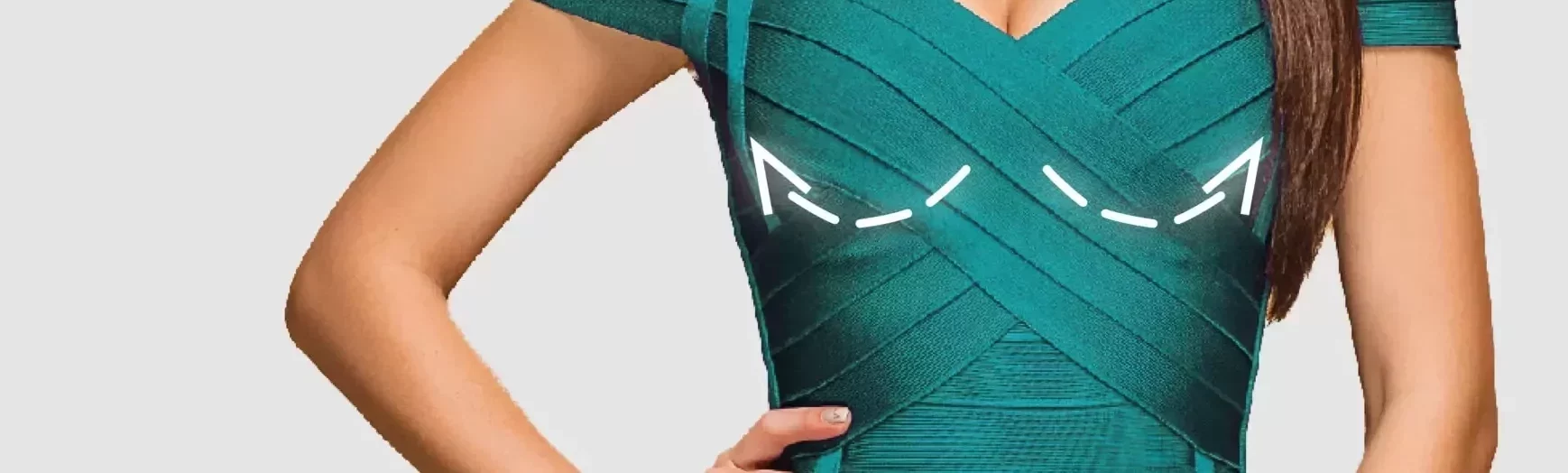
Changes following pregnancy, breastfeeding, weight loss, or aging can affect breast position and shape. A breast lift, also known as mastopexy, removes excess skin and reshapes the breast tissue to create a more lifted appearance.
Breast Reduction
When breast size feels disproportionate to your body or causes physical discomfort, breast reduction may help. The procedure removes excess breast fat, glandular tissue, and skin to create a smaller breast size that better suits your proportions.
Three types of procedures. Different goals. Your decision.
What Can Breast Surgery Help Address?
- Breast volume: Increase fullness or restore volume that has changed over time.
- Breast position: Lift breasts affected by sagging or changes in skin elasticity.
- Size and proportions: Reduce breast size when it feels disproportionate or causes discomfort.
- Breast symmetry: Address certain differences in breast size or shape.
- Personal aesthetic goals: Explore surgical options based on your preferences, anatomy, and medical suitability.

Curves that match your body goals!
Your consultation comes first.
Breast surgery isn’t simply about choosing a procedure. It’s about understanding what each option can realistically achieve for your body.
During your consultation, your plastic surgeon will review your medical history, discuss your goals, explain the available techniques, and help you understand potential risks, scars, recovery, and expected outcomes. If you’re considering augmentation, you’ll also discuss whether implants or fat transfer may be suitable. Your surgeon will help determine whether one procedure—or a combination—is appropriate for you.
Book a Free Consultation

Frequently Asked Questions
All you need to know about this treatment.
Augmentation increases or restores volume, a lift raises and reshapes the breasts, and reduction removes breast tissue and skin to decrease size. Each procedure addresses different concerns, and your surgeon can explain which may be suitable for you.
In some cases, yes. Combining the procedures may address both breast position and volume. Whether this is appropriate depends on your anatomy, health, and surgical goals, as determined by your plastic surgeon.
Recovery varies depending on the procedure and individual healing. You may need to limit strenuous activity and lifting for several weeks, with a gradual return to your usual routine according to your surgeon’s instructions.
Scars are an expected part of breast surgery. Their location and extent depend on the procedure and surgical technique. They generally mature over time, but their final appearance varies from person to person.
Here’s our treatment protocol:
Before Your Appointment
- Discuss your medical history, medications, allergies, and previous surgeries with your surgeon.
- Share your goals and ask about suitable procedures, alternatives, risks, and expected results.
- Follow all preoperative instructions, including any guidance on eating, drinking, smoking, or medications.
- Arrange transportation and support at home for your initial recovery period.
After Your Surgery
- Follow your surgeon’s instructions for wound care, dressings, and wearing a surgical bra or compression garment.
- Avoid strenuous exercise, heavy lifting, and upper-body activities until your surgeon clears you.
- Attend all scheduled follow-up appointments.
- Take prescribed medications only as directed and monitor your incisions for signs of infection.
- Seek urgent medical attention for chest pain, shortness of breath, heavy bleeding, or other severe or sudden symptoms.