
 Cosmetic and Plastic Surgery
 Medico-Aesthetic Services
 Skin Laser Solutions
 Skin Solutions
 Slimming Solutions




About the Treatment
Our center employs highly qualified medical specialists of the first and highest qualification categories with work experience of at least 10 years.

 Minimal downtime
 Consultation
 Men and Women
 Minimally invasive
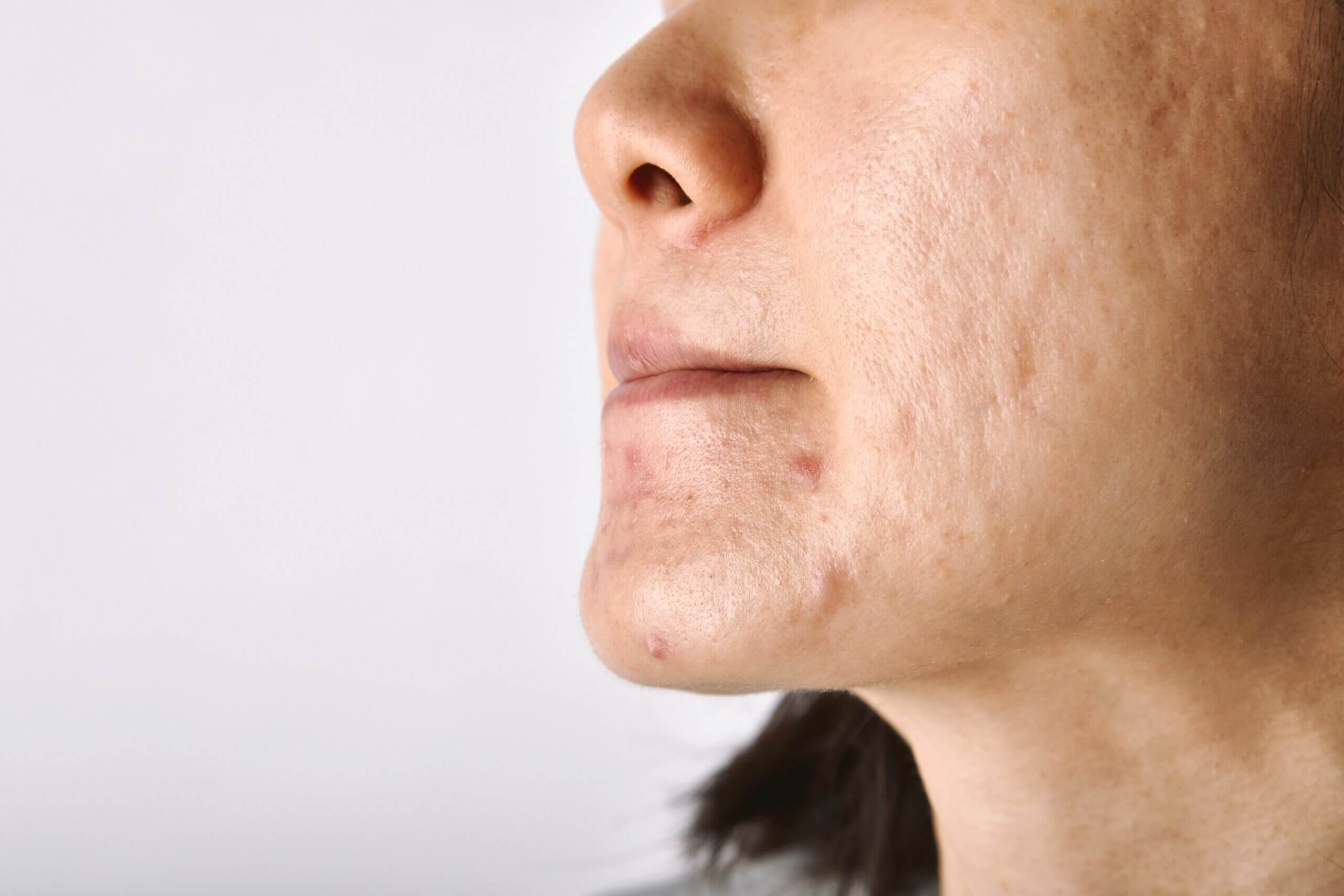
A stubborn acne cyst. A raised scar that just won’t settle. An inflamed patch of skin that needs more than your usual routine.
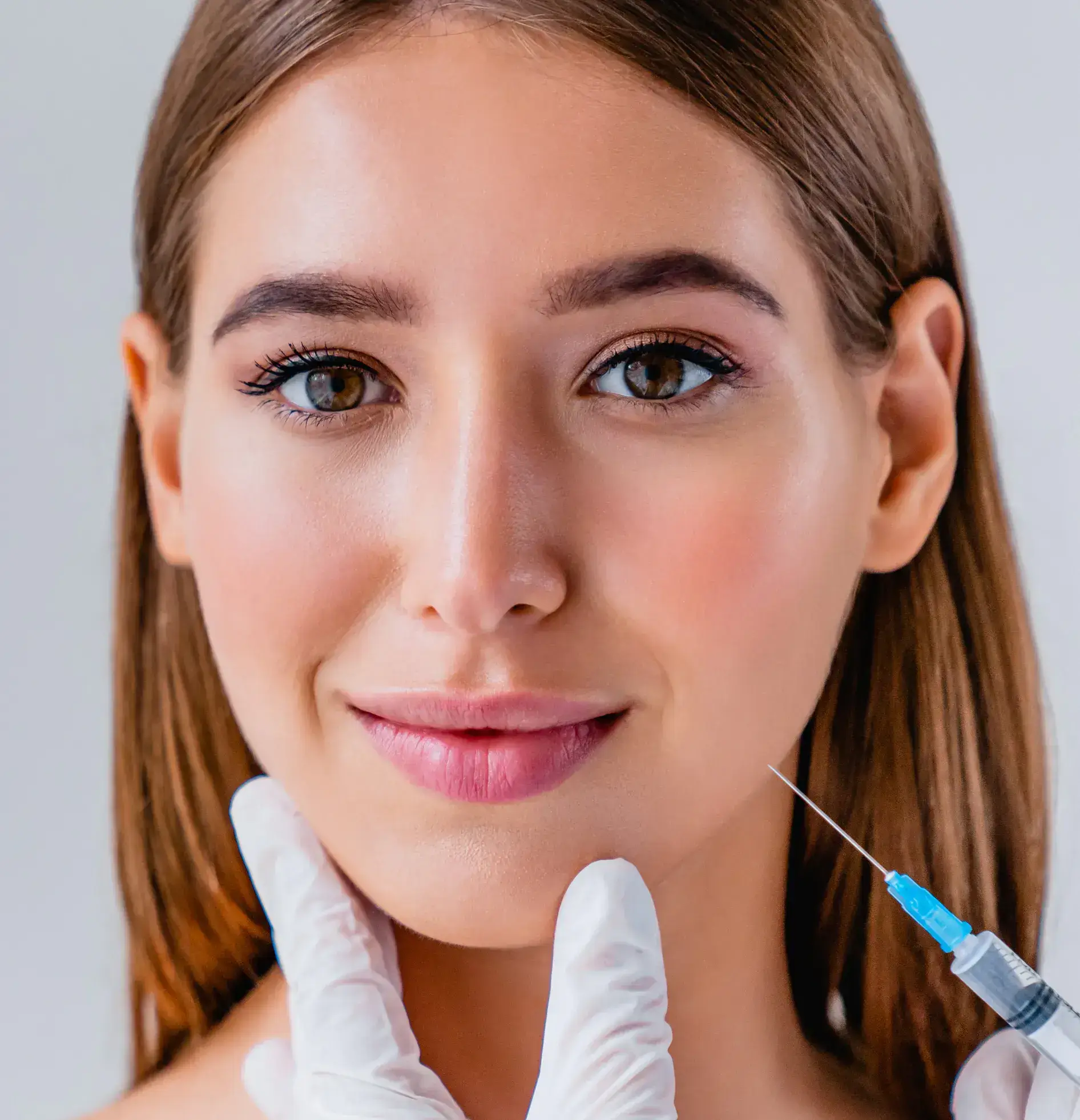
Cortisone injections deliver a corticosteroid directly into a selected area to help reduce inflammation and swelling. When medically appropriate, they can help flatten certain raised scars or calm individual inflamed acne lesions.
And this Green Friday, explore your treatment options with 25% OFF on Cortisone injection.
How does it work?
Corticosteroids such as triamcinolone work by reducing inflammatory activity in the treated tissue. A dermatologist injects a carefully selected amount into the affected area, aiming to calm inflammation while limiting exposure to surrounding tissue.
The medication, concentration, and injection depth depend on the condition being treated. This is a medical procedure, not a general-purpose cosmetic injection, and it should only be performed following a proper assessment.
When the concern is specific, the approach should be too.
Not Every Skin Concern Needs the Same Solution
Inflammation can show up in different ways, from painful acne cysts to thickened scars. Corticosteroid injections can be useful for certain conditions, but they aren’t suitable for every bump, scar, or area of puffiness.
At Silkor, your dermatologist assesses the affected area and determines whether an injection is appropriate—or whether another treatment would be safer or more effective.

Less inflammation is the goal. Protecting your skin is part of the plan.
What Can Cortisone Injections Help With?
When prescribed by a dermatologist, corticosteroid injections may be considered for:
- Raised hypertrophic and keloid scars: Helping reduce excessive scar thickness and inflammation.
- Inflamed acne cysts: Calming selected large, painful lesions and helping them settle.
- Localised inflammatory skin conditions: Treating specific conditions when a dermatologist determines that an injection is appropriate.
- Certain thickened or inflamed skin lesions: Depending on the diagnosis and the medication selected.
A note on psoriasis and under-eye puffiness: Corticosteroid injections are not routine treatments for general under-eye bags, and injecting steroids into delicate under-eye skin carries particular risks. Psoriasis is also usually managed with other treatments; injections may be appropriate only in selected circumstances under specialist supervision.
Cortisone injections can cause side effects, including skin thinning, indentation, and changes in pigmentation at the injection site. Your dermatologist will discuss the risks and expected benefits before proceeding.
Book a Free Consultation

Frequently Asked Questions
All you need to know about this treatment.
It depends on the condition being treated. An inflamed acne cyst may begin to settle within a few days, while raised scars can require repeated treatment over time. Your dermatologist will explain the expected timeline.
You may feel a brief sting or pressure during the injection. Some temporary tenderness can occur afterward, depending on the location and condition being treated.
Yes. Potential side effects include skin thinning or indentation, visible small blood vessels, and lighter or darker pigmentation at the injection site. The risk depends on the medication, dose, injection technique, and area treated.
No. These injections are generally reserved for selected inflamed lesions and certain raised scars. They are not a treatment for every type of acne, flat scar, or skin bump. A dermatologist should assess the area first.
Here’s our treatment protocol:
Before Your Treatment
- Attend a dermatologist consultation to confirm the diagnosis and whether an injection is suitable.
- Tell your doctor about your medical history, allergies, medications, and previous reactions to corticosteroids.
- Mention any skin infection near the treatment area.
- Discuss the benefits, potential side effects, and alternative treatments before proceeding.
After Your Treatment
- Follow your dermatologist’s aftercare instructions and keep the injection site clean.
- Avoid rubbing, squeezing, or putting unnecessary pressure on the treated area.
- Don’t repeat or increase treatment without medical guidance.
- Contact your dermatologist if you notice worsening pain, increasing redness, signs of infection, or a visible indentation or skin-colour change.