
 Cosmetic and Plastic Surgery
 Medico-Aesthetic Services
 Skin Laser Solutions
 Skin Solutions
 Slimming Solutions






About the Treatment
Our center employs highly qualified medical specialists of the first and highest qualification categories with work experience of at least 10 years.

 Downtime
 Consultation
 Men and Women
 Surgical Procedure
The eyes can say a lot without saying a word. But excess eyelid skin, puffiness, and under-eye bags can sometimes make you look more tired than you feel. Blepharoplasty, also known as eyelid surgery, is designed to address excess skin and, where appropriate, fat around the eyes for a more refreshed appearance.
This Green Friday, enjoy 30% OFF plastic surgeries.
How does it work?
Blepharoplasty is a surgical procedure that may involve removing or repositioning excess skin, fat, and sometimes tissue around the upper eyelids, lower eyelids, or both.
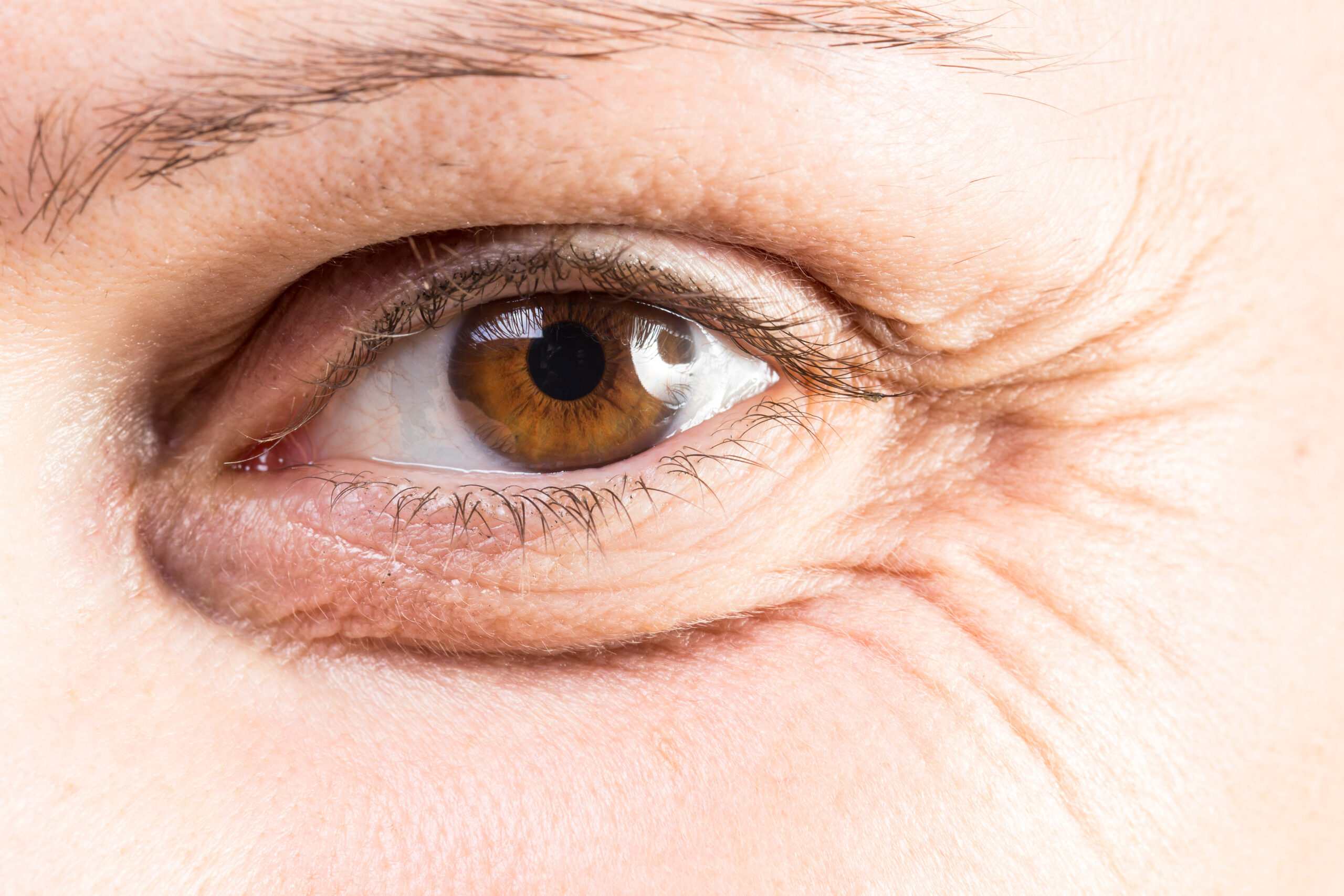
Upper eyelid surgery focuses on excess skin and fullness in the upper eyelid area, while lower eyelid surgery addresses concerns such as under-eye bags and selected forms of excess skin. The technique depends on your anatomy, concerns, and the surgeon’s assessment.
Same eyes. A fresher-looking frame.
What Can Eyelid Surgery Help Address?
- Drooping upper eyelids: Address excess skin that creates folds around the upper eyelids.
- Under-eye bags: Reduce the appearance of fullness caused by protruding fat.
- Excess eyelid skin: Remove selected skin that affects the natural contour of the eyelids.
- A tired-looking appearance: Improve the appearance of the eye area when excess skin or fat contributes to it.
- Selected functional concerns: In some cases, excess upper eyelid skin may interfere with peripheral vision and can be assessed by an appropriate specialist.

A wider perspective awaits you.
Upper or Lower Blepharoplasty?
Not every concern around the eyes calls for the same procedure. Upper blepharoplasty focuses on the upper eyelids, while lower blepharoplasty addresses concerns beneath the eyes. Some people may benefit from treating both areas, depending on their anatomy and goals.
During your consultation at Silkor, your surgeon will assess the eyelid area, review your medical history and eye health, and explain the most suitable approach, expected results, potential risks, and recovery process.
Book a Free Consultation

Frequently Asked Questions
All you need to know about this treatment.
The goal is to address specific concerns around the eyelids while respecting your natural features. Results vary depending on your anatomy and the surgical technique, and no particular outcome can be guaranteed.
Swelling, bruising, and temporary tightness are common during the initial recovery period. Many people need around one to two weeks before returning to some everyday activities, although healing varies and residual swelling can take longer to settle. Follow your surgeon’s instructions.
Incisions are generally placed along the natural crease of the upper eyelid or in discreet locations around the lower eyelid, depending on the technique. Scars usually mature over time, but their final appearance varies.
Yes, in selected cases. Your surgeon will determine whether treating both areas in one operation is appropriate based on your health, eye anatomy, and goals.
Here’s our treatment protocol:
Before Your Appointment
- Discuss your medical history, medications, allergies, eye conditions, and any previous eye or facial procedures.
- Tell your surgeon if you experience dry eyes, vision changes, or other eye-related symptoms.
- Ask which areas will be treated, where incisions will be placed, and what risks and recovery requirements apply.
- Follow all preoperative instructions, including guidance about medications and smoking.
- Arrange transportation home and support during your initial recovery.
After Your Surgery
- Follow your surgeon’s instructions for wound care and any recommended cold compresses.
- Keep the treated area clean and avoid rubbing or putting pressure on your eyes.
- Avoid strenuous exercise, heavy lifting, and activities that may strain the eyes until your surgeon clears you.
- Protect the healing area from sun exposure as advised.
- Attend your follow-up appointments.
- Contact your medical team about concerning symptoms and seek emergency care for sudden vision changes, severe eye pain, or significant bleeding.