
 Cosmetic and Plastic Surgery
 Medico-Aesthetic Services
 Skin Laser Solutions
 Skin Solutions
 Slimming Solutions
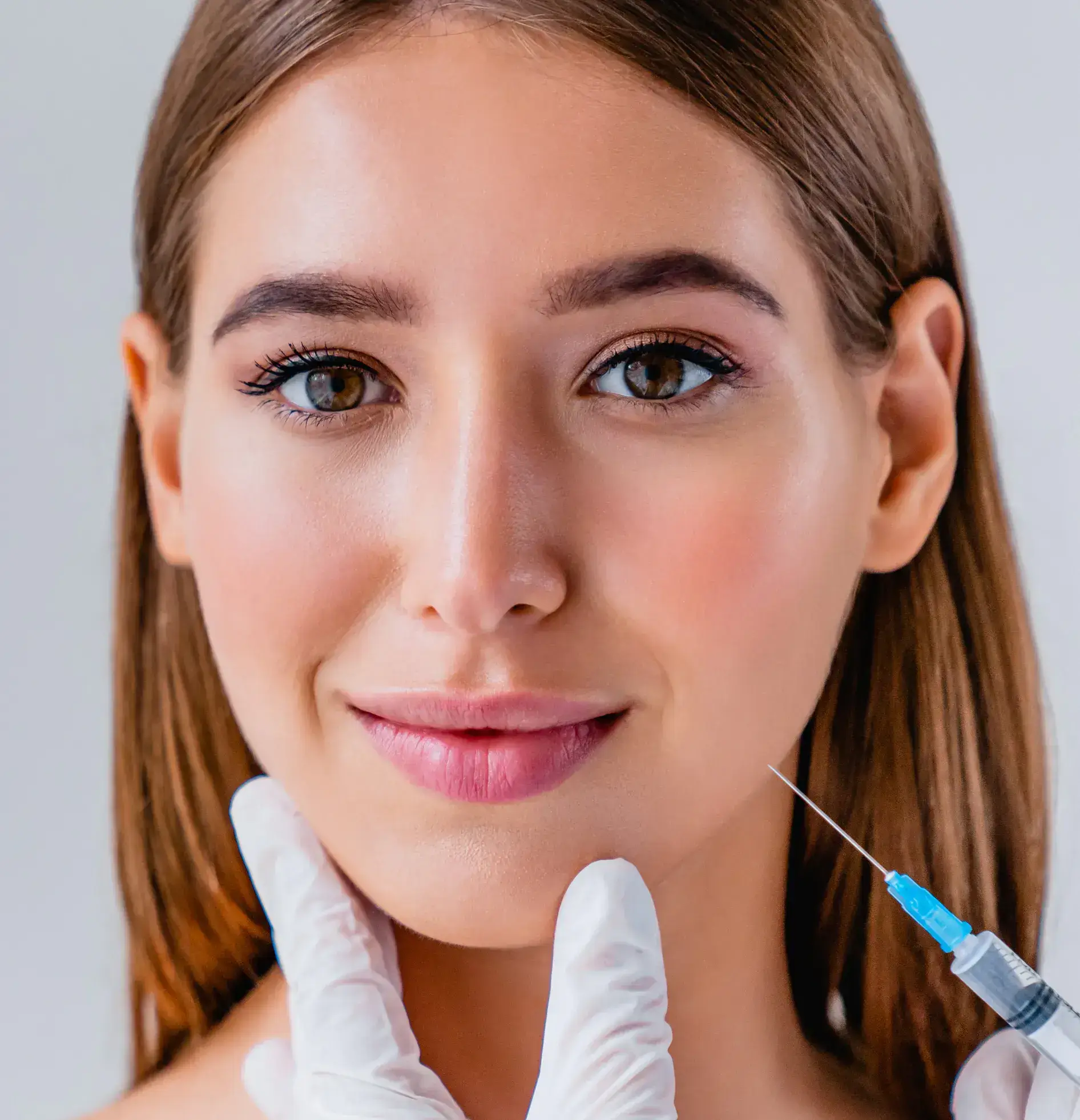



Everything You Need to Know About Skincare for Acne
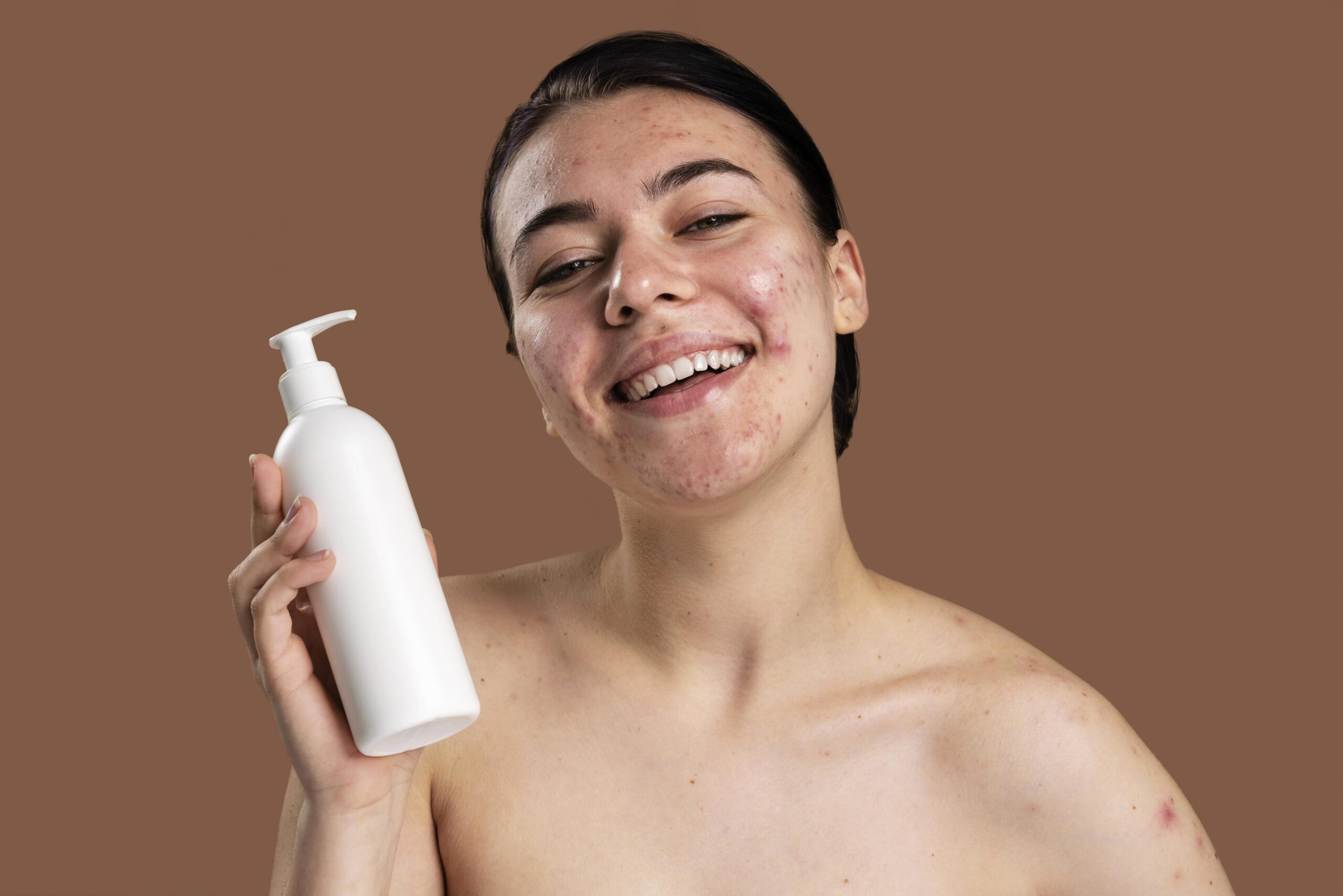
Skincare Products for Acne: What Works, What Doesn’t, and When to See a Pro
Let’s be real for a second (it’s okay this is a safe space), acne can be annoying. One minute your skin is glowing, the next it’s playing connect-the-dots with pimples. Whether you’re fighting monthly breakouts or stubborn cystic acne, finding the right skincare products can feel like trying to win the lottery—expensive, confusing, and kind of exhausting.
But hey, don’t stress—we’re here to simplify it all for you.
This blog breaks down what actually works when it comes to skincare products for acne, which ingredients you should be looking for, what your skin type has to do with it, and why sometimes the solution isn’t just a serum, it’s a specialist.
Let’s dive into your journey toward clearer, calmer skin.
Acne 101: What’s Actually Going On?
Before we throw a dozen products at your face (figuratively, of course), let’s understand the why behind the breakouts.
Acne happens when your pores get clogged with a mix of oil (aka sebum), dead skin cells, and acne-causing bacteria. Add in hormones, stress, genetics, or even that one-night stand with your pillowcase you forgot to wash, and bam—breakout city.
There are different types of acne:
- Blackheads and whiteheads (non-inflammatory)
- Papules, pustules, nodules, and cysts (inflammatory and the drama queens of the acne world)
And yes, they each need their own kind of type of care.
The Skincare Ingredient Hit List: What Actually Works for Acne
When it comes to acne, you want products that do the job—without burning your skin off. These ingredients work great for acne-prone skincare:
Salicylic Acid
The deep pore cleanser. It’s a BHA that exfoliates from inside the pore. Great for blackheads and whiteheads. If you’re oily and breakout-prone, this one’s your bestie.
Benzoyl Peroxide
The bacteria bouncer. It fights acne-causing bacteria (P. acnes) and reduces inflammation. Start slow—this stuff is powerful (and a bit drying).
Retinoids (including Retinol)
The long game. Retinoids speed up cell turnover, unclog pores, and reduce post-acne marks. But fair warning: results aren’t instant, and irritation is common at first.
Niacinamide
The peacekeeper. It calms redness, controls oil, and fades acne scars. Bonus? It plays nicely with most actives.
Azelaic Acid, Sulfur, AHAs (like glycolic or lactic acid)
These are your supporting cast. Great for sensitivity, discoloration, and gentle exfoliation.
Building a Skincare Routine That Doesn’t Betray You
Let’s get real—your routine doesn’t need 12 steps and a PhD to work. The key? Start simple. Be consistent. Don’t mix every active ingredient on day one.
AM Routine:
- Gentle cleanser
- Targeted treatment (salicylic or benzoyl peroxide)
- Lightweight, oil-free moisturizer
- Broad-spectrum sunscreen (SPF 30+)
PM Routine:
- Cleanser (double cleanse if you wear makeup/SPF)
- Retinoid or treatment product
- Hydrating or barrier-repairing moisturizer
Pro Tip: Always patch test, and if your skin says “ouch,” it’s time to scale back.
Skin Type Matters. A Lot.
One product doesn’t fit all. Here’s a cheat sheet:
- Oily Skin: Gel cleansers, clay masks, niacinamide serums
- Dry Skin: Cream cleansers, rich moisturizers, hyaluronic acid
- Combination Skin: Customize—lighter in the T-zone, richer elsewhere
- Sensitive Skin: Avoid fragrance, opt for calming ingredients like azelaic acid
- Acne-Prone Skin: Focus on non-comedogenic, active-rich, gentle formulas
OTC vs. In-Clinic Acne Treatments: Which One’s For You?
Let’s have the honest talk.
Over-the-Counter (OTC) Treatments
These are great for mild to moderate acne. You’ve got access to trusted ingredients like salicylic acid, benzoyl peroxide, and retinoids (like adapalene). They’re accessible, affordable, and a good starting point.
But… if you’ve been trying product after product and your skin still isn’t cooperating—it might be time to level up.
In-Clinic Dermatological Treatments
This is where the pros come in. A board-certified dermatologist can tailor a treatment plan just for you. Think:
- Prescription-strength retinoids or antibiotics
- Hormonal treatments for adult acne
- In-office procedures like chemical peels, laser therapy, or microneedling
- Personalized skincare guidance so you’re not stuck playing product roulette
Feeling stuck? Book your consultation now and let us take the guesswork out of your skincare routine.
Skincare Is a Part of Your Lifestyle
Products can’t fix what daily habits are breaking. Here’s how to support your skin from the inside out:
- Drink lots of water (yes, it helps)
- Manage stress (meditation, yoga, rage-screaming—whatever works)
- Sleep well and change your pillowcases
- Avoid touching your face (you know you do it)
- Eat balanced meals (some studies link high-sugar foods and dairy to breakouts)
Acne Myths That Need to Go
“Drying it out is best.” Nope. Over-drying leads to more oil and more breakouts.
“Natural = better.” Not always. Poison ivy is natural too.
“You don’t need sunscreen if you have acne.” Big no. Sunscreen is non-negotiable—especially when using actives.
“Products work instantly.” Most take 6–12 weeks. Be patient. Your skin’s not Netflix-speed.
Acne Isn’t Your Identity
Always remember, your acne doesn’t define you—and it’s totally okay for wanting to treat it.
You can start with the right products, and if that doesn’t do the trick you know where to find us.