
 Cosmetic and Plastic Surgery
 Medico-Aesthetic Services
 Skin Laser Solutions
 Skin Solutions
 Slimming Solutions






About the Treatment
Our center employs highly qualified medical specialists of the first and highest qualification categories with work experience of at least 10 years.

 Minimal downtime
 Consultation
 Men and Women
 Non-surgical
Some changes are subtle. A jawline that looks less defined. Cheeks that seem to sit a little lower. Skin that doesn’t quite have the same support it used to.
Nfix Threads offer a minimally invasive way to lift and support selected facial tissues, helping improve the appearance of sagging and redefine facial contours without traditional surgery.
And this Green Friday, you can explore your options with 25% OFF on N-fix Threads. Limited-time only. Hurry up!
How does it work?
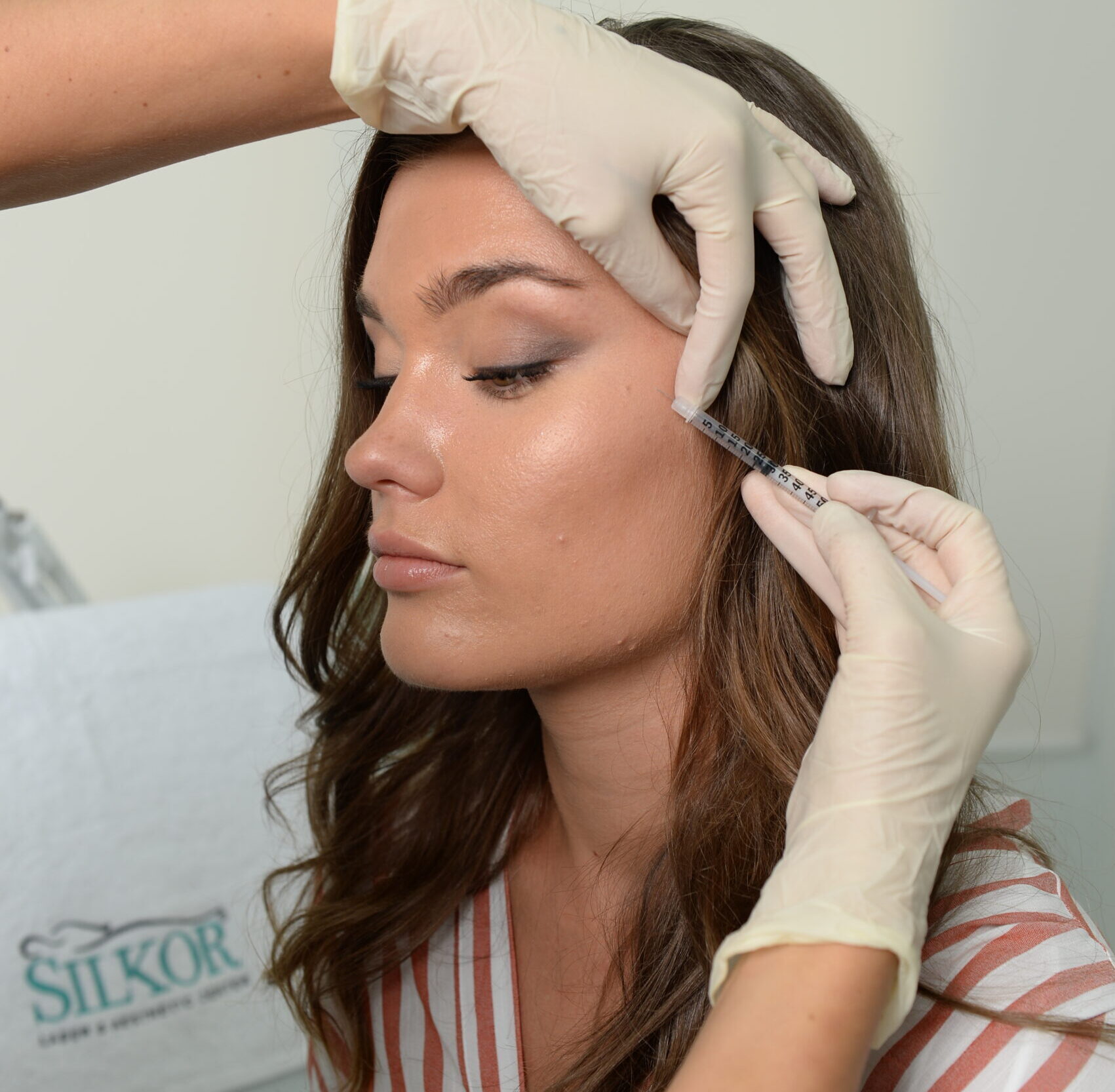
Nfix Threads are specialised absorbable threads with tiny gripping structures designed to engage the tissue beneath the skin. Once placed by a qualified medical practitioner, they provide mechanical support to help reposition selected tissues and improve facial contours. The treatment may also stimulate collagen production over time.
The placement, number of threads, and lifting direction are tailored to your facial anatomy and treatment goals.
Think of it as strategic support, not a whole new face.
The Science of a Little Lift
A thread lift isn’t about chasing a different face. It’s about working with your existing features and deciding where a little extra support may help.
At Silkor, our medical team assesses your facial structure, skin laxity, and expectations before recommending a treatment plan. We’ll also explain what a thread lift can realistically achieve—and when another approach may be more suitable.

Good results start with a good plan.
Where Can Nfix Threads Make a Difference?
Depending on your anatomy and your practitioner’s assessment, Nfix Threads may help improve the appearance of:
- Cheeks and midface: Supporting tissues that have begun to descend.
- Jawline: Helping create a more defined-looking lower-face contour.
- Nasolabial folds: Softening the appearance of folds around the nose and mouth.
- Lower-face laxity: Addressing selected areas where the skin and underlying tissues have started to sag.
A thread lift is not a substitute for a surgical facelift when significant skin excess or more extensive lifting is needed. Your consultation helps determine whether this treatment fits your goals.
Book a Free Consultation

Frequently Asked Questions
All you need to know about this treatment.
They work differently. Thread lifts provide mechanical support to selected tissues, while dermal fillers add volume or contour specific areas. Your practitioner can help determine which treatment—or combination of treatments—is appropriate for you.
Local anaesthesia is generally used to help manage discomfort during the procedure. You may still feel some pressure, and temporary tenderness or soreness can occur afterward.
Results vary according to your anatomy, the thread type and placement, and individual factors. Threads are absorbable, and the lifting effect is temporary. Your practitioner can discuss the expected duration for your treatment plan.
Swelling, bruising, tenderness, and temporary dimpling or unevenness can occur. Recovery varies from person to person, so follow your practitioner’s instructions on facial movements, sleeping position, exercise, and follow-up care.
Here’s our treatment protocol:
Before Your Treatment
- Discuss your medical history, medications, allergies, and previous aesthetic procedures with your practitioner.
- Tell your medical team about any active skin infection or condition that could affect healing.
- Follow instructions regarding medications or supplements that may increase bruising. Never stop prescribed medication without medical advice.
- Arrive with clean skin and follow any additional preparation instructions.
After Your Treatment
- Avoid rubbing, massaging, or putting unnecessary pressure on the treated areas.
- Follow your practitioner’s advice on sleeping position and facial movements.
- Avoid strenuous exercise, excessive heat, and facial treatments for the period recommended by your medical team.
- Attend any recommended follow-up appointments.
- Contact your practitioner promptly if you experience worsening pain, increasing redness, fever, unusual discharge, or visible thread displacement.