Face Scar Removal Cream: How to Fade Scars and Love Your Skin Again

Achieve Smoother & Clearer Skin With Face Scar Removal Cream

             
Achieve Smoother & Clearer Skin With Face Scar Removal Cream

Face Scar Removal Cream: How to Fade Scars and Love Your Skin Again

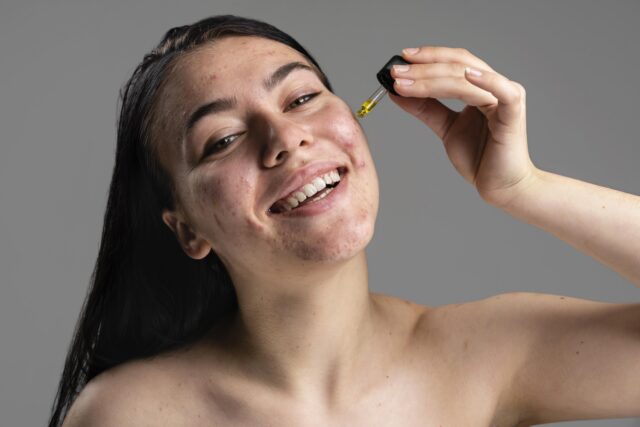
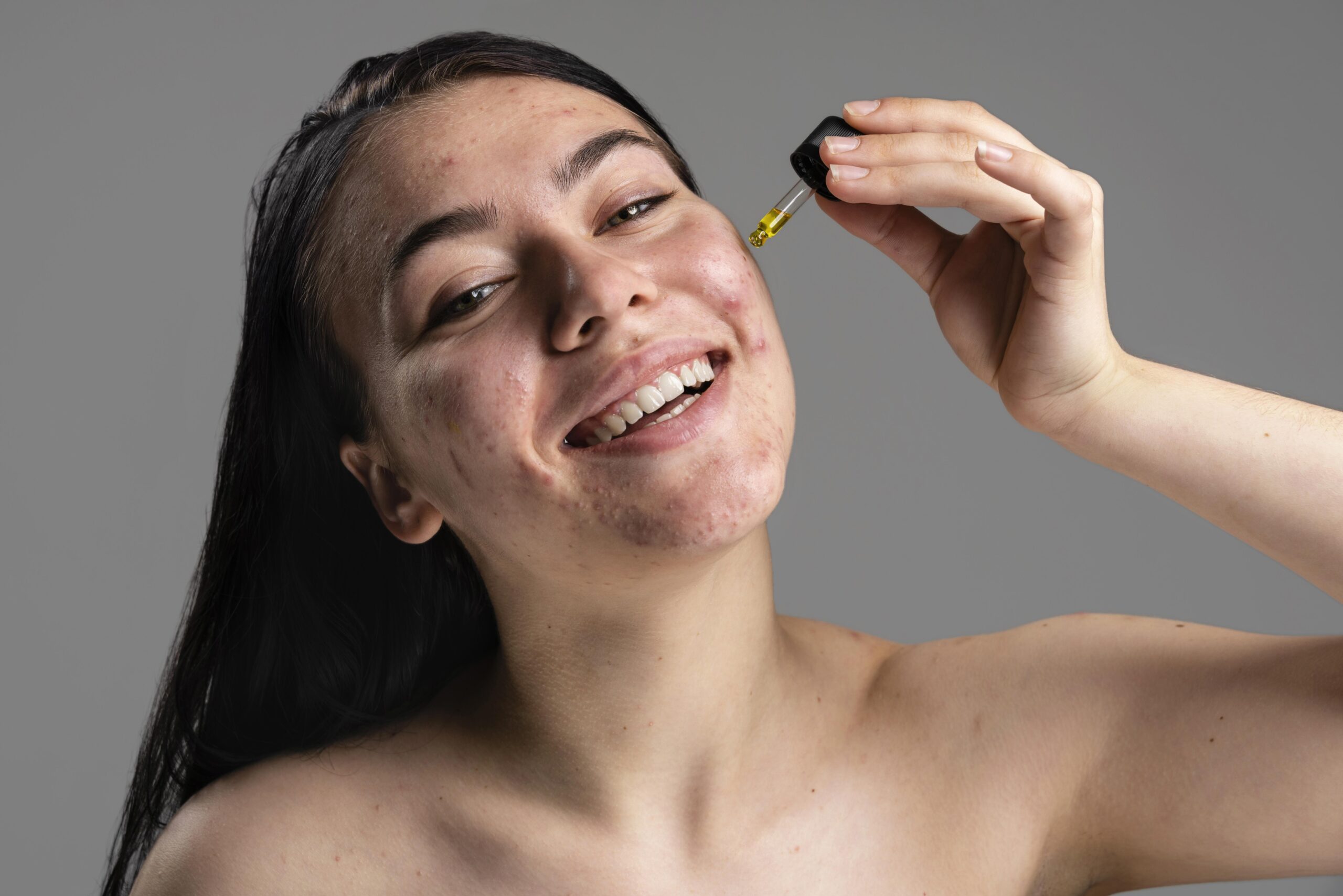
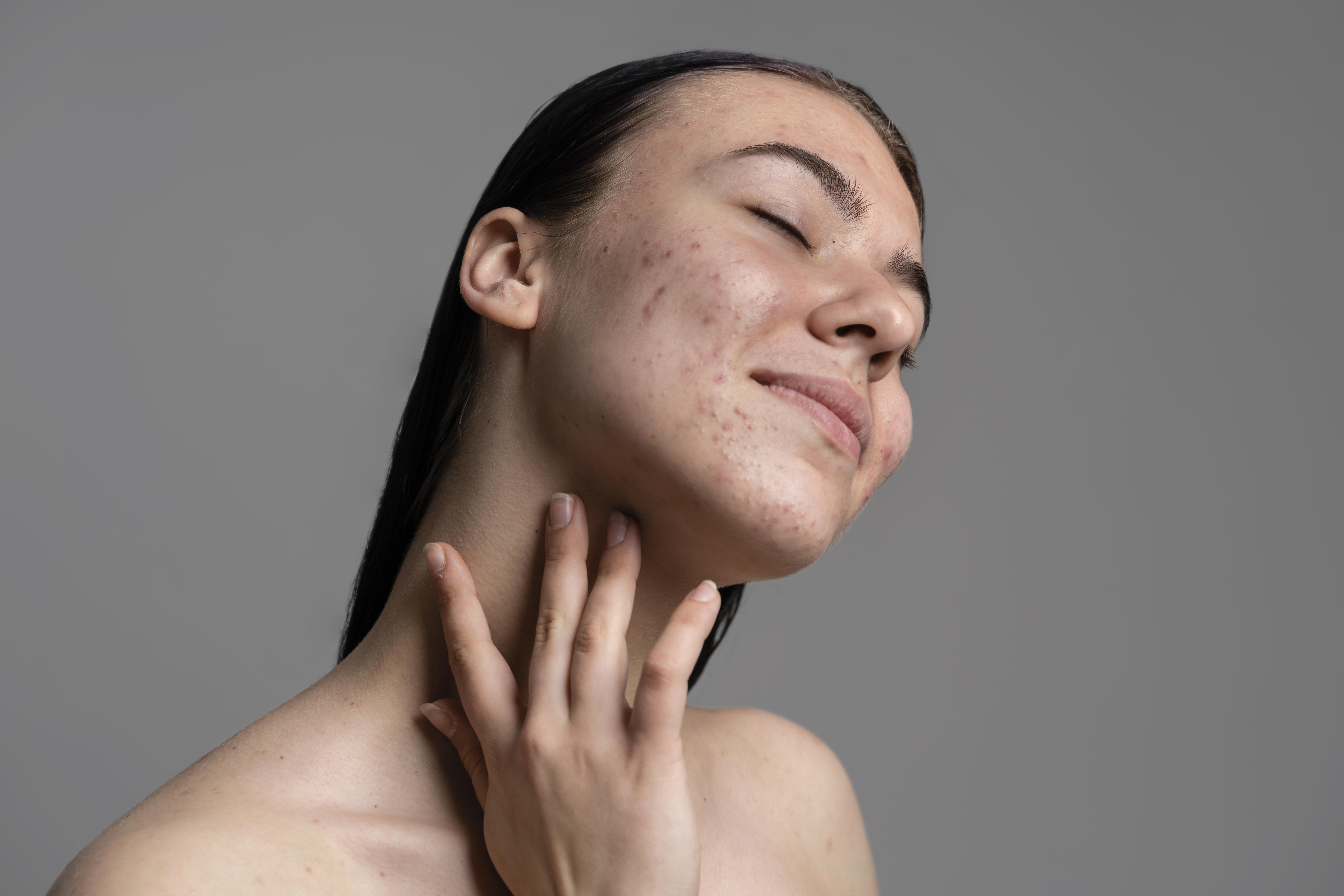
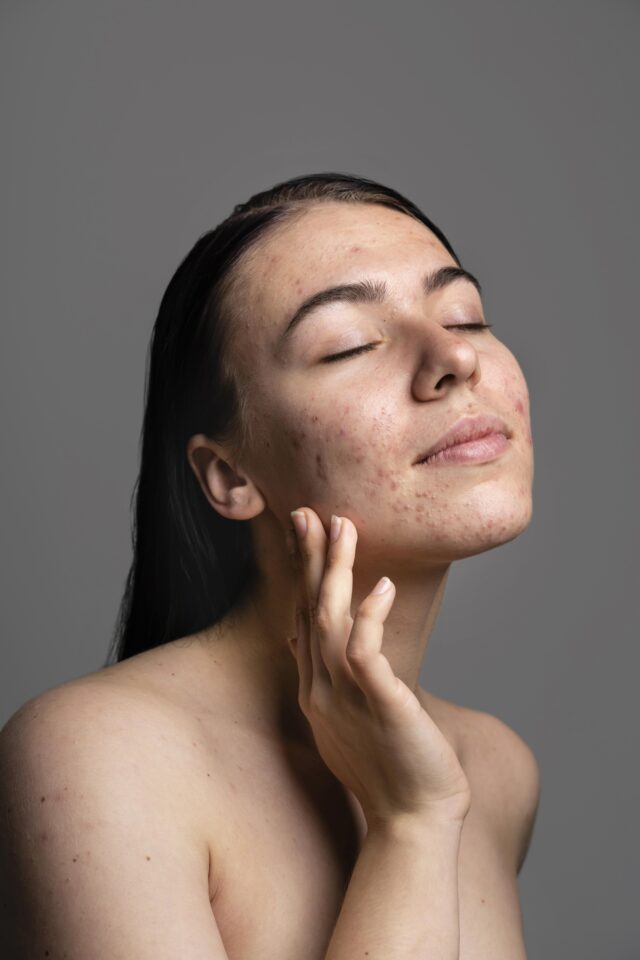
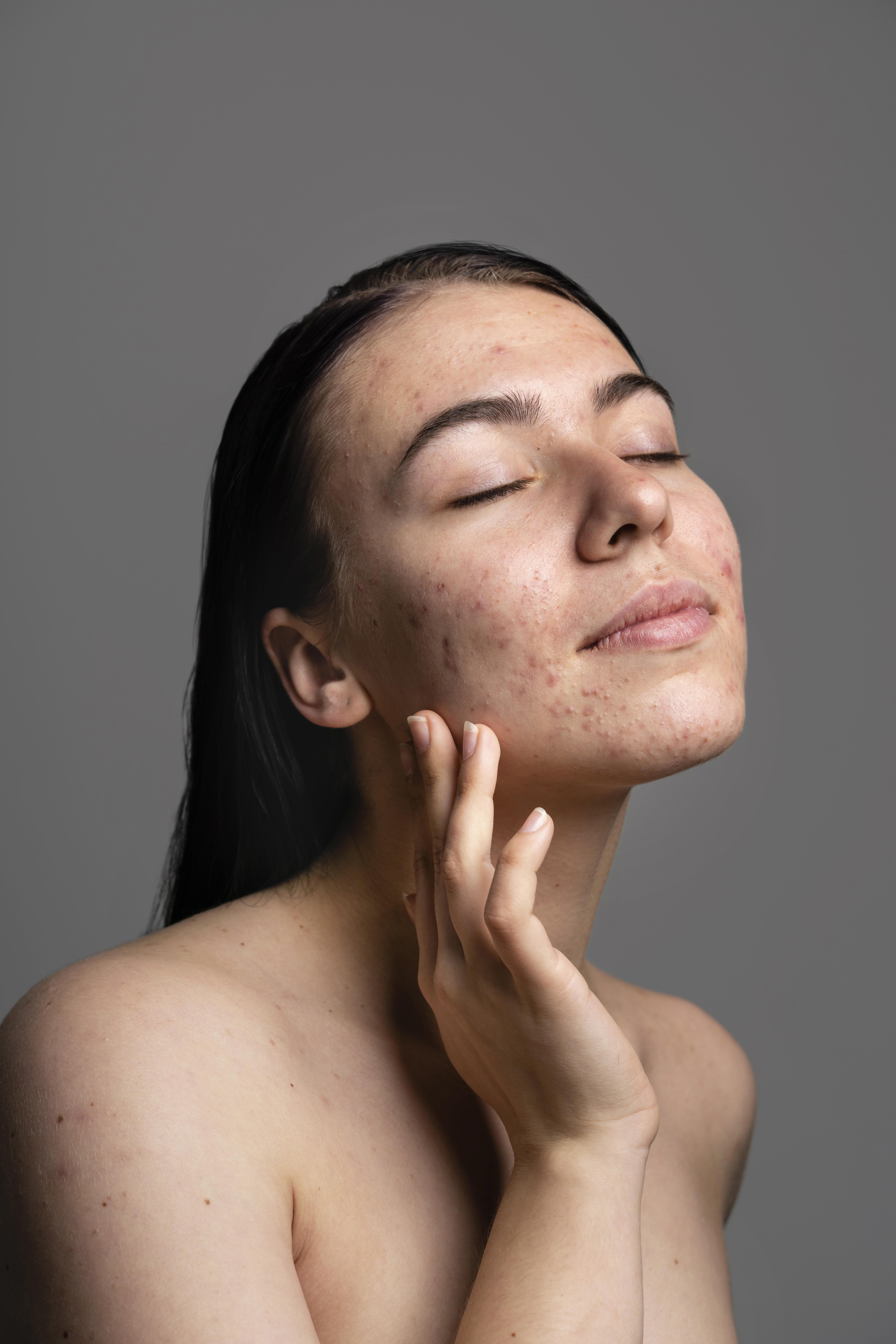
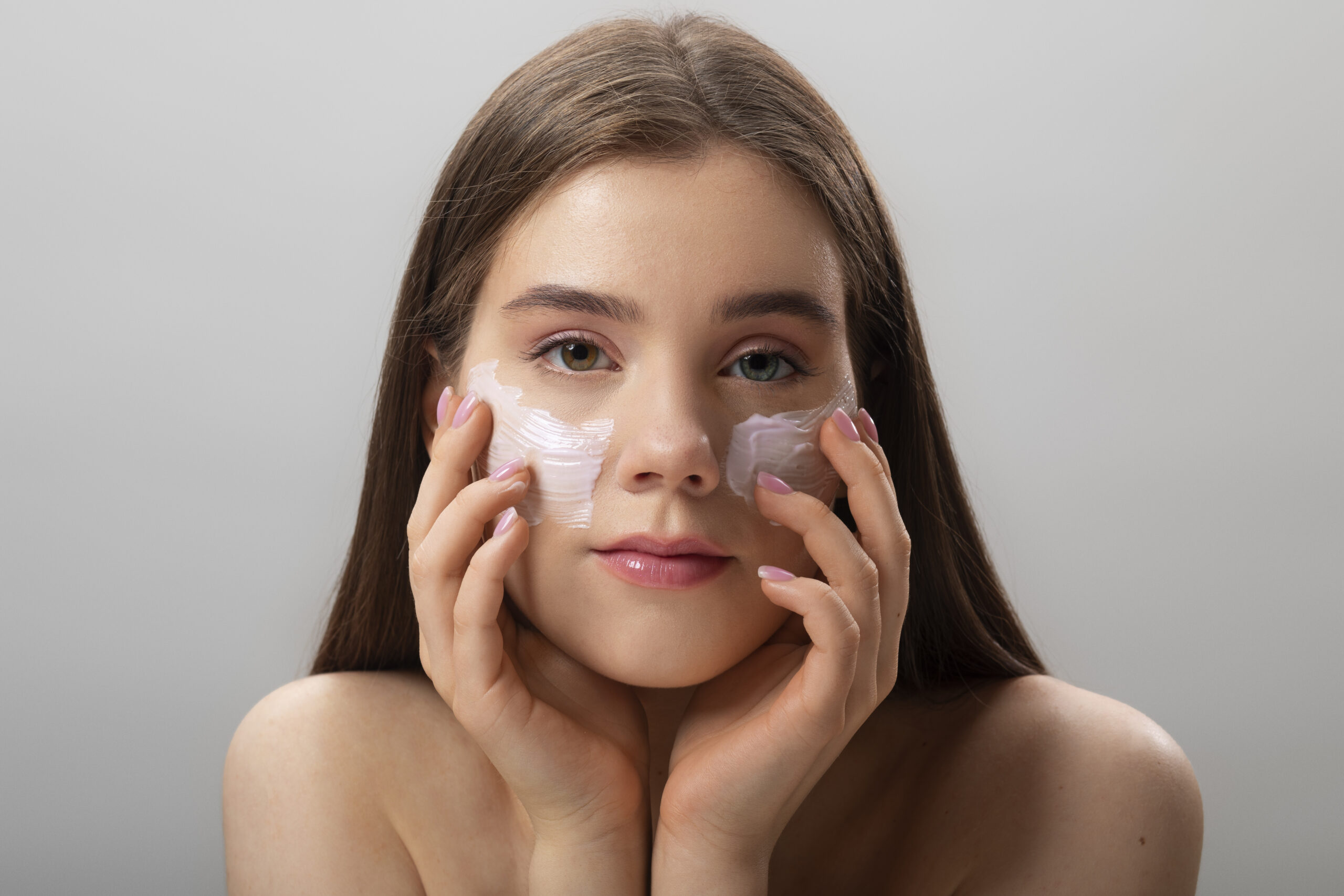
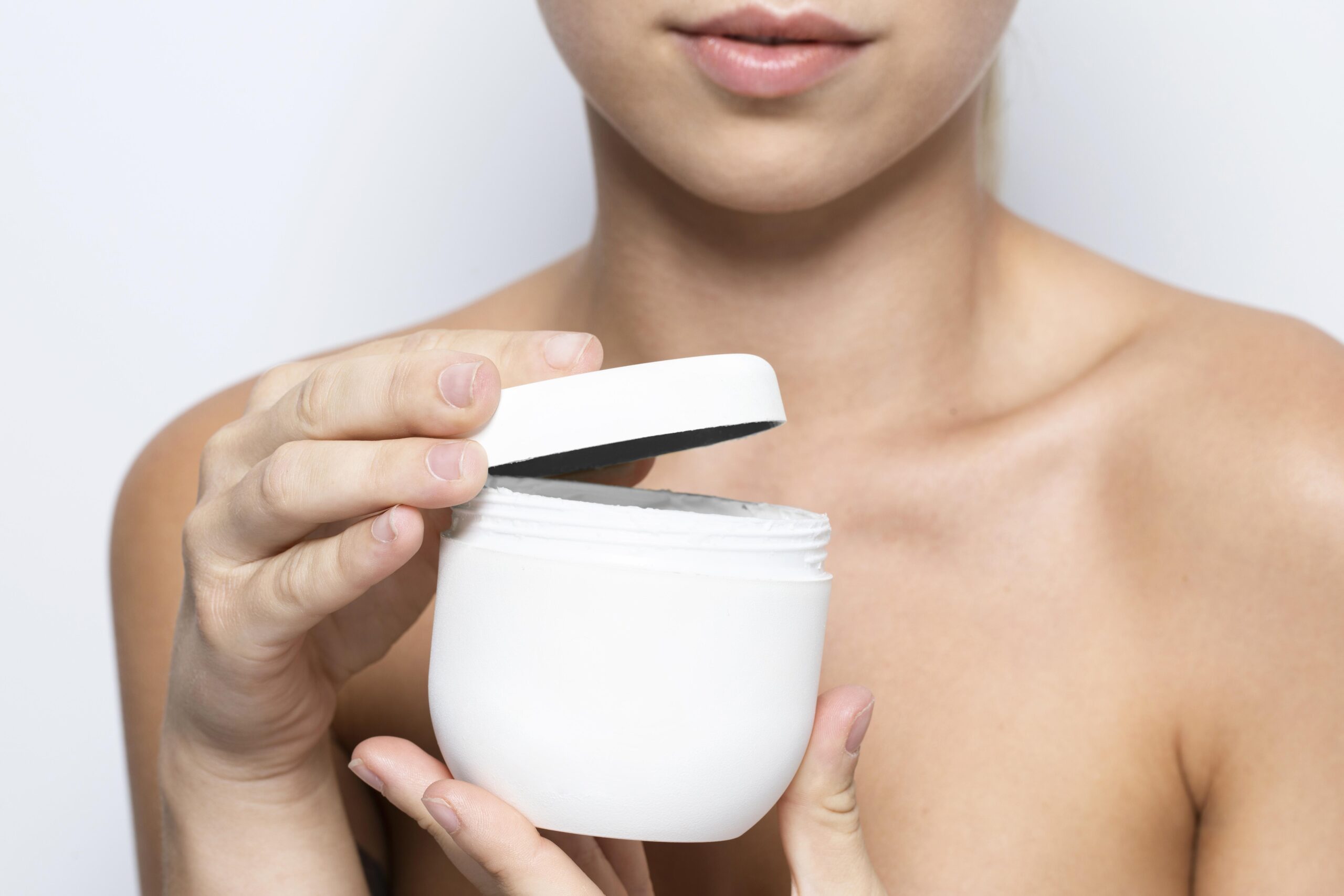
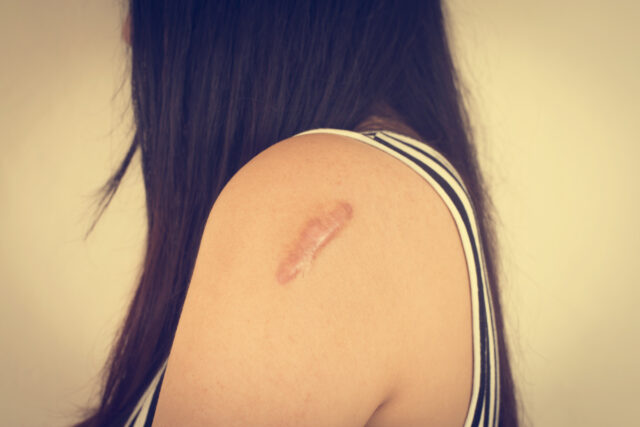
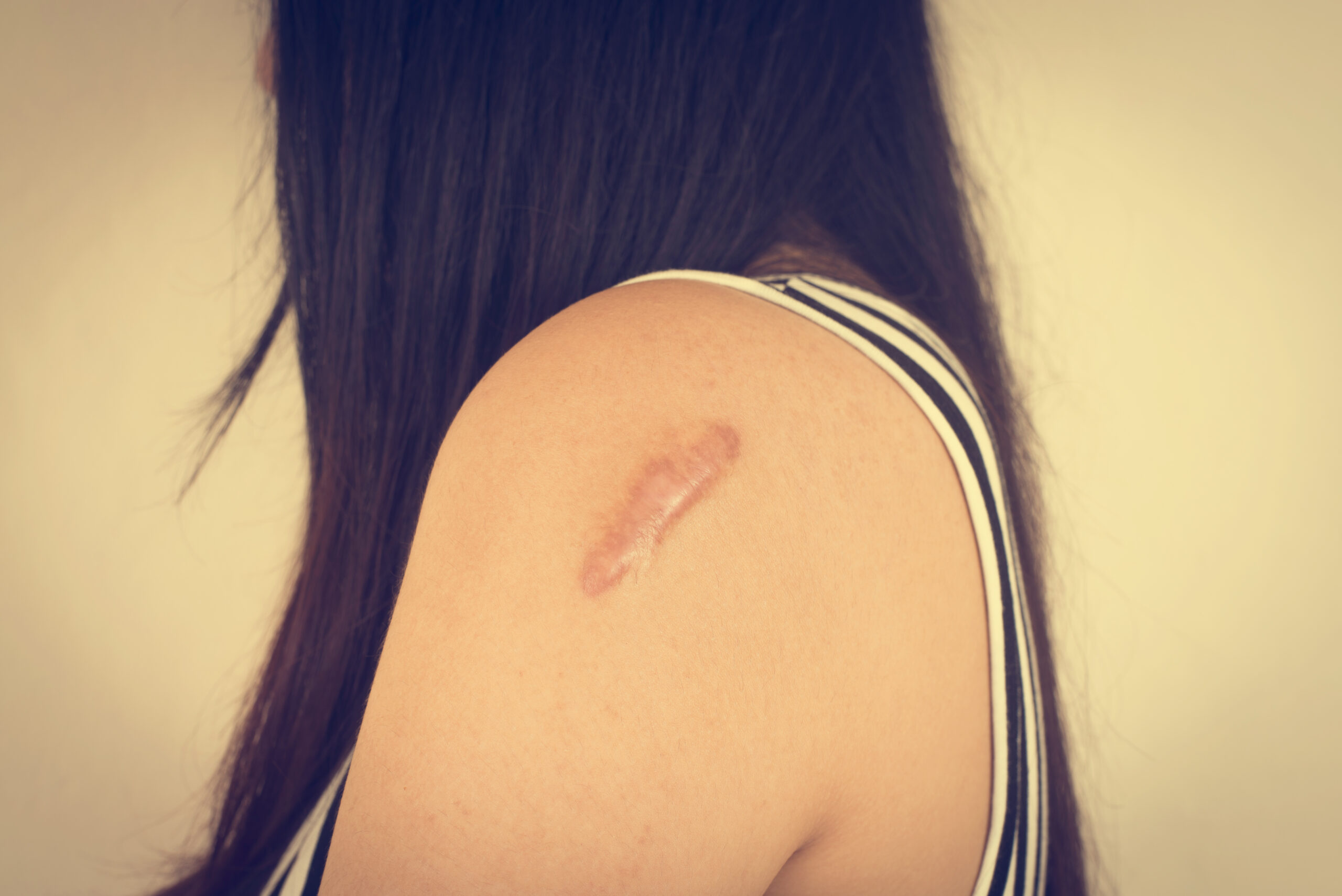
We’ve all been there, a little accident in the kitchen, a pesky pimple that just wouldn’t quit, or a childhood scrape that left a lasting mark. And now, months (or years) later, that face scar is still making its presence known. Before you panic or start covering it up with heavy concealer, take a deep breath. The right face scar removal cream can be a game-changer, and we’re here to guide you through it.


Why Face Scar Removal Cream Actually Works

Here’s the thing: not all scars are created equal. Some are flat, some raised, and some a little stubborn with pigmentation. That’s why scar creams are formulated with ingredients that actively help your skin:

  • Silicone gels: Often recommended by dermatologists, these help soften scars and flatten raised marks.

  • Vitamin C and E: Antioxidants that improve skin texture and reduce discoloration.

  • Retinoids: Promote skin renewal and collagen production, making scars less noticeable over time.

  • Natural extracts like aloe vera or centella asiatica: Calm the skin and support healing.

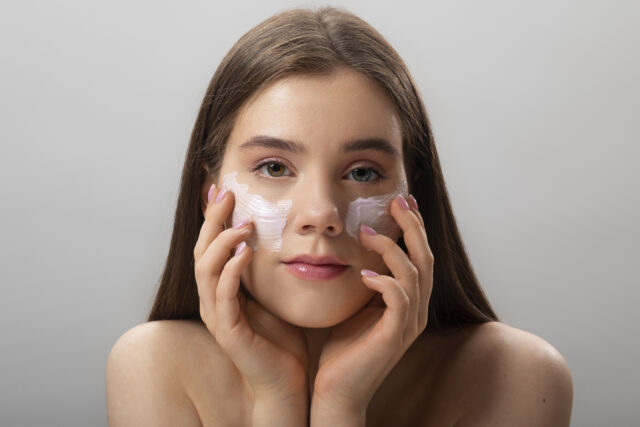
Using a scar-fading cream consistently is key. A one-time application won’t do much — it’s the daily care that counts.


How to Get the Best Results

If you’re serious about fading scars, here’s how to make your scar treatment cream work harder:

  1. Cleanse gently before applying. A fresh canvas helps ingredients penetrate better.

  2. Massage in small circular motions. This boosts blood flow and helps the cream absorb.

  3. Consistency beats everything. Apply your cream as directed, usually twice daily, for weeks or even months.

  4. Protect your skin from the sun. UV rays can darken scars, so always use sunscreen if your scar is exposed.


Choosing the Right Face Scar Removal Cream

Not all creams are created equal, and the “best scar cream” depends on your skin type and scar type. For stubborn acne scars, a cream with retinoids or peptides may work best. For raised scars, silicone-based gels are often the top choice. And if you’re worried about sensitive skin, aloe vera or centella extracts can be soothing without irritation.

Talk to a dermatologist before starting any new cream, they can guide you to the most effective option and rule out any ingredients that may not suit your skin.


When to Consider Professional Treatments

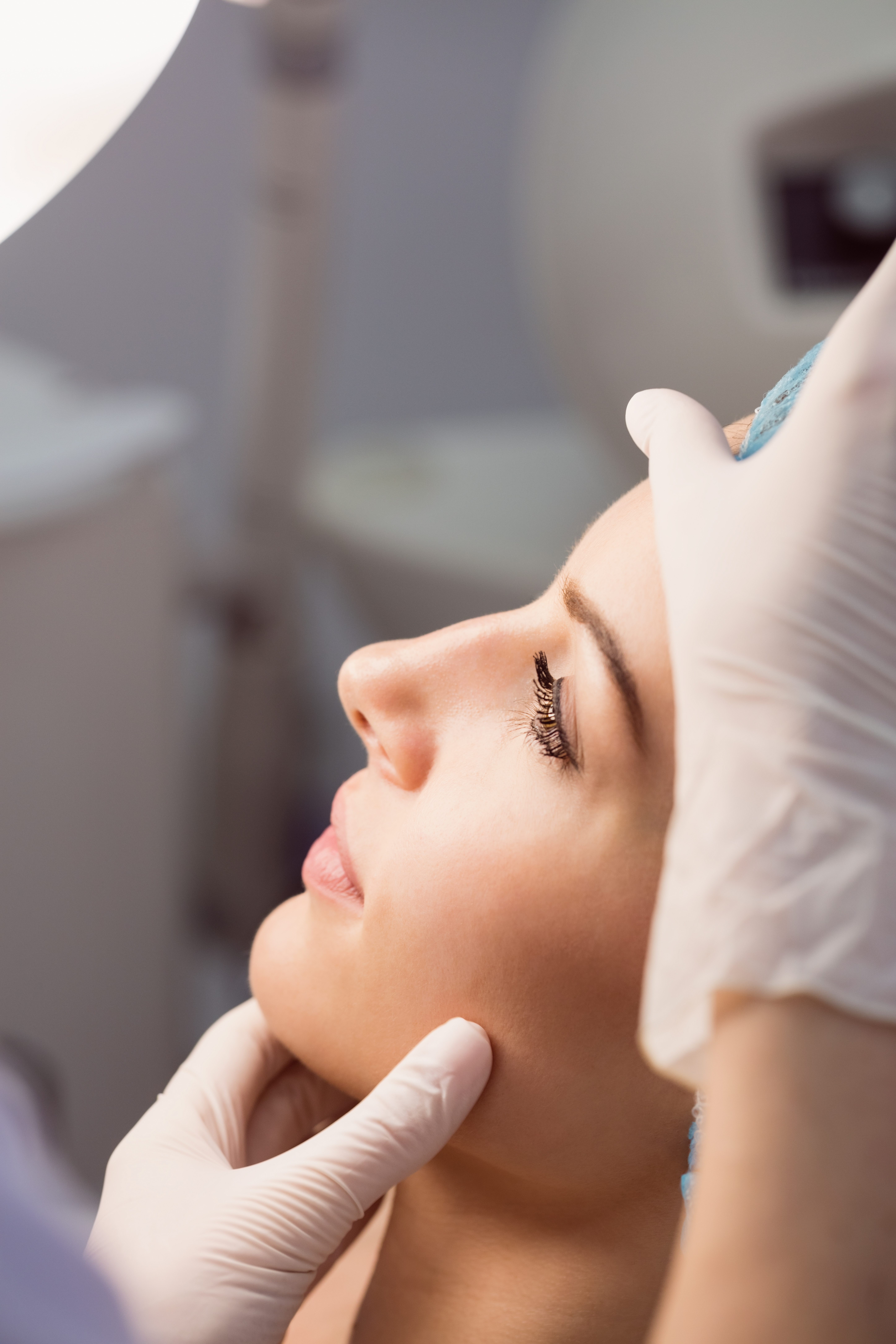
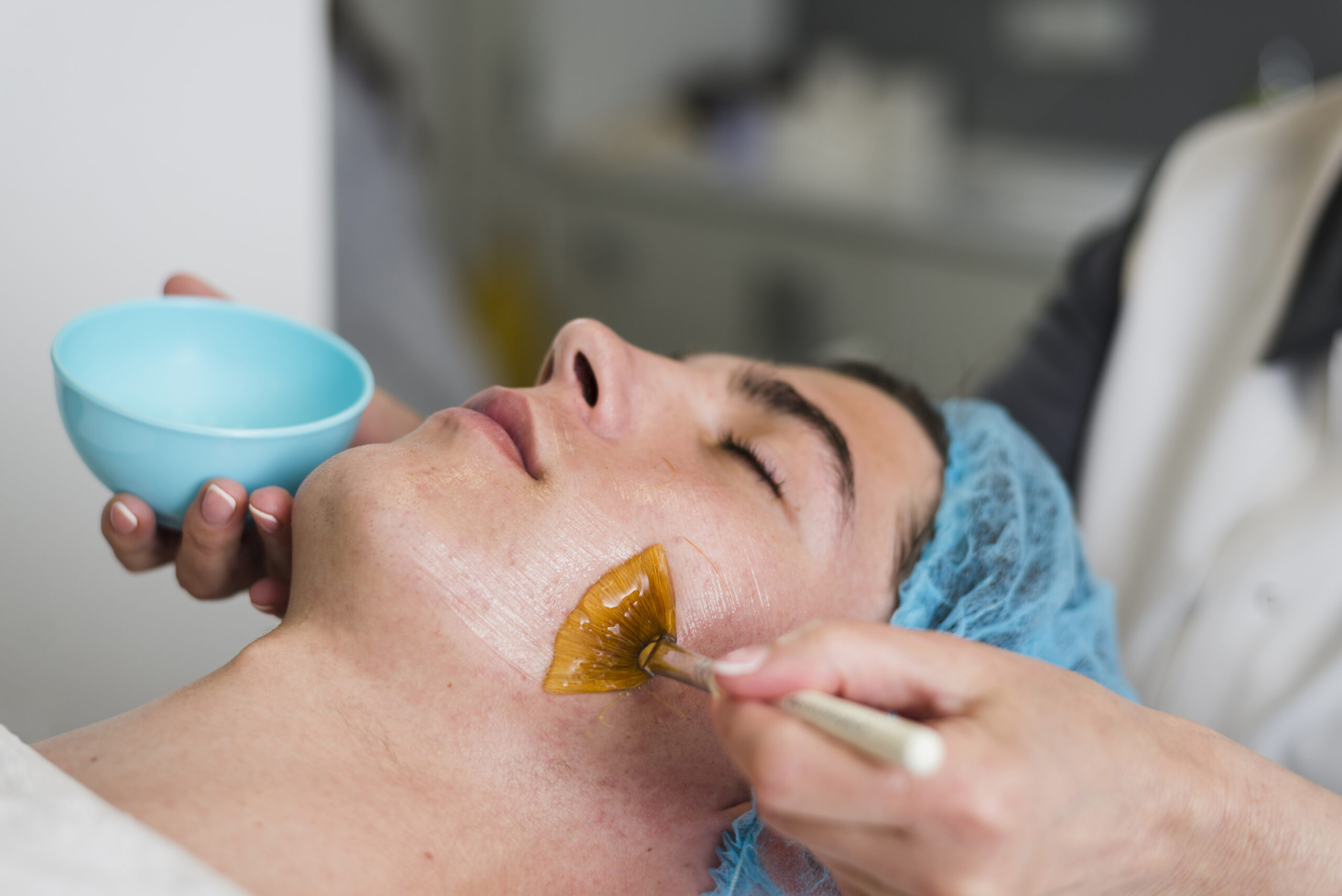
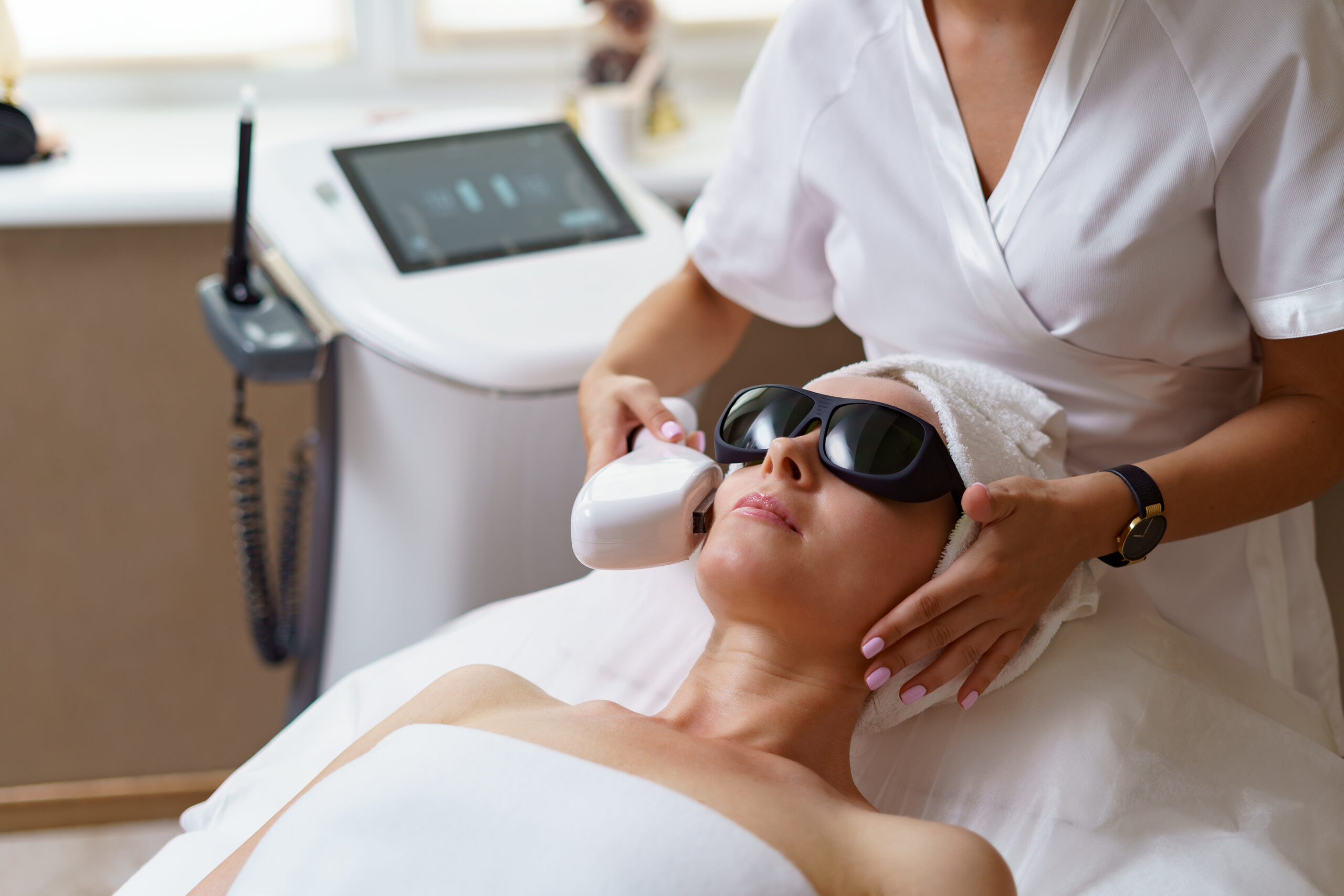
Sometimes, even the best face scar removal cream can only do so much. If your scar is particularly deep, raised, or pigmented, professional help can make all the difference. At Silkor, our dermatologists combine scar creams with advanced treatments like:

These professional options can accelerate results and work synergistically with your daily scar-fading cream, helping your skin look smoother and more even over time.


The Reality

A face scar removal cream isn’t a miracle overnight solution, but with patience, the right product, and a little guidance, scars can fade and skin texture can improve. Think of it as a long-term commitment with your skin — consistent care, attention, and love will bring out the best in it.

Catch you next time!

How to Reduce Wound Marks: Simple Steps for Better Skin

How to Reduce Wound Marks: Simple Steps for Better Skin

             
How to Reduce Wound Marks: Simple Steps for Better Skin

How to Reduce Wound Marks: Simple Steps for Better Skin

We’ve all had that one little reminder of a past tumble, cut, or accident — a wound mark that just refuses to fade quietly. Sometimes it’s a tiny line on your knee from your clumsy teenage days, or a stubborn mark on your face that makes you pause in front of the mirror. Whatever the case, the good news is, reducing wound marks is more achievable than you think — with the right care, patience, and guidance from a skilled dermatologist.

Here’s how to approach it without losing your sanity (or your skin’s glow).


1. Don’t Rush the Healing

The first step to minimizing wound marks is understanding that healing takes time. Immediately after an injury, your body is doing a lot behind the scenes, producing collagen, sealing tissue, and fighting off potential infections. Trying to rush this process with harsh creams or scrubbing too soon can actually make marks worse.

Tip: Keep the wound clean, lightly moisturized, and protected. Trust your skin, it knows what it’s doing.


2. Protect Your Skin from the Sun

Did you know that UV exposure can darken scars and wound marks? Even if your skin is naturally dark or fair, unprotected scars can become more noticeable. Sunscreen isn’t just for the beach — it’s your best friend when it comes to scar prevention.

Tip: Apply a broad-spectrum SPF 50 on healing skin daily. Hats, clothing, and shade work wonders too.


3. Use Targeted Scar Treatments

When it comes to wound mark treatment, there’s no one-size-fits-all. Depending on the type of scar, whether it’s flat, raised, or discolored — dermatologists recommend different options:

  • Silicone gels and sheets: These are great for keeping scars hydrated and promoting softer, flatter marks.

  • Topical creams with ingredients like Vitamin C or retinoids: They help with pigmentation and skin texture.

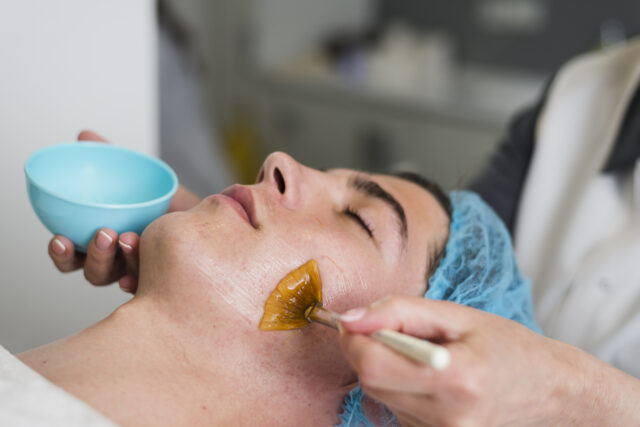
  • Professional treatments: Think laser scar removal, microneedling, or chemical peels, all designed to stimulate collagen and smooth the skin.

Remember: consistency is key. A quick dab here and there won’t cut it. Make it part of your daily skin routine.


4. Massage Your Scars (Yes, Really)

Gentle scar massage can do wonders, especially for raised or thick wound marks. By massaging in circles with a little cream or oil, you’re improving blood flow and helping break down excess scar tissue.

Pro tip: Start massaging only once the wound is fully closed and healed. Ask your dermatologist for the best technique based on your scar type.


5. Know When to Seek Professional Help

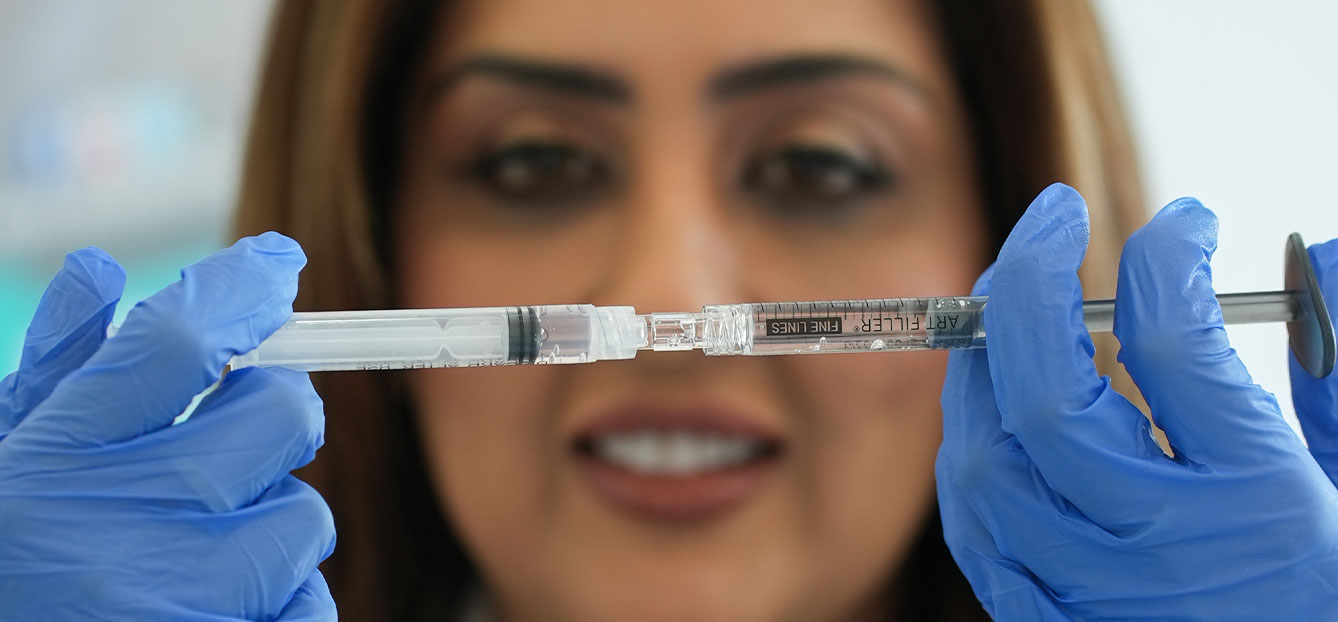
Some wound marks just won’t budge on their own, and that’s okay. Consulting a dermatologist can make a huge difference, especially if the scar is old, large, or causing discomfort. They can offer advanced options like laser therapy, PRP treatments, or filler injections that speed up healing and reduce visibility.


6. Patience is Your Best Ally

The truth? Even the best scar removal treatments take time. A little progress every week adds up to noticeable results over months. Celebrate the small wins such as, a lighter mark, smoother texture, or a scar that’s finally blending with your skin tone.


Final Thoughts

Wound marks are just a part of life, little reminders that your body healed and carried on. But that doesn’t mean you have to live with them forever. With proper care, targeted scar treatments, sun protection, and professional guidance, you can reduce wound marks and enjoy smooth, healthy skin again.

Remember, your skin is resilient. Treat it with patience, consistency, and love.

Catch you next time!

Meet Dr. Simav Osso: Expert Dermatologist & Aesthetic Physician

Meet Dr. Simav Osso: Expert Dermatologist & Aesthetic Physician

             
Meet Dr. Simav Osso: Expert Dermatologist & Aesthetic Physician

Meet Dr. Simav Osso: Expert Dermatologist & Aesthetic Physician

Every now and then, a new face joins our team — one that brings fresh energy, expertise, and a philosophy that instantly resonates with patients. That’s exactly the case with Dr. Simav Osso, Dermatologist and Aesthetic Physician. With a passion for skin health and natural beauty, Dr. Simav blends medical precision with artistry, making her approach to aesthetic dermatology and non-surgical cosmetic treatments both refreshing and deeply human.

Instead of us telling you who she is, we thought we’d let her speak for herself. Here’s a closer look at her world, her philosophy, and what makes her such a unique addition to our clinic.


If you had to choose one treatment that promises the best results, which would it be?

Dr. Simav smiles: “Everything, lol! I’m just kidding. Honestly, it’s really hard to choose. There’s so much you can achieve from Botox, dermal fillers, and skin rejuvenation treatments. Each has its own benefits.”


Why is it so hard to choose just one?

“Because every patient’s skin and aesthetic goals are unique. A single treatment rarely addresses the full picture. Lasting and natural results often come from combination treatments that work together, like restoring volume while improving texture or glow. I always look at the face as a whole, not in isolated parts.”


What makes treatments truly effective?

“It’s not just about the treatment itself, but about precision, personalization, and timing. When done right, treatments enhance natural beauty without changing it. My focus is on safe, non-surgical aesthetic procedures that bring balance and subtlety. That’s what makes results look refined and natural.”


How do you decide what’s best for each patient?

“I start with a detailed consultation. I listen to what the patient wants, but I also analyze their skin, anatomy, and lifestyle. From there, I create a personalized treatment plan. Sometimes it’s one treatment, other times it’s a combination working in harmony.”


What’s your philosophy with patients?

“Transparency and honesty. I never recommend treatments that aren’t necessary. I explain both benefits and limitations because I want my patients to feel informed, confident, and safe in their decisions.”


What do you want your patients to feel after their visit?

“Confidence and happiness. I want them to leave feeling heard, cared for, and supported. Not just looking refreshed, but truly reassured.”


If you could describe your approach in one word?

“Harmony. For me, aesthetics is about creating balance between science and artistry, between what patients want and what looks natural, and between outer appearance and inner confidence.”


With her philosophy rooted in harmony, honesty, and holistic care, Dr. Simav Osso is more than a dermatologist, she’s a partner on your journey to healthier skin and glowing confidence. Whether you’re looking for Botox, fillers, advanced skin rejuvenation, or non-surgical anti-aging treatments, she ensures every step is personalized, safe, and empowering.


We’re delighted to have her on our team and can’t wait for you to meet her in person.

Catch you next time!

HydraFacial vs. Deep Cleansing: Which One Does Your Skin Really Need?

HydraFacial vs. Deep Cleansing: Which One Should You Choose?

             
HydraFacial vs. Deep Cleansing: Which One Should You Choose?

HydraFacial vs. Deep Cleansing: Which One Does Your Skin Really Need?

We all love the idea of glowing, smooth, and healthy skin—but when it comes to facials, the choices can get overwhelming. Two popular options that always come up are HydraFacial and Deep Cleansing Facials. So, how do you know which one your skin actually needs? Let’s discover together!


Deep Cleansing Facials: The Classic Approach

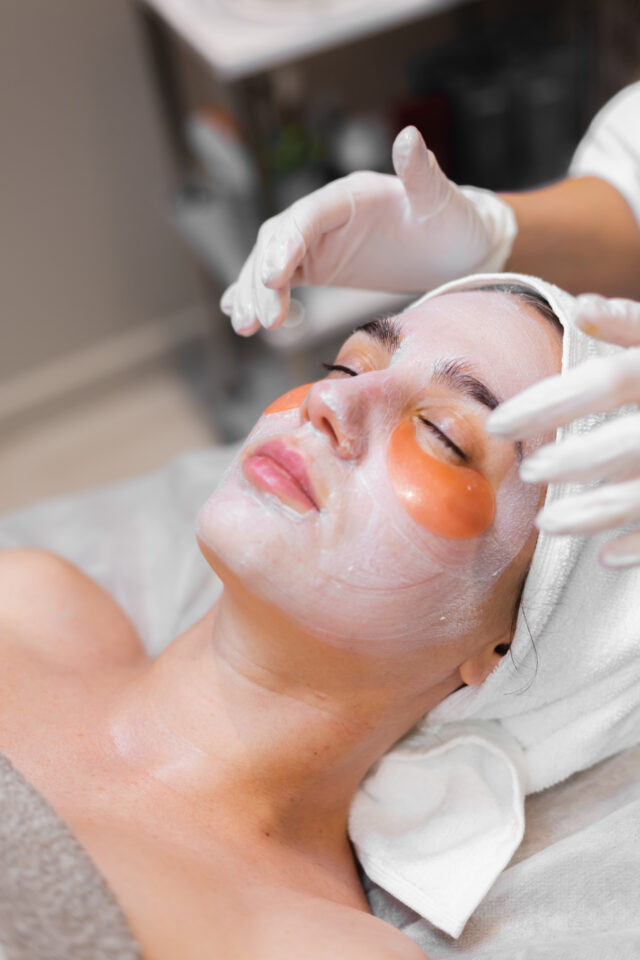
Deep cleansing facials are the OG of skincare treatments. Think of them as a thorough spring cleaning for your face. They involve manual extraction of blackheads and impurities, exfoliation to remove dead skin cells, and a soothing mask to calm and hydrate your skin.

These facials are great if:

  • Your skin struggles with clogged pores, blackheads, or mild acne.

  • You want a relaxing and pampering experience with visible results immediately.

  • You’re looking for a facial that can be customized to your skin type, whether it’s oily, dry, or combination.

The results? Fresh, cleansed skin, a reduction in congestion, and that satisfying “my face feels brand new” feeling.


HydraFacial: The Modern Glow Machine

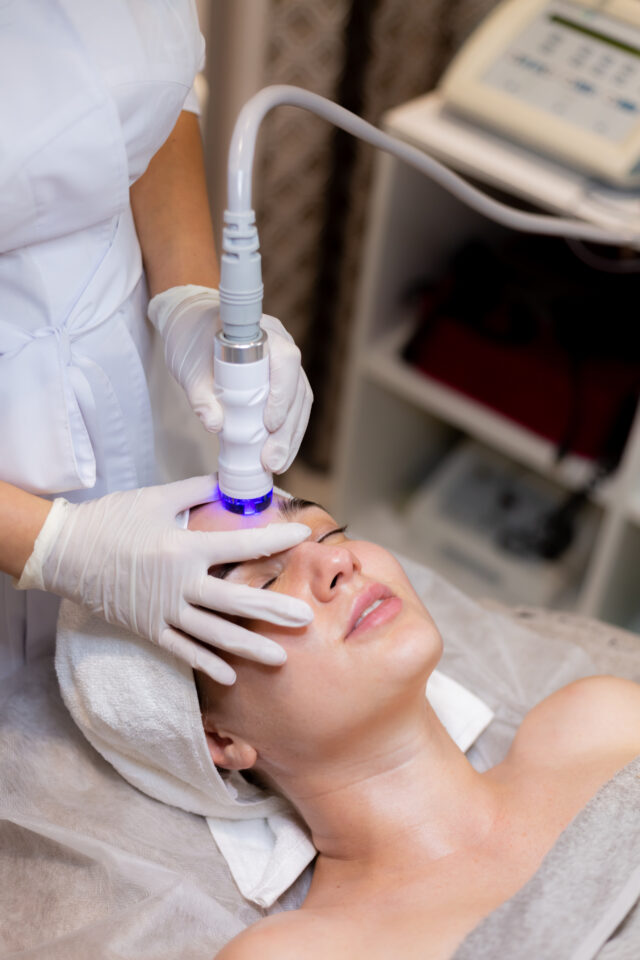
Now, HydraFacial is where skincare meets technology. It’s a multi-step treatment that cleanses, exfoliates, extracts, and hydrates the skin using a specialized device. Unlike a traditional deep cleansing facial, HydraFacial uses vortex suction technology to remove impurities gently while infusing serums packed with antioxidants, peptides, and hyaluronic acid.

HydraFacial works best if:

  • You want intense hydration and a glowing, plump complexion.

  • You have sensitive skin that doesn’t tolerate manual extractions well.

  • You’re after skin health benefits beyond just cleansing, like improving fine lines, texture, and overall radiance.

The best part? HydraFacial is quick, virtually painless, and has zero downtime, making it perfect for a lunchtime skin refresh or pre-event glow.


So, Which One Should You Choose?

Here’s the friendly truth: neither facial is inherently better—they just serve different needs.

  • If your skin is congested, oily, or prone to breakouts, a deep cleansing facial might be your best friend.

  • If your skin is thirsty, sensitive, or you’re looking for a radiant, hydrated glow, HydraFacial is the way to go.

Some people even combine the two at different times—think of it as giving your skin both a deep clean and a nutrient-packed hydration boost.


Choosing between HydraFacial and deep cleansing doesn’t have to be confusing. Consider your skin type, your main skin concerns, and what kind of results you’re after. The right facial can leave your skin smoother, healthier, and glowing.
At the end of the day, whether you go classic or high-tech, the best facial is the one that makes your skin—and you—feel amazing.
Catch you next time!

Laser Treatment for Acne Scars: Does It Really Work?

Laser Treatment for Acne Scars: Here’s What You Need To Know

             
Laser Treatment for Acne Scars: Here's What You Need To Know

Laser Treatment for Acne Scars: Does It Really Work?

Acne scars aren’t just marks, they’re memory holders of every breakout, every stressful week, and every hormonal curveball your skin endured. And while they tell a story, you don’t have to wear it on your face forever. That’s where laser treatment for acne scars steps in, smoothing, healing, and giving your skin a fresh start.


Why Acne Scars Can Be So Persistent

Acne scars happen when the skin heals unevenly after a breakout. You can get pitted scars, rolling scars, or boxcar scars, and each type needs a slightly different approach. Factors like hormones, genetics, and even stress can make scars linger, meaning traditional skincare alone often isn’t enough.

How Laser Treatment Helps

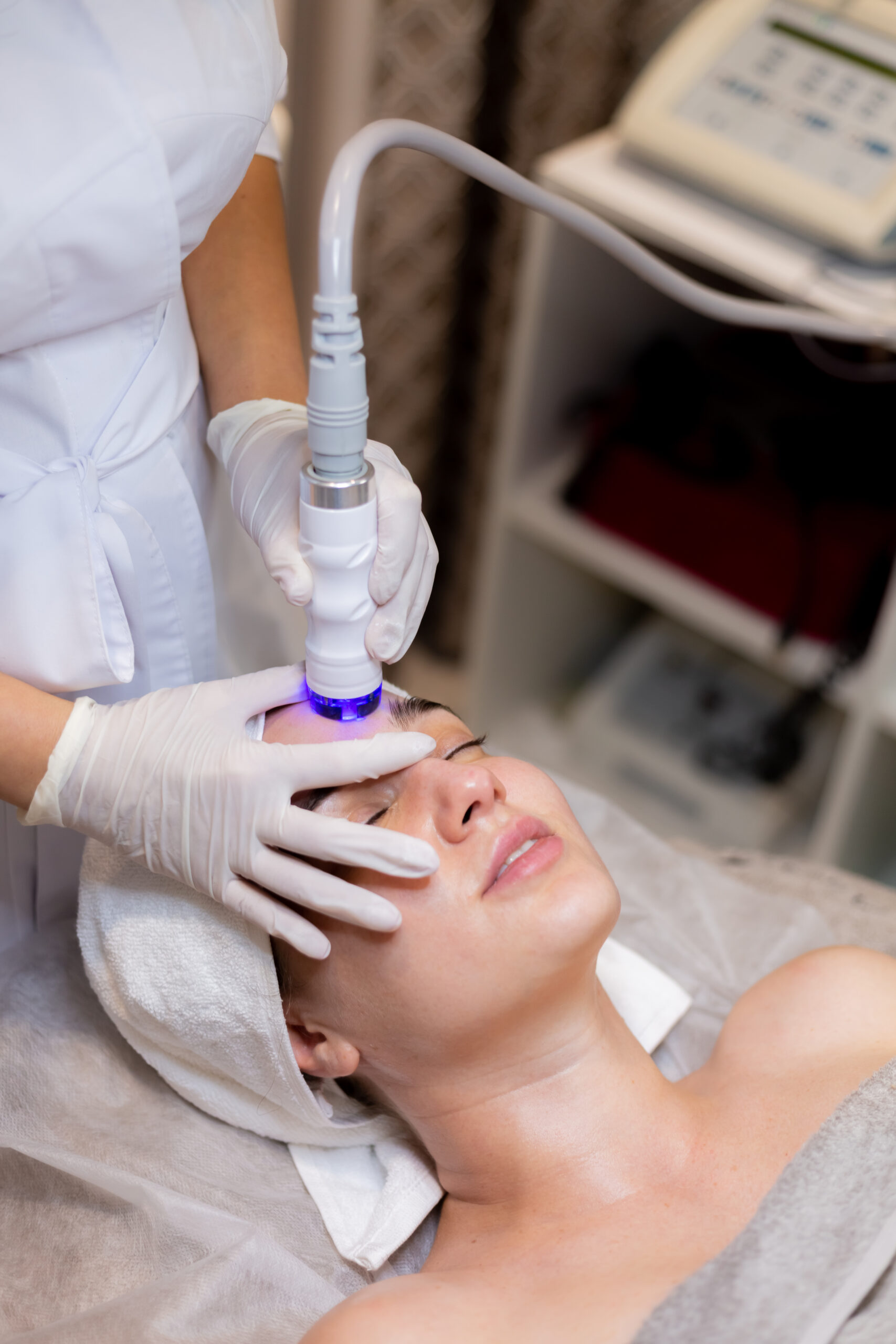
Laser therapy targets the damaged skin and stimulates collagen production, which helps rebuild and smooth the skin from within. Over multiple sessions, scars gradually fade, skin texture improves, and overall tone becomes more even.

Some common lasers for acne scars include:

  • Fractional CO2 Laser: Perfect for deep scars, boosts collagen rebuilding.
  • Erbium Laser: Gentle and precise, ideal for sensitive areas.
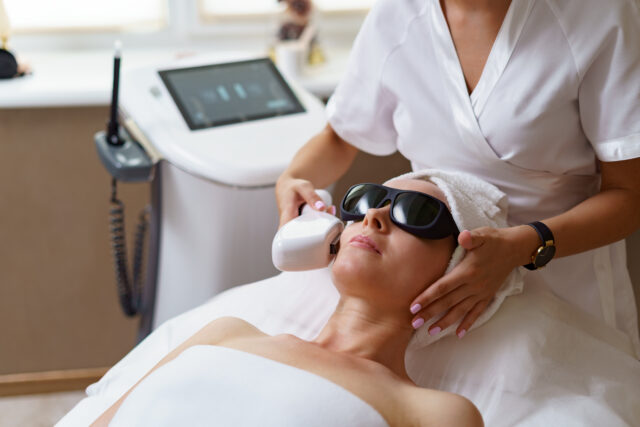
  • Pulsed Dye Laser: Reduces redness and discoloration effectively.

The type of laser you need depends on your scar type, skin tone, and sensitivity, so consulting a skilled practitioner is essential.


Why Laser Treatment Is Worth It

Unlike creams or masks that may only provide surface-level improvements, laser treatment for acne scars works below the skin’s surface. It’s safe, minimally invasive, and offers long-lasting results. Over time, the procedure can leave your skin smoother, more even, and healthier-looking—making makeup application easier and giving your skin a true “reset.”


If acne scars have been holding you back from enjoying your skin, a customized laser treatment plan could make a huge difference. With the right approach, your scars can fade, your skin can smooth out, and your natural glow can shine through—because your skin deserves the best care possible.

Catch you next time!

Face Laser: Is It Safe, Effective, and Worth It? My Personal Experience

Is Face Laser Worth It? Here’s My Personal Experience

             
Is Face Laser Worth It? Here's My Personal Experience

Face Laser: Is It Safe, Effective, and Worth It? My Personal Experience

If you’re anything like me—a fellow PCOS girl who’s battled the uninvited guest of facial hair—you know how frustrating it can be. Between stubborn peach fuzz, random hairs popping up in sunlight, and the endless struggle with makeup, I’ve been there. And let me tell you, the journey to smooth, silky skin is not always straightforward.


My Early (Painful) Laser Experience

I’ll be honest—I’ve had over 30 laser sessions at an old clinic. Yep, you read that right. Thirty! While I did see some results, the process felt like running on a treadmill with no finish line. PCOS isn’t exactly cooperative, and later being diagnosed with hypothyroidism only made hair growth even trickier to manage. Even after all those sessions, my facial hair issues weren’t gone, and my confidence still took hits every time I caught myself in sunlight or tried to take a close-up selfie.


Enter Silkor: The Game-Changer

Fast forward to my first session at Silkor, and let me tell you, my mind was blown. I switched to using their Elite Laser, which is specially designed for fine facial hair. And guess what? I barely felt a thing. The procedure was quick, only about 10 minutes, and honestly, it was the first time I felt like I was finally on the right track.


The Results That Made Me Believe

After just a few sessions at Silkor, the difference was insane. My face was finally smooth, glowing, and free of that annoying peach fuzz that ruins makeup. I could finally look at myself in natural sunlight without cringing. Those tiny, persistent hairs that had been haunting me? Gone. And with it, a huge weight off my shoulders. My confidence skyrocketed, and I genuinely felt happy in my skin for the first time in years.


Why Face Laser Is Worth It

So, is face laser safe, effective, and worth it? Absolutely, especially when done right. With the proper equipment like the Elite Laser for fine hairs and skilled practitioners (shoutout to the amazing Silkor team!), it’s painless, fast, and delivers real results—even for tricky cases like PCOS and hormonal imbalances.

Here’s why I’d recommend it:

  • Safety first: Modern lasers target hair follicles without damaging surrounding skin.

  • Effective results: Unlike endless creams or DIY remedies, laser provides long-term hair reduction.

  • Confidence boost: Let’s be real—smooth, glowing skin changes your life.


Final Thoughts

If you’re hesitant, I get it. I was too. But after my experience, I can confidently say starting face laser at Silkor was one of the best decisions I’ve ever made. It’s fast, almost painless, and the results? Unreal. Plus, the practitioners are kind, professional, and really know their stuff.

For anyone struggling with facial hair, PCOS-related growth, or even minor peach fuzz—take it from me: it’s worth it. Your confidence, your selfies, your makeup, your whole vibe—trust me, you’ll thank yourself later.

Catch you next time!

Scar Laser Treatment in Dubai: Smooth Skin, Stunning Results

Scar Laser Treatment in SILKOR Dubai: Smooth Skin, Stunning Results

             
Scar Laser Treatment in SILKOR Dubai: Smooth Skin, Stunning Results

Scar Laser Treatment in Dubai: Smooth Skin, Stunning Results

We all have that one scar (or maybe a few) that shows up louder than it should. Acne that refused to leave quietly, a surgery mark that overstayed its welcome, or stretch marks that feel like uninvited guests.

Sure, scars tell stories, but not every story deserves a spotlight. That’s where scar laser treatment steps in: not to erase your past, but to let your skin look like it finally moved on. And if you live in Dubai, you’re in luck—Silkor Clinic’s three branches in Downtown Dubai, Jumeirah, and Uptown Mirdif Mall make fading those reminders easier than ever.


What Is Scar Laser Treatment, Really?

Think of scar laser treatment as hitting the refresh button on your skin. Using advanced laser technology, it works by stimulating collagen, resurfacing the skin, and reducing pigmentation or texture differences that make scars noticeable.

Translation? Your scars fade, your skin tone evens out, and you finally stop zooming in on selfies trying to edit them away.


Who Is It For?

If you’ve been side-eyeing your mirror because of:

  • Acne scars that overstayed their welcome

  • Surgical scars that won’t budge

  • Stretch marks that make you self-conscious

  • Pigmented or textured marks that grab too much attention

…then laser scar removal might be your skin’s new best friend.


Why Choose Scar Laser Treatment in Dubai at Silkor?

Here’s the deal: laser treatments are only as good as the clinic you trust. At Silkor Clinic Dubai, you don’t just get a treatment—you get expertise, advanced technology, and a team that actually cares about your results.

  • Three Convenient Locations: Whether you’re in the heart of Downtown Dubai, chilling by the coast in Jumeirah, or shopping at Uptown Mirdif Mall, there’s a Silkor near you.

  • Advanced Technology: We use FDA-approved, medical-grade lasers designed to safely and effectively target scars.

  • Personalized Plans: Because no two scars (or stories) are the same, your treatment plan is tailored to your skin.


What to Expect from the Treatment

No sugarcoating: it’s not a one-and-done treatment. Most people need a few sessions for best results, and you might feel a little warmth or redness after. But the results? Smoother skin, softer texture, and scars that finally stop stealing the spotlight.


The Bottom Line

Scars don’t have to define your skin story. With scar laser treatment in Dubai at Silkor Clinic, you can finally take control, fade what no longer serves you, and step into a version of yourself that feels comfortable, confident, and yes—camera-ready.

So whether you’re near Downtown Dubai, Jumeirah, or Uptown Mirdif Mall, Silkor is here to help you turn the page on scars and start fresh.

Because smooth skin isn’t just about beauty—it’s about feeling like you again.

Catch you next time!

Mastering the Art of Self-Control When Life Spins Out of Your Hands

The Art of Self-Control: Practical Ways To Master It

             
The Art of Self-Control: Practical Ways To Master It

Mastering the Art of Self-Control When Life Spins Out of Your Hands

Here’s a hard pill to swallow: you can’t control everything. Not the traffic, not the weather, not the weird email your boss sends at 11:47 p.m., and definitely not other people’s decisions. And yet, we often act like we can—or worse, like we should. Cue the stress, overthinking, and late-night plotting on how you can control your life.

But here’s the secret nobody told us in school: the real skill isn’t about controlling everything around you. It’s about learning to control yourself when life decides to go completely off-script (which happens very often).


Why We Crave Control in the First Place

Humans love control. It makes us feel safe, like we’re driving the car instead of being dragged along in the trunk. When life throws uncertainty—whether it’s a breakup, a job rejection, or a random curveball we didn’t see coming—our brains panic. Suddenly, we start micromanaging everything: diets, inboxes, friendships, even Netflix watchlists (don’t lie, you’ve done it too).

The truth? Trying to control the uncontrollable only leaves us exhausted. The better approach is shifting focus from what we can’t change to what we can.


Staying in Your Lane: What You Can Control

Think of life as two circles:

  1. The Outer Circle (a.k.a. chaos you can’t touch): other people’s choices, global events, the stock market, your neighbor’s dog barking at 2 a.m.

  2. The Inner Circle (your golden zone): your reactions, your mindset, your habits, your self-talk, and how you choose to spend your energy.

When you invest in your inner circle, you stop wasting time trying to wrestle with the outer one. That’s where emotional self-control lives—your ability to breathe, reset, and keep moving even when life feels unfair.


Practical (and Actually Doable) Ways to Stay in Control

Okay, but how do you actually do this? Here’s what works in real life:

  • Pause Before You React: That angry text you want to send? Draft it, laugh at it, then delete it.

  • Control the Controllables: Sleep, movement, hydration, and showing up for yourself. Simple, boring—but surprisingly powerful.

  • Change Your Story: Instead of thinking, “This is happening *to* me,” try, “This is happening *for* me.” Cheesy? Maybe. But it shifts you from victim mode to growth mode.

  • Micro-Distractions: When your brain spirals, interrupt it—walk, journal, or even reorganize that chaotic drawer we both know you’ve been ignoring.


Why Letting Go Feels Like Freedom

The wild thing about letting go of what you can’t control is that it makes space for peace. It doesn’t mean you don’t care. It just means you’ve decided not to drive yourself insane over things that were never yours to manage anyway.

When you understand how to control yourself—your emotions, your reactions, your focus—you suddenly feel lighter. Life still throws punches, but you don’t get knocked out as easily. You learn to bend, not break.


Final Takeaway

Here’s the deal: you don’t need to control the storm—you just need to control your umbrella. Life will always have unpredictable twists, but self-control, resilience, and emotional balance will keep you steady no matter what’s happening around you.

So, next time you’re faced with chaos, ask yourself: Is this my circle to control—or is it time to let go? Then exhale, adjust your crown, and keep walking.

Because the real power? It was always in you.

Catch you next time!

Laser Hair Removal: When’s the Best Time to Start?

Laser Hair Removal: When’s the Best Time to Start?

             
Laser Hair Removal: When’s the Best Time to Start?

Laser Hair Removal: When’s the Best Time to Start?

I think it’s safe to say that shaving, waxing, threading, and epilating feels like a full-time job no one signed up for. The worst part? Just when you think you’ve finally achieved that silky-smooth finish, boom—stubble makes its grand reappearance. That’s where laser hair removal steps in, not just as a treatment, but as your ticket to freedom from the endless hair-removal cycle.

But the big question everyone has is: When’s the best time to start laser hair removal? It’s not just about picking a random date on your calendar. Timing actually matters, and here’s why.


Why Timing Matters for Laser Hair Removal

Laser hair removal treatment works best when your hair follicles are in their active growth phase (called the anagen phase). Since not all your hairs grow at the same time, multiple sessions are needed to catch them all.

That’s why most specialists recommend 6 to 8 sessions spaced a few weeks apart. Translation: starting earlier means you’ll get to your final results sooner (and say goodbye to shaving sooner, too).


Why Fall and Winter Are The Best Option

Here’s the inside scoop: the absolute best time to begin laser hair removal is during the cooler months—fall and winter. Why?

  • Less Sun Exposure: Lasers and suntans don’t mix. The treatment works best on untanned skin, and you’ll need to avoid sun exposure before and after sessions.

  • Time to Prep for Summer: If you start in fall or winter, by the time summer rolls around, you’ll be rocking smooth, hair-free skin without worrying about last-minute waxes.

  • Layer-Friendly Healing: Any redness or sensitivity post-session? Easy to hide under your cozy sweaters and jeans.

Basically, starting in the colder seasons is like planting seeds in winter for a full bloom in summer.


Can You Start in Spring or Summer? Absolutely.

Now, don’t panic if you missed the “ideal season.” Laser hair removal can be done any time of year. You’ll just need to be extra mindful about sun exposure—think SPF 50 ALL THE TIME and avoiding direct tanning.

If you’ve got a spontaneous summer trip coming up, you may want to schedule your sessions around it. But hey, the sooner you start, the sooner you’ll be done. And trust me, nothing feels better than lounging poolside without worrying about shaving your bikini line every other day.


Who Should Think About Starting Now?

Honestly? Pretty much anyone tired of the shaving-waxing cycle. But especially if you:

  • Want to be ready for a wedding, vacation, or big event.

  • Struggle with ingrown hairs or sensitive skin.

  • Simply want to reclaim all that time you spend with razors and wax strips.

The earlier you start, the earlier you’ll see results. Your future self (and your smooth skin) will thank you.


The Bottom Line

There’s no “wrong” time to start laser hair removal, but if you want the smoothest, most effortless summer ever, starting in fall or winter gives you a head start. Think of it as prepping your skin for the glow-up season ahead.

So if you’ve been waiting for a sign—this is it. Ditch the razors, cancel your wax appointments, and invest in smooth, stress-free skin. Trust me, once you go laser, you’ll wonder why you didn’t start sooner.

Catch you next time!

Scar Removal: Let’s Talk About Healing Your Skin

Everything You Need To Know To Get Rid Of Scars

             
Everything You Need To Know To Get Rid Of Scars

Scar Removal: Let’s Talk About Healing Your Skin

Scars tell stories, some of them are funny—like that one from when you tripped when you were 10 after your mom told you “stop playing and come back inside”. Some are less fun—like acne scars that decided to hang around way longer than the actual acne. And then there are the ones you just wish would fade quietly into history.

But here’s the good news: scar removal treatments today are smarter, gentler, and way more effective than the old-school “just cover it with makeup” advice. If you’ve been googling things like how to get rid of acne scars, best treatments for scar removal, or how to fade scars fast, you’re in the right place. Grab your coffee (or matcha, no judgment), and let’s talk.


Why Scars Stick Around in the First Place

Scars happen because your skin, bless it, is basically doing emergency repairs after an injury, acne breakout, or surgery. Sometimes it heals smoothly, but other times it leaves behind a mark, bump, or dip—like that one friend who “helps” but leaves your kitchen messier than before.

There are different types of scars too:

  • Acne scars: pitted, raised, or discolored.

  • Surgical scars: the ones that remind you of hospital gowns and beeping machines.

  • Injury scars: the “souvenirs” from life’s clumsy moments.

Understanding what type of scar you’re dealing with is the first step toward choosing the right scar removal treatment.


Scar Removal Treatments That Actually Work

Now, onto the fun part: options that really make a difference. Because no, toothpaste and lemon juice are not the answer (seriously, please don’t try that).

Laser Scar Removal – Think of this as your skin’s reset button. Lasers resurface and stimulate collagen production, which helps smooth and fade scars over time. Perfect for acne scars or surgical scars that just won’t quit.

Microneedling – Tiny needles = big results. This treatment boosts your skin’s natural healing, encouraging smoother texture and more even tone. Bonus: it also makes your skincare products work harder.

Chemical Peels – Not as scary as it sounds. These remove the top layer of skin so fresh, new skin can take its place. Great for discoloration and shallow scars.

Fillers for Scars – Yep, the same fillers that enhance lips can also “fill in” indented scars. It’s instant gratification (and who doesn’t love that?).

Surgical Revision – For larger or deeper scars, a plastic surgeon can literally revise the scar’s appearance to make it less noticeable.


So… Do Scars Ever Fully Disappear?

Here’s the honest truth (because we’re friends, right?): scars don’t magically vanish, but with the right scar removal treatment, they can fade so much that they stop being the first thing you notice in the mirror. Instead of covering up, you’ll feel more confident letting your skin breathe.


A Little Pep Talk Before You Go

Having scars doesn’t make you less beautiful, but wanting them gone doesn’t make you vain either. It’s about feeling comfortable in your skin. And with today’s advanced scar removal options—whether it’s laser, microneedling, chemical peels, or fillers—you don’t have to settle for scars writing your story.

So next time you catch yourself staring at that old acne scar, just know: it doesn’t have to be forever.

Catch you next time!

Quiet Luxury or Just Beige Overload? Let’s Talk.

Quiet Luxury or Just Beige Overload? Let’s Discuss It

             
Quiet Luxury or Just Beige Overload? Let’s Discuss It

Quiet Luxury or Just Beige Overload? Let’s Talk.

You’ve probably seen it all over TikTok and Instagram: people blabbing about quiet luxury and the clean girl aesthetic like it’s the secret password to life’s VIP lounge. Think slick buns, no-makeup makeup, neutral nails, and of course… beige. So much beige.

But here’s the question: is “quiet luxury” really a lifestyle—or is it just rich people wearing boring clothes and calling it a trend?

Funny enough, this thought first hit me when I came across a reel from Christina Kirkman on her podcast Life’s A Joke. She said what we were all secretly thinking: quiet luxury is basically just rich people wearing beige. And honestly… she’s right.


Wait, What Even Is Quiet Luxury?

Quiet luxury, also called “stealth wealth” or the “old money aesthetic,” is basically fashion’s way of flexing without labels. Instead of loud logos and flashy designer prints, it’s about minimalism, muted tones, high-quality fabrics, and outfits that whisper “I summer in Capri” without actually saying it.

So instead of a Gucci belt screaming across your waist, it’s a perfectly tailored pair of beige trousers that just fit. Instead of a YSL logo bag, it’s a buttery leather tote that only fashion insiders recognize.

And here’s the kicker: it’s not new. It’s literally just classic, minimalist style being repackaged for the social media era.


The Clean Girl Aesthetic: A Cousin of Quiet Luxury

Now, the clean girl aesthetic is like quiet luxury’s younger, cooler sister. It’s all about dewy skin, slicked-back buns, gold hoops, and looking like you “just woke up like this” (but actually spent an hour with skincare, foundation, and Olaplex).

Both trends rely on the idea of effortlessness—but the reality? It takes effort. And usually, money.


Rich People Wearing Beige (And Selling It Back to Us)

Here’s the funny part: the idea of “quiet luxury” sounds glamorous, but let’s call it out—it’s literally just rich people wearing beige. White shirts, neutral blazers, black trousers. Stuff our moms told us to buy at Zara ten years ago.

The difference? These pieces are now coming from brands like The Row, Loro Piana, or Khaite with price tags that could pay someone’s rent. And thanks to TikTok and influencers, beige has been elevated from “neutral wardrobe staple” to “quiet luxury must-have.”

It’s fashion’s biggest inside joke: making the most basic clothes a symbol of wealth.


Why Are We So Obsessed With It?

Because, honestly? It photographs well. Beige tones, minimal makeup, and clean aesthetics look good on Instagram grids. It feels aspirational, chic, and timeless—like if you buy the right beige sweater, suddenly your life will look like a Nancy Meyers movie.

And let’s be real: social media eats it up. The “clean girl aesthetic” gets millions of hashtags. Search “quiet luxury outfits” and you’ll be drowning in reels of beige-on-beige styling tips. The trend thrives because it sells a lifestyle, not just clothes.


Quiet Luxury vs. Real Life

Here’s the truth nobody says out loud: quiet luxury isn’t practical for most people. White trousers and beige coats aren’t made for metro rides, spilled coffee, or running errands with toddlers. The “effortless” look isn’t really effortless—it requires constant maintenance, dry cleaning, and… well, money.

Meanwhile, the rest of us are out here wearing black because it hides pizza stains.


So… Is Quiet Luxury Worth It?

If you love minimalist fashion and neutral tones, absolutely embrace it. Build a timeless wardrobe with high-quality basics that last. But don’t feel pressured into thinking beige = luxury. You can find chic, clean girl aesthetic outfits at places like thrift stores without dropping thousands.

Because at the end of the day, “quiet luxury” is just branding. And sometimes, branding is really just beige with better lighting.


Final Thoughts: Beige or Bust?

The next time you scroll past another “quiet luxury outfit inspo” reel, remember: it’s not a fixed standard for elegance—it’s just one style out of many. Wear what makes you feel like yourself, whether that’s a beige trench coat or a neon pink tracksuit.

Because true luxury is not about the colour. It’s about comfort, confidence, and clothes that feel like you.

Catch you next time!

The Real Tea on Acne Scars: What They Are & How to Spot the Type You Have

Acne Scars: Types, Causes, & Common Treatments

             
Acne Scars: Types, Causes, & Common Treatments

The Real Tea on Acne Scars: What They Are & How to Spot the Type You Have

We’ve all been there — you finally win the war against a breakout, only to find… souvenirs. Tiny dents, shadowy patches, or textured skin that wasn’t there before. Yep, acne may leave, but its scars? They like to hang around like that one friend who “forgets” to go home after the party.

But here’s the thing: not all acne scars are the same. Knowing which type you have is step one to actually treating them — because your skin deserves more than “just exfoliate.” Let’s break them down.


1. Ice Pick Scars: The Deep and Dramatic Ones

Picture this: tiny but fierce holes that look like someone poked your skin with a pin. Ice pick scars are narrow, deep, and the hardest to ignore — kind of like that song you can’t get out of your head.
Why they happen: When severe acne digs deep into your skin, it damages the tissue and leaves a narrow pit behind.
Common fix: Treatments like microneedling, chemical peels, or even laser resurfacing are the go-tos here.


2. Boxcar Scars: The Sharp-Edged Ones

Imagine little square craters on your skin — not cute, I know. Boxcar scars are broad with sharp edges, making your skin look uneven under certain lighting (hello, unflattering selfies).
Why they happen: Collagen loss after inflammation leaves the skin without support, causing those defined dips.
Common fix: Dermal fillers, microneedling, fractional lasers — basically, anything that helps your skin rebuild collagen.


3. Rolling Scars: The Soft and Wavy Ones

If your skin’s texture looks more “rolling hills” than “smooth glass,” you might have rolling scars. They’re wide, shallow, and give the skin a wavy appearance.
Why they happen: Fibrous bands form under the skin, pulling it down in certain areas.
Common fix: Subcision (a fancy way of cutting those bands loose), microneedling, or fractional CO₂ laser.


4. Hypertrophic Scars: The Overachievers

These scars are like that one plant in your garden that grows too much. Instead of leaving a dent, they go the opposite route and create a raised, thick patch on your skin.
Why they happen: The skin goes into overdrive making collagen during healing, creating a bumpy texture.
Common fix: Steroid injections, silicone sheets, or laser treatments can help flatten them.


5. Post-Inflammatory Hyperpigmentation (PIH): The Shadow That Won’t Leave

Technically, PIH isn’t a scar, but it might as well be for how much it overstays its welcome. It’s that dark mark left after a pimple, especially common in medium to dark skin tones.
Why they happen: Your skin produces extra melanin in response to inflammation.
Common fix: Sunscreen (your new BFF), chemical exfoliants like AHAs and BHAs, vitamin C serums, and professional treatments like chemical peels or laser.


Know It to Treat It

Acne scars don’t look the same on everyone. Once you figure out which type you’re dealing with, you (or a skin expert) can pick a targeted treatment plan and start working towards skin that feels like you again.

And hey, remember: scars or no scars, your skin is still doing its best. Be patient with it, invest in the right treatments, and give it the love it deserves.

Catch you next time!

Acne Scar Treatment: Your Guide to Smoother, Happier Skin

Acne Scars: Main Types, Treatments, & Tips For Smoother Skin

             
Acne Scars: Main Types, Treatments, & Tips For Smoother Skin

Acne Scar Treatment: Your Guide to Smoother, Happier Skin

You survived acne. You did the cleansers, the serums, the late-night Google searches. And just when you thought you were in the clear… the scars decided to stick around like an ex who “just wants to be friends.”

But here’s the thing — acne scars aren’t forever. With the right acne scar treatments, patience, and a little skincare strategy, you can smooth, fade, and sometimes completely erase them from your skin’s story.


First, Let’s Talk About What Acne Scars Actually Are

Acne scars form when your skin’s healing process after a breakout gets a little… creative. Instead of laying down smooth, even skin, it leaves behind dips, bumps, or dark marks.

There are a few main types:

  • Atrophic scars — Depressed or sunken scars, including icepick, boxcar, and rolling scars.

  • Hypertrophic scars — Raised scars caused by too much collagen during healing.

  • Post-inflammatory hyperpigmentation (PIH) — Those stubborn dark spots that linger long after a pimple is gone.

Knowing which type you have matters because different acne scar treatments target different scars.


Your Acne Scar Treatment Options (a.k.a. The Game Plan)

The best part about living in the age of modern skincare? You’ve got options. Lots of them.

1. Microneedling

Tiny needles create micro-injuries in your skin to boost collagen and smooth out scars. Think of it as hitting the reset button — but gently.

2. Laser Treatments

Fractional lasers like CO2 or Erbium work on deeper scars, resurfacing your skin and encouraging fresh collagen growth. These usually require some downtime, but the results? Worth it.

3. Chemical Peels

Acids like TCA or glycolic peel away the top layer of skin, fading discoloration and improving texture over time.

4. Dermal Fillers

For certain indented scars, fillers can temporarily “lift” the skin, making them less visible.

5. Topical Treatments

Retinoids, vitamin C serums, and niacinamide can all help fade hyperpigmentation and improve skin texture — but they take patience and consistency.


How to Get the Best Results

Here’s the skincare truth bomb: acne scar treatment is a marathon, not a sprint. To make the most of your efforts:

  • See a professional — They’ll match the right treatment to your scar type.

  • Be consistent — One-off treatments won’t do much.

  • Wear sunscreen every day — UV rays can darken scars and undo your progress.

  • Keep treating your acne — New breakouts = new scars, so prevention is key.


Acne scars might feel like permanent reminders of your skin’s battle, but with today’s acne scar treatments, they don’t have to be. Whether you go the professional route with microneedling or lasers, or stick to topical treatments at home, the key is consistency, patience, and protecting your skin along the way.

Clearer, smoother skin is possible — and no, you don’t have to live with scars that don’t match the glow you’re working toward.

Catch you next time!

Everything You Need to Know About Acne Cream (Before You Buy)

Acne Cream: Ingredients, How To Use It, And Results

             
Acne Cream: Ingredients, How To Use It, And Results

Everything You Need to Know About Acne Cream (Before You Buy)

The thing is, acne doesn’t just mess with your skin. It messes with your mood, your selfies, and sometimes even your social plans. And while the internet is full of “miracle cures,” the truth is, most acne solutions need two things: the right active ingredients and a bit of patience.

That’s where acne cream comes in — a small but mighty tube of targeted treatment that can help unclog pores, calm inflammation, and put those pesky breakouts on notice.


So, What Exactly Is Acne Cream?

Think of acne cream as a focused hit of skincare power, designed to be applied directly to problem areas (or all over if needed). Unlike cleansers, which you wash off, acne creams hang out on your skin, letting the active ingredients work overtime.

Some are designed for spot treatment — think zapping a single Mount Vesuvius-level pimple before a big event — while others are meant for preventive, full-face use to keep future breakouts from showing up uninvited.


What’s Inside That Matters

The effectiveness of an acne cream isn’t in the packaging — it’s in the ingredient list. Here are some common breakout-busting stars you’ll find:

  • Benzoyl Peroxide — Kills acne-causing bacteria and helps unclog pores.

  • Salicylic Acid — A BHA that exfoliates inside the pore to prevent blockages.

  • Retinoids — Boost cell turnover and keep pores clear.

  • Sulfur — Calms redness and soaks up excess oil.

  • Niacinamide — Reduces inflammation and strengthens the skin barrier.

Knowing which active works best for you is key. For example, benzoyl peroxide is great for inflamed pimples, while salicylic acid is ideal for blackheads and clogged pores.


How to Use Acne Cream Without Sabotaging Your Skin

Here’s where a lot of people go wrong — thinking “more is better.” With acne cream, restraint is your friend.

  1. Patch test first — Make sure your skin doesn’t freak out.

  2. Apply to clean, dry skin — This helps the product absorb better.

  3. Start slow — Especially if you’re using stronger actives like retinoids or benzoyl peroxide.

  4. Moisturize and protect — Always follow up with a good moisturizer and daily sunscreen.

Remember, your skin barrier protects… well you skin. Overloading it with too many actives can backfire and cause irritation — the skincare equivalent of a really bad breakup.


When to Expect Results

You’ll usually start to see changes in 4 to 6 weeks, but full results can take up to 12 weeks. Consistency is everything — skipping applications is like starting a Netflix series and never finishing it.


The Bottom Line

A good acne cream is like having a tiny, hard-working teammate in your skincare lineup. With the right formula for your skin type and a consistent routine, it can help reduce breakouts, prevent new ones, and give you a smoother, calmer canvas to work with.

So next time a breakout tries to ruin your day, don’t panic. Just reach for your acne cream, let it do the heavy lifting, and go live your life.

Catch you next time!

Benzoyl Peroxide Face Wash: How to Use It for Clear, Healthy Skin

Benzoyl Peroxide Face Wash Guide For Clear, Healthy Skin

             
Benzoyl Peroxide Face Wash Guide For Clear, Healthy Skin

Benzoyl Peroxide Face Wash: How to Use It for Clear, Healthy Skin

For those of you that have been blessed for not knowing how acne feels, I’m going to break it down for you today; acne is like that one guest who shows up uninvited, overstays their welcome, and somehow brings more friends. If you’ve tried all the hacks there are in the book and your skin still isn’t listening, it’s time to bring in the big guns: benzoyl peroxide face wash.

Before you picture a harsh, skin-stripping product that leaves your face feeling like cardboard, hear me out. When used right, benzoyl peroxide is less scary drill sergeant and more dependable wingman — the kind that’s got your back when your pores start plotting trouble.


What Exactly Is Benzoyl Peroxide


Benzoyl peroxide, or BPO for the skincare geeks among us, is one of the most trusted acne-fighting ingredients out there. Dermatologists love it because it tackles breakouts from two angles:

  1. It kills acne-causing bacteria — the main villains behind those angry red pimples.

  2. It clears away dead skin cells and excess oil — so your pores don’t get clogged in the first place.

Translation? It doesn’t just put out the fire — it also takes away the matches.


Why a Face Wash Is the Easiest Way to Start

If you’re new to benzoyl peroxide, a benzoyl peroxide face wash is a gentler, more beginner-friendly way to dip your toes in. Instead of leaving the ingredient on your skin for hours, you let it work its magic while you cleanse, and then rinse it off.

That means fewer chances of irritation while still getting those anti-acne benefits. Plus, it’s easy to slip into your morning or nighttime routine without adding an extra 10 steps.


How to Use It Without Making Your Skin Freak Out

Here’s the deal — benzoyl peroxide is powerful. And like all powerful things, it needs to be handled with a little TLC.

  • Start slow: Use it 2–3 times a week at first, then build up as your skin gets used to it.

  • Moisturize like you mean it: Hydrated skin handles active ingredients much better.

  • Don’t mix with certain actives: Using benzoyl peroxide and retinol at the same time can be a one-way ticket to irritation. Space them out.

  • Sunscreen is non-negotiable: Any acne treatment can make your skin more sensitive to the sun, so SPF is your new religion.


Who Should Use Benzoyl Peroxide Face Wash?

If your acne is mostly inflamed pimples and whiteheads (as opposed to blackheads or purely hormonal breakouts), benzoyl peroxide could be a game changer. It’s great for oily skin types, teens dealing with puberty-induced chaos, and adults still fighting “surprise” breakouts.

However, if your skin is Sahara-level dry or super sensitive, you might want to start with a lower concentration (like 2.5%) or alternate it with a gentle, non-active cleanser.


The Bottom Line

A benzoyl peroxide face wash isn’t a magical “wash it and forget it” potion — but it’s a tried-and-true, dermatologist-approved ally in the fight against acne. When you use it consistently, pair it with hydration, and don’t skip SPF, it can keep your skin clearer, smoother, and way less temperamental.

So next time your skin decides to throw a pimple party, invite benzoyl peroxide to crash it. Chances are, it’ll kick the troublemakers out and restore peace — one wash at a time.

Catch you next time!

Benzoyl Peroxide Gel for Acne: Clearer Skin Starts Here

Benzoyl Peroxide Gel: Benefits, Side Effects & Effective Tips

             
Benzoyl Peroxide Gel: Benefits, Side Effects & Effective Tips

Benzoyl Peroxide Gel for Acne: Clearer Skin Starts Here

Let’s cut straight to it: acne is exhausting. You’re casually going about your day, then randomly catch your reflection, and there it is — that red, inflamed spot that somehow showed up overnight and now owns half your mood. Cue the panic: concealer, angles, maybe even a mental note to research new skincare hacks. But before you drown in an ocean of serums and spot treatments, let’s talk about a simple, tried-and-true solution that’s been quietly saving skin for decades: benzoyl peroxide gel.

It may not come in a fancy glass bottle with gold trim, but trust me — it gets the job done.


What Exactly Is Benzoyl Peroxide Gel?

Think of benzoyl peroxide gel as the reliable friend who tells you the truth, even when it’s tough to hear. It’s a topical acne treatment you can grab over the counter, and it tackles breakouts on two fronts:

  • Bacteria fighter → It goes after the acne-causing bacteria (Propionibacterium acnes) that love to throw a party in your pores.

  • Pore unclogger → It sweeps away dead skin cells and excess oil before they can settle in and cause trouble.

The best part? Unlike antibiotics, your skin’s bacteria don’t build resistance to it. Translation: it keeps working, even in the long run.


Why People Swear By It

Here’s why benzoyl peroxide gel has earned its reputation as a skincare star:

  • Works fast – Many see improvements within 2–4 weeks.

  • Tackles both current and future breakouts – Clears what’s there while preventing new ones.

  • Reduces inflammation – Those angry, red pimples don’t stand a chance.

  • Easy to get – No prescription required.

  • Flexible options – Available in different strengths and formulas for your skin type.

So yes, it’s popular for a reason.


Finding Your Perfect Match: Strengths & Types

Not all benzoyl peroxide gels are created equal. Here’s the cheat sheet:

  • 2.5% → Best for beginners or sensitive skin. Gentle but effective.

  • 5% → A balanced middle ground for most people with mild to moderate acne.

  • 10% → Heavy-duty for stubborn breakouts or thicker skin areas (like your back).

Pro tip: start low. Irritated skin isn’t the goal, and more product doesn’t mean faster results.


How to Use Benzoyl Peroxide Gel (The Safe Way)


The key is patience, not slathering. Here’s the routine most dermatologists recommend:

  1. Cleanse gently → Use a non-comedogenic, fragrance-free face wash.

  2. Apply a thin layer → A pea-sized amount is plenty; think less “frosting” and more “light glaze.”

  3. Moisturize, always → Benzoyl peroxide can dry you out, so hydrate after.

  4. Start slow → Every other day at first, then build up to daily use.

  5. Watch your fabrics → It will bleach your pillowcases and towels. Stick to white ones.

Consistency is key. Give it at least 4–6 weeks before judging results.


The Fine Print: Side Effects to Expect

No sugarcoating: benzoyl peroxide gel can be a little extra in the beginning. Expect:

  • Mild dryness or flakiness

  • Some redness or tightness

  • The occasional sting or tingle

Usually, your skin adjusts after a couple of weeks. If irritation sticks around, scale back or switch to a lower strength.


Who Should Hit Pause on BPO

Benzoyl peroxide gel isn’t for absolutely everyone. If you have:

  • Very sensitive skin (rosacea, eczema)

  • A known allergy to benzoyl peroxide

  • Concerns during pregnancy or breastfeeding (check with your doctor)

…then you’ll want to consult a professional before diving in.


Final Thoughts: A Skincare Classic for a Reason

Benzoyl peroxide gel fights acne head-on, clears up your pores, and helps you actually enjoy looking in the mirror again.

If breakouts have been stealing the spotlight, it’s time to bring in a co-star that knows all the right moves. And if you’re ever unsure about what suits your skin best, we’re here for you — just give us a chat!

Catch you next time!

Body Dysmorphia: When Your Reflection Doesn’t Tell the Whole Story

What Is Body Dysmorphia? Signs, Causes, and How to Heal

             
What Is Body Dysmorphia? Signs, Causes, and How to Heal

Body Dysmorphia: When Your Reflection Doesn’t Tell the Whole Story

In reality, we all have those days where the mirror feels like our worst critic. Maybe you’re fixated on a breakout, a “too round” nose, or that angle that somehow makes you look different in every selfie. But here’s the thing: for people living with body dysmorphia (also called Body Dysmorphic Disorder, or BDD), this isn’t just an occasional bad mirror day. It’s a relentless cycle of overthinking, checking, and stressing about flaws that are often invisible to everyone else.

So, if you’ve ever wondered why you can’t shake the feeling that something about your appearance just isn’t “right” — even when people assure you it looks fine — this might hit close to home. And don’t worry, you’re not alone. Let’s unpack what body dysmorphia really is, how it shows up, and why understanding it is the first step to reclaiming peace with your reflection.


What Exactly Is Body Dysmorphia?

Think of body dysmorphia as that inner voice that refuses to leave you alone. While most of us occasionally fuss over our looks, body dysmorphic disorder turns those passing thoughts into all-consuming ones.

Instead of thinking:
“Ugh, my skin looks a little dull today,”


you’re stuck thinking:
“Everyone will notice my skin. I can’t go out. I look terrible.”

These thoughts don’t just vanish. They linger, repeat, and can steal hours of your day. The tricky part? What you see as a glaring flaw, others often don’t notice at all.


Common Signs You Might Be Dealing With It


Here are some common ways it can show up:

  • Constant mirror-checking (or, for some, avoiding mirrors altogether).

  • Zooming in on “flaws” like skin, nose shape, body size, or even hairline.

  • Comparing yourself endlessly to others — both online and in real life.

  • Covering up perceived flaws with makeup, clothing, or even filters.

  • Feeling anxious or skipping social events because you don’t like how you look.

  • Thinking about cosmetic procedures or quick fixes, sometimes obsessively.

If this feels familiar, it’s worth paying attention — not because you’re “vain” (you’re not), but because BDD is a real mental health condition, not a personality quirk.


Where Does It Come From?

The roots of body dysmorphia are a mix of nature and nurture:

  • Biological factors – Some studies suggest genetics or brain chemistry play a role.

  • Social influences – Social media, IG models, fitness influencers, and impossible beauty standards.

  • Past experiences – Bullying, criticism, or trauma around appearance can plant deep seeds.

  • Personality traits – Perfectionism and anxiety often walk hand in hand with BDD.

Basically, it’s not your fault. You didn’t “choose” this.


How It Can Impact Your Life

Here’s the tough part: body dysmorphia doesn’t stay in the mirror.

  • It can affect your relationships (constantly needing reassurance can strain even the closest bonds).

  • It can hold back your career or studies (because you’re too distracted or anxious to focus).

  • And it can weigh down your mental health (BDD often overlaps with depression and anxiety).

Left untreated, it can feel like a heavy, never-ending cycle — but here’s the hope: it’s treatable.


Treatment and Coping: The Path to Healing

You deserve to feel comfortable in your own skin — not like you’re fighting a daily battle with your reflection. The good news is there are proven ways to manage and overcome body dysmorphic disorder:

  • Cognitive Behavioral Therapy (CBT) → Helps reframe negative thoughts and reduce compulsive behaviors.

  • Medication (like SSRIs) → Can calm obsessive thinking when combined with therapy.

  • Mindfulness practices → Ground you in the present moment instead of spiraling into mirror-anxiety.

  • Support groups and community → Because talking to people who “get it” is powerful.

  • Body-neutral activities → Focus on what your body does for you, not just how it looks.


A Gentle Reminder

If any of this feels uncomfortably familiar, let me say this clearly: you’re not shallow, you’re not “too much,” and you’re definitely not alone. Body dysmorphia is a recognized condition, and seeking help is not only valid — it’s brave.

You deserve mornings where you don’t dread the mirror. You deserve social outings where you’re focused on the laughter, not your reflection. And you deserve a life where your worth isn’t tied to a single perceived “flaw.”

Maybe today’s the day you take that first small step — even if it’s just talking about it with a trusted friend or booking a consultation with a therapist.

Until then, keep shining like the icon you are.

Catch you next time!

Toxic Love: Are We Glowing for Ourselves or for Validation?

Toxic Love: Are We Glowing for Ourselves or for Validation?

             
Toxic Love: Are We Glowing for Ourselves or for Validation?

Toxic Love: Are We Glowing for Ourselves or for Validation?

Here’s a wild thought: what if the glow you’re chasing isn’t really yours? Not your vibe, not your joy, but something shaped by likes, comments, and endless DMs? It’s time to ask ourselves — are we glowing because we truly love who we are, or just because we want others to love it? Honestly, I get it — I’ve been there too, influenced by all the wrong voices. But guess what? I’m here to help you break free from that mindset and find your own authentic shine.


The Glow-Up Culture: A Double-Edged Sword

It’s 2025, and if you’ve been online even for five minutes, you know the glow-up is the trend. From skincare routines to fitness journeys, everyone’s sharing their “before and after” stories like badges of honor. That’s amazing — because caring for yourself and building confidence is empowering. But it can also turn tricky when your glow depends more on external approval than genuine self-love.

The thing is, you’ll find thousands of tips, products, and motivational quotes about “self-love” and “confidence boosts.” Yet somehow, many still feel empty after the Instagram likes fade or the compliments stop coming. Why? Because there’s a sneaky side to this glow culture: toxic love.


What Is Toxic Love in the Context of Glowing Up?

Toxic love isn’t just about bad relationships — it’s also about how we relate to ourselves. It’s the pattern of chasing validation from others rather than nurturing a deep, unconditional love for who we are. When your skincare routine or fitness plan is driven by “Will they notice? Will they approve?” it stops being self-care and becomes a quest for approval.

Imagine spending hours perfecting your look not because you want to feel good, but because you’re waiting for a comment, a DM, or that little heart icon to make you feel worthy. That’s toxic love disguised as self-love.


How to Spot If You’re Glowing for Validation — Not Yourself

  • You scroll your social feeds looking for validation more than inspiration.

  • Compliments from others make your day, but the absence of them makes you doubt yourself.

  • You change your routine often depending on what’s trending or what got the most likes for others.

  • You avoid posting or sharing if you’re worried about negative comments or no reactions.

  • Your mood swings with the feedback you receive about your appearance or achievements.

Sound familiar? Don’t worry — it’s a common trap. The good news is, once you notice it, you’re already halfway out.


How to Flip the Script and Glow for Yourself

1. Define Your Own Why

Before you buy the next “miracle” serum or start a fitness challenge, ask yourself: “Am I doing this because I want to feel better, or because I want others to notice?” When your motivation comes from inside, your glow becomes authentic and sustainable.

2. Celebrate Small Wins, Just for You

Don’t wait for a like or a compliment to feel proud. Celebrate your consistency, your progress, and your efforts quietly or out loud — whatever feels right. Real confidence builds when you acknowledge your journey without needing external applause.

3. Curate Your Digital Space

Follow accounts that inspire realness, self-acceptance, and growth — not just perfection or fame. Remember, social media is a highlight reel, not the whole story.

4. Practice Self-Compassion Daily

Your worth isn’t tied to your glow or your looks. On tough days, talk to yourself like a best friend would — with kindness, patience, and understanding.

5. Invest in Rituals That Nourish Your Soul

Whether it’s skincare, journaling, meditation, or dancing in your room, find rituals that make you feel alive and connected to yourself — not just Instagram-ready.

The Real Glow Comes From Within

The truth? The glow that lasts, the confidence that stays, and the love that heals all start inside you. It’s messy, imperfect, and beautifully human. When you love yourself without conditions or likes, you become your own biggest fan — and that, my friend, is the kind of glow no filter can replicate.

Catch you next time!

Benzoyl Peroxide Explained: Benefits, Side Effects & How to Use It for Clear Skin

Everything You Need To Know About Benzoyl Peroxide

             
Everything You Need To Know About Benzoyl Peroxide

Benzoyl Peroxide Explained: Benefits, Side Effects & How to Use It for Clear Skin

If acne were a person, it’d be that annoying ‘friend’ who keeps showing up uninvited to every outing, no matter how many hints you drop that they’re not welcome. Annoying, stubborn, and always choosing the worst time to make an appearance (hello, big meeting tomorrow). And that’s where benzoyl peroxide swoops in like the friend who has no problem showing your clingy acquaintance the door.

But what makes benzoyl peroxide such a star player in acne treatment? And is it right for your skin? We’re about to find out.


What Exactly Is Benzoyl Peroxide?

Think of benzoyl peroxide (often shortened to BPO) as the tough love of acne treatments. It’s an over-the-counter ingredient that works by killing acne-causing bacteria (yep, those little troublemakers called Propionibacterium acnes) while also helping to unclog pores. Translation: fewer breakouts, less redness, and clearer skin over time.

Unlike some skincare ingredients that take their sweet time, benzoyl peroxide gets to work pretty quickly — most people start seeing improvement in as little as 2 to 4 weeks.


Why Is Benzoyl Peroxide Everywhere Right Now?

If you feel like every acne product on the shelf has “benzoyl peroxide” on its label, you’re not wrong. There’s been a huge rise in popularity because it actually works — and in a world where skincare fads come and go, that’s saying something.

Searches for benzoyl peroxide acne treatment, best benzoyl peroxide cream, and benzoyl peroxide for hormonal acne have skyrocketed lately. People are tired of empty promises and are looking for real solutions — and BPO is delivering.


The Benefits: Why People Swear by It

  • Kills acne-causing bacteria – Tackles the root cause instead of just the surface.

  • Unclogs pores – Helps prevent new pimples from forming.

  • Works on both inflammatory and non-inflammatory acne – Think red, painful spots and those tiny whiteheads.

  • Widely available – You don’t need a prescription to try it.

  • Pairs well with other treatments – Especially retinoids or salicylic acid (with proper guidance).

In other words, it’s not just about calming today’s breakout — it’s about stopping tomorrow’s too.


The “But”: Things You Should Know

Before you run off to stock up, let’s talk side effects. Benzoyl peroxide can be a little… enthusiastic. That means:

  • Dryness and peeling – Your skin may feel tight or flaky at first.

  • Mild irritation – Especially if you go too strong, too fast.

  • Bleaching fabrics – Yes, your favorite pillowcase or T-shirt might suffer. Consider this a PSA.

Pro tip? Start slow. Go for a lower strength (2.5% or 5%) once a day, and let your skin adjust before moving up. Moisturizer is essential — don’t skip it.


Who Should Try Benzoyl Peroxide?

If you’re dealing with mild to moderate acne, like: whiteheads, blackheads, or inflamed pimples then benzoyl peroxide might need a new spot in your skincare routine.

But if your acne is severe, cystic, or leaving scars, it’s worth talking to a dermatologist. They might suggest combining BPO with other treatments like oral medication or prescription-strength topical creams.


The Bottom Line

Benzoyl peroxide won’t come in a chic glass jar or promise “overnight miracles.” But it’s reliable, effective, and has stood the test of time.

So if acne has been making itself a little too comfortable on your face, benzoyl peroxide could be the straightforward, no-nonsense solution you’ve been looking for. Just remember: consistency is key, patience is essential, and if you feel like you need extra support on your journey to clearer skin, we’re here to help!

Catch you next time!

Dr. Emad Hamdi Joins Silkor: A New Chapter of Aesthetics

Dr. Emad Hamdi Joins Silkor: A New Chapter in Aesthetic Excellence

             
Dr. Emad Hamdi Joins Silkor: A New Chapter in Aesthetic Excellence

Dr. Emad Hamdi Joins Silkor: A New Chapter of Aesthetics

We’re thrilled to officially welcome our newest addition to the Silkor family — Dr. Emad Hamdi, aesthetic doctor and facial architect (yep, we said it). With a unique approach to treatments, deep industry knowledge, and a philosophy that blends art with science, Dr. Emad is here to take your glow to the next level. Joining forces alongside our incredible team of experts, he brings fresh techniques and a passion for results that look as natural as they feel.

To help you get to know him better (and understand why we’re this excited), we sat down for a quick Q&A about aesthetics, trends, myths, and skincare wisdom. Here’s what he had to say:


1. Let’s start with the full-face approach. What is it, and why is it so important?

According to Dr. Emad, it’s all about harmony. The full-face approach, also known as profile balancing or profileplasty, focuses on enhancing your entire facial structure rather than chasing one small change at a time.

“I don’t necessarily need to dissolve old filler unless there are issues. If the structure is good, we can define or finesse small areas—front, 45-degree, side profile, even how the face looks when lifted or tilted down,” he explains. “For patients who haven’t done filler before but are starting to feel sagging or lack of contour—we can bring back that lift, definition, and glow using the right techniques.”


2. Which treatments do patients get most excited about?

The surprising ones!

“People are always intrigued when I recommend injecting areas they didn’t even know could be treated—like the temples,” he shares. “When I tell them that adding volume there can open up the eyeshadow space and give an eye lift, they’re shocked. Same for the forehead—it’s not common, but adding a subtle convexity can make a woman look instantly younger and more refreshed.”


3. Botox and Volite: They’re both injectables—so what makes them different?

“I actually love combining them,” Dr. Emad says. “Botox works on expression lines—think forehead, crow’s feet—and it gives this unexpected glow that no one can quite explain. Volite, on the other hand, is all about hydration. It’s not for volume, but for quality—it deeply hydrates the skin, improves texture, and gives the face a younger, plumper appearance.”

When done together, you get glow + hydration—a dream team that can last 3–6 months.


4. Cellulite treatment is everywhere right now. What should we really expect?

Real talk: Cellulite isn’t totally curable everywhere—but it is treatable.

“We use a method that breaks down the fibrous bands causing dimpling, and then stimulate collagen using certain products,” he explains. “When done right and in the correct number of sessions, the treated area won’t show cellulite again. But yes—untreated areas can still develop it.”


5. Biggest myth in aesthetics? Go.

“Oh, so many,” Dr. Emad laughs.

  • If I do filler, my face will puff up!” Nope. That’s just bad technique or product.

  • If I dissolve my cheek filler, my cheeks will sag!” Also nope. Dissolving doesn’t make your skin fall.

  • Botox will make me look frozen.” Again, no. When done right, Botox softens harsh expressions, it doesn’t erase your personality.


6. How do you tailor treatments for different skin types or concerns?

Customization is key.

“It depends on the skin itself and how often the patient can come in. I like to combine treatments—like fractional laser, microneedling, or Morpheus8—with healing boosters like exosomes,” Dr. Emad shares. “They accelerate recovery and improve results. Plus, at-home skincare is so important—Vitamin C, hydration, and even internal water intake all affect how your skin responds to treatments.”


7. What advice would you give someone who’s new to aesthetic treatments?

“Don’t believe everything you see on TikTok.”

Dr. Emad is passionate about patient education. “A lot of influencers go viral sharing skincare or treatment advice—but they’re not certified, and much of it is misleading or flat-out wrong. Even some doctors share misinformation. Always trust licensed professionals with the proper training and background.”


Final Thoughts

At Silkor, we’ve always believed in choosing experts who care deeply about both results and the people they’re treating—and Dr. Emad Hamdi is exactly that kind of expert. Whether you’re new to the world of aesthetic medicine or simply looking for a fresh perspective, your skin (and your glow) are in excellent hands.

Stay tuned for more insights from Dr. Emad—and don’t be shy to book a consultation and experience his approach firsthand.

Catch you next time!

Benzoyl Peroxide vs. Salicylic Acid: A Real Talk Guide to Choosing the Right Acne Fighter

Benzoyl Peroxide vs. Salicylic Acid: Which One Is Better For You?

             
Benzoyl Peroxide vs. Salicylic Acid: Which One Is Better For You?

Benzoyl Peroxide vs. Salicylic Acid: A Real Talk Guide to Choosing the Right Acne Fighter

Acne isn’t just about pimples y’all. It’s about the way you catch yourself avoiding mirrors some mornings, or zooming in on your face wondering what else you can try. It’s that mix of frustration and hope when you’re navigating the endless world of skincare—because let’s face it, most of us weren’t born knowing the difference between a whitehead and a papule. And yet, here we are, trying to decode ingredients like benzoyl peroxide and salicylic acid like we’re in a chemistry class we never signed up for.

Today, we’re breaking down what each of these acne-fighting MVPs does, who they work best for, and when it might be time to ditch the DIY and get a little in-clinic backup.

Note: This blog is for informational purposes only. For a personalized plan, always consult with a licensed dermatologist or skincare professional.


Let’s Meet the Ingredients

First things first, both benzoyl peroxide and salicylic acid are powerhouse ingredients commonly used in acne treatment, but they work in completely different ways. Understanding that difference is your first win.

Benzoyl Peroxide: Bacteria’s Enemy

Benzoyl peroxide targets the root cause of inflammatory acne: bacteria. It works by releasing oxygen into your pores, which kills acne-causing bacteria and helps dry out active breakouts. It also helps remove dead skin cells and excess oil—basically decluttering your pores. It’s especially effective for red, swollen pimples or cystic acne that’s deeper under the skin. But heads up: it can be drying, irritating, and it’s not always a match for sensitive skin types.


Salicylic Acid: The Pore Whisperer

Salicylic acid belongs to the BHA (beta hydroxy acid) family. It’s oil-soluble, which means it can dive deep into your pores and gently break down the gunk (oil, dead skin, buildup) that leads to blackheads, whiteheads, and overall congestion. It’s ideal for preventing breakouts before they form and is generally gentler on the skin—perfect for people with non-inflammatory acne or sensitive skin that still gets clogged easily.


So, Which One’s Right for You?

Here’s where things get personal—and a little more nuanced.

If your acne is inflamed, red, or cystic, benzoyl peroxide may be more effective. It actively kills the bacteria that’s fueling your breakout and helps calm things down quickly. On the other hand, if you’re dealing with blackheads, whiteheads, or an overall “bumpy” texture, salicylic acid is your go-to. It works beneath the surface to prevent clogged pores, making it a great long-term option for smoother skin.

Those with oily skin may benefit from either ingredient, but benzoyl peroxide offers a double whammy: it fights bacteria and cuts down oil production. If your skin is on the sensitive or dry side, salicylic acid is typically the gentler, more hydrating choice.

Trying to decide between the two? You can also rotate them—some people use salicylic acid in the morning and benzoyl peroxide at night (but do this cautiously and one product at a time, especially if you’re new to both).

And remember: if your acne isn’t improving after 8 to 12 weeks, it might be time to move past the over-the-counter shelf and get professional help.


OTC vs. In-Clinic Treatments: When to Call In the Pros

In the case of over-the-counter products, they are a great entry point. They give you a feel for how your skin reacts and can handle mild to moderate breakouts well. But they also come with limitations—lower ingredient concentrations, less customization, and slower results.

In-clinic treatments, on the other hand, are where skincare gets smarter and more strategic. Professionals can use higher concentrations of benzoyl peroxide or salicylic acid safely, often pairing them with other treatments like chemical peels, retinoids, or laser therapy to target your acne on multiple levels. Plus, they’re tailored to your specific skin type, acne type, and goals—which is something no single bottle on a drugstore shelf can offer.

If you’re stuck in a cycle of trying product after product with little to no results, or if you’re dealing with post-acne scarring, hyperpigmentation, or more severe breakouts, investing in a professional consultation could save you a lot of time, money, and frustration.


Food for Thought: What Works for Others May Not Work for You

Benzoyl peroxide and salicylic acid are both solid options in the acne game, but your skin’s story is unique, and it deserves more than a random guess.

Use benzoyl peroxide if your breakouts are red, swollen, and persistent. 

Go for salicylic acid if your skin needs a gentler nudge toward clarity, especially if blackheads or whiteheads are your main concern.

Still unsure? That’s totally normal. Acne doesn’t always play fair, and sometimes the best next step is to let a skincare professional take the wheel. And you can always book your consultation at Silkor. So, whether you choose OTC or in-clinic, you’ve got options. And now—you’ve got the knowledge, too.

Your clear skin chapter starts when you stop guessing.

Catch you next time!

The Rise of Lipedema Leg Surgery: What You Need to Know About This Game-Changing Treatment

Lipedema Leg Surgery: Benefits, Recovery, & Results

             
Lipedema Leg Surgery: Benefits, Recovery, & Results

The Rise of Lipedema Leg Surgery: What You Need to Know About This Game-Changing Treatment

If you’ve ever struggled with stubborn leg swelling, painful fat deposits, or a disproportionate lower body that just won’t budge no matter how much you diet or exercise, you might have heard whispers about lipedema. It’s an under-recognized condition, but in recent years, lipedema leg surgery has been gaining serious momentum — and for good reason. So, what’s the deal with lipedema, why are more people seeking surgery for it, and what can you expect if you’re thinking about taking that step? Let’s dive right in.


What Is Lipedema, Really?

Lipedema is not just “extra fat” or a simple weight problem — it’s a chronic disorder where fat cells, mostly in the legs and sometimes arms, grow abnormally and painfully. It’s often confused with regular obesity or lymphedema (which is swelling due to lymph fluid). But lipedema is unique, stubborn, and sometimes downright frustrating for those affected.

If you notice your legs looking disproportionate, feeling tender, bruising easily, or experiencing a constant heavy sensation — and none of the usual diets or workouts seem to help — it might be lipedema. Sadly, many women suffer silently because of a lack of awareness or misdiagnosis.


Why Is Lipedema Leg Surgery Trending?

Here’s the thing: traditional weight loss methods don’t work for lipedema fat. That’s where lipedema leg surgery comes in. Specifically, specialized liposuction techniques designed to safely remove the problematic fat tissue without damaging the lymphatic system.

In the past, lipedema was either ignored or treated with limited options like compression therapy, diet changes, or painful massages. But modern lipedema surgery offers hope — a real chance to reduce pain, improve mobility, and get legs that feel lighter and more natural.

With rising awareness and more medical professionals trained in diagnosing and treating lipedema, the number of patients opting for surgery has surged. People are finally getting answers and solutions, not just empty promises.


What Makes Lipedema Surgery Different From Regular Liposuction?

Lipedema surgery is not your average cosmetic liposuction. It requires a delicate, precise approach because lipedema fat is interwoven with fragile lymph vessels. The goal is to gently remove excess fat while preserving these vessels to prevent complications like lymphedema.

The most popular technique is called tumescent liposuction — it uses a local anesthetic mixed with fluid to numb and soften the fat, making it easier to extract with minimal trauma. This means less pain, quicker recovery, and better results.

Plus, lipedema surgery is not just about aesthetics; it’s about improving quality of life. Many patients report less pain, easier movement, and even a boost in confidence post-surgery.


Who’s a Good Candidate?

If you’ve been diagnosed with lipedema or strongly suspect you have it based on symptoms like disproportionate leg fat, tenderness, swelling, and bruising, you might be a candidate. It’s important to consult with a specialist who understands the condition deeply.

While lipedema surgery is not a weight-loss procedure, it complements lifestyle changes like healthy eating and exercise, enhancing overall well-being.


What About Recovery and Results?

Recovery varies, but most patients can expect some swelling and bruising for a few weeks. Wearing compression garments and following your doctor’s advice is crucial for optimal healing.

The results? Smoother leg contours, less pain, improved mobility, and a noticeable reduction in the heavy, uncomfortable feeling that lipedema brings. Many describe it as life-changing — and honestly, it is.


Final Thoughts — You’re Not Alone, And Help Is Here


If lipedema has been holding you back (it shouldn’t), know that the rise of specialized lipedema leg surgery is changing the game. More people are finding relief, improved function, and a boost in self-esteem after surgery tailored to this tricky condition.

You don’t have to accept painful, stubborn leg fat as “just part of life.” Reach out, get a proper diagnosis, and explore your options. The right surgery might just be the breakthrough you’ve been waiting for.

Want to chat more about lipedema leg surgery or explore if you’re a candidate? Book your consultation with us today and let’s start this journey together.

Catch you next time!

The Top 3 Acne Treatments That Actually Work

Top Acne Treatments You Actually Need to Know About

             
Top Acne Treatments You Actually Need to Know About

The Top 3 Acne Treatments That Actually Work

I know you’re annoyed of always standing in the skincare aisle squinting at bottles that promise “clear skin overnight,” and you’ve probably been burned (figuratively and maybe literally). Acne doesn’t care how much you’ve spent, how many TikTok hacks you’ve tried, or how many times you begged your pores to behave. But guess what? The right acne products do exist. You just need a little guidance—and maybe a reality check.

This blog is your no BS, no-false-hope guide to the best acne treatments out there. Whether you’re dealing with angry hormonal breakouts or stubborn blackheads, I’ve rounded up the top three options that dermatologists swear by, skincare junkies love, and your face might just thank you for.

Let’s break them down and figure out what’s worth buying (and what you should leave to the pros at the clinic).


1. Salicylic Acid – Your Pores LOVE to See It Coming

If your skin feels like it throws a tantrum every time you touch it, salicylic acid is that calm, cool friend who tells it to chill. This beta-hydroxy acid (yep, BHA for short) goes deep into your pores, unclogs the gunk, and gently exfoliates from the inside out.

Best for: Oily, combo, or blackhead-prone skin
Found in: Cleansers, toners, spot treatments, serums
Over-the-counter or in-clinic? Mostly OTC, but clinics use higher-concentration BHA peels for faster, more intense results

Why It’s a Win:

  • Clears out congested pores (think blackheads and whiteheads)

  • Reduces oil without drying you out (if you don’t go overboard)

  • Great for daily maintenance or mild breakouts

But… a heads up:

  • Can make your skin a little flaky at first

  • Doesn’t always work on deep, cystic acne

Buy-intent tip: Look for 2% salicylic acid in cleansers or toners. If you want faster, clinic-grade results? Book a consultation with Silkor and thank me later.


2. Benzoyl Peroxide – The Bacteria Terminator

This one doesn’t play. Benzoyl peroxide kills acne-causing bacteria like it’s on a mission. It’s one of the most dermatologist-recommended ingredients for a reason—it works fast, especially on angry, red pimples that seem to pop up at the worst time.

Best for: Moderate to severe breakouts, inflamed pimples
Found in: Gels, creams, spot treatments
OTC vs. in-clinic? Available in both, but clinics may offer stronger combinations (like with antibiotics or LED therapy)

Why It’s a Win:

  • Shrinks big zits in a few days

  • Prevents new breakouts when used regularly

  • Often more affordable than prescription options

But… be careful:

  • Can bleach your pillowcases, towels, and dignity

  • Dries out your skin like a desert if overused

Buy-intent tip: Start with 2.5% or 5% benzoyl peroxide gel—more isn’t always better. For stubborn cystic acne, ask your derm about in-clinic options like benzoyl peroxide facials or combined treatments.


3. Retinoids – For Acne and Beautiful, Glowing Skin


Ah, retinoids. The overachievers of skincare. Not only do they treat breakouts, but they also smooth fine lines, fade dark spots, and make your skin look like you’ve been drinking water and minding your business (even if you haven’t). They boost skin cell turnover, meaning clogged pores don’t stand a chance.

Best for: All acne types, especially hormonal or persistent acne
Found in: Prescription creams, OTC retinol serums
OTC vs. in-clinic? OTC retinol is great for beginners. For even better results, clinical-strength tretinoin or in-clinic microneedling with retinoid infusion = chef’s kiss

Why It’s a Win:

  • Long-term skin improvement

  • Fades scars and evens texture

  • Helps prevent future breakouts

But… patience is key:

  • Takes weeks (sometimes months) to see major results

  • Can cause “purging” aka your skin looks worse before it gets better

  • Needs a solid SPF routine or your skin will protest

Buy-intent tip: Start with a gentle OTC retinol (like 0.3% or less). But if you’re ready to commit? See your derm for a personalized retinoid prescription or try an in-clinic Retinol Peel once a month.


Over-the-Counter vs. In-Clinic: Which Is Better?

Let’s settle this: OTC treatments are fantastic for early-stage acne, consistent maintenance, and budget-conscious shoppers (we still advise you to consult with your dermatologist before taking any irrational decisions). But if you’ve tried everything and your skin’s still screaming? It’s time to go pro

In-clinic acne treatments (like chemical peels, light therapy, and prescription topicals) offer:

  • Higher concentrations = faster results

  • Customization based on your skin type

  • Supervision by skincare experts (less trial and error)

Think of OTC as brushing your teeth. Think of in-clinic as seeing the dentist. You need both to keep things under control.


Final Thoughts: Your Skin Deserves More Than a Guessing Game

Acne is frustrating, but treating it shouldn’t feel like rocket science. Whether you start with salicylic acid, give benzoyl peroxide a go, or finally take the retinoid plunge—you’re making progress. And if nothing’s clicking? Go talk to the pros. You deserve clear skin without the constant trial and error.


Skincare is a journey y’all, I’ve been telling you that for a while, but when it comes to acne, we’re sending it packing for good.

Catch you next time!

Is Your Phone Negatively Affecting Your Skin?

Skin Problems Caused By Phones & Effective Tips To Solve Them

             
Skin Problems Caused By Phones & Effective Tips To Solve Them

Is Your Phone Negatively Affecting Your Skin?

Okay, let’s get one thing straight: your skincare routine is probably looking chef’s kiss these days. You double cleanse, you moisturize like a pro, and you never skip sunscreen (even indoors—because you’re that committed). But somehow… those annoying breakouts along your jawline or cheek keep showing up uninvited. Rude.

Before you toss out your new serum or blame that chocolate bar you had 2 days ago, you need to acknowledge the silent saboteur that’s always by your side, your phone.

Yes. The same device you doomscroll on before bed might actually be clogging your pores and totally messing with your skin.

Let’s unpack this tech-skin drama, shall we?


Your Phone: Basically a Bacteria Party in Your Pocket

For starters, your phone is dirtier than a public toilet seat. No exaggeration. Studies show that smartphones can carry over 25,000 germs per square inch. And unlike your hands, which you (hopefully) wash multiple times a day, your phone? Not so much.

Now imagine pressing that germ-magnet against your face every time you take a call. That’s like transferring a day’s worth of grime, oil, bacteria, and leftover latte foam directly onto your skin. Yikes.

Skin Problems Caused by Phones:

  • Phone acne (yes, it’s a thing)

  • Irritation and inflammation

  • Clogged pores

  • Texture and uneven tone

Those breakouts on your cheek or jawline? Classic signs your phone and your skin are way too close.


It’s Not Just the Bacteria, Babe

Sure, germs are a big part of the problem, but let’s not forget about:

  • Heat: Your phone warms up while you use it, which opens up your pores—perfect for letting in bacteria.

  • Friction: Repeated pressure and rubbing can cause irritation and lead to what dermatologists call acne mechanica (aka breakout city).

  • Makeup Transfer: That flawless foundation you spent 20 minutes blending? It’s now smeared across your screen… and ready to go back onto your face.


How to Stop Your Phone from Attacking Your Face

Here’s the good news: you don’t need to break up with your phone—you just need to set some boundaries.

1. Clean Your Phone, Like… Daily

Use alcohol wipes or a microfiber cloth with 70% isopropyl alcohol. Aim for at least once a day, especially if you’re out and about. Bonus points if you clean your phone case too—because that’s a whole other bacterial jungle.

2. Go Hands-Free

AirPods, headphones, speaker mode—whatever it takes to keep your phone off your face. Trust us, your skin will be grateful.

3. Don’t Take Calls Mid-Skincare

Putting your phone on your face right after applying toner or moisturizer? Recipe for disaster. Let your products absorb first, then chat away. And besides, it’s YOU time, whoever is texting can wait.

4. Switch Up Your Case

Soft or porous cases (like silicone or leather) are bacteria magnets. Go for a hard, smooth case that’s easier to clean and won’t trap grime.

5. Wash Those Hands

Every time you pick up your phone, your hands are doing a handshake with whatever your screen has been collecting. Then you touch your face. Then your face breaks out. See the loop?


Add a Little “Phone Protection” to Your Skincare Routine

Yes, you need your cleanser, serum, and SPF. But you also need some skincare defense tactics tailored to this new tech reality.

Acne-Fighting Tips for Tech Users:

  • Use a gentle cleanser with salicylic acid to keep bacteria at bay

  • Apply a non-comedogenic moisturizer to protect your skin barrier

  • Use a toner with antibacterial ingredients (like witch hazel or tea tree)

  • Exfoliate once or twice a week to prevent build-up from bacteria and dead skin

If you’re breaking out along your phone zone, tailor your skincare to target that area—don’t just pile on more product.


Skincare in the Age of Screens

Your phone isn’t evil. It’s just… misunderstood. And dirty. Very dirty.

By being mindful of how your tech habits affect your skin, you can finally break the breakout cycle—and still keep scrolling through skincare reels at midnight.

Your screen time doesn’t have to be your skin’s enemy. Just keep it clean, go hands-free, and give your face a little breathing room now and then.


Final Thoughts

Smartphone acne is real, but it doesn’t have to take over your skin story. With a few easy tweaks to your tech habits—like cleaning your phone daily, going hands-free, and being mindful of where your screen touches—you can protect all the effort you’re putting into your skincare routine. 

Clear skin isn’t just about what you apply, it’s about what you avoid, too. So wipe down your phone, keep those hands clean, and if your skin needs an extra boost, treat yourself to that facial. Let’s help your skin glow.

Catch you next time!

Salicylic Acid: Your Skin’s Pore-Clearing Bestie (But Only If You Use It Right)

Salicylic Acid: Benefits, Possible Side Effects, How To Use It, & More

             
Salicylic Acid: Benefits, Possible Side Effects, How To Use It, & More

Salicylic Acid: Your Skin’s Pore-Clearing Bestie (But Only If You Use It Right)

Hey there my fellow enthusiasts! Today’s topic is salicylic acid — you’ve probably been hearing about this ingredient from your desk buddy that swears by it or your TikTok algorithm keeps pushing. So what’s the deal? Is it really that magical? And how do you use it without burning a hole through your skin barrier?

Let’s unpack it all — the benefits, the red flags, and the difference between over-the-counter salicylic acid and in-clinic, dermatologist-led solutions.


What Is Salicylic Acid, Anyway?

Salicylic acid is a beta-hydroxy acid (BHA), and before your eyes glaze over — just know this: it’s oil-soluble, which means it can dive deep into your pores (where acne forms), unclog them, and tell your skin, “Hey, let’s clean this up.”

It’s derived from willow bark (yes, a plant!) and it’s been around for ages in the skincare world because it works. And it doesn’t just exfoliate the surface — it goes beneath the surface to tackle gunk you can’t see.


What Does Salicylic Acid Actually Do?

  • Clears out clogged pores – dissolves the mix of oil and dead skin cells causing breakouts

  • Fights acne – especially those stubborn blackheads, whiteheads, and mild pimples

  • Reduces oil production – less grease, more glow

  • Calms inflammation – it’s got anti-inflammatory powers for angry red zits

  • Smooths skin texture – say goodbye to bumpy, uneven skin

  • Brightens over time – gentle exfoliation = fresher, newer skin cells = a glowier you


So… How Does It Work?

Think of it like a gentle but determined housekeeper. Salicylic acid penetrates oily skin and breaks apart the “glue” that holds dead skin cells together. This helps shed dead skin, decrease oil, and clean out pores — all at once.

It doesn’t just treat breakouts — it helps prevent them. That’s why dermatologists love it. And that’s why it’s in everything from toners and serums to face washes and spot treatments.


How to Use Salicylic Acid Without Upsetting Your Skin

Here’s the part where most people go wrong: they overdo it. Because “if a little works, a lot must work better,” right?
Wrong. Salicylic acid is powerful, and with great power comes… well, you get it.

Here’s how to play it safe:

  1. Start slow – 2-3 times a week, especially if you’re new to acids

  2. Choose the right strength – usually 0.5% to 2% in OTC products

  3. Don’t mix with everything – avoid layering with other exfoliants, retinoids, or harsh actives

  4. Moisturize after – keep your skin barrier happy

  5. Always wear SPF – because exfoliated skin = more sun-sensitive


PSA: Salicylic Acid Isn’t for Everyone

And here’s the warning label most people ignore. If used the wrong way, salicylic acid can cause:

  • Redness and peeling

  • Over-drying

  • Irritation, especially for sensitive skin types

  • In rare cases: chemical burns or prolonged inflammation

We highly recommend you read this real case study from one of our Silkor dermatologists — where a patient misused salicylic acid without professional guidance, and things… didn’t go well. Learn from her, not the hard way.


OTC vs. In-Clinic: What’s the Better Move?

Here’s where things get personal — and potentially professional.

Over-the-Counter (OTC) Salicylic Acid Products

  • Widely available, easy to access

  • Great for mild acne, oily skin, or maintenance

  • But… limited concentration, one-size-fits-all, and easy to misuse

  • No expert checking if it’s right for your skin type

In-Clinic, Dermatologist-Guided Treatments

  • Customized concentration & application

  • Combined with other treatments like facials, peels, or LED therapy

  • Monitored progress (and fewer skincare mistakes)

  • Designed to work smarter — not harsher — for your skin

When it comes to real results, it’s not about the strongest acid — it’s about the smartest approach.


Don’t DIY Your Skin Health

Salicylic acid can be a hero ingredient. But like all heroes, it needs a good storyline — one that starts with the right product, the right advice, and the right treatment plan.

At Silkor, our expert dermatologists can help you build a skincare routine that actually makes sense for your skin — whether you’re dealing with acne, dullness, or oily skin that just won’t quit.

Sometimes, a tube of face wash isn’t enough. Sometimes, you need a skin strategy.

Book a dermatologist consultation with Silkor — because clear, healthy skin starts with real expertise.

Catch you next time!

Skincare Products for Acne: What Works, What Doesn’t, and When to See a Pro

Everything You Need to Know About Skincare for Acne

             
Everything You Need to Know About Skincare for Acne

Skincare Products for Acne: What Works, What Doesn’t, and When to See a Pro

Let’s be real for a second (it’s okay this is a safe space), acne can be annoying. One minute your skin is glowing, the next it’s playing connect-the-dots with pimples. Whether you’re fighting monthly breakouts or stubborn cystic acne, finding the right skincare products can feel like trying to win the lottery—expensive, confusing, and kind of exhausting.

But hey, don’t stress—we’re here to simplify it all for you.

This blog breaks down what actually works when it comes to skincare products for acne, which ingredients you should be looking for, what your skin type has to do with it, and why sometimes the solution isn’t just a serum, it’s a specialist.

Let’s dive into your journey toward clearer, calmer skin.


Acne 101: What’s Actually Going On?

Before we throw a dozen products at your face (figuratively, of course), let’s understand the why behind the breakouts.

Acne happens when your pores get clogged with a mix of oil (aka sebum), dead skin cells, and acne-causing bacteria. Add in hormones, stress, genetics, or even that one-night stand with your pillowcase you forgot to wash, and bam—breakout city.

There are different types of acne:

  • Blackheads and whiteheads (non-inflammatory)

  • Papules, pustules, nodules, and cysts (inflammatory and the drama queens of the acne world)

And yes, they each need their own kind of type of care.


The Skincare Ingredient Hit List: What Actually Works for Acne

When it comes to acne, you want products that do the job—without burning your skin off. These ingredients work great for acne-prone skincare:

Salicylic Acid

The deep pore cleanser. It’s a BHA that exfoliates from inside the pore. Great for blackheads and whiteheads. If you’re oily and breakout-prone, this one’s your bestie.

Benzoyl Peroxide

The bacteria bouncer. It fights acne-causing bacteria (P. acnes) and reduces inflammation. Start slow—this stuff is powerful (and a bit drying).

Retinoids (including Retinol)

The long game. Retinoids speed up cell turnover, unclog pores, and reduce post-acne marks. But fair warning: results aren’t instant, and irritation is common at first.

Niacinamide

The peacekeeper. It calms redness, controls oil, and fades acne scars. Bonus? It plays nicely with most actives.

Azelaic Acid, Sulfur, AHAs (like glycolic or lactic acid)

These are your supporting cast. Great for sensitivity, discoloration, and gentle exfoliation.


Building a Skincare Routine That Doesn’t Betray You

Let’s get real—your routine doesn’t need 12 steps and a PhD to work. The key? Start simple. Be consistent. Don’t mix every active ingredient on day one.

AM Routine:

  • Gentle cleanser

  • Targeted treatment (salicylic or benzoyl peroxide)

  • Lightweight, oil-free moisturizer

  • Broad-spectrum sunscreen (SPF 30+)

PM Routine:

  • Cleanser (double cleanse if you wear makeup/SPF)

  • Retinoid or treatment product

  • Hydrating or barrier-repairing moisturizer

Pro Tip: Always patch test, and if your skin says “ouch,” it’s time to scale back.


Skin Type Matters. A Lot.

One product doesn’t fit all. Here’s a cheat sheet:

  • Oily Skin: Gel cleansers, clay masks, niacinamide serums

  • Dry Skin: Cream cleansers, rich moisturizers, hyaluronic acid

  • Combination Skin: Customize—lighter in the T-zone, richer elsewhere

  • Sensitive Skin: Avoid fragrance, opt for calming ingredients like azelaic acid

  • Acne-Prone Skin: Focus on non-comedogenic, active-rich, gentle formulas


OTC vs. In-Clinic Acne Treatments: Which One’s For You?

Let’s have the honest talk.

Over-the-Counter (OTC) Treatments

These are great for mild to moderate acne. You’ve got access to trusted ingredients like salicylic acid, benzoyl peroxide, and retinoids (like adapalene). They’re accessible, affordable, and a good starting point.

But… if you’ve been trying product after product and your skin still isn’t cooperating—it might be time to level up.

In-Clinic Dermatological Treatments

This is where the pros come in. A board-certified dermatologist can tailor a treatment plan just for you. Think:

  • Prescription-strength retinoids or antibiotics

  • Hormonal treatments for adult acne

  • In-office procedures like chemical peels, laser therapy, or microneedling

  • Personalized skincare guidance so you’re not stuck playing product roulette

Feeling stuck? Book your consultation now and let us take the guesswork out of your skincare routine.


Skincare Is a Part of Your Lifestyle

Products can’t fix what daily habits are breaking. Here’s how to support your skin from the inside out:

  • Drink lots of water (yes, it helps)

  • Manage stress (meditation, yoga, rage-screaming—whatever works)

  • Sleep well and change your pillowcases

  • Avoid touching your face (you know you do it)

  • Eat balanced meals (some studies link high-sugar foods and dairy to breakouts)


Acne Myths That Need to Go

“Drying it out is best.” Nope. Over-drying leads to more oil and more breakouts.
“Natural = better.” Not always. Poison ivy is natural too.
“You don’t need sunscreen if you have acne.” Big no. Sunscreen is non-negotiable—especially when using actives.
“Products work instantly.” Most take 6–12 weeks. Be patient. Your skin’s not Netflix-speed.


Acne Isn’t Your Identity

Always remember, your acne doesn’t define you—and it’s totally okay for wanting to treat it.

You can start with the right products, and if that doesn’t do the trick you know where to find us. 

Catch you next time!

Tea Tree Oil for Skin: Miracle in a Bottle or Just a Trend?

Is Tea Tree Oil Worth It? Let’s Break it Down

             
Is Tea Tree Oil Worth It? Let's Break it Down

Tea Tree Oil for Skin: Miracle in a Bottle or Just a Trend?

Let’s talk about the oil that everyone and their skincare-obsessed cousin is raving about—tea tree oil. This little powerhouse has made its way into everything from pimple patches to face washes, shampoos, body lotions, and even DIY foot soaks. And we get it—it smells like it’s doing something important, and for many, it actually is.

But the big question is: Can tea tree oil really fix your skin concerns, or is it just another overhyped home remedy?

Let’s break it down, zone by zone—face, body, and scalp—and see where over-the-counter (OTC) solutions shine, and when it’s time to let the professionals (hello, Silkor dermatologists!) take over.


First, What is Tea Tree Oil Anyway?

Tea tree oil is an essential oil extracted from the leaves of the Melaleuca alternifolia tree (say that five times fast). It’s been used for centuries as a natural antiseptic, anti-inflammatory, and antimicrobial agent—making it a go-to for treating everything from acne to dandruff to minor cuts and fungal infections.

Popular benefits of tea tree oil:

  • Fights acne-causing bacteria

  • Reduces inflammation and redness

  • Helps control oily skin

  • Soothes scalp irritation

  • Treats mild fungal issues (think athlete’s foot or nail fungus)

Sounds like magic in a bottle, right? Well… kind of. Let’s zoom in.


Face First: Tea Tree Oil for Acne & Oily Skin

OTC Benefits:

Tea tree oil is a natural antibacterial, so it can help reduce acne-causing bacteria and calm inflammation. It’s often found in spot treatments, toners, and cleansers aimed at acne-prone or oily skin.

Good for:

  • Occasional pimples

  • Mild breakouts

  • Oily T-zones

Be careful with:

  • Dry, sensitive, or reactive skin (tea tree oil can be harsh if not diluted properly)

When to Consider In-Clinic Treatment:

If your breakouts are stubborn, cystic, hormonal, or leaving behind scars, it’s time to upgrade your routine. At Silkor, our dermatologists offer customized acne treatments, which may include:

  • Prescription-grade solutions

  • Chemical peels

  • Medical facials

  • LED therapy

  • Scar revision treatments

You can explore Silkor’s skin solutions and get a skincare plan that actually works for your skin.


Body Talk: Tea Tree Oil for Bacne, Underarms, and Feet

OTC Benefits:

Tea tree oil’s antibacterial and antifungal powers extend to the body, which is why it shows up in body washes, deodorants, and foot creams.

Can help with:

  • Mild bacne

  • Fungal issues like athlete’s foot

  • Body odor

  • Ingrown hairs or razor bumps (sometimes)

When to See a Pro:

If you’re struggling with:

  • Persistent body acne

  • Dark spots and pigmentation from old breakouts

  • Fungal infections that keep coming back

  • Severe underarm irritation or folliculitis

…you’ll need more than an essential oil to save the day. Our in-clinic dermatology treatments at Silkor target these issues with stronger, science-backed solutions like:

  • Laser for pigmentation and acne

  • Medical peels for back and chest

  • Prescription antifungal treatments

  • Customized body skincare regimens

Trust us—tea tree oil is great, but it’s not going to clear years of body acne or hormonal breakouts alone.


The Scalp Diaries: Tea Tree Oil for Dandruff & Itchy Scalps

OTC Benefits:

You’ll find tea tree oil in a lot of anti-dandruff shampoos and scalp treatments. Why? Because it’s antimicrobial and antifungal—making it effective against Malassezia, a fungus linked to dandruff.

Best for:

  • Mild dandruff

  • Itchy, flaky scalp

  • Occasional oil buildup

When You Need More:

If your scalp feels like a snow globe no matter what shampoo you use—or worse, you’re dealing with:

  • Seborrheic dermatitis

  • Psoriasis

  • Hair thinning or hair loss

  • Painful bumps or inflammation

…it’s time to get a dermatologist involved.

At Silkor, we offer:

  • Trichology consultations

  • Advanced scalp analysis

  • PRP for hair loss

  • Medical-grade treatments for scalp conditions

And yes, we can still recommend tea tree oil as part of your supporting routine, just not the hero of the show.


So, Is Tea Tree Oil Worth It?

Yes… and no. It’s a great supporting ingredient and can help manage mild concerns, but it’s not a magic or *the only* cure for chronic or severe skin and scalp issues.


Know When to DIY and When to Derm

Tea tree oil is a great addition to your routine if:

  • Your skin concerns are mild

  • You’re consistent with patch testing and dilution

  • You’re looking for natural alternatives

But if your skin (or scalp or body) needs more than a temporary fix, your best bet is an expert-led treatment plan. At Silkor, our dermatologists know exactly when to go natural, when to go medical, and how to help you finally get results.

Stop guessing and start glowing. Book your consultation with Silkor’s skin specialists today.

Catch you next time!

How Jawline Fillers Transform Your Profile: A Complete Guide

Jawline Fillers: Types, Benefits, What To Expect, & Aftercare Tips

             
Jawline Fillers: Types, Benefits, What To Expect, & Aftercare Tips

How Jawline Fillers Transform Your Profile: A Complete Guide

Hi my beauty enthusiasts! Let’s cut to the chase, there’s just something chef’s kiss about a sharp, well-defined jawline. It gives you that polished, sculpted look that makes your side profile scream ‘goaaalssss’. Luckily, we’ve come a long way from thinking surgery is the only way to get that snatched look. Yes, this is the part of the blog where we talk about jawline fillers, the quick, non-surgical treatment that’s all about giving you that effortless, contoured face card. 

Today we’re going to cover everything you need to know about jawline fillers—from how they work to what you can expect, and why they might just become your new favorite beauty investment.


So, What Are Jawline Fillers?

Jawline fillers are injectable treatments that add structure and definition to your lower face using dermal fillers—usually based on hyaluronic acid (important for hydration and volume). Think of them as a sculptor’s tool, but for your face–and instead of a chisel, it’s a needle.

At Silkor, we customize each treatment based on your facial anatomy and goals. Whether you’re going for subtle refinement or red-carpet-level contour, we tailor the process just for you.


The Best Types of Fillers for Jawline Enhancement

Not all fillers are created equal. Here are the stars of the jawline game:

  • Hyaluronic Acid Fillers: Reversible, natural-looking, and super safe. Perfect if you’re just starting out.

  • Calcium Hydroxylapatite: Long-lasting and stimulates collagen while giving volume.

  • Poly-L-lactic Acid: More gradual results, but works beautifully over time to build your own collagen.

Pro tip: Your injector will help choose the best one for your look, lifestyle, and longevity goals.


Why Everyone’s Obsessed: Benefits of Jawline Fillers

Here’s what makes this treatment a crowd favorite:

  • Sculpted definition: No more undefined jawlines. Get that clean-cut look that photographs so well.

  • Facial balance & symmetry: Subtle tweaks can make your whole face look more harmonious.

  • A more youthful appearance: Fillers can counteract sagging and volume loss in the lower face.

  • Zero drama: No surgery, no downtime, no stress. Most people head right back to work or brunch.


What to Expect From Your Jawline Filler Session

Before the Appointment

It all starts with a consultation:

  • We chat about your goals (no pressure)

  • Assess your facial structure

  • Walk you through the whole plan

During the Treatment

  • You’ll be numbed

  • Fillers are injected strategically

  • We sculpt and adjust in real-time

  • You get to see the transformation instantly

Time? About 20–45 minutes. You might spend more time picking the perfect post-treatment selfie angle.

Aftercare

  • Expect mild swelling or bruising (gone in a few days)

  • Sleep elevated, stay hydrated, avoid heat and workouts for 24 hours

  • No touching or massaging

  • Results settle beautifully over 1–2 weeks


Who’s a Good Candidate for Jawline Fillers?

You’re likely a great fit if:

  • Your jawline feels soft, undefined, or asymmetrical

  • You’ve noticed volume loss with age

  • You want a non-surgical option with natural results

  • You’re in good health and have realistic expectations

When to Skip It

Jawline fillers might not be for you if:

  • You’re pregnant or breastfeeding

  • You have certain autoimmune conditions

  • You’re dealing with active skin infections

  • You need surgical correction due to extreme asymmetry


Possible Side Effects (Rarely Though)

Like any treatment, there’s a risk—but when done by trained professionals, it’s low. 

Common side effects include:

  • Swelling

  • Bruising

  • Mild tenderness

Less common but serious risks (infection, allergic reaction, vascular issues) are why you should only trust certified professionals like our expert doctors at Silkor.


Jawline Fillers vs. Other Treatments

Fillers vs. Surgery

Surgery = permanent results, dramatic, longer recovery
Fillers = flexible, quick, natural-looking, and minimal downtime

Fillers vs. Other Non-Surgical Options

At Silkor, we offer:

  • Morpheus8 (for tightening & texture)

  • Thread Lifts (for lift & definition)

  • Liposuction (for fat reduction under the chin)

But for instant contour with the least fuss? Fillers are still the MVP.


Choosing the Right Practitioner (Cough, cough: it’s us)

Results are only as good as your injector. At Silkor:

  • We use only FDA-approved products

  • Our doctors are certified and experienced

  • Treatments are done in sterile, luxurious environments

  • We listen—your goals, your comfort, your face, your way


Aftercare Tips for Long-Lasting Results

Want your results to last and look fab? Here’s your cheat sheet:

  • Ice packs in the first 24 hours

  • No workouts, alcohol, or saunas right away

  • Use gentle skincare, sleep on your back

  • Follow-up if needed, we’re always here for you


Better Side Profiles Ahead

Let’s wrap it up. Jawline fillers are more than just a cosmetic trend, they’re a profile upgrade. A little secret that makes a big difference.

Whether you’re subtly enhancing or dramatically sculpting, our team at Silkor is here to help you look and feel like the best version of yourself.

Ready to define your jawline?

Let’s talk. Book your consultation today with Silkor’s aesthetic experts and start your journey toward sharper, more defined contours.

Catch you next time!

Do You Actually Know Your Skin Type?

Understanding The Five Main Skin Types For Effective Skincare

             
Understanding The Five Main Skin Types For Effective Skincare

Do You Actually Know Your Skin Type?

Let’s be honest, most people are either guessing or playing a skincare version of trial and error when it comes to choosing products. But here’s the truth bomb: if you don’t know your skin type, your entire skincare routine might be doing more harm than good.

Understanding your skin type is the foundation of effective skincare — and also the secret sauce to getting those results you’ve been hoping for (read: glowing, balanced, selfie-ready skin). So grab a mirror and let’s get into it.


Understanding the Five Main Skin Types

Your skin isn’t “just oily” or “just dry.” It’s a whole vibe — and it needs to be understood.

Normal Skin: The Balanced Canvas

If your skin rarely throws tantrums, never feels tight, and isn’t shiny by lunchtime — congrats, you’ve got normal skin.
Your pores are small, texture smooth, and breakouts rare. Basically, your skin is the calm, drama-free friend of the group.

Quick test: Cleanse, wait an hour, and check. If it feels fresh — not tight or greasy — you’re in the clear.


Oily Skin: When Sebum Steals the Show

Shiny T-zone? Frequent breakouts? Makeup sliding off before noon? You’re probably dealing with oily skin.

Tissue test tip: Blot your face 30 minutes post-cleanse. If the tissue comes back glistening, sebum’s in control.
This skin type is most prone to blackheads, whiteheads, and acne — especially around the forehead, nose, and chin.


Dry Skin: The Thirsty Type

Tight after washing? Flaky patches? Skin looking dull and feeling like a desert? Dry skin is screaming for hydration.

Tell-tale signs: Small pores, rough texture, visible fine lines, and that “please moisturize me” feeling post-wash.


Combination Skin: The Mood Swinger

Can’t decide if your skin is oily or dry? That’s because it’s both. Your T-zone might shine like a glazed donut while your cheeks feel like sandpaper.

How to know: Tissue test shows oil only in the center of your face. Different zones, different problems.

Sensitive Skin: The Overthinker

Redness, stinging, itching, reacting to everything? You’re in sensitive skin territory.

It’s not technically a skin “type” — but more of a skin personality. You can be dry-sensitive, oily-sensitive, or combo-sensitive. Either way, your skin doesn’t like to be pushed around.


Why Knowing Your Skin Type Is Everything

We know — the skincare aisle is intimidating. But understanding your skin type makes choosing the right products easier, less expensive, and way more effective.

Keyword-friendly benefits of knowing your skin type:

  • Choose the best skincare products for your face

  • Avoid wasting money on products that don’t work

  • Say goodbye to skincare mistakes and hello to better results

  • Create a personalized skincare routine that works

  • Reduce acne, irritation, and imbalance

  • Boost hydration, glow, and overall skin health


How to Give Your Skin What It’s Actually Asking For


Normal Skin

Keep it simple and sweet:

  • Cleanser: Gentle, hydrating

  • Moisturizer: Lightweight

  • SPF: Every. Single. Day.

  • Exfoliation: 1–2x a week

Your job? Maintain the balance and don’t overdo it.


Oily Skin

No, you don’t need to strip it raw. That only makes it worse.

  • Cleanser: Gentle foaming, 2x daily

  • Moisturizer: Yes, still necessary — just oil-free

  • Ingredients to love: Salicylic acid, benzoyl peroxide

  • Weekly clay mask: Yes, please.

The goal? Regulate oil, not wage war on it.


Dry Skin

Hydrate like it’s your full-time job.

  • Cleanser: Creamy and non-stripping

  • Moisturizer: Apply to damp skin for max effect

  • Facial oil: Optional, but amazing

  • Exfoliation: Once weekly, gently

Don’t forget SPF and avoid products with alcohol or strong fragrances.


Combination Skin

Treat your face like a map with zones.

  • Cleanser: Balanced gel type

  • Moisturizers: Lighter for the T-zone, richer for the cheeks

  • Targeted treatments: Customize as needed

Pro tip: It’s totally okay to use different products on different parts of your face.


Sensitive Skin

Your skin deserves calm and comfort.

  • Products: Hypoallergenic, fragrance-free

  • Ingredients to love: Ceramides, hyaluronic acid, niacinamide

  • New products: Patch test every time

  • Routine: Minimal and soothing

Avoid harsh exfoliants, alcohol, or anything with essential oils until cleared by a pro.


Busting Some Skincare Myths

Let’s set the record straight.

Myth 1: Oily skin doesn’t need moisturizer
Wrong. Drying it out makes it produce more oil. Use a lightweight formula instead.

Myth 2: You can change your skin type
Not really — it’s mostly genetic. You can improve how your skin behaves though!

Myth 3: Natural products are always better
“Natural” isn’t automatically gentle or safe. Always choose what’s proven to work for your skin.

Myth 4: You need a 10-step routine to get good skin
Nope. Less can be more — quality over quantity, always.


Still Not Sure What Skin Type You Have? That’s Okay.

Sometimes, figuring it out on your own can feel like a guessing game — especially if your skin keeps changing with the seasons, hormones, or stress.

That’s where we come in.


Let Silkor Take a Look

At Silkor, we offer professional skin analysis using advanced diagnostic tools, real human expertise, and one-on-one consultations to help you finally understand your skin type.

Once we’ve decoded your skin’s needs, we tailor a skincare plan with the right treatments, facials, and skincare products — including solutions for acne, pigmentation, dryness, sensitivity, and more.

Whether you’re battling breakouts or just tired of buying the wrong products, we’re here to make your skin goals a reality — without the trial and error.


Book Your Free Consultation

Let’s stop guessing and start glowing.
Ready to find out what your skin really needs?

Book a consultation at Silkor today and let’s build a skincare routine that actually works — because your skin deserves more than guesswork.

Catch you next time!

Acne Antibiotics: What You Really Need to Know Before Starting Treatment

Acne Antibiotics: Types, Benefits, Side Effects, & Alternatives

             
Acne Antibiotics: Types, Benefits, Side Effects, & Alternatives

Acne Antibiotics: What You Really Need to Know Before Starting Treatment

You haven’t experienced true skin frustration until you’ve battled severe acne — the kind you thought you’d leave behind in your teenage years, but somehow follows you into your 20s, even your 30s. We know that dealing with acne can feel like fighting an uphill battle. You’ve tried every trendy cleanser, overnight patch, and DIY mask TikTok recommended. And still? The breakouts return with a vengeance. If you’re standing at skincare’s version of a crossroads, wondering if antibiotics are your next step, or just curious about how they’d help you, you’re in the right place.

Antibiotics for acne have helped millions (yes, millions!) get clearer, calmer skin, but they’re not the solution for everybody. Like any medication, they come with benefits and considerations. So let’s walk through what you need to know: how acne antibiotics work, what types exist, the risks, the results, and some powerful alternatives too.

P.S: Every skin story is unique — and yours deserves a personalized approach. That’s why your first step should always be a consultation with a licensed dermatologist (we know a few!).


What Actually Causes Acne? (And Why Antibiotics Help)

Before diving into the meds, let’s take a step back and talk about breakouts. Acne forms when hair follicles get clogged with oil (aka sebum), dead skin cells, and… the main troublemaker: Propionibacterium acnes (aka P. acnes). This bacteria thrives in clogged pores and triggers inflammation, resulting in those painful red bumps that always show up at the worst time.

Antibiotics help by breaking this vicious cycle — reducing bacteria and calming the inflammation it causes.


Types of Acne Antibiotics Your Dermatologist Might Recommend

Now let’s mention the possible solutions. Antibiotics for acne come in two forms: topical (applied directly to the skin) and oral (taken by mouth). Each type has its perks, and your dermatologist will help decide what’s best for your unique skin.

Topical Antibiotics

These go straight to the source — applied directly to the breakout zones.

  • Clindamycin: One of the most popular choices, clindamycin reduces P. acnes bacteria and soothes inflammation. It’s often paired with other actives like benzoyl peroxide or retinoids for extra oomph.

  • Erythromycin: A gentler alternative that’s great for sensitive skin. It targets bacteria while being less irritating — perfect for delicate complexions.

Oral Antibiotics

These work systemically — perfect for stubborn or widespread acne.

  • Doxycycline: An oral antibiotic for acne. It targets inflammation and bacteria, with noticeable results often showing up by week six.

  • Minocycline: Similar to doxycycline but may be easier on the stomach. Especially effective for deep, painful breakouts.

  • Tetracycline: An older option that’s still effective, though not as commonly used now due to more dietary restrictions and side effects.


How Antibiotics Work to Clear Up Acne

Let’s demystify the science.

  1. Kill the bacteria: Antibiotics lower the number of acne-causing bacteria (mainly P. acnes) on your skin.

  2. Calm inflammation: They reduce redness, swelling, and discomfort, especially in inflamed pimples like papules, pustules, and cysts.

Note: antibiotics alone won’t fix everything. They’re most effective when part of a bigger treatment plan — usually combined with things like topical retinoids, benzoyl peroxide, or even chemical peels.


Why Dermatologists Prescribe Antibiotics for Acne Treatment

Used the right way, antibiotics can be a game-changer. Here’s what makes them such a fan favorite in dermatology clinics:

  • Clearer skin, fast – Many people notice fewer breakouts in just 4 to 6 weeks.

  • Less inflammation – Angry red pimples calm down, making skin feel (and look) better.

  • Flexible treatments – Whether it’s facial acne or body breakouts on the chest or back, antibiotics can treat it all.

  • Boosts other treatments – Think of them as a wingman to your topical products.


Okay, But Let’s Talk Side Effects

No treatment is perfect — and antibiotics do come with a few things to watch out for:

Common Side Effects:

  • Digestive issues: Nausea, bloating, or upset stomach (taking them with food helps).

  • Sun sensitivity: Especially with tetracyclines. Always wear SPF.

  • Yeast infections: Especially for women — antibiotics can throw off your natural balance.

Long-Term Concerns:

  • Antibiotic resistance: Using them for too long can make bacteria immune — which is why dermatologists limit usage.

  • Gut health: Long-term use may affect your microbiome, so it’s good to keep things balanced with probiotics or gut-friendly foods.

Rare Risks:

  • Some antibiotics (like minocycline) may cause more serious issues like liver problems or autoimmune reactions — but these are rare and monitored closely by your dermatologist.


Tried-and-True Alternatives (In Case Antibiotics Aren’t for You)

If you’re not feeling the antibiotic route — no worries! There are plenty of powerful acne treatments that work with or instead of antibiotics.

Topical All-Stars:

  • Retinoids: Unclog pores, reduce inflammation, and boost skin renewal. They’re acne’s arch-nemesis — in the best way.

  • Benzoyl Peroxide: Kills bacteria and helps clear clogged pores. Found in cleansers, gels, and spot treatments.

  • Salicylic Acid: Great for exfoliation and preventing blackheads and whiteheads.

Professional Options:

  • Chemical Peels: Reveal clearer skin by removing dead cells and buildup.

  • Light Therapy (LED/Blue Light): Targets acne bacteria and inflammation.

  • Extractions: When done by a pro, they safely remove gunk without causing trauma.

Hormonal Treatments:

For women, birth control pills or spironolactone can balance hormones and stop hormonal breakouts at the source.


What Dermatologists Want You to Know About Acne Management

So what’s the secret to long-term acne success?

  • Start with a pro: A dermatologist will diagnose your acne type, assess severity, and create a customized treatment plan.

  • Be patient: No treatment (not even antibiotics) works overnight. Give it 6-12 weeks.

  • Stick to your skincare routine: Consistency is your best friend. Use gentle cleansers, non-comedogenic moisturizers, and sunscreen daily.

  • Track your skin: If something changes (good or bad), your derm needs to know!

  • Check lifestyle factors: Stress, sleep, diet, and skincare habits can influence your skin — even if they’re not the main cause.


Should You Try Acne Antibiotics? Here’s the Bottom Line

If you’ve been battling stubborn acne and nothing seems to work, antibiotics could be your next step — especially for moderate to severe inflammatory acne. They’re powerful, but they’re also best used with care, and always under a dermatologist’s guidance.

The good news? You don’t have to figure it all out alone.

Our team of skincare experts is here to help. Whether you want to explore antibiotics, try alternatives, or just finally get real answers for your skin — we’ve got your back (and your face, too).

Book a consultation today and let’s create the right acne treatment plan for you.
Because better skin starts with better support — and your skin deserves nothing less.

Catch you next time!