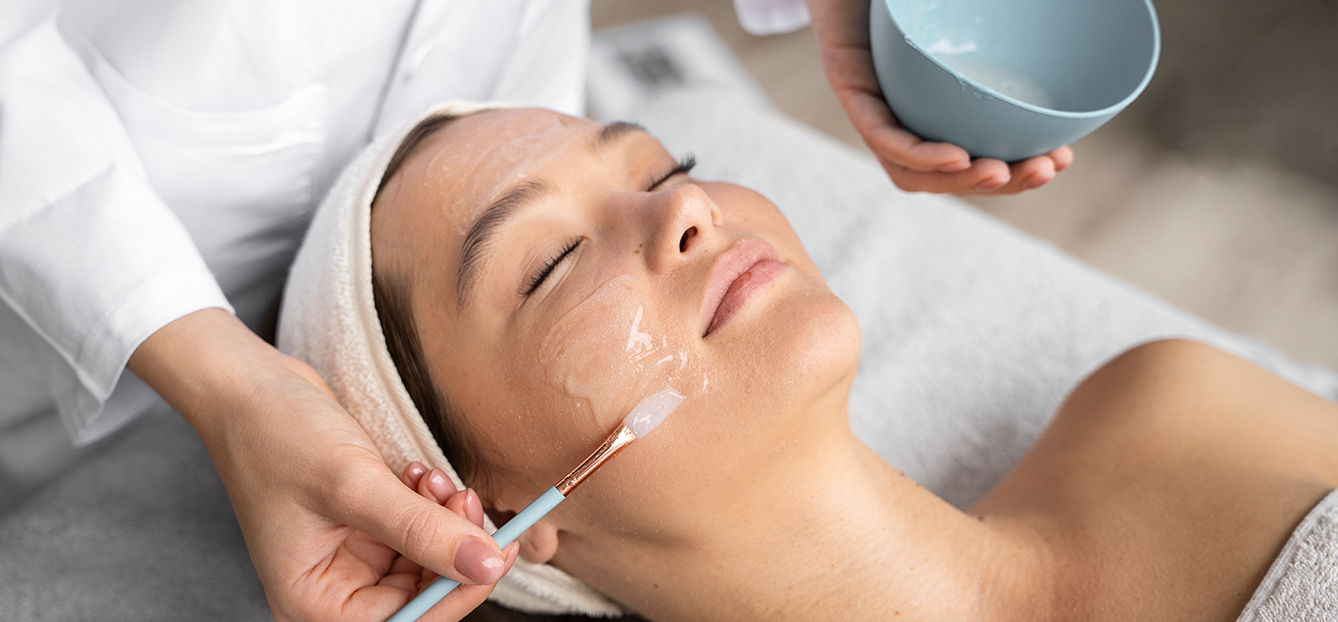
Skin Boosters: The Fuel of Beauty – Insights from Dr. Muhammad Alazzeh

Achieve Healthy & Glowing Skin With Skin Boosters At SILKOR

             
Achieve Healthy & Glowing Skin With Skin Boosters At SILKOR

Skin Boosters: The Fuel of Beauty – Insights from Dr. Muhammad Alazzeh

If you’re looking for glowing, healthy skin that still looks like your skin, there’s one treatment taking center stage in the world of aesthetics: skin boosters. But what exactly are they, and why are they such a great treatment for anyone seeking a natural, radiant complexion? 

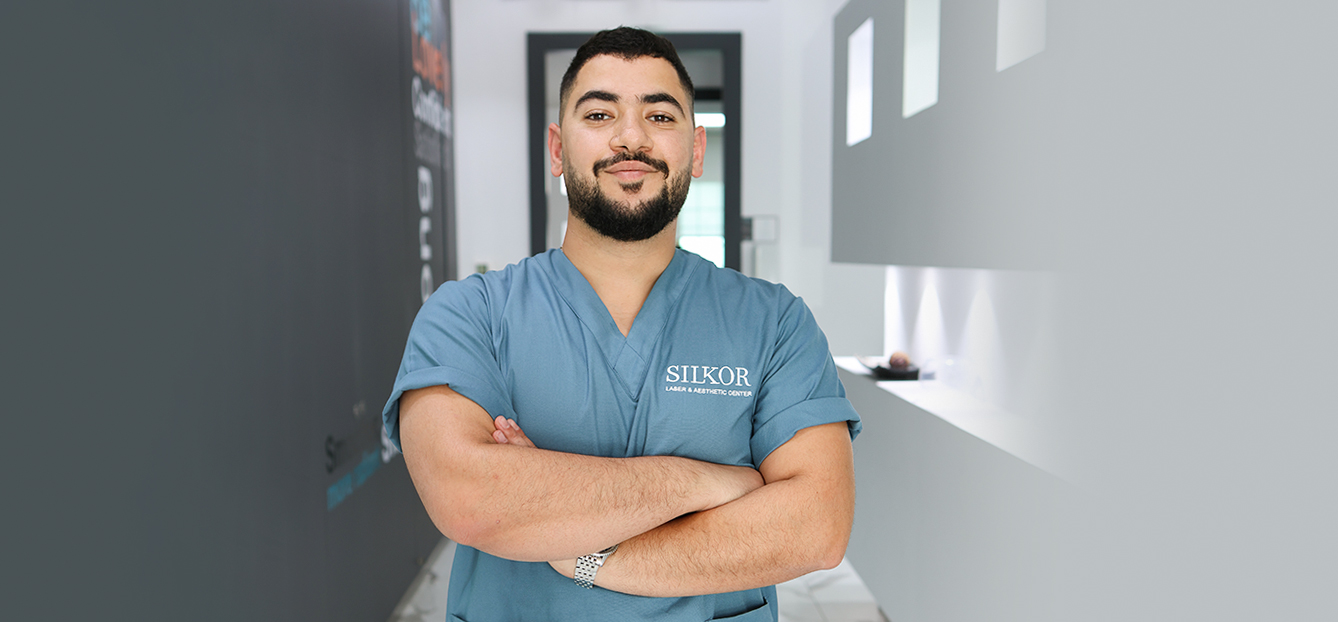
We spoke with Dr. Muhammad Alazzeh, an expert in aesthetic treatments, to uncover why he calls skin boosters “the fuel of beauty” and how they could be the key to transforming your skin health.


What Makes Skin Boosters a Must-Have Treatment? 

“For me,” Dr. Alazzeh shares, “skin boosters are essential because they give your skin exactly what it needs to function better naturally.” Unlike other treatments that alter facial features or add volume, skin boosters work deep within the skin to improve texture, hydration, and glow while maintaining your natural look. 

It’s the perfect choice for anyone who wants a luminous complexion and still not ready for other types of injectables.


Who Are Skin Boosters For? 

Dr. Alazzeh believes skin boosters are for everyone. “They suit anyone looking to maintain a fresh, healthy glow,” he explains. From tackling dryness, dullness, and fine lines to minimizing enlarged pores, skin boosters work like a multivitamin for your face. 

Whether you’re starting to notice signs of aging or simply want to enhance your skin’s natural radiance, this treatment is personalized to meet your specific needs. 


What Results Can You Expect? 

“Smaller pores, radiant skin, reduced discoloration, and a more even texture,” says Dr. Alazzeh. But he’s quick to manage expectations. 

“Skin boosters aren’t magic. While you’ll notice a beautiful glow after your first session, the best results come with a series of treatments, especially if we’re addressing deeper concerns like pigmentation or uneven texture.” 

Patience and consistency are key—but the payoff is worth it! 
 

What Are the Most Common Misconceptions? 

Dr. Alazzeh addresses a big one right away: “Many people think results are instant.” While you may notice subtle improvements right away, skin boosters focus on building long-term skin health. 

“That’s why it’s so important to manage expectations and help clients understand that real, lasting results take time and proper care,” he adds. 


Dr. Muhammad Alazzeh’s Fave Skin Booster Blend 

When asked about his favorite skin booster treatment, Dr. Alazzeh revealed his top combination of ingredients: PDRN, Volite, Tranexamic acid, and Alpha Arbutin. 

“This powerful mix targets everything from pigmentation to large pores, dry skin, or even oiliness. It’s versatile, gentle, and works wonders,” he says. 

This level of customization is a big reason why skin boosters are so effective. They’re designed to nourish your skin with exactly what it needs, making them the ultimate tailored treatment. 


Why Dr. Alazzeh Calls Skin Boosters “The Fuel of Beauty” 

“When you think about it, fillers can contour your face, but they won’t fix things like uneven tone, melasma, or dryness,” explains Dr. Alazzeh. 

Skin boosters, on the other hand, work beneath the surface to deliver hydration, peptides, polyamino acids, and other active ingredients your skin craves. “They don’t just improve the way your skin looks; they improve how it works. That’s why I call them the fuel of beauty.” 


Finally

If you’re considering skin boosters, there’s no better time to start. Whether you’re looking to revive dull skin, minimize pores, or just maintain a radiant, youthful complexion, the focus of this treatment is simple: it enhances your natural beauty without changing it. 

Dr. Alazzeh’s advice? “Feed your skin what it needs, and it’ll thank you with visible health and radiance.” 

Are you ready to experience the glow for yourself? Book a consultation with Dr. Muhammad Alazzeh today and see how skin boosters can transform your routine into a radiant success.

Catch you next time!

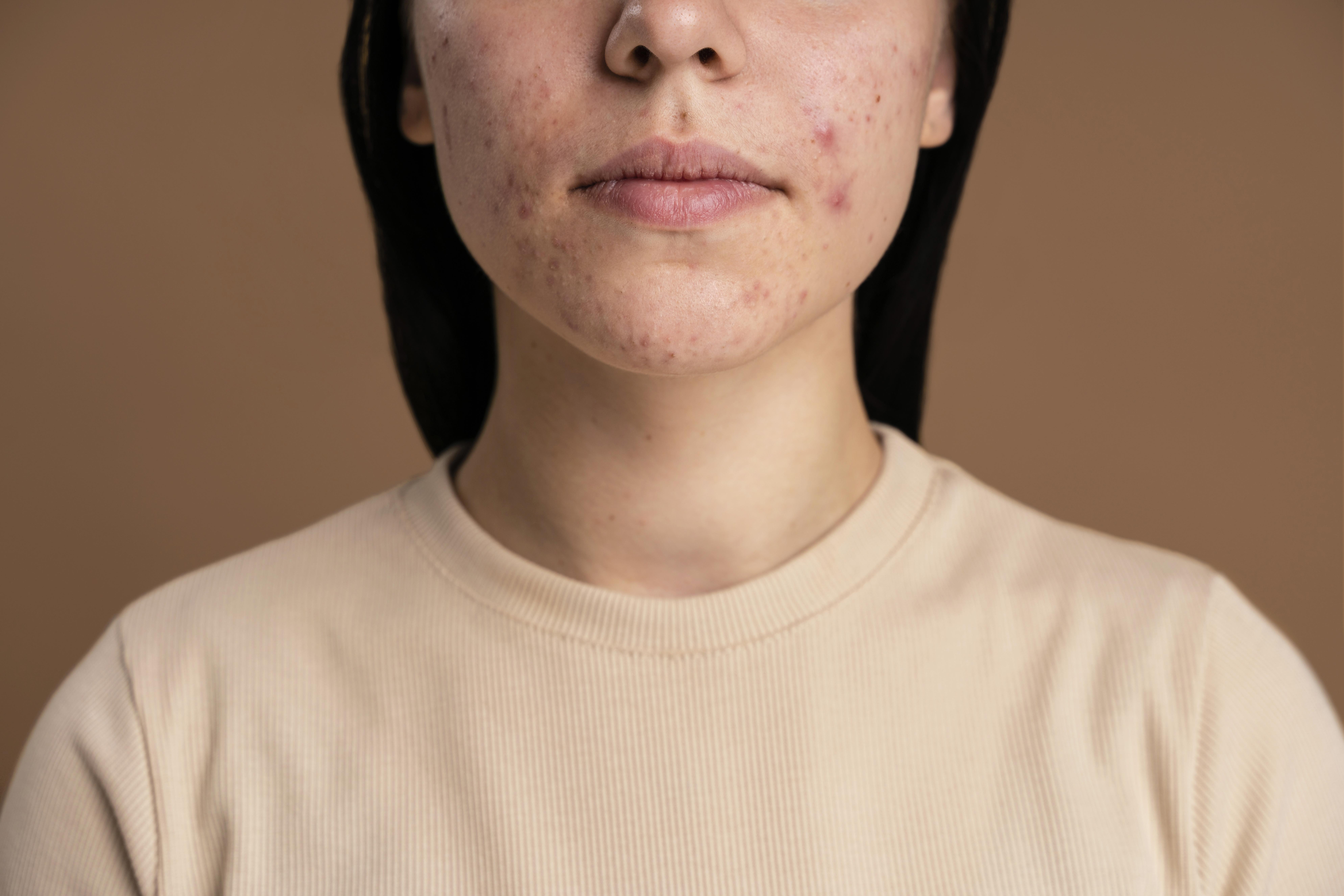
How to Deal with a Big Pimple

Say Goodbye To Annoying Big Pimples With SILKOR

             
Say Goodbye To Annoying Big Pimples With SILKOR

How to Deal with a Big Pimple

Woke up with a huge zit on your face? We feel you. It always happens when you least expect it; picture day, a date night, or the morning of your big pitch. That angry red bump feels like it has its own heartbeat and is now the only thing you can look at in the mirror.

Before you go full attack mode with harsh scrubs or pop it like bubble wrap (please don’t), let’s hit pause and talk. This guide is your big pimple survival kit—packed with everything from what causes breakouts to how to get rid of them without making things worse. We’ll also sprinkle in some skincare tips, lifestyle tweaks, and expert-backed treatments to help you not just treat it, but prevent it from making a comeback.

Let’s get into it because no one invited that pimple, and it’s time to show it the door.


What Causes Big Pimples?

Big pimples (aka inflamed papules, pustules, or even cysts) aren’t just random skin attacks; they usually show up for a reason. Or several.

1. Hormones Gone Wild

Blame it on the hormones. Whether it’s puberty, your period, pregnancy, or stress, fluctuating hormones ramp up oil (sebum) production. That extra oil clogs pores, mixes with dead skin cells, and voila breakout city. If your pimples tend to show up like clockwork every month, hormones are probably calling the shots.

2. Your Skincare Routine Might Be Sabotaging You

Over-cleansing, under-cleansing, using drying products, or skipping sunscreen (yes, even if you have acne) can all throw your skin off balance. Also: dirty pillowcases, makeup brushes, and touching your face constantly? All guilty as charged.

3. What You Eat (and Drink) Does Matter

We’re not saying one chocolate bar will ruin your skin, but consistently high-glycemic foods, dairy, and greasy meals can contribute to acne flare-ups. Also: drink water like your life depends on it.

4. Genes Don’t Lie

If acne runs in your family, you’re more likely to deal with it too. Genetics can influence how much oil your skin produces and how quickly it sheds dead skin cells (aka how easily your pores clog).

5. Your Environment Plays a Role

Living in a humid or polluted environment? That could explain some of your skin drama. Heat and humidity lead to more oil production, while pollution can clog pores and cause inflammation.


Prevention: How to Stop Big Pimples Before They Start

The best way to deal with a breakout is to prevent it altogether. Here’s how to keep your skin clear and calm before it erupts.

Skincare Routine

Stick to this simple, effective routine:

Morning

  • Gentle cleanser (no harsh foaming bullies)

  • Lightweight, non-comedogenic moisturizer

  • Broad-spectrum SPF 30 or higher (yes, even on cloudy days)

Evening

  • Thorough makeup removal (micellar water or cleansing balm)

  • Cleanse again (double cleansing = double win)

  • Acne-fighting serum (salicylic acid, niacinamide, or a light retinol)

  • Moisturizer to lock it all in

Important: Don’t switch up your products every week. Skin needs consistency. Give it at least 6–8 weeks to respond.

Eat (and Glow) Well

  • Load up on fruits, veggies, and omega-3s (think salmon, chia seeds, walnuts)

  • Limit sugar and high-glycemic carbs

  • Stay hydrated—water flushes out toxins and keeps your skin juicy and clear

Stress Less, Glow More

Stress increases cortisol, which increases oil, which increases breakouts. It’s the worst triangle ever. So:

  • Move your body (yoga, walks, dancing in your room… all count)

  • Meditate or practice deep breathing

  • Get 7–9 hours of solid sleep

  • Set boundaries. Say no to things that drain you.

Clean Your Environment

  • Wash your pillowcases weekly

  • Wipe down your phone (you’re basically pressing a bacteria pad to your face)

  • Clean your makeup brushes often

  • Avoid resting your face on your hands (we see you, chin leaners)


Treatment: What to Do When You’ve Got a Big One

Okay, so the pimple’s here. What now?

First Aid for Big Pimples

  • Cold compress: Reduces swelling and calms the area

  • Spot treatment: Use benzoyl peroxide, salicylic acid, or sulfur-based formulas

  • Hands OFF: Popping makes it worse and can lead to scarring

Best Ingredients to Look For

  • Benzoyl Peroxide: Kills bacteria and reduces inflammation (start with 2.5%)

  • Salicylic Acid: Unclogs pores and gently exfoliates

  • Sulfur: Great for spot treatments—dries the pimple without overdrying the skin

  • Retinoids: Boost cell turnover, unclog pores, and fade marks

Natural Remedies That *Might* Help (Use With Caution)

  • Tea Tree Oil: Antibacterial, but always dilute it

  • Green Tea Compress: Calming and rich in antioxidants

  • Raw Honey Mask: Naturally antibacterial and soothing

Patch test first! Natural doesn’t always mean skin-safe for everyone.


When It’s Time to Call the Pros

If you’ve tried it all and that pimple (or cluster) just won’t quit, it might be time for professional backup.

See a dermatologist if you’re dealing with:

  • Persistent or cystic acne

  • Deep, painful pimples

  • Acne scars or dark spots

  • Breakouts affecting your confidence or mental health

At Silkor, our medical team offers everything from deep-cleansing facials and skin boosters to laser acne treatments and microneedling—all tailored to your skin type.

We’ll help you figure out what’s going on under the surface and build a custom plan to get your glow back for good.


Real Talk: You Don’t Have to Struggle With Acne Alone

Here’s the truth: Acne is common, frustrating, and often misunderstood. But you deserve to feel confident in your skin and you don’t have to figure it out on your own.

If you’re tired of guessing which product will work, or you’re ready for real results, book a consultation with our skincare experts today. We’ll take a close look at your skin, your habits, and your lifestyle, and guide you toward clear, healthy, happy skin.


Your Glow-Up Starts Now

Remember: the journey to clear skin is a marathon, not a sprint. But with the right tools, support, and mindset, you can get there.

Don’t let a big pimple steal your shine. Take action today, talk to us or book your session. Clearer days (and skin) are just around the corner.

Catch you next time!

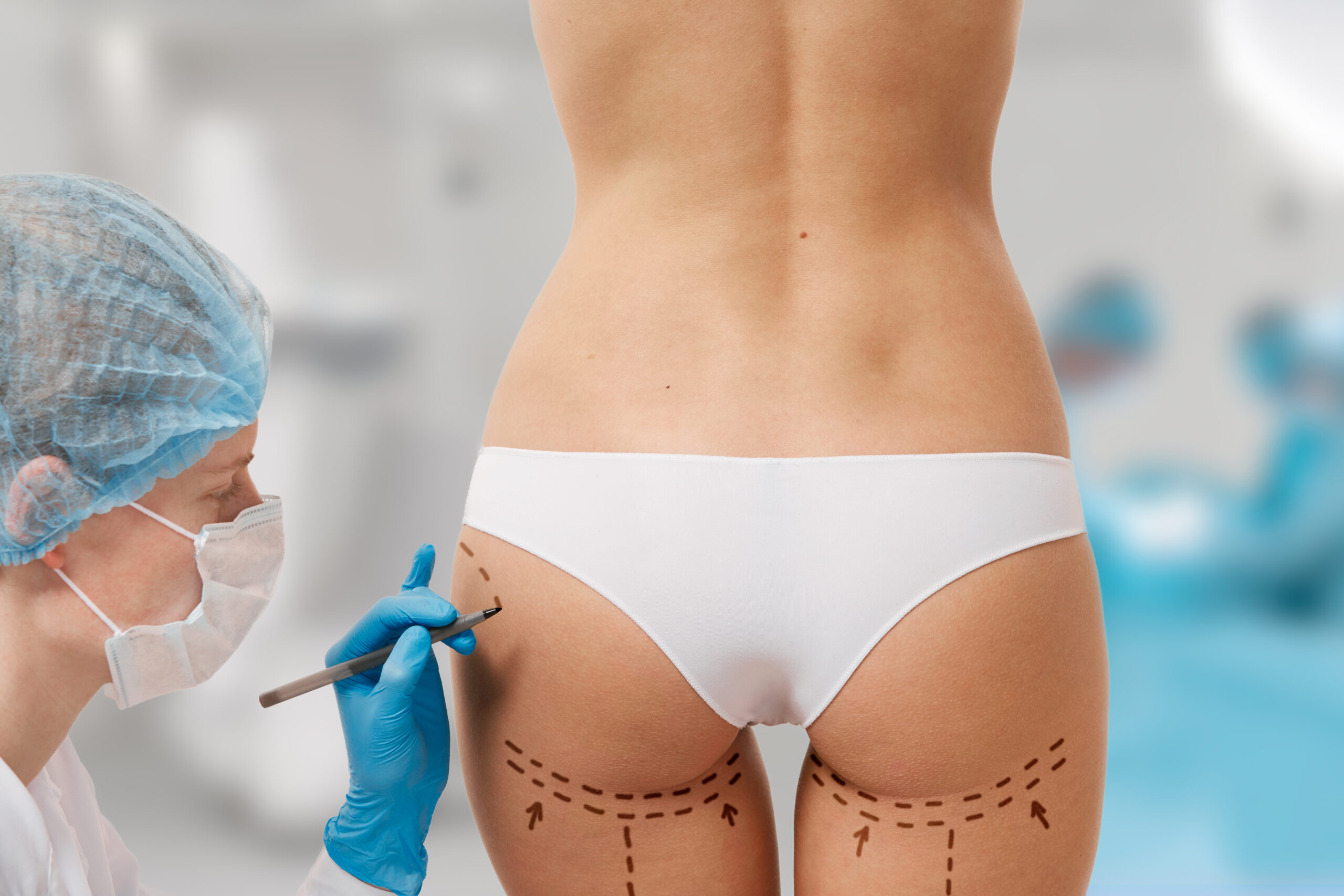
What Is a Petite BBL? Benefits, Recovery, and All You Need to Know

What Is a Petite BBL? Benefits, Recovery, and All You Need to Know

             
What Is a Petite BBL? Benefits, Recovery, and All You Need to Know

What Is a Petite BBL? Benefits, Recovery, and All You Need to Know

So, you want curves—but not Kardashian curves. You’re not after dramatic transformations or endless downtime. You just want a little lift, a bit more shape, and a silhouette that makes you say, “Yup, that’s me… just a little more sculpted.”

Enter the Petite BBL—the more subtle, natural-looking cousin of the traditional Brazilian Butt Lift. It’s one of the fastest-growing procedures in body contouring, especially for women with smaller frames or anyone craving a glow-up that doesn’t scream surgery.

Whether you’ve heard the term on social media or you’re just now doing your research, we’ll walk you through everything you need to know: what a Petite BBL is, how it works, who it’s for, and most importantly—why it might be exactly what you wanted.


What Is a Petite BBL, Anyway?

Also known as a mini BBL or skinny BBL, the Petite BBL is a modified version of the traditional procedure. It’s designed for individuals with a slimmer build who may not have a lot of excess fat to work with—but still want that lifted, rounded, and more contoured look.

Instead of going big, the Petite BBL goes smart: transferring just the right amount of your own fat (typically 150–300cc per cheek) to enhance your natural shape without going overboard.

Creating a subtle sculpted figure, not a sexy hourglass one (which btw is still a great option).


Petite BBL vs. Traditional BBL: What’s the Difference?


  • Volume of Fat Transferred: Traditional BBLs may transfer 400–800cc per side, while a Petite BBL uses about half of that for a more natural curve.

  • Fat Harvesting: Petite BBLs require a more strategic approach to liposuction, as there’s usually less fat available. Your surgeon will target small pockets, think abdomen, flanks, or inner thighs.

  • Final Look: A Petite BBL lifts, rounds, and balances your shape. It’s the ‘I did a lil something something’ of butt enhancements.


Why Everyone’s Opting for It: Benefits of a Petite BBL

Natural-Looking Results
People will notice you look great, but won’t know exactly why. Your curves will be enhanced just enough to boost your figure without drawing questions.

Dual Benefit: Sculpt & Shape
Fat is removed from problem areas and transferred to your buttocks, creating flattering proportions from every angle.

Shorter Recovery Time
Smaller incisions and less fat mean less downtime. Most people are back to work within a week and back to their usual life within 2-3 weeks (you should still consult your surgeon).

Fully Customizable
Want a subtle lift? A bit more projection? Your surgeon tailors the procedure based on your goals and your body.


Who’s a Good Fit for a Petite BBL?

Ideal Candidates Typically:

  • Have a slender or petite frame

  • Carry at least 10–15 pounds of excess fat (you’d be surprised where it hides!)

  • Want subtle enhancement, not dramatic volume

  • Have realistic expectations and a healthy lifestyle

  • Are non-smokers or willing to stop pre- and post-surgery

If you’re already picturing a natural hourglass or softer curves in your favorite jeans, you’re probably on the right track.


How the Petite BBL Works

1. Consultation

You’ll meet with a board-certified surgeon to discuss your goals, and map out a plan tailored to your body.

2. Fat Harvesting

Using gentle liposuction, small amounts of fat are removed from specific areas like your stomach, waist, or thighs.

3. Fat Purification

Only the healthiest fat cells are filtered and prepared for reinjection.

4. Fat Transfer

Your surgeon strategically injects the purified fat into layers of your buttocks, sculpting a fuller yet natural shape.

The procedure usually takes 2–4 hours and is done under general anesthesia in an accredited, sterile facility.


Recovery & Aftercare: What to Expect

  • Days 1–3: Some swelling and discomfort (totally normal).
  • Week 1: It’s better to be resting
  • Weeks 2–3: Swelling reduces, light activities are okay.
  • Week 4+: Results start to show, gradually resume workouts with your surgeon’s green light.

Important Guidelines:

  • No direct sitting for 2–3 weeks
  • Sleep on your side or stomach
  • Wear compression garments as advised
  • Avoid intense workouts until fully cleared

The better you care for your new curves, the longer they’ll last and greater they look.


Know the Risks (and How to Minimize Them)

All surgery comes with potential risks, like infection, fat absorption, or asymmetry. But the key to minimizing them?
Choose a board-certified surgeon with experience in Petite BBL procedures.
Follow all pre- and post-op instructions to the letter.

The more you know, the better your results.


Why Choose Silkor for Your Petite BBL?

At Silkor, we don’t just reshape bodies, we reshape confidence. With almost 3 decades of expertise in cosmetic and aesthetic procedures, you’ll be in the hands of trusted, board-certified professionals.

  • Specialized experience in Petite BBLs

  • Accredited facilities with advanced technology

  • Personalized consultations to match your goals

  • End-to-end care from consultation to recovery

We know how personal this journey is.


Ready for Natural Curves That Still Feel Like You?

If you’ve been thinking about enhancing your shape but want to keep it classy, subtle, and tailored to your frame, the Petite BBL could be the procedure you’re looking for.

This isn’t about becoming someone else, it’s about enhancing what’s already there.

So go ahead, book your consultation with one of our expert surgeons and let’s sculpt your perfect body, curve by curve.

Catch you next time!

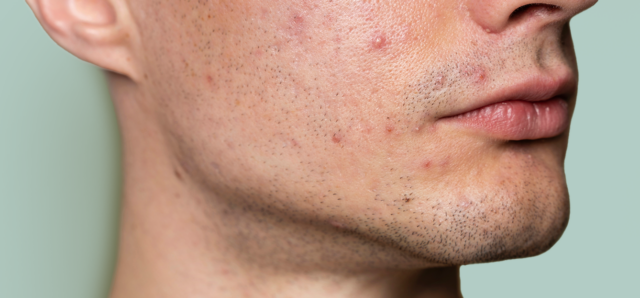
Why You Have Bumps on Your Forehead

All You Need To Know About Forehead Bumps With SILKOR

             
All You Need To Know About Forehead Bumps With SILKOR

Why You Have Bumps on Your Forehead

Let me guess, your skincare routine is mostly *on point*, but your forehead suddenly looks like it’s plotting something. Tiny bumps. Random clusters. Maybe red, maybe white. Maybe they’ve been around for weeks, or maybe they popped up overnight. Either way, they’re not cute, and you’re not imagining things.

Forehead bumps are super common, affecting all skin types, tones, and even your fave TikTokers. And while they can be frustrating, the good news is they’re usually manageable with the right care, and a little patience.

So let’s break it down:
What causes bumps on your forehead? What are they exactly? And how do you make them pack their bags (for good)?


Meet the Usual Suspects: Types of Forehead Bumps

Not all bumps are the same. Before you jump into treatment, it helps to know exactly what you’re dealing with.

Acne-Related Bumps

The most frequent forehead invaders. These might show up as:

  • Whiteheads & Blackheads: The OG pore-cloggers. Whiteheads stay sealed under the skin, blackheads oxidize and turn dark. Both love oil and dead skin.

  • Papules & Pustules: Red, inflamed, and possibly tender. Papules are angry but dry, pustules are like mini volcanoes with pus.

  • Cystic Acne: Deep, painful, and not to be messed with. These bumps live under the surface and can leave scars if not treated properly.

Milia

Tiny, hard white bumps that look like pearls. They’re not acne—they’re trapped keratin—and they do not want you to squeeze them.

Sebaceous Cysts

Bigger, dome-shaped, and filled with oil. They’re often harmless, but if they get infected, they’ll let you know.

Contact Dermatitis

Tried a new hair gel or face cream recently? You might have an allergic reaction brewing. These bumps show up fast and usually come with redness and itching.


What’s Causing Those Forehead Bumps?

Hormones Gone Wild

The T-zone is oil-central. Hormonal fluctuations during puberty, your period, pregnancy, or high-stress weeks can spike oil production and trigger breakouts.

Skincare & Hair Products

Hair oils dripping down your forehead? Heavy moisturizers clogging your pores? Look out for comedogenic ingredients—they’re pore-cloggers in disguise.

Diet, Sugar & Lifestyle

While research is still catching up, many people notice breakouts tied to dairy, processed food, or sugar overload. Add poor sleep and dehydration, and you’ve got a forehead party nobody asked for.

Environmental Triggers

Pollution, humidity, dirty pillowcases, your phone screen, even your hands—they’re all contributing to the bump business.

Genetics

If skin issues run in the fam, you might be genetically predisposed to clogged pores and acne. But don’t worry, this isn’t your forever story.


How to Treat Forehead Bumps

Start with Over-the-Counter Heroes:

  • Salicylic Acid (0.5–2%): Exfoliates inside the pores, clearing out the gunk.

  • Benzoyl Peroxide (2.5%): Kills acne-causing bacteria and reduces inflammation.

  • Retinoids: Promote cell turnover and prevent future bumps. Be consistent!

  • Gentle AHAs (like glycolic or lactic acid): Help smooth skin texture and slough off dead cells.

Pro tip: Look for non-comedogenic formulas.


When You Need the Big Guns (Professional Treatments)

  • Prescription Retinoids: Like tretinoin, for when OTC just isn’t cutting it.

  • Topical Antibiotics: Calm inflammation and reduce bacterial growth.

  • Chemical Peels: Professional peels go deeper, unclogging pores and renewing skin.

  • Extractions: Let a pro do it. Seriously—no DIY popping.

  • Cortisone Injections: For those painful cysts that won’t go away.


A Few Prevention Tips

Want to keep those bumps from coming back? Here’s how:

  • Wash your face twice daily with a gentle, non-stripping cleanser.

  • Exfoliate 1–2x a week—but don’t go overboard.

  • Always go for non-comedogenic skincare and makeup.

Lifestyle Shifts That Make a Difference

  • Hands off your face (seriously).

  • Hydrate like your glow depends on it—because it does.

  • Eat the rainbow. Fresh, whole foods support clear skin.

  • Prioritize sleep. Your skin heals when you snooze.

  • Manage stress (yes, even doom-scrolling counts).

Hygiene Habits You Didn’t Know You Needed

  • Clean your pillowcase at least once a week.

  • Sanitize your phone screen (trust us).

  • Wash makeup brushes weekly.

  • Choose oil-free sunscreen daily—yes, even when it’s cloudy.


When to See a Dermatologist

If your forehead bumps:

  • Stick around for weeks without budging

  • Feel painful, inflamed, or start multiplying

  • Include cysts or nodules that aren’t responding to home care

  • Are affecting your confidence or mental well-being

It’s time to book a consultation.


Your Glow-Up Starts Here

Forehead bumps may be persistent, but they’re not permanent. With the right skincare routine, smart habits, and help from the pros, clearer skin is 100% within reach.

Whether you’re dealing with hormonal flare-ups, clogged pores, or mystery bumps, we’re here to help you decode your skin and treat it right.

Ready to get professional help tailored to your skin? Let’s talk.
Book your consultation today and let’s put those forehead bumps in the past—where they belong.

Catch you next time!

Your First Botox Appointment: What to Expect at Silkor

Your First Botox Appointment: What to Expect at Silkor

             
Your First Botox Appointment: What to Expect at Silkor

Your First Botox Appointment: What to Expect at Silkor

So, you’re thinking about getting Botox—maybe for the first time ever? First of all, welcome! You’re not alone. Botox has been the go-to non-surgical cosmetic treatment for millions around the world, helping people smooth out fine lines, refresh their features, and, let’s be honest—feel really good when they look in the mirror.

At Silkor, we’re all about making that first step feel less intimidating and way more exciting. Whether you’re curious, committed, or still on the fence, we’ve created this guide to help you understand what Botox is, what your first appointment will be like, and why Silkor is the place to trust for natural-looking, confidence-boosting results.


What Is Botox, Really?

Let’s start with the basics. Botox is a purified protein that temporarily relaxes the muscles responsible for creating expression lines—think frown lines, crow’s feet, forehead creases. When done right (read: by experts), it softens these lines without freezing your face. You’ll still look like you—just the well-rested, vacationed version.

Botox at Silkor means top-tier products, certified dermatologists, and a focus on subtle, elegant results. We don’t do cookie-cutter injections here. We do personalized treatments designed around your unique features and goals.


Before the Botox: Your Consultation at Silkor

Every Botox journey at Silkor starts with a one-on-one consultation. Think of this as your roadmap. You’ll meet with a certified dermatologist who will assess your facial structure, discuss your goals, and recommend a plan that suits you.

What You’ll Talk About:

  • Your medical history and any previous treatments

  • Your expectations

  • The areas you’d like to treat—like frown lines, crow’s feet, or forehead wrinkles

  • How many units you might need, what that even means, and what kind of results to expect

At Silkor, we don’t rush this step. Your consultation is your moment to ask all the questions (no such thing as silly ones!) And leave feeling empowered and relieved.


During the Appointment: What Actually Happens

Spoiler: the treatment is super quick—usually 15–30 minutes. But just because it’s fast doesn’t mean it’s rushed. Here’s how it goes:

1. Prep & Precision

You’ll be welcomed into a relaxing treatment room. Your skin will be cleansed, and the doctor will mark the injection points with expert precision.

2. Tiny Injections, Big Results

The needles used for Botox are teeny. Most people feel just a small pinch. Your doctor will gently inject the right dose in the right spots, based on your custom plan.

3. You’re Done!

And just like that—you’re out the door. No downtime. No bandages. You can go back to your day (but maybe skip the gym for now—more on that below).


Botox Aftercare: Yes, It Matters

To make the most of your treatment, follow these essential Botox aftercare tips:

What to Do:

  • Stay upright for 4–6 hours

  • Be gentle with your face, no rubbing or massaging

  • Drink water and chill

What to Avoid (For 24 Hours):

  • Intense exercise or saunas

  • Lying flat for long periods

  • Alcohol (save the celebration for tomorrow)

Minor swelling or tiny bumps? Totally normal. They usually fade within a few hours.


When Will You See Results?

Patience is key here. Botox doesn’t show instant results like a filler does. Expect to see smoother skin and softening lines over 3–7 days, with full results in about two weeks.

And yes, it lasts! You can expect results to stick around for 3–6 months, depending on your lifestyle and metabolism.


Common Botox Myths—Debunked

Let’s clear the air on a few popular Botox myths:

“I’ll look frozen.”
Not at Silkor. Our experts know how to soften, not stiffen. You’ll still express yourself, just with fewer lines tagging along.

“Botox is only for older people.”
Nope! Many people in their 20s and 30s use it preventively, stopping wrinkles before they settle in.

“It’s painful.”
Most clients say it feels like a mosquito bite or less. Quick, easy, done.

“It’s dangerous.”
Botox is one of the most studied and safest aesthetic treatments out there, when done by professionals like our certified dermatologists.


Why Choose Silkor for Botox?

With so many options out there, here’s why Silkor stands out:

Certified dermatologists only (we don’t compromise on expertise)
Premium-quality Botox—we only use high-end brands
Tailored treatment plans—personalized beauty
Supportive aftercare—we stay with you through the whole journey
Thousands of happy clients and a reputation that speaks for itself

We know Botox can feel like a big decision. That’s why we offer you honest guidance, beautiful results, and zero pressure.


Your First Appointment Is Just a Click Away

Still wondering if Botox is right for you? That’s what we’re here for. Whether you’re just exploring or ready to dive in, our team is happy to walk you through everything, answer your questions, and create a treatment plan that works for you.

Book your consultation today at your nearest Silkor branch, and start your glow-up journey with the experts who get it right the first time.

Your most confident, refreshed self is just one appointment away. Let’s make it happen.

Catch you next time!

Are Skincare Routines the New Bedtime Story? Let’s Talk About Sephora’s Kids Line

Should Kids Use Skincare? Here’s What You Need to Know

             
Should Kids Use Skincare? Here’s What You Need to Know

Are Skincare Routines the New Bedtime Story? Let’s Talk About Sephora’s Kids Line

Okay, so picture this: you’re nine years old, your biggest concern is finishing your homework before your favorite cartoon, and then suddenly—you’re standing in front of the mirror rubbing on serums that promise to “revive dull skin.” Wait… what?

Yep, that’s kind of where we are now. Sephora recently dropped a skincare line for kids. And while it’s glossy and cute and wrapped in all the right packaging, it definitely got people talking—and for good reason.

Now don’t get me wrong—teaching kids to care for their bodies is amazing. Hygiene? Yes. SPF? 100%. Learning how to gently wash your face after a long day of playground adventures? Love it. But when “skincare” starts looking more like the 10-step routine you do before date night, it might be worth hitting pause.

Because here’s the thing: kids aren’t tiny adults. Their skin is different. Their hormones are different. Their self-image is still forming. When we start introducing the idea that they need products to “look better,” even if it’s not the brand’s intention, it can blur the line between self-care and self-scrutiny.

Sure, it’s fun to imitate mom’s nighttime routine or dab on a jelly-textured mask that smells like strawberries. But when this becomes the norm, not the novelty, we risk teaching young kids that how they look needs fixing. And no 8-year-old needs to feel like their pores are a problem.

Let’s also talk about pressure because social media is not sleeping on this trend. The idea of “glow-ups” is being served with breakfast these days, and kids are watching. If we feed into that with curated kid skincare shelves, we might unintentionally fast-track them into a world that’s obsessed with image—before they even hit puberty.

And listen, this isn’t about pointing fingers. Sephora’s kid line might come from a well-meaning place. Maybe it’s about fun, bonding, and early wellness habits. But as the grown-ups in the room, we get to ask: Is this the kind of “care” they really need right now?

Instead, let’s celebrate the mess. The small pimple on the chin. The sun-kissed cheeks. The freckle that shows up after a beach day. Let’s teach them to love their skin before teaching them how to “fix” it.

So if you’re a parent, an older sibling, a cool aunt, or just someone wondering what’s going on with this trend—here’s your gentle reminder: kids need freedom, not night creams. Let’s save the retinol for later and stick to what matters most right now to them; play, discovery, and SPF if the sun’s out.

Catch you next time!

Here’s How to Tell If You Have Fungal Acne

Here’s Everything You Need To Know About Fungal Acne With SILKOR

             
Here's Everything You Need To Know About Fungal Acne With SILKOR

Here’s How to Tell If You Have Fungal Acne

You’re breaking out, but this time, the usual spot treatment isn’t working. The bumps look different, feel different, and just won’t budge. Could it be something else?

Well yes, it might just be fungal acne.

It’s not your average hormonal breakout, and treating it like regular acne might make things worse. So how do you tell the difference? What causes it? And most importantly, how do you get rid of it for good?

We asked Dr. Bushra Khan, expert dermatologist at Silkor, to break it all down for us, because no one wants to fight a skin concern with the wrong strategy. Let’s dive right in.


What Is Fungal Acne, Anyway?

Spoiler alert: it’s not technically acne at all.

According to Dr. Bushra, fungal acne (or Malassezia folliculitis) is caused by a type of yeast called Malassezia — not oil or bacteria like typical pimples. “It usually shows up as small, itchy bumps that are all roughly the same size,” she explains. “Unlike hormonal acne, it doesn’t come with blackheads or cysts.”

Key symptoms to look out for:

  • Small, uniform red or skin-colored bumps
  • Clusters on the chest, back, or forehead
  • Itchiness (yep, that’s a giveaway)
  • No response to traditional acne treatments

So if your “acne” isn’t reacting to your usual go-to products — it might not be acne at all.


What Causes Fungal Acne? It’s Not Just Sweat… But That’s a Big One

Fungal acne thrives in warm, humid environments. So if you’ve been working out more, traveling to a hot climate, or living in activewear, your skin might be a bit too welcoming to unwanted guests.

Dr. Bushra breaks it down:
Excessive heat, humidity, and wearing tight clothing are major triggers,” she says. “We also see it in people with compromised immunity or who sweat a lot and don’t change out of damp clothes quickly.”


Here’s How to Treat Fungal Acne 

Here’s the plot twist: traditional acne treatments — like benzoyl peroxide or salicylic acid — often make fungal acne worse. Since it’s not bacterial, those treatments just dry your skin without clearing the root problem.

Dr. Bushra recommends antifungal treatments like:

  • Miconazole cream
  • Nizoral (ketoconazole) shampoo — used on the skin
  • Oral antifungals in persistent or severe cases

But here’s the kicker — you can’t just self-diagnose and hope for the best. A professional consultation is key to figuring out if you’re dealing with fungal acne or something else entirely.

Book a consultation with our doctors


Does Silkor Offer Treatments That Help? Absolutely.

Deep cleansing facials like the Hydrafacial are great,” says Dr. Bushra. “They help purify the skin and reduce buildup, especially when paired with prescription medication.”

At Silkor, our expert therapists and dermatologists work together to:

  • Analyze your skin type
  • Recommend the right non-comedogenic treatments
  • Pair facials with doctor-approved antifungal regimens

We don’t just treat your skin — we teach you how to care for it properly, too.

Explore Hydrafacial treatments at Silkor


How to Avoid Fungal Acne From Coming Back (Yes, It Can Be Prevented!)

Fungal acne can be sneaky, but you can absolutely outsmart it. Dr. Bushra shares her lifestyle tips:

– Shower immediately after sweating
– Change into clean clothes post-workout
– Use antifungal shampoo 2–3 times per week
– Avoid tight clothes and heavy fabrics
– Stick to pH-balanced skincare


Facials to Avoid (Yes, Some Can Make It Worse)

Not all facials are created equal — especially if you’re prone to fungal acne. “Avoid anything that uses thick lubricants or masks that clog pores,” says Dr. Bushra. These can trap heat and moisture, creating the perfect breeding ground for yeast.

Need help choosing the right facial? Just ask us. Our team will guide you toward skin-purifying treatments that help your skin stay balanced and breakout-free.


Bottom Line: Not All Breakouts Are Created Equal — and We’re Here to Help

Fungal acne might be tricky, but with the right treatment plan, it’s 100% manageable. At Silkor, we combine medical expertise with advanced skincare treatments to help you fight breakouts the smart way.

So if your skin’s been acting up — or if you’re just tired of guessing what’s causing those stubborn bumps — let’s talk.

Book your consultation now
Let’s clear things up….literally.

Catch you next time!

NAD+ Injections for Skin Health: What They Are and Why Everyone’s Talking About Them

NAD+ Injections for Skin Health: Deep Repair & Radiance from Within

             
NAD+ Injections for Skin Health: Deep Repair & Radiance from Within

NAD+ Injections for Skin Health: What They Are and Why Everyone’s Talking About Them

You’ve seen it all—collagen creams, 12-step skincare routines, jade rollers, even snail mucin. But lately, there’s a (not so new) new player making waves in the skin health world: NAD+ injections.

They’re not just another trend floating through your feed, they’re backed by science, loved by wellness insiders, and rapidly becoming a go-to for anyone serious about glowing, youthful skin from the inside out.

So, what’s the deal?


What is NAD+, and Why Should Your Skin Care?

Let’s put it simply: NAD+ (nicotinamide adenine dinucleotide) is like the electricity that powers your skin cells. It’s found in every single cell of your body, and it’s responsible for energy, repair, and regeneration, pretty important stuff when it comes to skin that actually functions well, not just looks good.

But here’s the catch: NAD+ declines as we age. By the time we’re in our 40s or 50s, our levels can drop by up to 50%. (Yep, half.) That decline slows down your skin’s natural ability to repair, bounce back, and defend itself against stressors like UV rays, pollution, and the ever-present chaos of modern life.

When NAD+ is replenished, your skin doesn’t just look better—it works better. Think of it as skincare that goes deeper than any serum ever could.


How NAD+ Injections Actually Work

No creams. No guessing if it’s working. NAD+ injections go straight into your bloodstream, delivering this powerful coenzyme directly to your cells—bypassing your digestive system and heading right to where it’s needed most.

Once in your system, NAD+ starts to:

  • Boost energy production at a cellular level

  • Repair DNA damaged by sun and environmental stress

  • Support collagen synthesis (hello, firmness)

  • Reduce inflammation that speeds up aging

It’s a full-body reboot, with visible benefits for your skin and deeper effects on your overall wellness.


So, What’s the Science Say?

Here’s what the research shows (yes, we love receipts):

DNA Repair & Longevity
NAD+ activates something called sirtuins—a group of proteins known as the “longevity genes.” These help repair damage and slow down aging on a cellular level.

Better Mitochondrial Function
Harvard studies have shown that NAD+ supercharges your mitochondria (your cells’ power plants), which leads to faster skin renewal and repair.

Collagen + Elasticity Boost
According to the Journal of Dermatological Science, NAD+ treatments led to a 23% increase in skin elasticity over 12 weeks—plus smoother texture and fewer fine lines.

Stronger Skin Barrier
Better defense against harsh weather, stress, and daily aggressors = longer-lasting glow.


What You Might Notice After NAD+ Injections

Plumper, more elastic skin
Smoother texture and more even tone
Reduction in fine lines (especially early signs of aging)
Long-term resilience to damage
A noticeable “healthy skin” glow people will definitely comment on

And let’s be real: skincare is great, but skin confidence hits different when you know your glow is coming from deep within.


NAD+ vs. Everything Else: How Does It Compare?

NAD+ Injections vs. Botox/Fillers
Think quick fix (Botox) vs. long game (NAD+). While Botox freezes muscles and fillers add volume, NAD+ supports real skin repair for results that evolve over time.

NAD+ vs. Topical Products
Serums are great, but they stop at the surface. NAD+ goes internal, supporting regeneration where it really matters—at the cellular level.

NAD+ vs. Lasers & Peels
Instead of damaging your skin to prompt healing (like lasers or peels), NAD+ gently encourages natural regeneration from the inside. Better yet? Many pros recommend combining NAD+ with these treatments for enhanced results.


What About Side Effects?

Let’s talk transparency. NAD+ is generally safe when administered by professionals, but you might experience:

  • Mild discomfort at the injection site

  • Temporary fatigue or headache

  • Slight nausea or flushing

These usually pass quickly, and are a small tradeoff for the benefits. Of course, if you’re pregnant, breastfeeding, or managing health conditions, always check in with your provider first.


But Is It Just a Trend?

Let’s bust a myth real quick: NAD+ injections are NOT a short-lived trend.

They’re built on decades of biochemical research and used in medical settings far beyond skincare—from brain health to fatigue management. The benefits for your skin are just one visible (and very welcomed) result.


Who’s a Good Candidate? (Probably You)

Whether you’re dealing with tired, dull skin, early signs of aging, or just want to support your long-term skin health, NAD+ could be your secret weapon.

It’s especially great for:

  • People in their late 20s to 50s looking for preventive aging support

  • Those recovering from stress, illness, or travel

  • Clients looking to pair internal rejuvenation with aesthetic treatments

Your Skin Deserves More Than a Quick Fix

If you’re tired of temporary treatments that only scratch the surface, NAD+ might just be the game-changer your skin’s been waiting for.

Long-term skin health
Deeper cellular repair
Real, lasting results


Let’s Talk About Your Skin Goals

Not sure if NAD+ is for you? Book a free consultation with our expert team at Silkor and let’s talk about your skin needs, concerns, and long-term goals. We’ll walk you through everything and help you build a treatment plan that works for you.

Find a Silkor branch near you
Book your consultation today

Catch you next time!

Are Chemical Peels Actually Good for Your Skin? Let’s Talk About It.

Everything You Need To Know About Chemical Peels With SILKOR

             
Everything You Need To Know About Chemical Peels With SILKOR

Are Chemical Peels Actually Good for Your Skin? Let’s Talk About It.

Hey bestie! Let’s talk. We’ve all gone down that skincare rabbit hole, you know what I’m talking about. One minute you’re just watching a “glass skin” reel by someone who claimed they got it with a chemical peel.

So… are chemical peels actually good for your skin? Or are they just another skincare trend that promises you a new face and delivers a week of regret?

Spoiler alert: when done right, they’re game-changers. Not just for influencers or celebs — for all people, with real skin (and real concerns, like breakouts, dullness, or the fine lines that pop up out of nowhere).

Let’s break it down.


What Even Is a Chemical Peel?

Think of a chemical peel as a deep, deep exfoliation — but smarter. It’s a skin-resurfacing treatment where a special solution (we’re talking acids, but the gentle kind) lifts away dead skin cells to reveal that fresh, glowing, baby-soft layer underneath.

Basically: your skin’s official “reset button.”


So… Is It Just for People With Acne or Wrinkles?

Nope. That’s the beauty of it. Whether you’re battling hormonal breakouts, dealing with dull texture, or just want that I-wake-up-glowing vibe — there’s a peel for that.

Here’s the tea on the types:

  • Superficial Peels: The “lunchtime” kind — gentle acids (like AHA/BHA) that give your skin a boost without downtime. Perfect for beginners or those just looking to glow.

  • Medium Peels: These go a little deeper and work on stubborn concerns like acne scars, pigmentation, or early signs of aging. Slightly more intense, but super effective.

  • Deep Peels: Reserved for big skin transformations (think deep wrinkles, sun damage). These require downtime — but the results? Worth it.


What Do Chemical Peels Actually Do for You?

Here’s what makes peels one of the most booked treatments out there:

Improves skin texture — smoother, softer, touch-your-face-all-day kinda skin
Clears up acne and clogged pores — bye, breakouts
Fades scars and spots — especially from past acne
Boosts glow and radiance — no glow-inducing primer needed
Stimulates collagen — hello, firmer, younger-looking skin

In short? It helps your skin be its best self.


Okay, But Is There a Catch?

Real talk — not every peel is for every person. And yes, your skin might peel a little (it’s in the name for a reason).

But when done right (and by the right hands), chemical peels are safe, effective, and customizable to your skin’s unique needs.

A few things to know:

  • Some redness or flaking after, but that’s normal

  • Always follow post-peel care (heavy on the SPF puh-lease)

  • Trust professionals, no DIY disasters, please


So… Should You Try a Chemical Peel?

Here’s how to know if it’s a yes:

You want a smoother, clearer, more even complexion
You’ve tried a million serums but still feel “meh” about your skin
You want visible results without surgery or needles
You just want to feel better in your skin

If that sounds like you, you’re ready.


Why Do So Many People Book Chemical Peels With Us?

Because we don’t do the same thing for everyone. Your skin is unique, and your peel should be too.

We start with education — understanding your skin type and concerns
Then we tailor the treatment — with the right acids, depth, and approach
And we guide you every step — from prep to post-peel glow

Our clients love the results — and the confidence that comes with them.


Final Thoughts: Good for Your Skin? Absolutely. Good for Your Self Esteem? Even Better.

Chemical peels aren’t just about clearer pores or smoother cheeks — they’re about feeling refreshed, confident, and ready to take on the world makeup-free (if you want to).

So if your skin’s been feeling tired, dull, or just not you lately, it might be time to try a glow-up the real way.

Book your consultation today.

Catch you next time!

Big Pimple Energy: What That Painful, Leaky Spot Is Trying to Tell You

Understanding Big Pimples and Their Solutions With Dr. Raghad Eid

             
Understanding Big Pimples and Their Solutions With Dr. Raghad Eid

Big Pimple Energy: What That Painful, Leaky Spot Is Trying to Tell You

There’s nothing quite as annoying (or dramatic) as waking up to a giant, throbbing pimple on your face. You know the one. It hurts when you smile, it looks like it’s plotting something, and worst of all… it’s oozing. But what does it actually mean when a pimple gets this big, painful, and messy? Is it cystic acne? A boil? A skin rebellion?

We sat down with Dr. Raghad Eid, Silkor’s skin savior and specialist in dermatology and aesthetics, to dig deep—literally—into the world of big pimples, pus, and pimple discharge. Whether you’re dealing with one now or just want to know what to do next time one pops up (pun intended), this one’s for you.


So… What Is That Giant Pimple Really?

When your skin throws a fit and gifts you with an inflamed, painful spot, it’s not always a cyst—though it can be. Dr. Raghad explains:

“Big pimples are often a type of inflammatory acne. Not necessarily cystic, but they could also be a boil or even an abscess. All of these start with inflammation in the sebaceous gland. Bacteria then attack the inflamed area, creating even more inflammation—and boom! That’s when you get a painful, swollen bump.”

Basically, it’s your immune system reacting (sometimes overreacting) to a blocked pore that got infected. Depending on how intense the immune response is, it could be a cyst, boil, or abscess—but either way, it needs gentle care, not war.


Why Is My Pimple Leaking?

Gross but important question.

If your pimple starts leaking pus or blood on its own, that’s your body trying to clear out the gunk—like bacteria and dead skin. Sounds productive, right? Not quite.

“It’s a sign that the skin is overwhelmed,” says Dr. Raghad. “But this doesn’t mean you should take matters into your own hands. Never squeeze it. You could make it worse and spread bacteria.”

So hands off, please. That satisfying pop could cost you clear skin.


Can I Ever Pop a Pimple?

Let’s settle this once and for all. We know it’s tempting. We know you watched that one video. But…

“It’s rarely safe to pop a pimple at home,” warns Dr. Raghad. “Especially not cystic acne, boils, or abscesses. You risk spreading bacteria, creating more acne, or causing deep acne scars—the kind that don’t go away easily.”

Yikes.

The only exception? If you have a small whitehead or superficial pustule that’s basically begging to be released, you might get away with it. But even then, only in a very hygienic setting and with the gentlest pressure. (Still, we recommend you leave it to the pros.)


When Should I See a Doctor?

If you’ve had the same angry pimple hanging around for more than 10 to 14 days, even though you’ve been good with your skincare—hello, it’s time.

“If it’s not healing or getting worse—like, really red, really painful, or feels like it’s taking over your whole cheek—book a professional consultation. That’s when it may need in-clinic help.”

And honestly? It’s better to be safe than scarred.


How Do You Treat Big Pimples at Silkor?

At Silkor, we take these things seriously (and gently). We offer in-clinic treatments that tackle inflammation at the root:

Corticosteroid injections like Triamcinolone (your pimple will shrink fast)
Acne Clear injections for stubborn flare-ups
TCA Peels for deep purification and post-pimple discoloration

“The treatment depends on the case,” says Dr. Raghad. “We assess how inflamed or deep the acne is, and then tailor the solution. Sometimes skincare is enough. Other times, we go for advanced medical options.”


Any Tips for Calming a Pimple at Home?

If you’re waiting for your appointment (or your pimple to behave), here’s what Dr. Raghad recommends:

  • Use topical acne treatments with anti-inflammatory ingredients

  • Try pimple patches to keep it protected and clean

  • Apply ice (briefly!) to reduce swelling

  • Avoid heavy creams or oils that can clog pores

  • And yes—hands off that pimple

You can also take an over-the-counter anti-inflammatory medication (if your doctor approves) to help reduce pain and redness.


The Bottom Line

That painful, leaking, angry bump on your face? It’s more than just a bad day—it’s your skin asking for help. Whether it’s cystic acne, a boil, or an abscess, DIY won’t cut it. The risk of spreading bacteria or creating scars is just too high.

The good news? Help exists—and it’s just a consultation away.


Ready to Treat That Big Pimple Like a Pro?

Don’t wait for it to get worse. Book your consultation with our expert medical team and get personalized solutions that work—from fast-acting acne injections to deep-clearing peels.

Catch you next time!

Discover The Power of Salmon DNA

The Power of Salmon DNA for Glowing, Youthful Skin

             
The Power of Salmon DNA for Glowing, Youthful Skin

Discover The Power of Salmon DNA

In the early 2000s, it was all about collagen. In 2025? Salmon DNA is stealing the spotlight. Both are timeless skincare icons — but while collagen walked so our skin could glow, Salmon DNA is here to make it bounce, heal, and actually turn back time.

As you know the skincare world is bursting with buzzwords. Every week, there’s a new “miracle” ingredient promising glass skin, eternal youth, and hydration blessed by skincare angels. But most of them vanish quicker than a TikTok trend.

Salmon DNA, though? It’s not just a moment — it’s here to stay. And the reason it’s making waves is because it works. Really well. Your skin’s about to find its new obsession, and you won’t need a 20-step routine to make it glow (you never did in the first place)


Wait, Salmon… DNA? Should I Be Nervous?

Nope, no fishy facials here.
Salmon DNA — technically known as Polynucleotides (PN) — is extracted from salmon sperm or eggs (we promise, it’s totally safe and sterile) and used in skincare to boost regeneration, hydration, and collagen production.

Translation? It tells your skin: “Hey, wake up, it’s time to glow.”


The Benefits of Salmon DNA

1. Fine Lines? Wrinkles? Never Heard of Her.

Aging is beautiful. But if you’re not loving the crow’s feet, smile lines, or random forehead creases that appeared out of nowhere — Salmon DNA has your back.
It stimulates collagen, repairs skin tissue, and plumps up the areas that need a little extra attention. Basically, it’s like Botox’s soft-spoken, healing cousin.


2. Hydration That Doesn’t Clock Out at 3PM

Tired of applying moisturizer 5 times a day and still feeling like a raisin by noon?
Salmon DNA helps your skin retain moisture deep within the layers, giving you that long-lasting, dewy glow — not the oily shine you didn’t ask for.

Think hydrated, bouncy, glowing skin — even in harsh weather or after a long night out.


3. A MUST After Aesthetic Procedures

Microneedling? Laser? Chemical peel? If you’ve been there, you know the “my skin hates me” recovery period.

Enter: Salmon DNA injections and post-procedure serums. They’re designed to speed up recovery, soothe inflammation, and kickstart your skin’s natural healing process.

Translation: less downtime, faster results, and skin that bounces back.


4. It’s Like Therapy for Inflamed Skin

Got sensitive skin that freaks out over everything? Rosacea, eczema, random redness?
Thanks to its anti-inflammatory superpowers, Salmon DNA calms your skin down and strengthens its defenses. You’ll see less redness, fewer flare-ups, and a more even skin tone — no more tiptoeing around your skincare.


5. Firm, Lifted, and Snatched? Yes, Please.

Salmon DNA boosts elasticity and tightens the skin naturally over time. It helps keep your skin bouncy, firm, and full of that youthful snap.

So if you’ve been looking in the mirror and gently pulling your face up “just to see,” this might be your sign.


Why Everyone Is Obsessed

This miracle ingredient isn’t a gimmick. It’s backed by science, loved by dermatologists, and taking over high-end aesthetic clinics.

And now? It’s finally landing in clinics near you.


So, Is It Time to Try Salmon DNA?

Short answer: no. Look — your skin deserves VIP treatment. If you’re tired of playing trial and error with products that almost work, it’s time to level up. Whether you’re dealing with dryness, dullness, wrinkles, or post-treatment redness, Salmon DNA is your glow-up in a syringe (or a serum, if you prefer something gentler).

At Silkor, we offer customized Salmon DNA treatments designed to fit your skin needs.


Let’s Glow, Together

Ready to give your skin a fresh start?
Book your Salmon DNA session with us today and feel the difference after just one treatment. Or better yet, come talk to us! Our skin experts will guide you based on your unique goals.

Because your glow is personal. And we’re here to help you own it.


Let’s chat, we’d love to hear about your skin story.

Catch you next time!

Do Skin Boosters Really Work? 

Do Skin Boosters Really Work? Let’s Break It Down

             
Do Skin Boosters Really Work? Let's Break It Down

Do Skin Boosters Really Work?

Okay, we’ve all been there, scrolling through flawless skin selfies, wondering how on earth everyone gets that glass-like, luminous glow. You’ve tried every serum and moisturizer in your bathroom cabinet, but your skin still feels dry, tired, or just… not really giving. Enter: skin boosters, the beauty world’s go-to treatment for hydration that’s got everyone talking. But here’s the big question: do skin boosters actually work, or is it just another hype?

Let’s break it down my skinthusiasts.


What Exactly Are Skin Boosters?

Think of skin boosters as the ultimate thirst-quencher for your skin—but way smarter and longer-lasting than any lotion. Unlike fillers that add volume or contour, skin boosters focus on what your skin really needs: deep hydration, elasticity, and a texture glow-up.

Most skin boosters are packed with hyaluronic acid, a superstar molecule that naturally lives in your skin and holds water like a pro. This means when injected, it pulls moisture deep into your skin, leaving it plump, radiant, and downright fresh. Some formulations even mix in extra goodies like amino acids, vitamins, and antioxidants for that extra boost.


How Do Skin Boosters Stand Out From Other Treatments?

You might be thinking, “How are skin boosters any different from my favorite dermal fillers or fancy face creams?” Here’s how:

  • Purpose: Fillers sculpt and shape; skin boosters hydrate and revitalize.

  • Application: Instead of one spot, skin boosters are microinjected evenly across your face, neck, or hands for a full-blown hydration overhaul.

  • Results: The glow you get isn’t just surface level, it comes from within, thanks to deeper skin rejuvenation.


What Happens During a Skin Booster Treatment?

Imagine a series of tiny microinjections (barely a pinch!) just below your skin’s surface. The hyaluronic acid gets to work, attracting and locking in moisture like a magnet. This instant hydration kickstarts a process that smooths out fine lines and boosts elasticity.

Bonus: those microinjections actually encourage your skin’s collagen to grow. Collagen = youthful, firm skin, so the benefits don’t just stop at hydration. They keep rolling in long after your session ends.


Who Should Consider Skin Boosters?

Skin boosters are pretty versatile and can work wonders for many skin types and concerns. Here’s a quick checklist to see if they might be for you:

  • Chronic Dryness: If your skin feels parched no matter how much moisturizer you use, this could be the hydration upgrade you need.

  • Aging Skin: Fine lines, loss of firmness, and dullness can all get a noticeable lift.

  • Sun-Damaged Skin: If too much sun has left your skin tired and rough, skin boosters help repair and refresh.

  • Prevention: Even if you’re younger, it helps keep your skin supple and glowing for years to come.

Not sure? Chat with a Silkor expert—they’ll help you figure out if skin boosters fit your skin goals perfectly.


Why Are Skin Boosters So Popular? The Benefits You’ll Love

  • Deep, Lasting Hydration: Unlike creams that sit on the surface, skin boosters work inside your skin layers for a plump, smooth finish.

  • Smoother Texture: Make room for silky, glass-like skin that’ll glow in every selfie…no filter needed.

  • Longevity: You can enjoy results for 6-12 months, way longer than most topical treatments.

  • Versatile: Face, neck, hands—skin boosters don’t discriminate. They bring glow wherever you need it.

  • Minimal Downtime: You’re in and out—maybe a little redness or swelling, but usually, you can get back to your day right after.


What to Expect: Cost, Side Effects, and Recovery

  • Cost: Prices vary depending on where you are and the product.

  • Side Effects: Minor redness, swelling, or bruising are normal but should fade within 1-2 days.

  • Recovery: No major downtime. Just avoid heavy workouts or direct sun exposure for a day or two, and you’re golden.


Skin Boosters Are Not Magic Creams — They’re an Investment in Your Skin’s Future

Keep in mind, skin boosters work best when combined with your regular skincare routine. Think of them as a supercharged hydration boost—not a replacement for sunscreen or your trusty moisturizer.


Should You Book That Session?

If your skin has been begging for moisture, radiance, or a little youthfulness, skin boosters are definitely worth considering. They offer a fresh, subtle, and natural glow that will have your friends asking what your secret is.

Ready to glow like never before? Book your consultation with us at Silkor today, and let’s get you glowing.


Want to know more about skin boosters or our other aesthetic treatments? Don’t hesitate to reach out! Your best skin is just a click away!

Catch you next time!

Pimple Discharge: What It Is, Why It Happens, and What You Should Really Do About It

Everything You Need To Know About Pimple Discharge With SILKOR

             
Everything You Need To Know About Pimple Discharge With SILKOR

Pimple Discharge: What It Is, Why It Happens, and What You Should Really Do About It

Pimples always know how to crash the party. And when they start leaking, oozing, or straight-up popping like they’re auditioning for a skincare horror film? Yeah… it gets a little too real.

But hold up. Before you go into full panic-pop mode or Google yourself into a spiral, let’s talk about pimple discharge—what it means, why it’s happening, and most importantly, how to manage it without making things worse. Spoiler: It’s not just about resisting the urge to pick (although yes, we’ll definitely talk about that).

Disclaimer: The information here is for general knowledge only and does not replace professional medical advice. Always consult a licensed dermatologist for any skin concerns or conditions.


So, What Is Pimple Discharge Anyway?

You know that moment when a pimple decides it’s had enough and bursts open? That fluid that comes out, that’s what we call pimple discharge. It’s a mix of oil, dead skin, bacteria, pus, and sometimes even blood. Gross? A little. Normal? Totally.

Pimple discharge can be your skin’s way of saying, “Hey, I’m trying to heal here,” or “Oops, we’ve got a mini infection on our hands.” The real question is: Are you making it better or worse? That depends on how you handle it.


Types of Pimple Discharge (AKA: What Your Zit Is Telling You)

Each type of discharge is like your pimple’s mood ring—telling you something about what’s going on underneath.

  • Clear fluid: Totally chill. Usually from minor swelling or healing. No biggie.

  • White pus: Classic breakout behavior. Your immune system’s doing its thing.

  • Yellow pus: Might mean a bit more bacteria. Time to give your skin some TLC.

  • Green gunk: Red flag. Could be a stubborn infection. Definitely not a DIY situation.

  • Bloody discharge: Likely from over-picking or too much friction. (We see you, impatient fingers.)


Why Is This Even Happening? (Let’s Blame These Usual Suspects)

Your body’s healing response: Sometimes pimples pop on their own and discharge is part of the cleanup crew.
You popped it (oops): We get it. But squeezing can push bacteria deeper, slow healing, and leave behind dark spots or scars.
It got infected: Bacteria snuck in. Now it’s inflamed and not-so-cute.
You touched it (again): Constant picking, dirty fingers, face masks—yep, they all create friction that triggers discharge.


When to Worry: Signs Your Pimple Might Be More Than Just Annoying

Sometimes it’s not just a pimple. If you’re seeing any of these, your skin might be asking for backup:

  • Pain that just won’t quit

  • Skin around it is red, hot, or swollen

  • Green or smelly discharge

  • Bleeding that won’t stop

  • A hard lump under the skin

  • Feeling feverish or unwell

At this point, don’t play guessing games—talk to a dermatologist. We’ve seen it all, and we’re here to help.


Okay, But How Do I Deal With It Safely?

Here’s your no-drama, skin-saving guide for handling pimple discharge like a pro:

  • Cleanse gently: Use a mild, non-stripping cleanser to get rid of oil and bacteria.

  • Apply antiseptic: Dab on some tea tree oil or a dermatologist-approved toner to calm the area.

  • Cover it up (lightly): A breathable patch or dressing can keep bacteria out and speed healing.

  • No more picking: Step away from the mirror. Seriously.

  • Hands off: Your skin will thank you for keeping the bacteria transfer to a minimum.


Let’s Talk About the Glow-Up: When to See a Pro

If your skin keeps throwing tantrums or you’re stuck in a cycle of breakouts and pimple discharge, it’s time to stop winging it and start healing it—with us.

Here’s what we can do:

  • Professional extractions: We get that gunk out safely. No scars, no regrets.

  • Customized treatments: Whether it’s acne-prone skin or leftover dark spots, we tailor treatments that work for you, not against you.

  • Peels, facials, boosters, and more: Say goodbye to stubborn congestion and hello to healthy skin.

  • Medical-grade skincare plans: Real solutions, no gimmicks.

Ready for skin that doesn’t freak out every other week? We’ve got you. Book your session today and let’s give your face the care it actually deserves.


Prevention > Reaction: Your Skincare Routine, Rebooted

While we’re on the topic, let’s set your skin up for success:

  • Wash your face twice a day (especially after sweating)

  • Use non-comedogenic products that won’t clog your pores

  • Moisturize—even oily skin needs hydration

  • Don’t skip sunscreen (yes, even if you have acne)

  • Exfoliate weekly but gently—no need to go full sandpaper mode

  • Eat skin-loving foods (hello, omega-3s and leafy greens)

  • Sleep, hydrate, and breathe—stress and skin are besties (unfortunately)


You’ve got enough going on in life—your skin doesn’t need to be one more stressor. Whether it’s stubborn pimples, mysterious discharge, or post-breakout scars, we’re here to help you clear it up, calm it down, and get that glow back.

Need some face time? (The professional kind, not the app.) Book a consultation with us and let’s get your skin back on track.

Catch you next time!

Breast Implants vs. Breast Augmentation: What’s the Difference (And Which One’s Right for You)?

Breast Implants vs. Breast Augmentation: Which One’s Right for You?

             
Breast Implants vs. Breast Augmentation: Which One’s Right for You?

Breast Implants vs. Breast Augmentation: What’s the Difference (And Which One’s Right for You)?

So, you’ve decided to indulge in the breast augmentation world and might’ve heard of terms like “breast implants,” “augmentation,” “saline vs. silicone,” and wondering ‘What the heck is the difference between any of these?”

Luckily, we’re here to break it down for you.


First Things First: They’re Related, But Not the Same

Breast implants are the “what” — the actual devices (think silicone or saline) that are placed in your chest to give your breasts more volume, shape, or structure.

Breast augmentation is the “how” — the entire procedure that enhances the size or shape of your breasts. Think of it like this: implants are the stars of the show, and augmentation is the whole production.

Yep, simple as that.


Let’s Talk Breast Implants: Your Boost in a Bubble

Breast implants are basically the VIPs of breast enhancement. They’re safe, widely used, and have come a long way from the early days.

You’ve got two main types to choose from:

Saline implants:
Filled with sterile salt water and inserted empty, then filled once they’re in place. They’re firm, reliable, and allow for size tweaks during surgery. Although, they might feel a bit less natural to the touch.

Silicone implants:
Pre-filled with a soft, squishy gel that mimics the real deal (aka natural breast tissue). They’re popular for a reason, they feel amazing and look super natural.

Quick fact: Most women today lean toward silicone, thanks to their soft feel and subtle bounce.


Then Comes Breast Augmentation: The Whole Picture

Breast augmentation is the surgical procedure that may include implants, but doesn’t have to. You can also use your body’s own fat (yes, fat transfer is a thing), or even a combo of both to sculpt the shape you want.

Think of augmentation as the personalized plan to get your dream silhouette, whether that’s a dramatic boost, subtle contour, or a “just back to how I used to look before babies/weight loss/life happened” vibe.


Implants vs. Augmentation

Breast implants are just one part of the bigger picture called breast augmentation. Think of implants as the ingredient, and augmentation as the recipe. Implants are physical devices, saline or silicone, that are placed inside the breast. Breast augmentation, on the other hand, is the actual procedure that may use those implants (or even fat from your own body!) to give you the look you’re after. Whether you want volume, symmetry, or a subtle boost, augmentation is the tailored journey—and implants might just be your travel buddies.

The Main Differences, Simplified:

What it is:

  • Breast implants are medical devices (saline or silicone).

  • Breast augmentation is a cosmetic procedure that may use implants or fat transfer.

Purpose:

  • Implants add volume, shape, and fullness.

  • Augmentation enhances overall breast profile and balances symmetry.

Technique:

  • Implants are surgically inserted into the breast.

  • Augmentation can involve implants or fat grafting, it’s all about your goal.

Feel/Look:

  • Depends on the type of implant you choose.

  • Fully customized to you, your body, and your aesthetic dreams.


So… Which One Do You Need?

Let’s be for real, you’re not just reading this to win at trivia night. You’re here because you’ve been thinking about it. You’ve imagined what it would feel like to fill out your clothes differently, to feel just a little more…you.

So here’s how to figure out what’s best for your body and lifestyle:

Ask yourself:

  • Do I want a bigger cup size, more upper pole fullness, or just a slight lift?

  • Am I open to having implants, or do I prefer a more natural option like fat transfer?

  • Is this about regaining what I lost, or enhancing what I already have?


A Few Things to Know (That Are Important)

  1. You’re not alone.
    Breast augmentation is one of the most-requested cosmetic surgeries worldwide, and for good reason. It’s safe, effective, and incredibly customizable.
  2. You can breastfeed post-op.
    Most women can still breastfeed with implants, depending on placement. Your surgeon will guide you on what’s safest.
  3. They don’t last forever, but close.
    Modern breast implants can last up to 15–20 years. That’s a lot of birthdays.
  4. Recovery? Manageable.
    You’ll need a few weeks of downtime, but most people are back to light activities within a week or two. No gym selfies just yet, give it time.


In Conclusion

  • Breast implants are devices that can be used during breast augmentation.

  • Breast augmentation is the procedure that gives you the breasts you’ve been daydreaming about.

  • Whether you want implants, fat transfer, or just to chat about your options — the best thing to do now is book a consultation.


Ready for the Next Step?

You don’t need to know all the medical lingo. You don’t need to decide everything right now. You just need someone to listen to what you want, and help you get there.

Your dream look is just one consultation away.

Catch you next time!

What Are Those Small Bumps on Your Skin?

What Are Those Small Bumps on Your Skin? Full Breakdown With Silkor

             
What Are Those Small Bumps on Your Skin? Full Breakdown With Silkor

What Are Those Small Bumps on Your Skin?

Let’s get real for a second — have you ever looked at your skin up close and thought, “What are these tiny little bumps doing here?” I guess we’ve all been there too. Small bumps on the skin are like uninvited guests, they pop up, hang out, and refuse to leave quietly. Whether they’re chilling on your cheeks, arms, thighs, or jawline, they can mess with your smooth-skin dreams.

But don’t stress, most of these bumps are harmless. That said, just because they’re “normal” doesn’t mean you have to keep them. There are ways to kick them out and glow up your skin game. Let’s break it all down together, from what these bumps actually are to how we can help you get that glass-skin vibe you’ve been manifesting.


1. Milia – The Tiny Pearls You Didn’t Ask For

They may look like cute little white dots, but milia are actually trapped keratin (aka protein) under your skin. Think of them as mini skin squatters, they just won’t budge with regular washing.

Hot spots: Around the eyes, nose, and cheeks
Causes: Sun damage, pore-clogging products, or just genetics doing their thing
Treatment:

  • Gentle chemical exfoliation (hi, glycolic acid!)

  • Professional extraction (do not try to pop them, trust us)

  • A skincare routine that doesn’t clog your pores — we can help with that.

Not sure if it’s milia or something else? Our experts can take a look and guide you to the smoothest path.


2. Keratosis Pilaris – AKA “Chicken Skin”

You know those tiny bumps that show up on the back of your arms or thighs? That dry, rough texture that refuses to leave even after exfoliating 50 times? That’s keratosis pilaris — and it’s way more common than you think.

Hot spots: Arms, thighs, butt cheeks, cheeks (the face kind!)
Causes: A protein called keratin blocking your hair follicles
Treatment:

  • Body creams with lactic acid or urea

  • Regular exfoliation (but be gentle!)

  • Laser treatments or skin-smoothing facials at Silkor for long-term results

We call it “chicken skin,” but we can help you serve “smooth like butter” energy instead.


3. Acne – The Bump OG

It’s the classic culprit. Pimples, whiteheads, blackheads — whatever form they take, acne loves to make an appearance when you least want it. (Looking at you, pre-event breakout.)

Hot spots: Face, chest, back
Causes: Oil buildup, bacteria, hormones, stress, that pizza last night (jk… maybe)
Treatment:

  • Salicylic acid or benzoyl peroxide

  • Prescription meds if it’s being extra stubborn

  • Professional acne treatments at Silkor designed for long-term clear skin

Don’t let breakouts boss you around. Let’s build a glow-up plan together.


4. Folliculitis – When Hair Follicles Get Moody

If your razor bumps look a little too red, itchy, or pimple-like — you might be dealing with folliculitis. It’s when your hair follicles throw a mini tantrum and get inflamed.

Hot spots: Legs, underarms, bikini line
Causes: Shaving, waxing, sweating, tight clothes, bacteria
Treatment:

  • Topical antibiotics or antifungal creams

  • Better hair removal habits

  • Laser hair removal at Silkor = no hair, no bumps, no problem

We can help you ditch the bumps and the blades.


5. Skin Tags – The Dangly Little Party Crashers

They’re harmless, but skin tags definitely overstay their welcome. Whether they’re on your neck or under your arms, they can feel… annoying (especially if they snag on your jewelry).

Hot spots: Neck, underarms, under the breasts, groin area
Causes: Friction, hormones, genetics
Treatment:

  • Safe, expert removal at Silkor

Hello extra smooth skin!


But Why Am I Getting These Bumps Anyway?

Glad you asked. Most small skin bumps happen because of things like clogged pores, excess keratin, dry skin, or bacteria. Sometimes it’s just your DNA doing its thing. But here’s the good news: whatever’s causing it, we’ve got a solution.


Ready to Say Your GoodByes to the Bumps?

Listen, we know it’s not just about skin. These tiny bumps can mess with your makeup, your outfit choices, and most importantly, the way you view yourself. And you deserve to feel amazing in your own skin.

Whether you’re dealing with keratosis pilaris, milia, acne, or those mystery bumps you can’t even name, we’ve got the treatments, the tech, and the skin experts to help.

Book a free consultation and let’s get your glow plan started
Visit any Silkor branch or chat with us online
Smooth, radiant skin? It’s not just a dream, it’s a few clicks away.

Catch you next time!

Morpheus8 vs Microneedling: Which Skin Treatment Is Actually Worth It?

Morpheus8 vs Microneedling: Which Skin Treatment Should You Go For?

             
Morpheus8 vs Microneedling: Which Skin Treatment Should You Go For?

Morpheus8 vs Microneedling: Which Skin Treatment Is Actually Worth It?

Hey there, I know why you’re here, it’s because you’ve probably come across two heavy hitters in the skincare world: microneedling and Morpheus8. They both claim to smooth, tighten, and basically rewind your skin’s timeline, but which one actually delivers? And more importantly… which one is worth your time (and coin)?

If you’re stuck between the two, consider this your honest, no BS guide to what really goes down with Morpheus8 vs. microneedling, and which treatment will actually help you in your glow-up journey.


First Things First: What Are We Even Talking About?

Microneedling is like the classic little black dress of skin treatments. It’s been around, it’s effective, and it gets the job done. Tiny needles create micro-injuries in your skin (sounds scarier than it is, promise), which basically tells your skin: “Hey, wake up and make some fresh collagen!”

Morpheus8, on the other hand, is microneedling’s cooler, high-tech cousin. Imagine everything you love about microneedling, then add radiofrequency energy to the mix. Now we’re not just triggering collagen—we’re tightening skin, melting fat, and giving your face a real-life retouch.


So… Is Morpheus8 Better Than Microneedling?

Here’s the tea: yes, if you’re looking for faster, deeper, and more dramatic results.
But both treatments have their moment, depending on your skin goals.

Let’s break it down.


The Microneedling Girlie

You’ll love microneedling if you:

  • Want to smooth out acne scars, fine lines, and uneven texture

  • Are on a budget but still want that collagen boost

  • Don’t mind doing multiple sessions to get that gradual glow

  • Are new to skin treatments and want to ease in

Think of it like getting your foot in the glow-door. It’s non-invasive, beginner-friendly, and perfect for improving skin texture.


The Morpheus8 Babe

You’ll want Morpheus8 if you:

  • Are dealing with sagging skin or deeper wrinkles (hello, jawline snatch!)

  • Want noticeable results fast (some people see a lift after just one session!)

  • Don’t have time for six appointments, this one’s more of a power move

  • Are ready to invest in that next-level skin upgrade

This radiofrequency microneedling treatment is not just about improving skin texture, it’s about lifting, tightening, and truly transforming your skin from the inside out.


Morpheus8 vs. Microneedling: Let’s Break It Down

Still trying to figure out which one fits your vibe (and your skin)? Let’s go over a few things:


Technology

  • Morpheus8: Think of it as microneedling… but upgraded. It combines microneedles and radiofrequency (RF) energy to go deeper and do more.

  • Microneedling: Sticks to the basics. It’s all about controlled micro-injuries that kickstart your skin’s collagen production, no RF involved.

Penetration Depth

  • Morpheus8: Goes deeper, it targets the dermis, which is where the real anti-aging magic happens.

  • Microneedling: Stays closer to the surface, perfect for texture, glow, and superficial scars.

Skin Concerns

  • Morpheus8: Best for tackling sagging skin, deeper wrinkles, acne scars, and even areas with stubborn fat (hello, jawline).

  • Microneedling: Works wonders for smoothing out texture, minimizing pores, and fading lighter acne scars or fine lines.

Downtime

  • Morpheus8: Slightly more intense, so expect 1–3 days of redness or swelling.

  • Microneedling: Milder, usually just 1–2 days of post-treatment glow


Results

  • Morpheus8: More dramatic, faster results. Some people see a difference after just one session.

  • Microneedling: Gradual improvements over a series of sessions. Patience pays off!

Sessions Needed

  • Morpheus8: Fewer sessions — think 1 to 3, depending on your goals.

  • Microneedling: You’ll usually need around 4 to 6 sessions to really get that full-skin-revival effect.

Cost

  • Morpheus8: A bigger investment upfront, but fewer sessions and longer-lasting results.

  • Microneedling: More budget-friendly per session, but may require more visits.


Okay, But… Which One Should You Get?

If your biggest skin concern is acne scars, dullness, or fine lines, then microneedling will do wonders for you. It’s effective, non-intimidating, and super customizable (especially when paired with skin boosters like hyaluronic acid).

But if you’re feeling like your face could use a little sculpting, tightening, or lifting, Morpheus8 is the glow-up genie you’ve been waiting for.

Still unsure? That’s where we come in. Our skincare experts are basically skin whisperers—we’ll take one look (okay, maybe two) and help you map out a treatment plan that matches your goals, your skin, and your budget.


Real Talk: Skin Rejuvenation Doesn’t Have to Be Complicated

We get it, there’s so much noise out there when it comes to non-invasive skin rejuvenation. But whether you go for microneedling or go all in with Morpheus8, what matters most is this: you’re investing in you.

So if you’ve been thinking “should I try this?”, this is your sign. And we’ve got the technology to make it all happen.


Book Your Session with Silkor Today

Let’s transform your skin with Morpheus8 or microneedling, whichever suits you best. Book a consultation with us today and let’s get glowing.

Catch you next time!

How to Get Perfect Summer Skin

Achieve Perfect Skin This Summer With SILKOR

             
Achieve Perfect Skin This Summer With SILKOR

How to Get Perfect Summer Skin

Summer is here, and while you’re planning beach days, pool dips, and rooftop brunches, your skin is out here whispering, “Help me.” The heat, the sweat, the SPF (that you sometimes forget to reapply), they all gang up on your glow. But don’t stress! With just a few simple switches in your routine and a little help from the pros (hi, that’s us), you can keep your skin hydrated, protected, and seriously radiant all season long.

Ready for glowing, healthy, and smooth summer skin? 

Let’s break it down.


Know Thy Skin Type: The Glow Starts Here


Before you go slathering on a dozen serums, take a beat. Do you actually know your skin type? Because what works for your dry-skinned bestie might break you out in seconds. Whether you’re oily, dry, combo, or sensitive, your summer skincare has to be tailored to you.

Oily Skin
Go light, babe. Gel-based moisturizers and oil-free, non-comedogenic sunscreens are your summer ride-or-dies.

Dry Skin
Hydration station! Creamy cleansers and moisturizers with hyaluronic acid or ceramides are your companions.

Combination Skin
Balance, always. Use lightweight gel moisturizers and don’t be afraid to multi-zone treat.

Sensitive Skin
Gentle wins. Look for calming ingredients like green tea or aloe—and skip anything with alcohol or heavy fragrance.

Pro Tip: Not sure what your skin type is? Book a free consultation at Silkor and we’ll figure it out together (that’s why we’re here anyways).


Sunscreen is a Non-Negotiable (Yes, Even When It’s Cloudy)

Sunscreen is the most essential product for summer skincare. Without it, you’re basically inviting sunspots, wrinkles, and dullness to your face.

Your Summer SPF Checklist:

  • SPF 30+ – Always, always.

  • Broad-spectrum – Protects from both UVA (aging) & UVB (burning).

  • Water-resistant – For beach days and sweaty workouts.

  • Mineral-based – Zinc oxide or titanium dioxide = gentle and glow-protecting.

  • Reapply every 2 hours – Especially if you’re sweating or swimming.

And don’t forget your lips! A lip balm with SPF saves you from cracked, burnt lips (ouch).


Hydration, but Make It Hot Girl Summer Style

Dehydrated skin? Not on our watch. The sun and heat love to suck the moisture out of your skin—so you’ve got to fight back with hydration from the inside and outside.

Three Hot Tips for Summer Hydration:

  1. Use a humectant-based moisturizer – Hyaluronic acid, glycerin, or squalane = hydration locked and loaded.

  2. Drink. More. Water. – At least 8–10 glasses a day (and sneak in some watermelon and cucumbers too, they count!).

  3. Don’t skip moisturizer – Even when it’s hot. Go for gel textures that feel light but work hard.


Exfoliate, But Don’t Overdo It

Let’s not confuse “glowing” with “raw.” Yes, exfoliating helps clear dead skin and keeps breakouts away, especially when it’s hot and sweaty. But overdoing it? That’s how redness and sensitivity sneak in.

Your Summer Exfoliation Rules

  • 1–2x per week is plenty

  • Stick to gentle exfoliants with AHAs (like lactic acid) or BHAs (like salicylic acid)

  • Never forget SPF after exfoliating (your skin will thank you)


Bonus: Skin-Loving Summer Snacks

Okay, we’re not turning this into a nutrition blog, but what you eat does show up on your skin. So here’s your glow grocery list:

  • Antioxidants – Berries, oranges, and tomatoes fight free radicals

  • Omega-3s – Found in walnuts, chia seeds, and salmon—they’re your anti-inflammatory heroes

  • Hydrating foods – Watermelon, cucumbers, celery = snack and hydrate at once

(And maybe chill on the sugary cocktails every now and then. Just sayin’.)


The Silkor Secret to Perfect Summer Skin? Professional TLC.

Skincare routines are great, but when you want fast, visible results, nothing beats expert treatments. Luckily, Silkor has summer-safe, glow-boosting options designed just for you.

Summer-Approved Favorites:

  • HydraFacial – Cleanse, exfoliate, and hydrate in one go. This treatment leaves your skin instantly glowy and dewy (with zero downtime).

  • Gentle Peels – Boost your glow, even out tone, and revive dull skin—all without irritating your summer skin.

Not sure what to book? We got you. Come in for a free consultation and we’ll build your perfect summer skin plan together.

Glow On, Gorgeous—We’ve Got You

Getting that perfect summer skin isn’t about perfection. It’s about consistency, the right products, and a little Silkor magic. So whether you’re chilling poolside or jetting off on vacation, your glow is just one consultation away.

Let’s make this your most radiant summer yet.
Book your free skin consultation today and let’s glow together.

Catch you next time!

Will I Lose Cellulite if I Lose Weight

Will Losing Weight Reduce Cellulite? Here’s Your Full Guide

             
Will Losing Weight Reduce Cellulite? Here's Your Full Guide

Will I Lose Cellulite if I Lose Weight?

Cellulite. Yep, that dimpled, bumpy skin that shows up on thighs, butt, and sometimes the arms — almost everyone has it, and almost everyone wonders: “If I lose weight, will the cellulite disappear?” You’re definitely not alone. In fact, around 90% of women experience cellulite at some point. So before you stress in front of the mirror, let’s clear things up together.

What’s the Deal with Cellulite Anyway?

First off, cellulite isn’t some weird flaw or a sign you’re unhealthy — it’s totally normal. That “orange peel” texture you see? It happens because fat cells push up against your skin while connective tissues pull down, creating those pesky dimples. This is influenced by things like genetics, hormones, age, and yep, lifestyle too.

So, even if you’re slim, cellulite can still be hanging around. It’s not just about weight — it’s about how your body stores fat, your skin elasticity, and the structure underneath.


Can Losing Weight Really Zap Cellulite?

It depends.

When you lose weight, you’re shrinking fat cells, and that can reduce the pressure causing those bumps. So yeah, cellulite might look less noticeable. But if your cellulite is mostly due to genetics or hormonal stuff, dropping pounds might not make a huge difference.

And here’s a little twist: rapid weight loss can sometimes make cellulite look worse because your skin might get loose and saggy, highlighting those dimples even more.


What About Exercise? Can It Help Smooth Things Out?

Good news! Moving your body can help tone muscles and tighten skin, which can make cellulite less visible. Think squats, lunges, and core workouts targeting those cellulite-prone zones — legs, butt, tummy, arms.

Exercise boosts blood flow, which helps your skin stay plump and healthy. So while it might not erase cellulite completely, it definitely helps smooth things over.

Beyond Weight Loss: What Else Can You Do?

If you’re ready to take it up a notch, professional treatments are a fantastic option.

Velashape at Silkor is one such star. It combines infrared light, radiofrequency, and massage to target cellulite, improve skin texture, and reshape your body, all without surgery or downtime. Usually, 6 to 8 sessions bring noticeable results, with maintenance to keep that smooth skin feeling fresh.


Can Creams and Gadgets Work?

Let’s be real: most at-home creams and devices promise the moon but usually just give you a quick glow-up. Ingredients like caffeine and retinol can improve skin appearance temporarily, but they can’t fix the deeper causes of cellulite.


Busting Some Cellulite Myths

  • Cellulite isn’t just for people who are overweight, thin folks get it too!

  • It’s not caused by toxins, no matter what the detox ads say.

  • You probably won’t completely get rid of cellulite, but you can definitely improve how it looks.

  • It’s normal and not a sign of poor health or bad habits.


Your Game Plan for Smoother Skin

Want to keep cellulite in check? Here’s a simple, friendly checklist:

  • Stay hydrated — water keeps your skin plump and happy.

  • Eat colorful, antioxidant-rich foods like berries and greens to boost skin health.

  • Keep active with regular exercise that tones and tightens.

  • Explore professional treatments like Velashape for serious results.


Wrapping It Up

So, will losing weight make cellulite vanish? Maybe, but it’s not the whole story. Cellulite is complex, affected by more than just fat. But with the right mix of lifestyle, exercise, and advanced treatments, you can definitely improve your skin’s look and feel amazing.

Ready to take control and smooth things out? Silkor’s got your back with expert advice and cutting-edge cellulite treatments. Why wait? Book your session today!

Catch you next time!

Mounjaro vs. Ozempic: What’s the Real Difference—and Which One’s Right for You?

Mounjaro vs. Ozempic: Which One Should You Choose?

             
Mounjaro vs. Ozempic: Which One Should You Choose?

Mounjaro vs. Ozempic: What’s the Real Difference—and Which One’s Right for You?

If you’ve recently searched “weight loss injections” or “type 2 diabetes meds,” you’ve probably been bombarded with two names: Mounjaro and Ozempic. They’re the talk of the town (and every group chat where someone’s cousin lost 10 kg in 2 months). But while they might seem interchangeable, these two injectables actually work in different ways—and choosing the right one could make all the difference.

So, what is the difference between Mounjaro and Ozempic? And more importantly, which one’s better for you?

Disclaimer: This blog is all about helping you understand your options, but it’s not medical advice. Always talk to a qualified healthcare provider to find what’s right for you.


First Things First: How Do They Work?

Both Mounjaro (tirzepatide) and Ozempic (semaglutide) are once-a-week injectable medications used to manage type 2 diabetes. But lately, they’ve been getting tons of buzz for another reason, weight loss. And frankly, the results are kind of jaw-dropping.

Mounjaro: The Dual-Action Superstar

Mounjaro is the new kid on the block, and it’s already making waves. What sets it apart is that it’s a dual GIP/GLP-1 receptor agonist. In non-scientist speak? It mimics two gut hormones—GIP and GLP-1—that help manage blood sugar and reduce appetite. So not only does it help your body produce insulin more efficiently, it also makes you feel fuller longer. Translation: fewer cravings, better control, more results. So it’s kinda like the luxurious version of ozempic lol.

Ozempic: The Tried-and-True Classic

Ozempic, on the other hand, is a GLP-1 receptor agonist. It focuses on one hormone (GLP-1) and still delivers serious benefits—like reduced blood sugar, decreased appetite, and slower digestion, which means you stay full longer. It also signals your liver to chill out on the sugar production.

In short: Both help control blood sugar and curb appetite, but Mounjaro goes the extra mile by targeting a second hormone.


So Which One Helps More with Weight Loss?

Ah, the question everyone’s here for.

  • Mounjaro has shown weight loss results of up to 22.5% in clinical trials. That’s not a typo.

  • Ozempic, while still impressive, averages around 15% weight loss.

If you’re dealing with stubborn weight and have tried everything, this could feel like the first real win.

But again, the best option for you depends on your health goals and what your body responds to. That’s where a proper consultation comes in.


What About FDA Approvals?

  • Mounjaro is FDA-approved for type 2 diabetes, but doctors are increasingly using it off-label for weight loss (because the results speak for themselves). It’s also expected to get formal approval for weight management soon.

  • Ozempic is also FDA-approved for type 2 diabetes, while its cousin Wegovy (a higher dose of the same drug) is officially approved for chronic weight management.

So if your main concern is weight and you want to stay strictly “on-label,” Wegovy might be your go-to. But many people are successfully using Mounjaro for weight loss under medical supervision.


Are There Side Effects?

Like with most medications, there are a few. And they’re pretty similar for both.

Common side effects:

  • Nausea

  • Bloating

  • Diarrhea or constipation

  • Reduced appetite

Less common (but more serious) ones include:

  • Pancreatitis

  • Thyroid tumors (seen in animal studies)

  • Gallbladder issues (more reported with Ozempic)

Most people tolerate these meds well, but it’s still something to discuss with a pro. Don’t just go off TikTok reviews—get the real story based on your health.


So, Which One Should You Choose?


If your biggest focus is:

  • Weight loss → Mounjaro might be your match.

  • Tried-and-tested diabetes support with FDA-approved weight loss alternatives → Ozempic (or Wegovy) could be a better fit.

The best way to decide is by chatting with a healthcare expert who can help map out a plan for you—not just what’s trending.


Mounjaro and Ozempic have both reshaped the way we approach type 2 diabetes and weight management—and the excitement around them is well deserved. While they share similarities, their differences in how they work, how much weight they help people lose, and what they’re approved for make it worth doing a little research before jumping in. Whether you’re focused on managing your blood sugar, shedding extra weight, or both, understanding the nuances of each medication is the first step in making an informed decision. Knowledge is power—and in this case, it might just be the power to take back control of your health.

Catch you next time!

The Truth About Tanning Beds and Solariums

The Truth About Solarium: Risks & Safer Glow Options

             
The Truth About Solarium: Risks & Safer Glow Options

The Truth About Tanning Beds and Solariums

Let’s not lie to ourselves — a bronzed glow just hits different. Whether you’re prepping for summer, vacation vibes, or just like a darker golden skin tone, I really get it because that warm tone can make everything pop.

So you start thinking… “Maybe I’ll just hop into a solarium. Quick session. No big deal.”
But hold up. Before you commit to lying in a glowing bed of UV light, let’s have a real talk — friend to friend, skin-lover to skin-lover — about solariums, tanning beds, and what they actually mean for your skin.


What Even Is a Solarium?

A solarium (aka tanning bed) is basically a futuristic sun-in-a-box. You lie down (or stand for some), UV lamps go to work, and voilà — you leave a few shades toastier than when you arrived.

Easy peasy, yeah? But don’t be fooled by the cozy glow — what’s happening on a cellular level isn’t as cute. These machines expose your skin to concentrated UV radiation, mimicking sunlight and forcing your skin to produce melanin — aka the pigment that darkens your skin.

But here’s the plot twist: your skin only produces melanin to protect itself from UV damage. That tan you love? It’s your body’s SOS signal in disguise.


Let’s Talk About What UV Rays Really Do

There are two main types of UV radiation to worry about:

  • UVA rays: The sneaky ones. They go deep into your skin and are the main factors behind wrinkles, sagging, and premature aging.

  • UVB rays: The not-so-sneaky ones. They burn you. They’re the red-faced reminder you stayed too long under the sun (or in a tanning bed).
    Tanning beds hit you mostly with UVA rays, but at levels far more intense than the midday sun. Translation? You’re getting aged faster than your coffee cools down.


The Real Risks of Tanning Beds

1. Skin Cancer

Let’s rip the Band-Aid off: tanning beds are a skin cancer risk — and not a small one.

  • Using tanning beds before 35? It increases your risk of melanoma by 75%.

  • They’re officially listed as Group 1 carcinogens (yup — right up there with tobacco and asbestos).

Let that sink in.

2. Premature Aging

You might look bronze today, but UVA rays are wrecking your collagen and elastin underneath. Think: wrinkles, fine lines, and that dry, leathery texture no one asked for.

3. Eye Damage

Unless you’re rocking legit eye protection, UV rays can hurt your corneas and increase your risk of cataracts. Basically — your whole face deserves better.

4. Immune Suppression & Cell Damage

Extended UV exposure doesn’t just mess with your skin — it can weaken your immune system and damage your DNA. Drama.


But… I Still Want That Glow

Same. We love a good glow. But here’s the good news: you can absolutely get that bronzed, glowy look without the skin sabotage.

Here’s what we recommend instead:

  • Spray Tans
    Professional-grade, streak-free, and shade-customizable. No damage, just glow.

  • Sunless Tanning Lotions
    Easy to use, enriched with skin-loving DHA. No UV, just results.

  • Gradual Tanners
    Build your bronze over a few days, no commitment or risk.


Tanning Outside? Here’s How to Not Regret It

If you’re still a sunshine soul, we get it. But be sun-smart, please:

  • Wear broad-spectrum SPF 30+ (and yes, reapply every 2 hours).

  • Avoid tanning during peak UV hours (10am–4pm).

  • Cover up with hats, sunglasses, and SPF-infused clothing.

  • Hydrate like it’s your job.

  • And please — stop “checking” your tan by burning first. That’s skin damage in real-time.


But Isn’t Vitamin D Important?

Yes, but no, you don’t need a tanning bed to get it. Eat your leafy greens, take a supplement, bask in natural light for a few minutes daily — you can glow and be healthy.


What Dermatologists Really Think

They’re not fans. (Ouhhh, shocking!)

As Dr. Jeanine Downie puts it, “There’s no such thing as a safe tan from UV exposure.”

At our clinic, we agree. Your skin is your biggest organ — and it’s with you for life. Let’s treat it that way.


The Bottom Line? Skip the Burn, Keep the Glow

Tanning beds may promise a fast glow, but the long-term damage isn’t worth it. From premature aging to real health risks, it’s time to rethink the UV path to “beauty.”

The new glow-up? It’s skin health, safety, and treatments that love your skin back.

So whether you want to bronze up before a beach trip, boost your radiance year-round, or just glow smarter — there are many safe options that can help. 

Catch you next time!

Tiny Bumps, Big Drama: How to Deal With Those Small White Under-Skin Pimples

Say Goodbye To Stubborn White Pimples With SILKOR

             
Say Goodbye To Stubborn White Pimples With SILKOR

Tiny Bumps, Big Drama: How to Deal With Those Small White Under-Skin Pimples

Discovering tiny white bumps under your skin feels like your glow-up just hit a speed bump. They’re not pimples, not blackheads… just there. Lurking. Mocking your mirror time.

These little guests are super common (and super annoying). But do you have to live with them forever? Of course not! 

Let’s dive into what they are, why they love your face so much, and how to (politely but firmly) kick them out — with a little help from your trusted bestie–Silkor.


So, What Are These Bumps Anyway?

If you’ve noticed small, hard white bumps under your skin — especially around the cheeks, chin, or eyes — you’re likely dealing with one of two main culprits:

1. Milia

Tiny cysts caused by dead skin cells getting trapped under the skin. Milia are super common around the eyes and cheeks and — plot twist — don’t respond to regular acne treatments. They’re stubborn like that.

2. Closed Comedones (aka Whiteheads)

These guys show up when your pores get clogged with oil, dead skin, or product buildup. They usually pop up around the forehead, nose, and chin — the classic T-zone drama.

Other possibilities include keratosis pilaris or even skin reactions from certain products. But don’t worry — that’s what skin consultations are for.


Why Are They Even Here?!

Small white bumps don’t just appear out of nowhere (even if it feels like they do). Here are a few sneaky reasons why they may be crashing your skincare party:

  • Oily or combo skin → More oil, more clogging.

  • Harsh or comedogenic products → You think you’re helping, but…

  • Over-exfoliation or skipping exfoliation entirely → Yup, both can cause buildup.

  • Sun damage → UV exposure thickens the skin, trapping stuff underneath.

  • Hormonal changes → Shout-out to puberty, PMS, and stress.

  • Genetics → Because, of course.


Let’s Talk About Solutions That Actually Work

If you’ve been squeezing, scrubbing, or praying these bumps away, it’s time to hit pause. DIYs have their charm, but these guys need professional-level backup.

What you can do at home:

  • Gentle chemical exfoliation (salicylic or glycolic acid)

  • Topical retinoids to boost cell turnover

  • Warm compresses (especially for milia)

  • Non-comedogenic skincare products
    All solid options, but results can take time (and a lot of patience you may not have right now).

When It’s Time to Call In the Pros (aka Us)

At Silkor, we take these bumps personally — in the best way. Our expert team customizes treatments that safely extract, exfoliate, and renew your skin without causing trauma or scarring. No guesswork. No damage. Just that smooth-skin energy.

We treat:

  • Milia with specialized extractions and resurfacing

  • Comedones with facials, peels, or light therapies

  • Texture and congestion with advanced tech that targets buildup deep in the skin

And because your skin isn’t like the others, neither are our treatments. We tailor every session based on your skin’s real-life needs.


Setting Boundaries with Your Bumps

Just because you kept your ex boomeranging back doesn’t mean you have to do the same with your bumps. Here’s your glow-maintenance checklist:

  1. Stick to a consistent (but gentle!) skincare routine
  2. Use chemical exfoliants 1–2x/week
  3. Don’t skip sunscreen — even on cloudy days
  4. Hydrate + eat skin-loving foods
  5. Avoid picking (seriously, don’t do it)
  6. Book regular facials or skin check-ins with us

Basically: treat your skin like royalty. Give it what it actually needs, not just what’s trending on your For You Page.


Let’s Get That Smooth Skin Back

We get it, those tiny white bumps feel like no big deal until you can feel them every time you apply foundation or wash your face. But the truth is, your skin deserves better. It deserves to feel smooth, fresh, and 100% yours again.

So if you’re tired of the guesswork, the filters, and the “maybe it’ll go away,” come see us at Silkor. We’ve got the tools, the expertise, and the skin-obsessed team that’s ready to help you glow forever and ever.

Book your consultation today
Ask us your skincare questions
Let’s give those bumps the boot, together!

Catch you next time!

Everything You Need to Know About CoolSculpting for Fat Reduction

Everything You Need to Know About CoolSculpting

             
Everything You Need to Know About CoolSculpting

Everything You Need to Know About CoolSculpting for Fat Reduction

CoolSculpting and Its Popularity 

Have you tried everything from intense workout regimens to strict diets, yet stubborn fat bulges just won’t budge? You’re not alone. CoolSculpting, a revolutionary, non-invasive fat reduction treatment, has quickly gained global recognition as the go-to solution for individuals looking to contour their bodies without going under the knife. 

Today we’re going  to help you understand everything you need to know about CoolSculpting and how it can help you achieve a sculpted, confident, and rejuvenated version of yourself.


Understanding Stubborn Fat and Why It’s Hard to Lose 

Stubborn fat, often found in areas like the abdomen, thighs, and flanks, is notoriously hard to eliminate. This type of fat doesn’t respond well to exercise or diets because it’s typically tied to genetics, hormones, and even age. Unfortunately, these pesky pockets of fat can linger despite living a healthy lifestyle. 

CoolSculpting offers a targeted, effective way to address these issues by focusing only on the fat cells in these areas, leaving surrounding tissues unharmed. 


How CoolSculpting Works to Eliminate Fat Cells 

CoolSculpting, also known as cryolipolysis, is an FDA-cleared treatment that uses controlled cooling to freeze and eliminate fat cells. Here’s how it works in a few simple steps: 

  1. Target Specific Areas: A specialized device is used to pinpoint areas with stubborn fat.
  2. Freezing Fat Cells: Controlled cooling technology exposes fat cells to low temperatures, causing them to crystallize.
  3. Natural Elimination: Over the following weeks, your body naturally processes these dead fat cells, permanently removing them.

This painless approach provides long-lasting results, reducing fat by 20-25% in the treated area after a single session. 


Explore the Benefits of CoolSculpting vs Traditional Methods 

Why choose CoolSculpting over other methods like liposuction or traditional weight-loss techniques? 

  • Non-invasive: No needles, no anesthesia, and no downtime. You can return to your daily routine immediately after your treatment.
  • Effective: Results are comparable to some surgical methods, with none of the associated risks or scarring.
  • Precision: Focuses only on targeted fat areas, leaving other tissues untouched.
  • Long-lasting: Once fat cells are eliminated, they don’t come back. Maintain a healthy lifestyle to maximize your results!


What to Expect During a CoolSculpting Session 

Curious about what your CoolSculpting experience will look like? Here’s a breakdown of a typical session: 

  1. Consultation: Start with a personalized consultation where your provider discusses your goals and creates a tailored treatment plan.
  2. Treatment: A gel pad and applicator are placed over the target area. You’ll feel a cooling sensation that gradually subsides as the area numbs.
  3. Relaxation Time: Sessions last between 35–60 minutes, during which you can read, work on your laptop, or even nap.
  4. Post-treatment: There’s no downtime, though you may experience temporary redness or swelling. These effects typically fade within days.


Who Is an Ideal Candidate for CoolSculpting? 

CoolSculpting is perfect for individuals who have stubborn fat despite keeping a healthy diet and exercise routine. Ideal candidates include those who are near their ideal weight but want to eliminate targeted fat in areas like the abdomen, thighs, double chin, or flanks. 

However, CoolSculpting isn’t a weight-loss solution. It’s a body contouring treatment and works best for reshaping specific areas, not losing large amounts of weight.


Addressing Common Myths and Concerns About CoolSculpting 

When considering CoolSculpting, you may have questions or concerns. Here are a few myths debunked! 

  • Myth: CoolSculpting is painful.
    • Truth: Most clients describe a mild cooling sensation during the treatment, but the area quickly numbs, making it comfortable.
  • Myth: Fat will come back after treatment.
    • Truth: Once eliminated, fat cells don’t come back! However, maintaining a healthy lifestyle is key to sustaining results.
  • Myth: Results are instant.
    • Truth: It takes 3 weeks to start seeing changes, with full results appearing in about 3 months.


Finding a Qualified CoolSculpting Provider 

Choosing the right provider is crucial to achieving your desired results. Here’s what to look for when selecting your CoolSculpting expert: 

  • Certifications: Ensure the provider is certified and experienced with CoolSculpting technology.
  • Portfolio: Review before-and-after photos of past clients to gauge their results.
  • Reputation: Look for providers with plenty of positive reviews.

At Silkor, we pride ourselves on being a trusted destination with FDA-approved equipment and highly qualified medical experts. Dedicated to giving our clients confidence and satisfaction, Silkor ensures every treatment is tailored to your unique needs. 

Take the first step and book a free consultation with Silkor today! 

Is CoolSculpting Right for You? 

CoolSculpting offers the perfect solution for anyone tired of battling stubborn fat. With its non-invasive, effective technology, you can finally feel confident in your body without the risks and downtime of traditional fat removal methods. 

What are you waiting for? Schedule your CoolSculpting consultation with Silkor today, and take the next step toward a more sculpted, contoured you!

Catch you next time!

Can You Go Bald Again After a Hair Transplant?

Here’s Everything You Need To Know About Hair Transplant

             
Here's Everything You Need To Know About Hair Transplant

Can You Go Bald Again After a Hair Transplant?

Struggling with hair loss can feel overwhelming and isolating, but the good news is that modern science offers powerful solutions like hair transplants. These procedures have become increasingly popular among individuals looking to regain their confidence and achieve a lasting solution to baldness. But as more people explore this option, one common question remains on their minds: Can you go bald again after a hair transplant?

Whether you’re considering a hair transplant or want to protect the investment you’ve already made, we’re about to answer all questions that may be going on in your head in this blog today!

Understanding Hair Loss

Hair loss is a concern for millions of people worldwide, with causes that range from genetics to lifestyle factors. Here’s a quick overview of what typically leads to balding:

Common Causes of Hair Loss

  • Genetics: Male and female pattern baldness, known scientifically as androgenetic alopecia, is the most common cause of hair loss. This condition is hereditary and progresses over time.
  • Hormonal Changes: Fluctuations in hormones during pregnancy, menopause, or thyroid disorders can trigger temporary or long-term hair loss.
  • Stress and Diet: Poor nutrition or high levels of stress can disrupt hair growth. Crash diets or deficiencies in essential vitamins can take a toll on your luscious locks.
  • Medical Conditions: Certain illnesses, autoimmune disorders (like alopecia areata), or treatments, such as chemotherapy, may result in significant hair loss.


The Balding Process

Baldness often follows a predictable pattern for men and women. Many men experience a receding hairline or thinning at the crown, while women typically notice overall hair thinning without a clear bald spot. This progression happens due to shrinking hair follicles that eventually stop producing hair altogether.


Hair Transplants How They Work

Hair transplants are surgical procedures designed to restore hair by moving healthy hair follicles from one area (the donor area) to another (the recipient area). Here’s what the process looks like:

Step 1. The Donor Area

Typically, the donor area is at the back or sides of your scalp. These areas are less affected by balding because the hair follicles here are genetically resistant to hair loss. This is why hair transplant results can be permanent.

Step 2. Extraction Methods

There are two main methods used in hair transplants:

  • FUT (Follicular Unit Transplantation): A strip of hair-bearing skin is removed from the donor area, and hair follicles are extracted from it.
  • FUE (Follicular Unit Extraction): Hair follicles are individually extracted from the donor area.

Step 3. Implanting Hair Follicles

The extracted hair follicles are carefully implanted into the balding or thinning areas (recipient area). This requires precision to ensure a natural-looking hairline and proper growth direction.

Recovery and Initial Shedding

After the procedure, many patients experience “shock loss,” where the transplanted hairs fall out within a few weeks. Don’t panic! This is a normal part of the hair regrowth cycle, and the follicles will soon begin producing new, healthy strands.


Can You Lose Transplanted Hair?

Now, the big question is whether transplanted hair can fall out permanently. Generally, no, transplanted hair should not fall out permanently. Here’s why:

  • Transplanted hair is taken from donor areas resistant to hair loss due to their genetic composition. Once relocated, these hair follicles retain their resistance.

However, it’s important to note that native hair, or the hair that was naturally growing in the recipient area, may continue to thin over time. This is why some individuals may require a second transplant down the road to maintain a fuller appearance.


Factors Affecting Transplanted Hair

While transplanted hair is designed to last a lifetime, several factors can influence its longevity:

Genetics

Your genetic predisposition plays a major role. If your hair loss patterns are aggressive, native hairs around the transplanted area may thin out with age, creating a patchy appearance without additional treatments.

Aftercare and Recovery

Proper aftercare is crucial for ensuring good results:

  • Avoid touching or scratching the recipient area after the procedure.
  • Follow your surgeon’s guidelines about shampooing and scalp care.
  • Avoid activities that cause excessive sweating for the first few weeks.

Lifestyle Choices

Your lifestyle also matters. A balanced diet, regular exercise, and stress management can promote healthy hair growth. Smoking and excessive alcohol consumption, however, can hinder progress.

Health Conditions and Medications

Underlying health issues or medications that impact hormones or circulation could affect hair regrowth even after a transplant.


Protecting Your Investment

To make the most of your hair transplant, follow these maintenance tips:

  • Stick to Your Doctor’s Recommendations

Your surgeon will provide a detailed post-procedure care plan. Stick to it religiously!


  • Use Gentle Hair Products

Opt for shampoos and conditioners that are free from harsh chemicals to avoid irritation.

  • Adopt Healthy Habits

A nutrient-rich diet and staying hydrated are beneficial for maintaining healthy hair. Foods rich in biotin, iron, and omega-3 fatty acids are particularly helpful.

  • Avoid Heat and Sun Damage

Protect your hair from excessive exposure to the sun and avoid using hot styling tools excessively.

  • Consider Follow-Up Treatments

Some patients benefit from additional therapies, such as PRP (platelet-rich plasma) treatment, to maintain and enhance their results over time.


Long-Lasting Results with Hair Transplants

Hair transplants have revolutionized the way we tackle hair loss, offering a near-permanent solution to what used to feel like an irreversible issue. While transplanted hair is designed to last a lifetime, maintaining its health requires your commitment to proper aftercare and healthy habits.

If you’re considering a hair transplant or want personalized advice about restoring your hair, consult with a qualified professional. Armed with the right information and support, you can confidently take the first step toward reclaiming a fuller head of hair!

Catch you next time!

How to Remove Whiteheads and Get Clear Skin

Say Goodbye to Whiteheads: Your Guide to Clearer Skin

             
Say Goodbye to Whiteheads: Your Guide to Clearer Skin

How to Remove Whiteheads and Get Clear Skin

Whiteheads. They’re those pesky, tiny bumps that seem to pop up at the most inconvenient times. If you’ve found yourself wondering, “Why do I keep getting whiteheads, and how can I get rid of them?”, you’re not alone. Whether you’re dealing with the occasional breakout or a more persistent problem, this guide will walk you through everything you need to know about whiteheads. From what causes them to how to treat and prevent them, and even when to consider professional help, we’ve got everything covered. 

Allow us to explain.


What Are Whiteheads and Why Do They Occur? 

Whiteheads are a type of acne that forms when dead skin cells, oil (sebum), and bacteria clog your pores. Unlike blackheads, which are open and oxidize to turn dark, whiteheads remain closed, creating a small, white bump on the skin. 

But why do they happen? Whiteheads can occur for a variety of reasons, including hormonal changes (hello, teenage years and stress), improper skincare routines, diet, or even genetics. If your skin tends to produce excess oil or is frequently exposed to irritants like makeup or pollution, you might be more prone to whitehead formation.


What Causes Whiteheads? 

Several factors lead to the formation of whiteheads, and understanding them is the first step to prevention. Here are the main culprits: 

  • Hormonal imbalances: Hormone fluctuations, especially during puberty, menstruation, pregnancy, or stress, can increase oil production, leading to clogged pores.
  • Poor skincare habits: Using products that clog your pores (known as comedogenic products) or neglecting to properly cleanse your face can lead to buildup in the skin.
  • Diet: Foods high in sugar, dairy, and unhealthy fats may trigger acne and whiteheads in some individuals.
  • Environmental factors: Exposure to dirt, pollution, or harsh weather can block pores and cause whiteheads.
  • Skin type: Oily or combination skin types are generally more prone to whitehead formation.


How Can You Prevent Whiteheads? 

Prevention is always better than cure. While you can’t avoid every whitehead forever, implementing certain habits can significantly reduce their occurrence. 

  • Cleanse your skin daily with a gentle, non-comedogenic cleanser to remove dirt, oil, and leftover makeup.
  • Exfoliate weekly with a mild exfoliant to slough off dead skin cells (but skip harsh scrubs that could irritate the skin).
  • Choose the right products by looking for the term “non-comedogenic” on skincare and makeup labels.
  • Hydrate your skin with a lightweight, oil-free moisturizer to keep the skin barrier healthy.
  • Manage stress levels with practices like meditation, yoga, or regular exercise, which can help balance hormones.
  • Watch your diet by incorporating more fruits, vegetables, and water while minimizing sugary and greasy foods.


At-Home Methods for Removing Whiteheads 

There are effective and safe ways to treat whiteheads at home without damaging your skin. 

1. Warm Compress 

Applying a warm compress helps open pores and softens whiteheads, making them easier to treat. Press a clean, warm (not hot) washcloth onto the affected area for a few minutes before cleansing. 

2. Gentle Exfoliation 

Use a chemical exfoliant containing salicylic acid, glycolic acid, or lactic acid to unclog pores and remove dead skin cells. These ingredients are gentle and work effectively over time. 

3. Retinoids 

Retinoid creams or serums can promote cell turnover, preventing clogged pores and reducing the appearance of whiteheads. Start with a low concentration and use it at night, as retinoids can make your skin sensitive to sunlight. We advise you to consult with your dermatologist or skincare specialist before using this product.

4. Spot Treatments 

Apply benzoyl peroxide or tea tree oil directly on a whitehead to reduce inflammation and fight acne-causing bacteria. 

5. Avoid Picking 

It’s tempting, but picking or popping whiteheads can cause scarring or worsen the problem. Stick to hands-off methods.


Recommended Products for Whitehead Removal and Prevention 

Choosing the right products can make all the difference in your skincare routine. Here are some tried-and-tested options for tackling whiteheads: 

  • Cleansers

Look for gentle cleansers with salicylic acid, like Cetaphil DermaControl Oil Removing Foam Wash or Neutrogena Oil-Free Acne Wash. 

  • Exfoliants

Try a chemical exfoliant, such as Paula’s Choice Skin Perfecting 2% BHA Liquid Exfoliant or The Ordinary Glycolic Acid 7% Toning Solution. 

  • Moisturizers

Go for lightweight, non-comedogenic options like CeraVe PM Facial Moisturizing Lotion or La Roche-Posay Toleriane Double Repair Moisturizer. 

  • Spot Treatments

Products like Clean & Clear Persa-Gel 10 (Benzoyl Peroxide) or tea tree oil from The Body Shop can be applied to problem areas.


Professional Treatments for Whitehead Removal 

While at-home treatments are highly effective, sometimes professional help is the best way to achieve clear skin. If whiteheads are persistent or affecting your confidence, consider these expert services from Silkor: 

Silkor’s acne treatments are designed to target whiteheads and other acne types effectively, using advanced technology to clear your skin. 

A deep cleansing facial removes impurities, unclogs pores, and refreshes your skin, leaving it smooth and radiant. 

Chemical peels exfoliate the top layer of your skin, reducing clogging and eliminating whiteheads. They also promote skin renewal for long-term benefits.


Building a Skincare Routine That Works for You 

Creating a skincare routine tailored to your specific skin type and concerns is essential. Here’s a simple guideline to keep your skin clear and healthy: 

  1. Morning Routine
    • Cleanse with a gentle face wash.
    • Apply a lightweight moisturizer.
    • Protect your skin with SPF 30 and above (yes, even if you’re indoors).
  2. Evening Routine
    • Double cleanse if you wear makeup.
    • Use a chemical exfoliant or retinoid, depending on your needs.
    • Hydrate with a night cream.
  3. Weekly Additions
    • Use a face mask or at-home steam treatment for deep cleansing.
    • Book a professional facial every 4–6 weeks for extra care.


Clear Skin Is Closer Than You Think

Whiteheads may be a nuisance, but with the right knowledge and treatment plan, they’re entirely manageable. Focus on prevention with a solid skincare routine, effective at-home remedies, and small lifestyle tweaks. For stubborn cases, trust the professionals at Silkor to guide you to clearer, healthier skin. 

Start your skincare transformation today by booking a consultation with Silkor’s expert team. Your path to radiant, whitehead-free skin begins here! 

Catch you next time!

Exosomes vs PRP Which one is right for you? 

Exosomes vs PRP: A Guide to Choosing the Right Treatment

             
Exosomes vs PRP: A Guide to Choosing the Right Treatment

Exosomes vs PRP Which one is right for you?

Whether you’re aiming for radiant, youthful-looking skin, recovering from an injury, or exploring cutting-edge regenerative medicine, you’ve likely come across both Exosome Treatments and Platelet-Rich Plasma (PRP) therapy. These advanced therapies are making waves in the world of rejuvenation and healing, but how do they work, and which one is best for your needs? 

We’ve broken it all down in this blog of ours. 

Let’s begin!


What are Exosomes? 

Exosomes are tiny, nano-sized vesicles naturally produced by cells, specifically stem cells. Think of them as messengers in your body that transport bioactive molecules like proteins, lipids, and genetic material between cells. Their primary role is to facilitate cell communication, helping damaged cells repair, rejuvenate, and function optimally. 

How do they work? 

When used in regenerative medicine, exosomes bring a concentrated boost of growth factors, signaling molecules, and immune-boosting substances to areas that need healing. This makes them highly effective for skin rejuvenation, reducing inflammation, promoting tissue repair, and even supporting hair regrowth. 

Key applications of exosomes 

  • Anti-aging and skin revitalization
  • Tissue healing
  • Improved hair health
  • Reduction of inflammation

With their advanced healing capabilities and no need to collect the patient’s blood, Exosome Therapy is becoming a go-to solution for those seeking cutting-edge treatments. 

Learn more about exosomes here.


What is PRP (Platelet-Rich Plasma)? 

PRP is derived from your own blood. It’s created by drawing a small amount of your blood, spinning it in a centrifuge to separate its components, and then isolating a concentration of platelets. These platelets are rich in growth factors and are injected back into targeted areas to encourage the body’s natural repair processes. 

How does it work? 

By delivering your body’s own healing factors directly to a specific location, PRP Treatment jump-starts the repair process. It enhances skin tone and texture, promotes collagen production, and accelerates healing in injured tissues. 

Key applications of PRP 

  • Skin rejuvenation and anti-aging
  • Reduction of acne scars and fine lines
  • Hair regrowth
  • Injury recovery, including tendons and ligaments

PRP Therapy is widely known for its versatility, paving the way for natural and effective self-healing.

Learn more about PRP here.


Key Differences Between Exosomes and PRP 

While both approaches focus on regeneration and healing, they go about it in different ways. Here’s a quick comparison to help you understand the distinctions:

  • Source
    • Exosomes are derived from stem cells and injected as pre-prepared biological messengers.
    • PRP uses your own blood, spinning it to isolate platelet-rich plasma for injection.
  • Mechanism of Action
    • Exosomes deliver concentrated bioactive molecules that directly enhance cell communication and repair.
    • PRP relies on your body’s natural growth factors to stimulate tissue healing and collagen production.
  • Treatment Focus
    • Exosomes are ideal for situations requiring advanced cell communication and repair, including significant anti-aging effects.
    • PRP is more versatile and effective for skin rejuvenation, scar reduction, and hair regrowth.
  • Complexity
    • Exosome treatment doesn’t require drawing blood, making it more convenient for some patients.
    • PRP involves a simple, minimally invasive process to collect and prepare the plasma.

Both treatments are available at Silkor, giving you access to world-class technologies for your unique needs. 


Benefits of Exosome Therapy 

Still on the fence about Exosome Therapy? Here’s why it’s capturing attention worldwide:

  • Advanced cellular repair Exosomes work at the cellular level, tackling aging and damage at its root.
  • No blood draw Perfect for individuals looking for simplicity and comfort.
  • Potent anti-aging benefits Achieve smoother, plumper, and more youthful skin.
  • Reduced inflammation Providing relief for inflammatory conditions in both skin and body.
  • Versatility Beyond aesthetics, exosomes support healing for various health conditions.


Benefits of PRP Therapy 

PRP remains a trusted, effective option for many patients. Here’s why:

  • Promotes natural healing PRP taps into your body’s own resources, ensuring a natural approach.
  • Improves skin tone and texture It’s highly effective for reducing wrinkles, fine lines, and scars.
  • Boosts hair growth Significant results for individuals suffering from thinning hair.
  • Minimal risk Since your own blood is used, there’s virtually no risk of allergic reactions.
  • Widely trusted Supported by years of successful application in both aesthetics and orthopedic treatments.


Which Treatment is Right for You? 

Choosing between Exosome Therapy and PRP Treatment ultimately depends on your specific goals, health condition, and preferences. If you’re looking for advanced healing and are curious about cutting-edge regenerative medicine, Exosome Therapy might be your ideal solution. On the other hand, if you prefer a natural, budget-friendly option, PRP could be the better fit. 

Still not sure? Book an appointment with Silkor today, and our expert team will guide you toward a treatment plan tailored just for you. 


Explore Regeneration with a Trusted Partner 

Both Exosome Therapy and PRP Treatment are revolutionizing the way we approach rejuvenation, healing, and anti-aging solutions. Whether you’re exploring advanced cellular repair or leveraging the natural power of PRP, you have two exceptional, evidence-based options at your fingertips.


Take the first step toward vibrant, healthy skin and body today. Contact Silkor to learn more or book your consultation!

Catch you next time!

Learn How to Manage Acne Prone Skin 

How to Manage Acne Prone Skin and Prevent Breakouts

             
How to Manage Acne Prone Skin and Prevent Breakouts

Learn How to Manage Acne Prone Skin

Acne-prone skin can feel like a never-ending battle. From breakouts that appear out of nowhere to the struggle of finding products that don’t make it worse, it’s a tough road, but one you don’t have to walk alone. 

Take control of your skin with Silkor. We’ll break down what causes acne, show you how to build a simple and effective skincare routine, and share tips from the pros to help you get clearer, healthier skin. Whether you’re dealing with breakouts that won’t quit or just want to keep future ones at bay, we’ve got you covered.


Understanding Acne Prone Skin 

First things first, what exactly does it mean to have acne-prone skin? Simply put, acne-prone skin is more susceptible to clogged pores, breakouts, and blemishes due to an overproduction of oil, dead skin cell buildup, or bacteria. Sounds straightforward, right? Not so fast. Acne-prone skin can come in various forms, from occasional breakouts to chronic acne conditions like cystic or hormonal acne. 

Understanding your skin is the first step in designing a plan that works for you. Acne isn’t just a surface-level problem, so let’s dig deeper into its root causes.


Causes and Triggers of Acne 

Knowing what causes acne can help you prevent it. While acne is often linked to hormonal changes, there are other factors that contribute to those unwanted breakouts. 

  • Excess Sebum Production: Overactive glands can lead to oily skin and clogged pores.
  • Hormonal Fluctuations: Puberty, menstrual cycles, pregnancy, and even stress can cause hormonal imbalances, leading to breakouts.
  • Bacteria Build-Up: The bacteria Cutibacterium acnes can thrive in clogged pores, causing inflammation and pimples.
  • Dead Skin Buildup: Without proper exfoliation, dead skin cells can clog your pores, triggering acne.
  • External Irritants: Pollution, makeup, or even touching your face can lead to clogged pores and breakouts.
  • Dietary Factors: Sometimes, foods high in sugar or dairy can play a role.

The key is to identify your unique triggers and address them effectively with targeted strategies.


Crafting a Skincare Routine for Acne Prone Skin 

An effective skincare routine doesn’t have to be complicated. It’s about choosing the right products and sticking to consistent steps. Here’s how you can build a routine that works for acne-prone or sensitive skin.

Morning Skincare Routine 

  1. Cleanse: Use a gentle, water-based cleanser to remove excess oil without stripping your skin.
  2. Tone (Optional): Go for alcohol-free toners with calming ingredients like aloe vera or chamomile.
  3. Treat: Apply a lightweight acne treatment with active ingredients such as salicylic acid or benzoyl peroxide to prevent breakouts.
  4. Moisturize: Choose an oil-free, non-comedogenic moisturizer to hydrate without clogging pores.
  5. Sunscreen: Protect your skin with a broad-spectrum SPF of 30 or higher. Acne treatments can make your skin more sensitive to the sun, so don’t skip this step!

Night Skincare Routine 

  1. Double Cleanse (if wearing makeup): Use a cleansing balm or oil followed by your gentle cleanser.
  2. Exfoliate (2-3 times a week): Use a chemical exfoliant with AHA or BHA to remove dead skin cells and unclog pores.
  3. Treat: Apply any actives specific to your skincare concerns, like retinoids or niacinamide.
  4. Moisturize: Lock in hydration with a soothing night cream or gel moisturizer.


Ingredients to Include in Your Acne Skincare Routine 

The right ingredients can transform acne-prone skin. Look for these powerful allies in your products: 

  • Salicylic Acid: A BHA that unclogs pores and reduces inflammation.
  • Niacinamide: Calms redness, regulates oil production, and strengthens the skin barrier.
  • Benzoyl Peroxide: Fights acne-causing bacteria effectively.
  • Retinoids: Boost cell turnover and unclog pores, making them ideal for managing breakouts and preventing scarring.
  • Hyaluronic Acid: Hydrates skin without adding oil, preventing dryness from acne treatments.

These ingredients work wonders when incorporated consistently into your routine.


Ingredients to Avoid for Sensitive Acne Prone Skin 

Just as there are allies, there are also enemies to avoid. Some ingredients can worsen acne or irritate sensitive skin. Steer clear of these troublesome culprits: 

  • Alcohol (in high concentrations): Strips the skin of natural oils, causing dryness and more oil production.
  • Fragrance: Often causes irritation, especially for sensitive skin types.
  • Heavy Oils (like coconut or mineral oil): While hydrating for some, these can clog pores for acne-prone individuals.
  • Harsh Physical Exfoliants (like walnut scrubs): These can cause micro-tears in the skin and worsen inflammation.
  • Comedogenic Ingredients (e.g., lanolin, isopropyl myristate): Check product labels to avoid clogging pores.

Knowing what to avoid simplifies the process of finding products that truly work for your skin.


Lifestyle Factors and Acne 

Did you know your daily habits also impact your skin? Here’s how lifestyle changes can complement your skincare efforts. 

  • Focus on Diet: Limit high-glycemic foods (like white bread and sugary snacks), and add skin-friendly options like leafy greens, salmon, and nuts.
  • Reduce Stress: Stress triggers hormonal surges that can lead to breakouts. Try meditating, journaling, or yoga to keep stress levels in check.
  • Stay Hydrated: Drinking at least 8 glasses of water daily helps your skin stay hydrated and flushes out toxins.
  • Sleep Well: Aim for 7-8 hours of quality sleep to allow your skin to repair itself overnight.
  • Wash Pillowcases and Brushes Regularly: Dirty pillowcases and makeup brushes can exacerbate acne.

A few small tweaks to your routine can make a big difference in achieving clear skin.


Expert Tips for Clearer Skin 

Here are dermatologist-approved tips to give your skin the extra care it needs: 

  1. Patch Test New Products: Always test a small area to rule out irritation or reactions.
  2. Don’t Overwash Your Face: Twice a day is enough. Washing too often can strip your skin, causing more oil production.
  3. Resist the Urge to Pop Pimples: It’s tempting but can lead to scarring or spreading bacteria.
  4. Use Acne Spot Treatments Correctly: Apply only to affected areas to avoid overdrying your skin.
  5. Give Products Time: Consistent use over 6-12 weeks is key for seeing results.

Arming yourself with these tips helps ensure your skincare efforts are set up for success.


A Holistic Approach to Managing Acne 

Acne-prone skin may present its challenges, but with the right tools and knowledge, you can achieve healthier, clearer skin. A gentle yet effective skincare routine, paired with the right ingredients and lifestyle changes, can work wonders.


Professional Treatments for Acne-Prone Skin at Silkor

For more advanced support in managing acne-prone skin, Silkor offers a range of professional treatments designed to target breakouts and improve skin health. 

  1. Chemical Peels: These exfoliating treatments work by removing dead skin cells and unclogging pores, reducing acne, and promoting smoother, more even-toned skin.
  2. Microneedling: This minimally invasive procedure stimulates collagen production, helping to reduce acne scars and improve overall skin texture.
  3. Laser Treatments: Targeted laser therapy can reduce acne-causing bacteria on the skin and visibly diminish active breakouts over time.

Each of these treatments complements a consistent skincare routine and provides noticeable results by addressing the deeper causes of acne or its aftermath. For best results, consult with a Silkor professional to determine the ideal treatment plan for your skin type.


Ready to take your skincare to the next level? Explore our expert-recommended acne treatments and sensitive skincare products to start your journey toward clearer skin today!

Catch you next time!

How Long Does a Facelift Last and How to Make It Last Longer

How Long Does a Facelift Last and Ways to Maintain It

             
How Long Does a Facelift Last and Ways to Maintain It

How Long Does a Facelift Last and How to Make It Last Longer

When it comes to turning back the clock on aging, facelifts remain one of the most popular and effective options for facial rejuvenation. But if you’ve been considering a facelift, you’re probably wondering: how long does the transformation really last and is it worth it?

Here, we’ll explore everything you need to know about facelift longevity—from what a facelift can and can’t do, to how factors like lifestyle choices and emerging non-surgical options can help you maintain or enhance your results. Let’s get started.


What Does a Facelift Do and What Doesn’t It Do?

A facelift, technically known as rhytidectomy, is a surgical procedure designed to reduce visible signs of aging by tightening skin, repositioning underlying facial muscles, and removing excess skin. Common concerns addressed by a facelift include:

  • Deep creases around the nose and mouth (nasolabial folds)
  • Sagging skin along the jawline (jowls)
  • Loose skin and fat in the neck area

While a facelift dramatically improves the overall youthfulness of your appearance, it’s important to set realistic expectations. A facelift will not:

  • Stop the aging process entirely
  • Address fine lines, wrinkles, or skin texture (these are better treated with treatments like Botox, chemical peels, or laser therapies)
  • Permanently reverse aging, as everyone continues to age naturally over time


How Long Do Facelift Results Typically Last?

On average, facelift results can last between 7 to 10 years, depending on factors like surgical technique, skin elasticity, genetics, and lifestyle habits. However, with advancements in facelift methods and maintenance strategies, some individuals see results lasting even longer.

Success rates are equally impressive. Studies show 85% to 95% of patients report satisfaction with their facelift results, reflecting the procedure’s reliability and stunning outcomes.

But what if you could go beyond averages and ensure your facelift results last as long as possible? Read on.


Factors That Affect Facelift Longevity 

The longevity of facelift results varies from person to person, but the following factors have a major influence:

  1. Skin Quality and Elasticity

Naturally firm and elastic skin tends to maintain facelift results longer. Conversely, sun-damaged or heavily wrinkled skin may age more quickly post-surgery.

  1. Lifestyle Choices

Healthy habits like staying hydrated, sticking to a skincare routine, and avoiding harmful behaviors such as smoking can significantly prolong your results.

  1. Weight Fluctuations

Gaining or losing significant weight after a facelift can stretch or loosen the skin, compromising the results. Maintaining a stable weight is key.

  1. Choosing the Right Surgeon

A highly skilled and qualified surgeon will utilize advanced techniques that not only deliver better initial results but also ensure they last longer. At Silkor, our surgeons specialize in tailoring facelift procedures to the unique requirements of every patient.

  1. Post-Operative Care

Following your surgeon’s aftercare instructions, such as avoiding strenuous activity and protecting scars from sun exposure, ensures optimal healing and durability.


Lifestyle Tips to Maintain Your Facelift Results 

To get the most out of your facelift, consider these strategies for maintaining your newfound youthful appearance:

  • Skincare Routine

Use skincare products rich in antioxidants, retinol, and SPF to protect and nourish your skin. Healthy skin is crucial for preserving results.

  • Protect Your Skin from Sun Exposure

Sun damage is one of the fastest ways to undo a facelift. Apply sunscreen daily and wear protective hats and clothing when outdoors.

  • Stay Active and Eat Healthy

A balanced diet and regular exercise keep your skin healthy and resilient, while also maintaining a stable weight.

  • Hydration

Drinking plenty of water helps keep your skin plump and elastic, which contributes to longer-lasting results.

  • Regular Non-Surgical Touch-Ups

Enhance and maintain your facelift results with non-invasive treatments like injectables, chemical peels, and laser therapies.


Advances in Facelift Techniques for Longer-Lasting Results 

The good news? Facelift techniques have come a long way, and with modern advancements, results often last longer than they did in the past. Procedures like the deep-plane facelift or extended SMAS facelift offer more comprehensive facial lifting, targeting deeper layers beneath the skin for a more durable result.

Additionally, technology like 3D imaging and precise suturing techniques ensures natural-looking results that better stand the test of time.


Nonsurgical Alternatives to Facelifts 

If the idea of going under the knife feels daunting, there’s an array of non-surgical facelift options that provide fantastic results with minimal downtime. Silkor specializes in these cutting-edge treatments:

1. Injectables (Fillers and Botox) 

 – Fillers restore lost volume in the cheeks, under eyes, and lips for a plump, youthful appearance. 

 – Botox smoothens fine lines and prevents wrinkles caused by repetitive facial movements.

2. Morpheus8 

This revolutionary skin-tightening treatment combines microneedling with radiofrequency to stimulate collagen production and firm aging skin.

3. Thread Lifting 

Using dissolvable sutures, thread lifting provides subtle, instant lift and contour to sagging areas of the face.

4. Chemical Peels 

Peels exfoliate and resurface the skin, improving tone, texture, and clarity while softening the appearance of fine lines and wrinkles.

Each of these treatments offers benefits such as minimal downtime, natural-looking results, and affordability compared to surgical options. Plus, combining non-surgical options with your facelift surgery can enhance and prolong your overall results.


Partner with Experts for Best Results 

Whether you’re considering a surgical facelift or exploring non-surgical alternatives, partnering with a skilled professional is key to achieving optimal results. At Silkor, our expert surgeons and specialists take a personalized approach to facial rejuvenation. We prioritize your unique needs and goals using state-of-the-art techniques and technologies for exceptional outcomes.


Why Choose Silkor?

  • Highly Qualified Surgeons

Our team consists of experts in facial rejuvenation, specializing in both surgical and non-surgical techniques.

  • Comprehensive Non-Surgical Options

We offer treatments like fillers, Morpheus8, and chemical peels tailored to your goals. 

  • Commitment to Long-Lasting Results

Our personalized treatment plans focus on enhancing and maintaining your youthful glow over time.

Curious to know what’s possible? Schedule a consultation with Silkor today and take the first step toward your facial rejuvenation goals.


Setting Realistic Expectations for Facelift Longevity 

Understanding how long a facelift lasts is just the beginning. With advances in surgical techniques, maintenance strategies, and non-surgical alternatives, achieving long-lasting results has never been more attainable. By working with experienced professionals and maintaining a healthy lifestyle, you can enjoy your refreshed and youthful look for years to come.

When you’re ready to transform your appearance, Silkor is here to guide you every step of the way. Book a consultation and discover your options today.

Catch you next time!

The Best Guide for Back Acne: Causes, Prevention, and Treatments

The Best Guide for Back Acne: Causes, Prevention, and Treatments

             
The Best Guide for Back Acne: Causes, Prevention, and Treatments

The Best Guide for Back Acne: Causes, Prevention, and Treatments

Back acne, often playfully referred to as “bacne,” is more common than you might think. Those annoying red bumps, inflamed spots, or even painful cysts on your back can leave you feeling uneasy about slipping into that strappy dress or hitting the beach. But the good news? Back acne is completely treatable.

Today we’re going to explore what causes back acne, how to prevent it, and the most effective treatments to help you achieve the clear, smooth back you’ve always wanted.

What You’ll Learn:

  • The leading causes of back acne
  • Practical and simple ways to prevent it
  • Professional treatments at Silkor for long-term results
  • When to seek medical advice for your skin concerns

If you’re ready to tackle bacne once and for all, keep scrolling. There’s a flawless back waiting for you.

What Causes Back Acne?

Back acne can be frustrating, but understanding its causes is the first step to managing it. Just like facial acne, bacne occurs when hair follicles become clogged with oil (sebum), dead skin cells, and bacteria. Here are some common culprits behind these pesky breakouts:

1. Excess Sebum Production

Your back has a high concentration of sebaceous glands, which means it produces a lot of oil. When this oil combines with dead skin cells and clogs your pores, acne forms.

2. Sweat and Hygiene

Sweat can mix with bacteria on your skin, especially after workouts or during hot weather. If you don’t shower or change out of sweaty clothes quickly, it can increase the likelihood of breakouts.

3. Hormonal Changes

Hormonal fluctuations during puberty, menstruation, or stress can trigger an increase in sebum production, leading to acne on the back and other parts of the body.

4. Diet

Certain foods, especially refined sugars and dairy, may contribute to inflammation and acne. While not the sole cause, diet can be a contributing factor for some individuals.

5. Genetics

If your family has a history of acne, you may be more prone to developing it on your back as well.

6. Friction from Clothing

Tight clothing or backpacks can cause “mechanical acne,” a type of breakout that results from friction and pressure on the skin.

How to Prevent Back Acne

While some causes of back acne (like genetics) are out of your control, there are plenty of steps you can take to keep breakouts at bay. Here’s how to start:

1. Shower Immediately After Sweating

Hitting the shower post-workout can prevent sweat from clogging your pores. Use a gentle, non-comedogenic body wash for best results.

2. Choose Loose-Fitting Clothing

Avoid tight, synthetic fabrics that can trap heat and moisture. Opt for breathable materials like cotton whenever possible.

3. Change Bedding Frequently

Dead skin cells and oil can build up on your sheets and transfer to your back while you sleep. Wash your bedding at least once a week.

4. Exfoliate Regularly

Using a gentle exfoliant can help remove dead skin cells that clog pores. Look for body scrubs or cleansers with salicylic acid or glycolic acid.

5. Use Non-Comedogenic Products

Ensure that your lotions, sunscreens, and body washes are labeled “non-comedogenic,” meaning they won’t clog your pores.

6. Maintain a Balanced Diet

Minimize high-sugar and high-dairy foods, and focus on eating whole, nutrient-rich foods that promote healthy skin.

Effective Back Acne Treatments

If prevention isn’t enough, don’t worry. There are plenty of options available to effectively treat back acne.

At Silkor, we specialize in advanced skincare treatments tailored to your unique needs. Here are some of our top treatments for bacne:

Chemical Peels

Regular chemical peels help exfoliate the skin, clear clogged pores, and reduce inflammation. Over time, they also improve the texture and tone of your back.

  • Benefits: Removes dead skin cells, reduces redness, and prevents new breakouts.
  • Learn more about our Chemical Peels at Silkor.

Laser Treatments

Our state-of-the-art laser technology targets acne-causing bacteria while reducing inflammation and promoting collagen development to minimize scars.

Microdermabrasion

This gentle exfoliation treatment removes the top layer of dead skin, reduces clogged pores, and improves skin tone.

Customized Back Facials (Bacials)

Our skincare experts personalize facials to suit your back’s specific needs. These deep-cleansing facials remove dirt, oil, and impurities from your skin.

Each treatment is recommended based on the severity of your bacne and your skin type. Not sure which one is right for you? Our skincare specialists are here to help!

When to See a Doctor About Back Acne

While many cases of back acne can be managed with at-home care and professional treatments, there are instances where you may need medical intervention. You should consult a dermatologist if you notice:

  • Persistent cystic acne that’s painful or leaves scars
  • No improvement after trying over-the-counter and professional treatments
  • Severe redness or signs of infection
  • Back acne that negatively impacts your self-esteem or quality of life

Seeking professional advice can save you time, money, and emotional stress.

Take Control of Your Skin Today

Back acne doesn’t have to control your confidence or wardrobe choices. With the right combination of preventative measures and targeted treatments, you can achieve clear, smooth skin you’ll feel proud to show off.

At Silkor, we’re here to support you every step of the way. Whether you’re curious about our chemical peels or laser treatments, our skincare experts are ready to create a personalized treatment plan just for you.

Don’t wait to take charge of your skin.
Book a consultation with Silkor today and start your journey to clear back skin.

Catch you next time!

Putting Yourself on a Pedestal – How to Make Yourself a Priority

Prioritize Yourself: A Practical Guide To Protecting Your Peace

             
Prioritize Yourself: A Practical Guide To Protecting Your Peace

Putting Yourself on a Pedestal – How to Make Yourself a Priority

Have you ever felt like everyone else’s needs come before your own? Maybe you’re juggling work deadlines, family responsibilities, and social commitments, only to find there’s no time left for you. Truth is, we play lead roles in our own lives, yet so many of us act like we’re just extras.

Learning to prioritize yourself is about more than just taking time off; it’s about ensuring your well-being is front and center. I know what you’re wondering, why would Silkor, a medico-aesthetic company talk about a subject like this, but you must know that we are passionate about helping people feel good both physically and mentally. It’s not just about glowing skin or silky smooth confidence; it’s about fostering a mindset of self-love and prioritization.

Here, we’ll guide you through actionable ways to put yourself first and create a life where your happiness isn’t just an afterthought.


Why We Don’t Prioritize Ourselves

Before we can shift our focus, it’s vital to understand what holds us back. Society has drilled into us that putting others first is admirable, and sadly, in navigating this maze of modern life, we end up leaving our own needs out of the equation.

Common Barriers to Self-Prioritization:

  1. Guilt: You may feel selfish for saying “no” or carving out time just for yourself.
  2. Societal Expectations: Many of us grow up with the idea that self-sacrifice equals virtue.
  3. Fear of Judgement: Putting yourself first may attract comments from others questioning your choices.
  4. Overcommitment: Taking on too much leaves no room for self-care.

Did that trigger something in you? It’s okay. Recognizing these barriers is the first step toward overcoming them.

Changing Your Mindset to Value Yourself

The key to self-prioritization starts in your mind. To put yourself on a pedestal, you must genuinely believe you’re worthy of that top-spot position. Here’s how to shift your perspective:


Tips for a Self-Valuing Mindset


  • Practice Positive Affirmations

Replace negative self-talk with phrases like “I deserve to recharge” or “My needs matter too.” This small change can make a big impact over time.


  • Understand Your “Why”

Reflect on why self-prioritization is essential for your mental health, relationships, and long-term success. This makes it easier to stay committed to yourself.

  • Visualize Your Ideal Day

Imagine a day where your happiness and peace lead the way. What does that feel like? Work toward making it a reality.

By reframing the way you think about believing in yourself, you’ll lay the foundation for a life that celebrates your worth.


Setting Boundaries Without Guilt

Boundaries aren’t walls you put up to keep others out; they’re bridges to protect your peace while maintaining healthy interactions. When you define what matters to you, it becomes easier to protect your time, energy, and mental well-being.

How to Start Setting Boundaries:

  • Learn to Say No

Politely decline tasks or invites that drain your energy. For example, instead of forcing yourself to attend a party after a long week, say, “Thank you, but I need time to recharge.” 

  • Avoid Overexplaining

You don’t owe anyone a detailed explanation for prioritizing yourself. A simple “I’m unavailable for this” is enough. 

  • Stay Consistent

Once you’ve set a boundary, stick to it. Over time, people will understand and respect your limits.

Boundaries are not just about managing others; they’re a sign of deep self-respect.


Daily Practices to Put Yourself First

Small, consistent actions add up to significant life changes. If you’re ready to prioritize yourself, here are simple but impactful daily habits to integrate into your routine:

Self-Care Routines

  • Create a morning ritual (like journaling, meditating, or stretching) that sets a positive tone for your day.
  • Treat yourself to relaxing activities, whether it’s a long bath, a skincare routine, or reading a favorite book.

Time Management

  • Block off “me time” in your calendar just like you would for a meeting or deadline.
  • Dedicate time for hobbies or activities that bring you joy and genuinely light you up.

Practice Saying No

Each time you say no, you’re saying yes to your peace of mind. Start small and see how much space you gain for your own needs.

Putting yourself first is about those seemingly small moments that collectively impact your mental health and perspective.


How Prioritizing Yourself Improves Your Entire Life

When you finally start putting yourself on a pedestal, you’ll quickly notice the ripple effects it has on your overall well-being. Here’s how this transformation unfolds:

The Long-Term Benefits

  • Improved Mental Health

Taking care of yourself helps reduce anxiety, stress, and feelings of overwhelm. 


  • Stronger Relationships

Prioritizing yourself allows you to show up authentically in your connections with others. People appreciate the “you” that is rested and content. 


  • Better Productivity

When you feel centered, it’s easier to focus on your tasks and achieve your goals.


  • Unshakable Confidence

There’s nothing more empowering than knowing you’re living in alignment with your values and needs.

The shift to regular self-care and self-prioritization pays off in every aspect of life, from your career to your relationships and mental health.


Start Prioritizing Yourself Today

Self-prioritization isn’t just a one-and-done task; it’s a continuous, rewarding practice. Sure, it may feel challenging at first—but remember, you’re worth it.

At Silkor, we’re here to remind you that prioritizing yourself includes every aspect of your well-being. Whether it’s taking time for self-care, setting boundaries, or even indulging in a treatment to feel amazing inside and out, we’re cheering you on.

Start your self-prioritization journey today by committing to one small action, whether it’s saying no to something that doesn’t serve you or scheduling time just for yourself because remember, every time you betray yourself, a little part of you whispers, “What about me?

Your mental health, relationships, and younger self will thank you.

Catch you next time!

What Do Celebrities Do Instead of Botox?

Natural Botox Alternatives: Celebrity Tips for Youthful Skin

             
Natural Botox Alternatives: Celebrity Tips for Youthful Skin

What Do Celebrities Do Instead of Botox?

For decades, Botox has been synonymous with the quest for eternal youth. Celebrities from Hollywood to the runways have embraced it as a quick fix for wrinkles and fine lines. But today, a natural beauty movement is gaining momentum, with more stars choosing alternatives to Botox for their anti-aging routines. Why? Because natural beauty now represents authenticity, self-acceptance, and a rejection of the idea that aging is something to “fix.”

Curious how celebrities maintain a youthful glow without needles? Explore effective anti-aging tips, from advanced skincare to cutting-edge technologies. These natural solutions might just inspire your next step toward radiant skin.

The Allure of Natural Alternatives 

While Botox undoubtedly has its merits, some high-profile celebrities have decided to take a different route and get candid about it. Pamela Anderson, if you don’t know who she is (very weird btw) Pamela Anderson is an icon of the ‘90s and beyond, known for her role on Baywatch and her timeless beauty. Who has lately been making waves with a bold new beauty statement by attending red carpet events with little to no makeup, fully embracing her natural look and redefining what it means to own your authenticity.

Pamela famously declared that Botox wasn’t for her after trying it. “I felt like my eyes sunk into my head so far that I didn’t look like me anymore,” she told People in 2015. She added, “I think a little bit of maintenance is good. There are things we can do to perk ourselves up, but I’m not obsessed.”

Actress Cameron Diaz had a similar experience, stating, “I’ve tried [Botox]… It changed my face in such a weird way that I was like, ‘No, I don’t want to be like that.’ I’d rather see my face aging than a face that doesn’t belong to me at all.”

Nicole Kidman also opened up about her brief brush with Botox, sharing that she “didn’t like how my face looked afterward,” and ultimately decided to stop. These insights underline a clear shift toward less invasive or more natural anti-aging solutions.

Celebrities like these are showing that aging, done gracefully, can be equally stunning. But how exactly do they do it? That’s exactly what they don’t tell you, there are many alternatives to Botox that help prevent or reduce signs of aging and wrinkles. Let’s explore together.


Topical Skincare 

High-end skincare products have become a go-to for celebrities looking to keep their skin radiant and youthful. Luxury creams and serums enriched with active ingredients like hyaluronic acid, retinol, and vitamin C are widely used to fight wrinkles, brighten the complexion, and maintain hydration. 

Why invest in topical skincare? Serums and creams penetrate the skin to address underlying issues, like dryness or loss of elasticity, before they even surface. Unlike Botox, topical skincare offers a non-invasive, daily solution with long-term benefits. 

Food for thought: Look for skincare products backed by science. Ingredients like peptides or antioxidants are your best allies in combating wrinkles naturally.


Facial Exercises 

Facial exercises, or face yoga, are rapidly growing in popularity as a Botox alternative. They involve a series of targeted movements designed to tone muscles, reduce sagging, and increase blood flow to the face. Many celebrities swear by these techniques as part of their skincare rituals to naturally combat wrinkles and boost that youthful glow.

Well-known routines include:

  • Cheek lifters to define cheekbones and reduce laugh lines.
  • Forehead smoothing exercises to combat frown lines.
  • Jawline sculpting movements to fight sagging in the lower face.

By dedicating a few minutes a day to face yoga, you can notice gradual improvements in facial firmness. Plus, it’s free and accessible to everyone!


Advanced Technologies 

For those looking for results without injections, cutting-edge, non-invasive treatments are redefining modern skincare. Celebrities often turn to these advanced technologies for their anti-aging needs.

Popular treatment options include:

HydraFacial MD Treatment rejuvenates your skin in just one session. It exfoliates, deeply hydrates, brightens dull skin, reduces fine lines, and protects with antioxidants. Lasting 30 to 90 minutes, it’s a quick and effective way to achieve smoother, healthier, and more youthful-looking skin—perfect for upgrading your skincare routine.

This treatment is designed to stimulate collagen production, helping to improve skin elasticity and texture for a smoother, plumper, and more youthful appearance. By boosting your skin’s natural repair process, it works to reduce the early signs of aging, such as fine lines and wrinkles, leaving you with a radiant and rejuvenated complexion.

Exosome treatment is a breakthrough in regenerative medicine that uses tiny vesicles from stem cells to rejuvenate skin. These exosomes carry proteins, lipids, and nucleic acids, aiding cell communication to wake up inactive skin cells. Offering improved repair, strengthening, and rejuvenation of the skin, helping to reduce wrinkles and signs of aging.

Morpheus8 Pro is a cutting-edge, minimally invasive treatment that rejuvenates and tightens skin while boosting collagen production to improve the face and body’s appearance. It combines microneedling and radiofrequency (RF) energy to tighten skin and reduce fine lines by stimulating collagen regeneration.

At Silkor, we specialize in advanced anti-aging solutions tailored uniquely to your skin’s needs. These treatments not only defer aging signs but also boost overall skin health.

Want to know what might work best for you? Book a free consultation with our experienced beauty experts.


Diet and Lifestyle 

Celebrities emphasize that beauty starts from within, and their glowing skin often reflects a healthy lifestyle. Nutrition, hydration, and plenty of sleep go hand in hand with other anti-aging efforts. Here’s how they integrate this into their routines:

  • Eat for your skin: Nutrient-dense foods packed with antioxidants, omega-3 fatty acids, and vitamins (like spinach, salmon, and avocados) keep skin vibrant.
  • Stay hydrated: Water keeps your skin elastic and flushes toxins from your system. Aim to drink 2-3 liters daily.
  • Prioritize sleep: Rest provides your body the necessary time to repair, making it vital for skin regeneration.

While these habits alone won’t turn back the clock, they work synergistically with other treatments to ensure you look and feel your best.


Explore Your Anti-Aging Options at Silkor 

Aging is inevitable, but how we approach it is entirely up to us. Celebrities are leading the way in showing us that natural, non-invasive options can be equally effective in maintaining youthful, radiant skin. From topical treatments and facial exercises to cutting-edge technologies and healthy lifestyle habits, there’s a natural anti-aging solution for everyone.

If you’re ready to explore these Botox-free methods, Silkor can help. Our expert team will work with you to create a personalized anti-aging plan tailored to your needs. Book a free consultation today to start your anti-aging journey.

Catch you next time!