

 Cosmetic and Plastic Surgery
 Medico-Aesthetic Services
 Skin Laser Solutions
 Skin Solutions
 Slimming Solutions






Pilonidal Cysts: What They Are, What Causes Them, and How They’re Treated

Pilonidal Cysts: What They Are, What Causes Them, and How They’re Treated
A painful lump at the top of the buttocks can be easy to dismiss as a pimple, ingrown hair, or irritation. But if it keeps coming back, becomes swollen or painful, or starts draining, it could be a pilonidal cyst.
Pilonidal cysts are relatively common, yet many people don’t know what they are until they experience one themselves. And because hair can play an important role in their development, hair removal can also become part of the conversation, particularly for people who experience recurrent pilonidal disease.
So, what exactly is a pilonidal cyst, why does it happen, and how is it treated?
What Is a Pilonidal Cyst?
A pilonidal cyst is a pocket that can develop in the skin near the top of the buttocks, usually around the cleft between them.
The cyst may contain hair, skin debris, and other material. In some cases, it remains relatively quiet and causes few symptoms. In others, it can become infected, leading to a painful abscess.
A pilonidal cyst can also develop one or more small openings, known as sinus tracts, in the skin. These openings may leak fluid or pus and can sometimes become a recurring problem.
What Causes a Pilonidal Cyst?
Despite the name, a pilonidal cyst isn’t simply caused by having hair in the area.
The condition is thought to develop when loose hairs become embedded in the skin around the buttocks cleft. Friction and pressure can push the hair into the skin, triggering an inflammatory response. Over time, this can create a cyst or sinus tract.
Several factors may contribute to the development of pilonidal disease, including:
- Excess hair around the buttocks
- Friction and pressure in the area
- Prolonged sitting
- Sweating and moisture
- A deep buttock cleft
- Previous pilonidal cysts
- Family history of the condition
Having one or more of these factors doesn’t necessarily mean someone will develop a pilonidal cyst, but they may increase the likelihood.
What Does a Pilonidal Cyst Feel Like?
A pilonidal cyst doesn’t always cause symptoms.
When it becomes inflamed or infected, however, symptoms can become hard to ignore. These may include:
- Pain or tenderness near the top of the buttocks
- A swollen or red area
- A noticeable lump
- Warmth around the affected area
- Drainage of pus or blood
- An unpleasant odor from the drainage
- Discomfort when sitting
If the cyst develops into an abscess, the pain can become sudden and intense.
Can a Pilonidal Cyst Become Infected?
Yes. A pilonidal cyst can become infected and develop into an abscess.
An abscess is a collection of pus caused by an infection, and it can cause significant pain, swelling, redness, and sometimes fever.
If you notice increasing pain, swelling, drainage, or signs of infection, it’s important to have the area assessed by a qualified medical professional rather than trying to squeeze or drain the cyst yourself.
How Is a Pilonidal Cyst Treated?
Treatment depends on the condition and severity of the cyst.
A small, non-infected pilonidal cyst may sometimes be managed conservatively with good hygiene and monitoring. However, an infected cyst or abscess may require medical treatment.
In some cases, the abscess needs to be drained to relieve the infection and pressure. For people with chronic or recurrent pilonidal disease, surgery may be recommended to remove the affected tissue and sinus tracts.
The right treatment depends on the individual, which is why an assessment by a qualified doctor is important.
Can Pilonidal Cysts Come Back?
Unfortunately, yes.
Even after treatment or surgery, pilonidal disease can recur. This is one reason why managing factors that may contribute to the condition can be an important part of long-term care.
Keeping the area clean and dry, following your doctor’s wound-care instructions, and managing excess hair when recommended by your healthcare provider may all be part of a prevention strategy.
What Does Hair Have to Do With Pilonidal Cysts?
This is where things get interesting.
Loose hairs can become trapped in the skin around the buttocks cleft and contribute to the development of pilonidal disease. For people who have experienced recurrent cysts, reducing hair in the area may therefore be recommended as part of their ongoing care.
Hair removal can be done through different methods, but shaving or other temporary methods can sometimes cause irritation or ingrown hairs.
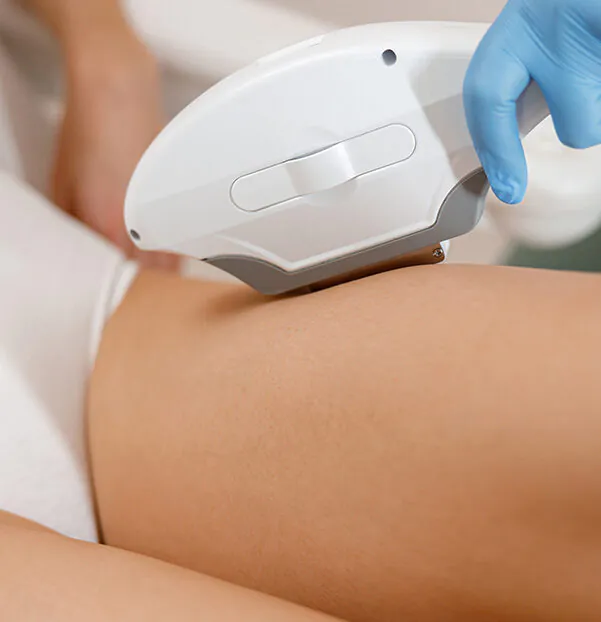
This is why laser hair removal may be considered in some patients as part of a longer-term hair-management strategy.
Laser hair removal works by targeting the hair follicle to reduce hair growth over time. By reducing the amount of hair in the area, it may help reduce one of the factors associated with pilonidal disease and, in some cases, may help lower the risk of recurrence.
However, laser hair removal is not a treatment for an active pilonidal cyst or abscess, and it should not replace medical evaluation or surgical treatment when these are needed.
If you’ve recently had pilonidal cyst surgery, the treated area also needs to heal properly before any laser treatment is considered. Your doctor or laser specialist can advise you on the appropriate timing based on your individual situation.
When Should You See a Doctor?
Don’t ignore a painful or recurring lump near the top of the buttocks.
You should seek medical advice if you notice:
- Persistent or worsening pain
- Swelling or redness
- Pus or bloody drainage
- A recurring lump in the same area
- Fever or other signs of infection
- Difficulty sitting because of the discomfort
The sooner a pilonidal cyst is assessed, the sooner you can understand your treatment options and reduce the chance of the problem becoming more complicated.
The Bottom Line
Pilonidal cysts may be common, but that doesn’t mean you have to simply live with recurring pain and discomfort.
Treatment depends on the individual case, and recurrent pilonidal disease may require a more comprehensive approach. For some patients, managing hair in the affected area can be an important part of reducing risk, which is why laser hair removal may be discussed as part of a long-term prevention strategy.
If you’re experiencing symptoms of a pilonidal cyst, start with a proper medical assessment. And if you’ve already been treated and your doctor has recommended hair reduction, laser hair removal may offer a longer-term alternative to repeated shaving or other temporary methods.