

 Cosmetic and Plastic Surgery

 Medico-Aesthetic Services

 Skin Laser Solutions

 Skin Solutions

 Slimming Solutions






Still Shaving, Waxing and Starting All Over Again? Let’s Talk Laser Hair Removal.
Book a free consultation
Still Shaving, Waxing and Starting All Over Again? Let’s Talk Laser Hair Removal.
Shave today, feel smooth tomorrow, spot regrowth by the weekend. Wax, wait, endure the awkward in-between stage, and repeat. At some point, shouldn’t there be another option?
Hair removal can feel like a part-time job you never applied for. There’s the shaving, the waxing appointments, the ingrown hairs, the irritation, and the constant reminder that somehow, the hair always comes back.
If you’re tired of planning your life around your next hair removal session, it might be time to look into laser hair removal.
But before you book an appointment, let’s talk about what it actually does, how it works and what you should realistically expect.
So, How Does Laser Hair Removal Actually Work?
It’s not magic, and it’s not simply a more expensive razor.
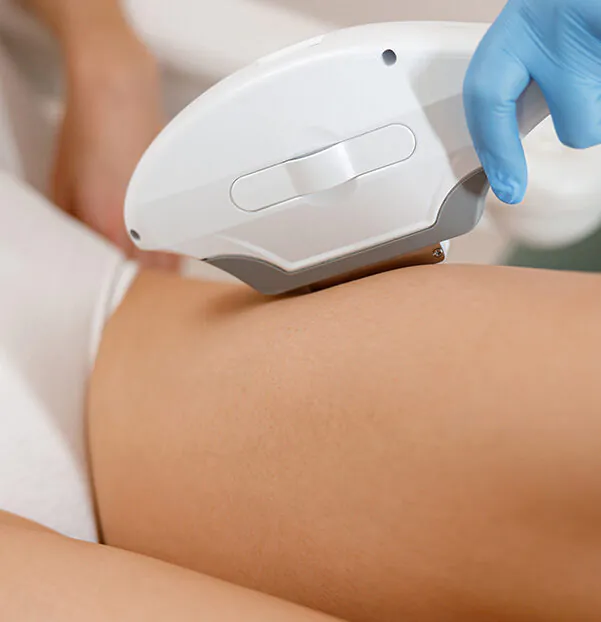
Laser hair removal uses concentrated light energy that targets melanin, the pigment found in hair. The hair absorbs this energy, which converts into heat and damages the hair follicle, slowing down its ability to produce new hair.
The important distinction? Laser hair removal targets the follicle, not just the hair you can see above the skin.
This is why results develop over a series of treatments rather than after one appointment. The aim is to achieve a significant, long-term reduction in unwanted hair growth.
Why Can’t One Session Get Rid of Everything?
Here’s where the hair growth cycle comes in.
Your hair doesn’t all grow at the same time. Different follicles move through different stages of growth, and laser treatment is most effective when the hair is in its active growth phase.
Since not all follicles are in that phase during one appointment, multiple sessions are needed to target them at different points in the cycle.
The number of sessions and the time between them depend on several factors, including the treatment area, hair characteristics, skin tone and individual response.
So if someone promises you that one session will take care of everything, it’s worth asking a few more questions.
Is Laser Hair Removal Better Than Shaving or Waxing?
That depends on what you’re looking for, but the main difference is how each method approaches hair removal.
Shaving cuts the hair at the skin’s surface. It’s quick, convenient and accessible, but regrowth can become noticeable relatively quickly.
Waxing removes hair from the root, which usually means a longer wait before it grows back. However, it needs regular maintenance and can be uncomfortable, especially for sensitive areas.
Laser hair removal works differently by targeting the follicles to reduce future hair growth over time.
For people who regularly deal with razor bumps, ingrown hairs or irritation from traditional hair removal methods, reducing hair growth may also mean fewer of these recurring frustrations.
Which Areas Can Be Treated?
Laser hair removal can be used on many areas of the face and body. Common treatment areas include:
- Face: Upper lip, chin and other suitable facial areas.
- Underarms: One of the most popular areas for laser hair removal.
- Arms and legs: For those who are tired of constantly shaving larger areas.
- Bikini area: To reduce unwanted hair growth in the bikini region.
- Back and chest: Popular treatment areas for men.
The appropriate treatment areas should always be discussed during your consultation.
Does Laser Hair Removal Work on Every Hair and Skin Type?
Not necessarily, and this is an important detail.
Laser technology targets pigment in the hair, which means hair colour plays a role in how effectively it responds. Darker hair generally responds better, while white, grey, blonde and some red hair may not respond well to conventional laser hair removal.
Skin tone also matters when selecting the appropriate laser technology and treatment settings. Advances in laser technology have made treatment possible for a wider range of skin tones, but the device and settings need to be selected carefully.
This is why a professional assessment matters. Your skin tone, hair characteristics, medical history and treatment goals should all be considered before starting.
What Should You Do Before and After a Session?
A little preparation goes a long way.
Before treatment, you’ll generally be advised to avoid tanning and excessive sun exposure. Shaving the treatment area may also be recommended, while waxing, plucking and other methods that remove hair from the root should be avoided during your treatment course.
After a session, some temporary redness, swelling or sensitivity can occur. Following the recommended aftercare instructions, protecting the treated area from the sun and avoiding unnecessary irritation are all important.
Your practitioner will guide you on the specific preparation and aftercare steps based on the treatment area and technology being used.
One More Thing: Results Are Not Identical for Everyone
Laser hair removal can significantly reduce unwanted hair, but it doesn’t guarantee that every hair will disappear forever.
Some people may need occasional maintenance sessions, while hormonal factors can influence ongoing hair growth and treatment results. This is particularly relevant for areas where hormones play a role in hair growth.
The goal is long-term hair reduction, with less frequent and often finer regrowth, rather than promising that you’ll never see another hair again.
Ready to Stop Repeating the Same Hair Removal Routine?
If shaving and waxing have become a never-ending cycle, laser hair removal may be worth exploring.
And with Black Friday at Silkor, there’s an extra reason to look into it.
Enjoy 50% OFF Laser Hair Removal at Silkor.
Whether you’re considering one treatment area or several, start with a consultation to understand your options and find out what treatment plan is suitable for you.
Because your weekends have better things to do than plan your next waxing appointment.