
 Cosmetic and Plastic Surgery
 Medico-Aesthetic Services
 Skin Laser Solutions
 Skin Solutions
 Slimming Solutions



The Rise of Fake Experts in Aesthetics: Are We Really Taking Medical Advice From Influencers Now?
The Rise of Fake Experts in Aesthetics: Are We Really Taking Medical Advice From Influencers Now?
Let’s set the scene.
You’re scrolling through Instagram.
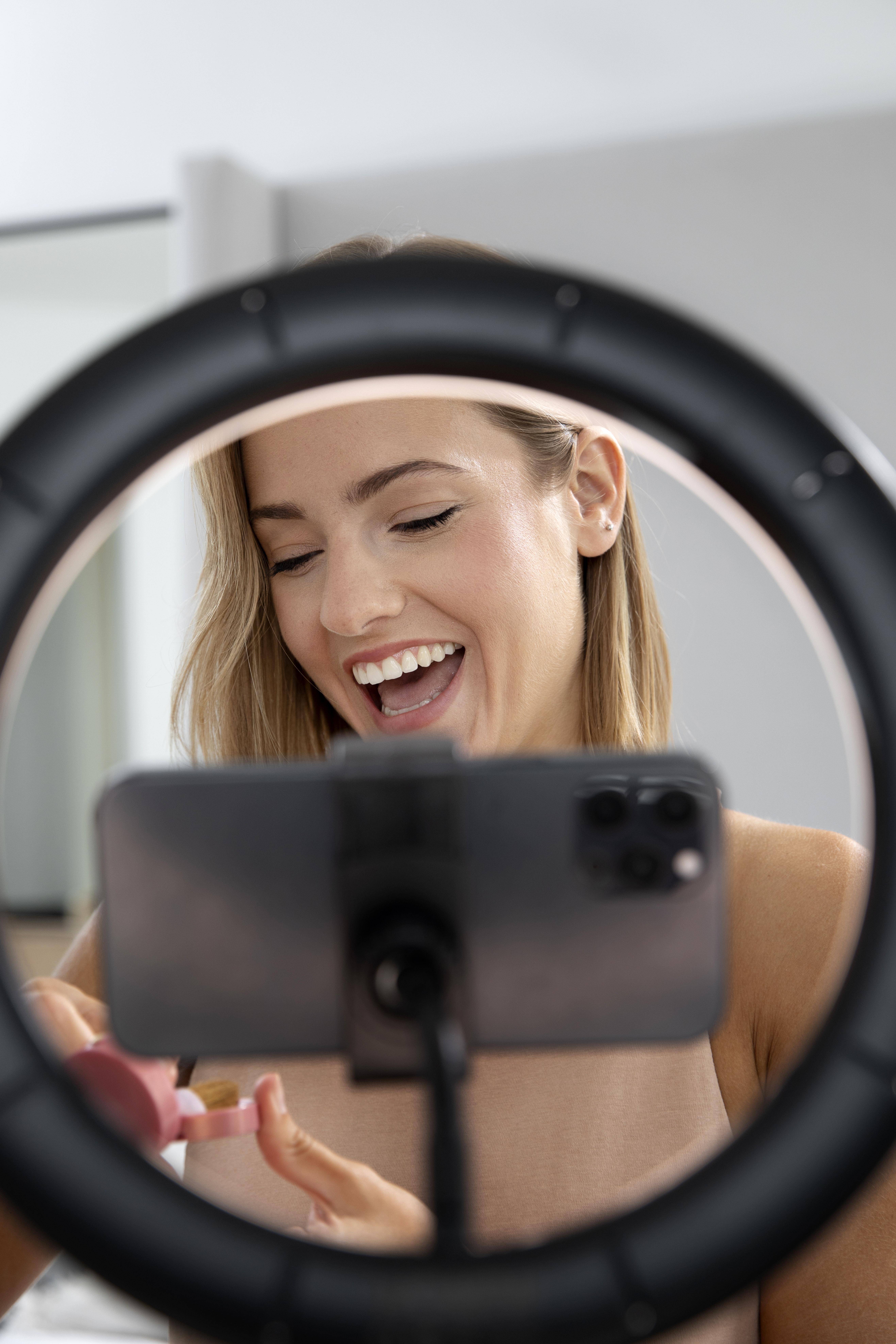
A woman you’ve never met appears on your screen, sitting in perfect lighting, holding a tiny skincare bottle.
“Guys, I swear by this.”
Swipe.
“THIS is why your skin is breaking out.”
Swipe.
“Stop doing this if you want to age well.”
Swipe.
And then, somehow, she’s explaining facial anatomy.
You pause.
Because… when did she go to medical school?
Maybe she did.
Maybe she didn’t.
Maybe she watched three TikToks, read the product packaging and has an exceptionally confident ring-light setup.
And that, unfortunately, is part of the problem.
Welcome to the Era of the Aesthetic Expert™
The internet has made something very interesting happen.
You no longer need medical training to sound like you have medical training.
You just need:
A white coat.
A ring light.
A confident voice.
And preferably a “link in bio.”
Suddenly, someone is telling millions of people what causes their acne, which injectables they “need,” what skincare ingredients they should combine, how much filler they should get, what their skin type is, how to “fix” their face, and which treatment is the best.
No consultation.
No medical history.
No examination.
Just:
“Trust me, guys.”
And apparently, we do.
But Why Do We Trust Influencers So Much?
Here’s the uncomfortable part.
Sometimes influencers are more convincing than doctors.
Not necessarily because they know more.
Because they feel more relatable.
A doctor might tell you:
“This treatment depends on your anatomy, medical history, skin condition, expectations and suitability.”
An influencer says:
“I did this and look at my face.”
Guess which one is easier to understand?
The influencer is speaking directly to you.
They show you their face.
They tell you what they paid.
They show you the appointment.
They film the swelling.
They show you the result.
It feels transparent.
It feels personal.
It feels like your friend is giving you advice.
Except your friend might also be getting paid to give you that advice.
And that’s where things get complicated.
Your Face Is Not a Product Review
This is probably the most important thing to remember.
You can review a foundation.
You can review a moisturizer.
You can review a hair dryer.
But aesthetic medicine is different.
Because your face isn’t a product that comes with a standard user manual.
Two people can receive the exact same treatment and have completely different experiences.
Why?
Because of anatomy.
Skin type.
Age.
Hormones.
Previous treatments.
Medical history.
Facial structure.
Lifestyle.
The condition being treated.
The technique used.
The practitioner’s training.
Even the patient’s expectations.
So when someone says:
“Everyone should get this.”
Our immediate response is:
Everyone?
Really?
Because medicine tends to be a little more complicated than that.
“But It Worked for Her!”
Of course it did.
And that’s great.
We’re not here to take away anyone’s good experience.
If an influencer had a treatment and loved her result, we’re genuinely happy for her.
But her experience is one experience.
It doesn’t automatically mean the treatment is appropriate for you.
This is especially important with aesthetic injectables, where anatomy and technique matter enormously.
The fact that someone else’s lips looked amazing after filler doesn’t mean you need the same amount.
The fact that your favourite influencer had cheek filler doesn’t mean your cheeks need it.
And the fact that she says something “changed her face” doesn’t mean you need to change yours.
Then There Are the “Experts” Who Aren’t Actually Experts
This is where things get a little more concerning.
There’s a difference between an influencer saying:
“I tried this treatment and here’s what happened.”
and someone saying:
“This is what you should do for your hormonal acne.”
The first is a personal experience.
The second is medical advice.
Those are not the same thing.
And yet social media blurs that line constantly.
You can find people confidently diagnosing skin conditions from selfies, recommending prescription-level treatments, explaining injectable techniques, giving dosing advice and telling people what their symptoms “definitely mean.”
The confidence is impressive.
The qualifications?
Sometimes less so.
The White Coat Doesn’t Make You an Expert Either
And before every doctor reading this gets too comfortable:
We’re not saying everyone in a white coat automatically deserves your trust either.
A medical degree is important.
Specialized training is important.
Experience is important.
But so are ethics, transparency, continuing education, patient communication and knowing when not to treat someone.
The goal isn’t:
Doctor = automatically right.
Influencer = automatically wrong.
It’s:
Who is qualified to answer this particular question?
If someone is recommending a moisturizer because they personally enjoyed it?
Fine.
If someone is advising you on an injectable, laser treatment, medication or medical condition?
Maybe check who you’re listening to.
“But They Have Millions of Followers…”
Okay.
And?
Followers measure reach.
They don’t measure medical competence.
A person can have five million followers and absolutely no qualifications to diagnose, prescribe or perform an aesthetic procedure.
Another person can have 800 followers and twenty years of medical experience.
The algorithm doesn’t care.
It cares about engagement.
And unfortunately, outrage, confidence and dramatic before-and-afters tend to perform extremely well.
Nuance?
Not always.
“Your face is aging incorrectly and here’s why”?
Much better for the algorithm.
The Before-and-After Trap
Let’s talk about before-and-after photos.
Because they’re incredibly persuasive.
You see:
BEFORE → AFTER
And your brain immediately thinks:
I want that.
But what you’re often not seeing is everything in between.
What treatment was actually performed?
How many sessions?
Which products?
What settings?
What technique?
What was the lighting?
Was makeup involved?
Was the photo taken at the same angle?
How much time passed between the images?
Was the result typical?
Was the patient an appropriate candidate?
And perhaps most importantly:
Would the same treatment produce the same result on you?
Maybe.
Maybe not.
A before-and-after is evidence of what happened to one person.
It is not a guarantee of what will happen to you.
Aesthetic Medicine Isn’t a Trend
This is another reason we’re cautious about trend-driven treatment culture.
One month, everyone is obsessed with a particular injectable.
The next month, it’s a new facial.
Then suddenly everyone needs a specific device.
Then the internet decides something is “out.”
Then six months later it’s back.
Your face shouldn’t be following the beauty trend cycle like it’s buying sneakers.
Aesthetic medicine should be based on your anatomy, your concerns and your goals.
Not whatever treatment currently has the best hashtag.
So, Who Should You Trust?
Start with someone who is actually qualified to provide the treatment or medical advice you’re seeking.
Look at their credentials.
Ask about their experience.
Ask what the treatment is actually designed to do.
Ask about risks.
Ask about alternatives.
Ask what happens if you decide not to do it.
And here’s a surprisingly useful question:
“Would you actually recommend this for me?”
Not:
“What can I do?”
Because a good consultation shouldn’t be a shopping list.
It should be a conversation.
And Sometimes the Best Answer Is “You Don’t Need It.”
We think this deserves its own section.
Because in aesthetics, there is enormous value in a professional telling you:
“I don’t think you need that.”
You came in asking about filler.
Maybe your doctor thinks your concern can be addressed another way.
You came in asking about a certain laser.
Maybe it’s not appropriate for your skin.
You saw something online and think you need three different treatments.
Maybe you actually need none of them.
That shouldn’t feel like a disappointing consultation.
It should feel reassuring.
Because the point of personalized aesthetic treatment isn’t to find everything that can be done to your face.
It’s to figure out what, if anything, makes sense for you.
We Love Influencers. We Just Don’t Want Them Practicing Medicine.
Influencers aren’t the enemy.
They can be entertaining.
They can introduce people to treatments.
They can share their experiences.
They can make aesthetic medicine feel less intimidating.
And some influencers are genuinely thoughtful and responsible about what they share.
The problem starts when influence gets mistaken for expertise.
You don’t need to stop watching beauty content.
You don’t need to delete Instagram.
You don’t need to panic every time someone says “collagen” on TikTok.
Just remember:
A recommendation can come from an influencer.
Medical advice should come from a qualified medical professional.
There is a difference.
Your Face Deserves More Than a Comment Section
At Silkor, we’ve spent more than 30 years working in laser and aesthetic medicine.
And if three decades have taught us anything, it’s that no two faces are the same.
There isn’t one perfect treatment.
There isn’t one universal amount of filler.
There isn’t one magic laser.
There isn’t one skincare routine that every woman on the internet needs.
There is you.
Your face.
Your skin.
Your concerns.
Your goals.
And a qualified professional who should take the time to understand all of them.
So the next time someone on Instagram tells you that you absolutely need a particular treatment, pause before booking the appointment.
Ask yourself:
Do they actually know my face?
If the answer is no, maybe don’t let the algorithm make your aesthetic decisions.
Your cheekbones deserve better than that.