
 Cosmetic and Plastic Surgery
 Medico-Aesthetic Services
 Skin Laser Solutions
 Skin Solutions
 Slimming Solutions



About the Treatment
Our center employs highly qualified medical specialists of the first and highest qualification categories with work experience of at least 10 years.

 Minimal downtime
 FDA-Approved
 Men and Women
 Medical Treatment
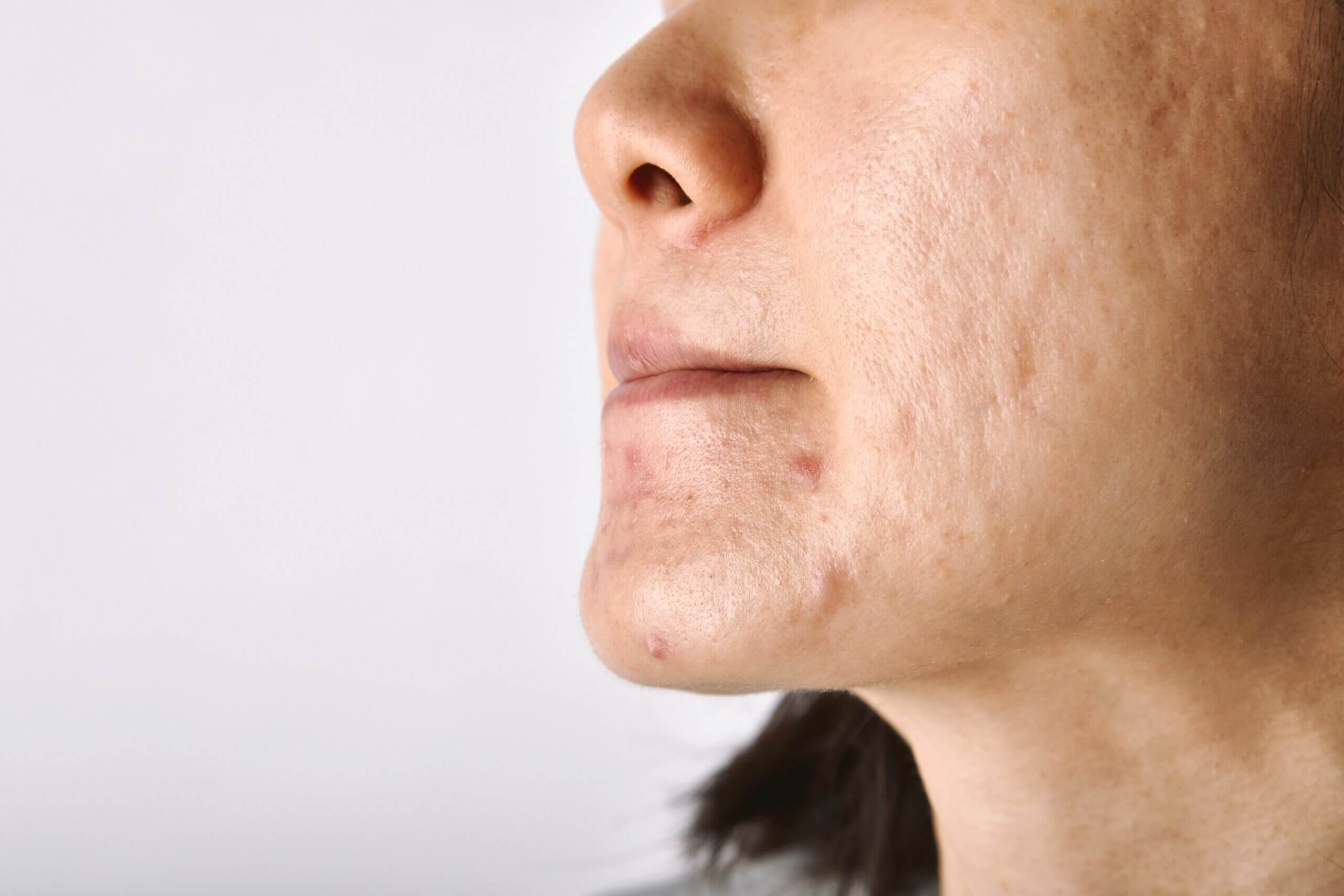
Acne, injuries, and previous procedures can leave marks that linger long after the skin has healed. Scar Treatment focuses on improving the appearance of scars, helping refine uneven texture and support smoother-looking skin. Because no two scars are exactly alike, the treatment approach depends on your skin and the type of scar you’re looking to address.
How does it work?
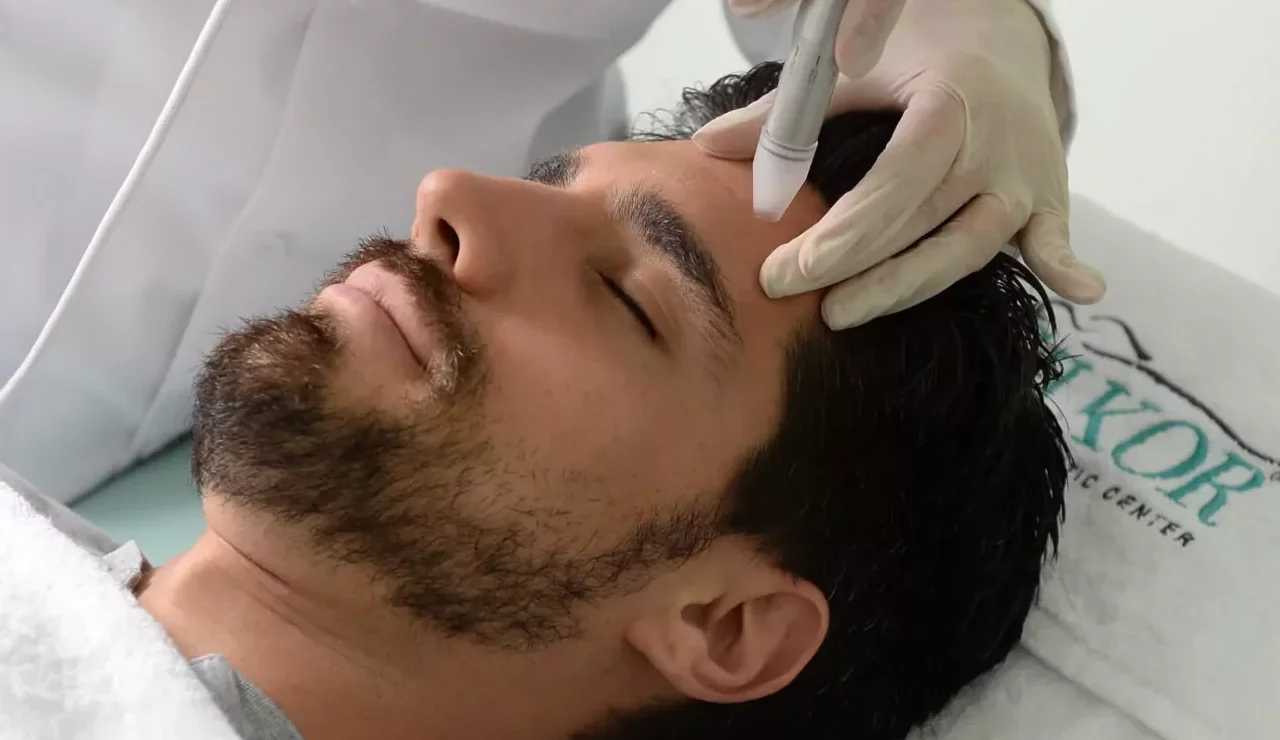
Scar treatments aim to improve the appearance of affected skin by targeting concerns such as uneven texture, discoloration, or excess scar tissue. Depending on the type of scar, suitable options may include laser treatments, microneedling, or other procedures designed to support skin renewal and collagen remodeling. The most appropriate method depends on the scar and your skin’s needs.
Let’s work on the texture, not just the surface.
What causes scars?
Scars form as part of the skin’s natural healing process. Depending on how the skin repairs itself, a scar may appear raised, indented, firm, or discolored. Acne, injuries, burns, and surgical procedures can all leave different types of scars, each requiring a different approach.

Your skin doesn’t need a blank slate to make progress.
What can Scar Treatment help improve?
Treatment may help address:
- Acne scars: Improve the appearance of certain indented or uneven scars.
- Uneven skin texture: Help soften the appearance of irregularities.
- Scar discoloration: Target certain dark or red marks, depending on their cause.
- Raised scars: Assess whether a suitable treatment can help improve their appearance.
Results vary according to the scar’s type, depth, age, and location. Some scars can be improved significantly, while others may remain visible even after treatment.
Book a Free Consultation

Frequently Asked Questions
All you need to know about this treatment.
Many scars can be improved, but no single treatment works for every type. Your treatment options depend on the scar’s characteristics and your skin.
The number of sessions varies based on the type and severity of the scar and the treatment selected. Multiple sessions may be needed.
Improvements usually develop gradually as the skin heals and remodels. The timeline depends on the treatment and the scar being addressed.
Downtime varies depending on the procedure. Temporary redness, swelling, sensitivity, or peeling may occur, so follow the aftercare instructions provided for your treatment.
Here’s our treatment protocol:
Before your session:
- Share your medical history, current medications, and previous treatments with your specialist.
- Avoid tanning and excessive sun exposure.
- Follow the preparation instructions for your specific procedure.
- Tell your specialist if the scar is still healing or if the area is irritated.
After your session:
- Follow the aftercare instructions provided for your treatment.
- Protect the treated area from the sun and use sunscreen when appropriate.
- Avoid picking, scratching, or exfoliating healing skin.
- Use only the recommended skincare products until your skin has recovered.
- Contact your healthcare provider if you experience severe pain, increasing redness, or signs of infection.